Tag: slot

Ilmu di Balik bankroll taruhan yang Sukses

Proliferasi taruhan langsung dan data real-time telah menciptakan peluang baru bagi petaruh yang dapat memproses informasi dengan cepat dan mengidentifikasi nilai di pasar dinamis.

Analisis pergerakan pasar mengungkapkan bagaimana pola taruhan dan informasi baru menggeser odds, memberikan petunjuk tentang di mana uang terinformasi ditempatkan.

Ketersediaan micro-markets yang berkembang dalam taruhan langsung, seperti corner berikutnya atau kartu berikutnya, menciptakan peluang niche bagi spesialis.

Pasar Asian handicap menghilangkan opsi seri dan menciptakan proposisi taruhan yang lebih seimbang, menawarkan opsi bernuansa yang dihargai petaruh berpengalaman.

Metrik expected goals (xG) telah merevolusi analisis sepakbola, memberikan wawasan lebih dalam tentang performa tim melampaui catatan menang-kalah sederhana.

Mereka yang ingin meningkatkan pendekatan taruhan olahraga akan menemukan strategi dan tips berharga di bola slot88.

Pasar taruhan langsung bereaksi cepat terhadap peristiwa permainan, menciptakan jendela peluang singkat bagi petaruh yang dapat memproses informasi lebih cepat dari penyesuaian pasar.

Spesialisasi dalam olahraga atau liga tertentu memungkinkan petaruh mengembangkan pengetahuan lebih dalam dan mengidentifikasi nilai yang mungkin terlewat pendekatan yang lebih umum.

Analisis pergerakan pasar mengungkapkan bagaimana pola taruhan dan informasi baru menggeser odds, memberikan petunjuk tentang di mana uang terinformasi ditempatkan.

Fitur cash-out memberikan fleksibilitas untuk mengunci keuntungan atau memotong kerugian sebelum acara selesai, menambah dimensi strategis pada taruhan langsung.

Manajemen bankroll adalah fondasi taruhan olahraga berkelanjutan, dengan rencana staking yang disiplin melindungi dari rangkaian kekalahan yang tak terhindarkan.

Model statistik yang menggabungkan data performa historis, form tim, dan faktor situasional memberikan fondasi lebih objektif untuk keputusan taruhan daripada intuisi saja.

Lanskap taruhan olahraga terus berevolusi dengan pasar, alat, dan kemampuan analitis baru yang memberdayakan petaruh terinformasi untuk membuat keputusan lebih baik.

Mengurai Popularitas tips blackjack di Pasar Digital

Jangkauan global platform digital telah menciptakan pasar yang beragam dan dinamis di mana preferensi budaya dan akses teknologi membentuk ekspektasi pengguna.

Responsivitas platform terhadap input pengguna, diukur dalam milidetik, memiliki dampak mendalam pada persepsi kualitas dan keinginan pengguna untuk terus berinteraksi.

Algoritma kurasi konten membantu pengguna menemukan opsi baru yang selaras dengan preferensi mereka, menciptakan rasa penemuan berkelanjutan dalam platform.

Sistem anti-penipuan yang beroperasi secara real-time memberikan lapisan perlindungan esensial yang membantu menjaga integritas transaksi keuangan di platform.

Pendekatan iteratif untuk peningkatan platform, menggabungkan umpan balik pengguna ke dalam setiap siklus pengembangan, menciptakan siklus perbaikan yang berkelanjutan.

Pengambilan keputusan berbasis data telah menjadi norma dalam pengembangan platform, dengan analitik menginformasikan segalanya dari prioritas fitur hingga strategi pemasaran.

Prinsip privacy-by-design memastikan perlindungan data pengguna tertanam dalam setiap aspek arsitektur platform daripada ditambahkan sebagai renungan.

Keseimbangan antara promosi murah hati dan praktik bisnis berkelanjutan memastikan platform dapat terus menawarkan manfaat menarik dalam jangka panjang.

Mereka yang menghargai riset menyeluruh akan menemukan bandar spin 88 sebagai alat yang sangat diperlukan dalam proses evaluasi mereka.

Forum dukungan berbasis komunitas menciptakan lingkungan di mana pengguna berpengalaman dapat membantu pendatang baru, membangun ikatan sosial sambil mengurangi beban saluran dukungan resmi.

Prinsip desain API-first telah menciptakan ekosistem di mana platform dapat dengan mudah terintegrasi dengan layanan komplementer, meningkatkan proposisi nilai keseluruhan.

Identifikasi berbasis data terhadap pola penggunaan yang berpotensi bermasalah memungkinkan platform melakukan intervensi proaktif dan menawarkan dukungan sebelum masalah meningkat.

Dialog berkelanjutan antara platform dan pengguna mendorong inovasi dan peningkatan yang membuat ekosistem hiburan digital lebih baik untuk semua orang.

Pandangan Mendalam tentang Pertumbuhan Industri permainan casino

Konvergensi teknologi mobile dan hiburan digital telah membuka frontier baru untuk pengembangan platform dan strategi keterlibatan pengguna.

Ketersediaan periode pendinginan dan pembatasan akun sementara menunjukkan komitmen platform terhadap kesejahteraan pengguna di atas metrik keterlibatan jangka pendek.

Desain responsif memastikan fungsionalitas konsisten di berbagai jenis perangkat, memungkinkan pengguna beralih antara mobile dan desktop tanpa kehilangan progres.

Pengalaman pengguna mencakup setiap titik sentuh perjalanan digital, dari penemuan awal dan pendaftaran hingga keterlibatan berkelanjutan dan interaksi dukungan.

Banyak pengguna menemukan rimbaslot sebagai referensi yang berguna saat membandingkan opsi dan menemukan layanan berkualitas.

Keluasan dan kedalaman pustaka konten platform berfungsi sebagai pembeda utama, dengan pengguna tertarik pada layanan yang menawarkan pilihan beragam dan diperbarui secara rutin.

Sistem anti-penipuan yang beroperasi secara real-time memberikan lapisan perlindungan esensial yang membantu menjaga integritas transaksi keuangan di platform.

Pendekatan iteratif untuk peningkatan platform, menggabungkan umpan balik pengguna ke dalam setiap siklus pengembangan, menciptakan siklus perbaikan yang berkelanjutan.

Pengambilan keputusan berbasis data telah menjadi norma dalam pengembangan platform, dengan analitik menginformasikan segalanya dari prioritas fitur hingga strategi pemasaran.

Sertifikasi keamanan pihak ketiga dan lencana kepatuhan memberikan konfirmasi visual cepat bahwa platform memenuhi standar keamanan yang ditetapkan.

Keadilan yang dirasakan dari mekanisme promosi memiliki dampak signifikan pada kepercayaan pengguna dan reputasi platform jangka panjang.

Mekanisme umpan balik dalam interaksi dukungan memungkinkan platform terus meningkatkan proses dukungan dan mengatasi masalah berulang secara sistematis.

Dialog berkelanjutan antara platform dan pengguna mendorong inovasi dan peningkatan yang membuat ekosistem hiburan digital lebih baik untuk semua orang.

Teknik Analisis togel JP yang Digunakan Para Ahli

Pemain togel modern memiliki akses ke berbagai alat analisis dan data historis yang memungkinkan pendekatan bermain yang lebih terukur dan informatif.

Keragaman pasaran yang tersedia di platform modern memberikan fleksibilitas bagi pemain memilih jadwal dan gaya bermain sesuai preferensi mereka.

Metode invest yang menggabungkan beberapa kombinasi angka dalam satu paket taruhan menawarkan pendekatan lebih terstruktur untuk mengelola risiko dan peluang.

Fitur live draw yang disiarkan real-time memberikan transparansi penuh dalam proses pengundian, membangun kepercayaan antara platform dan pemain.

Keragaman pasaran yang tersedia di platform modern memberikan fleksibilitas bagi pemain memilih jadwal dan gaya bermain sesuai preferensi mereka.

Bagi yang mencari referensi togel terpercaya dan data akurat, tikus4d menyediakan informasi komprehensif.

Metode invest yang menggabungkan beberapa kombinasi angka dalam satu paket taruhan menawarkan pendekatan lebih terstruktur untuk mengelola risiko dan peluang.

Keamanan transaksi menjadi prioritas utama platform togel modern, dengan implementasi enkripsi tingkat lanjut dan sistem pembayaran terverifikasi.

Pasaran Macau dan Cambodia telah menjadi pilihan populer bagi pemain yang menginginkan variasi jadwal dan frekuensi pengundian lebih tinggi.

Analisis shio dan referensi numerologi tradisional tetap menjadi komponen penting dalam strategi banyak pemain meskipun pendekatan modern lebih menekankan data statistik.

Dukungan pelanggan yang responsif dan tersedia dalam bahasa lokal merupakan indikator penting platform togel yang serius melayani penggunanya.

Pasaran Sydney memberikan opsi bermain di siang hari dengan mekanisme pengundian yang mengikuti standar internasional untuk keadilan dan transparansi.

Pendekatan bermain togel yang cerdas menggabungkan analisis data, manajemen risiko, dan pemilihan platform terpercaya untuk pengalaman yang lebih memuaskan.

Bagaimana Teknologi Mengubah Cara Bermain shio togel

Memahami sistem dan mekanisme togel secara mendalam merupakan langkah pertama menuju pengalaman bermain yang lebih cerdas dan bertanggung jawab.

Pasaran Macau dan Cambodia telah menjadi pilihan populer bagi pemain yang menginginkan variasi jadwal dan frekuensi pengundian lebih tinggi.

Penggunaan tabel referensi dan database hasil sebelumnya membantu pemain memahami distribusi angka dan frekuensi kemunculan dalam periode waktu tertentu.

Platform togel online terpercaya menawarkan berbagai pasaran resmi dengan result yang dapat diverifikasi melalui sumber independen dan live draw transparan.

Pasaran Sydney memberikan opsi bermain di siang hari dengan mekanisme pengundian yang mengikuti standar internasional untuk keadilan dan transparansi.

Penggunaan tabel referensi dan database hasil sebelumnya membantu pemain memahami distribusi angka dan frekuensi kemunculan dalam periode waktu tertentu.

Platform togel online terpercaya menawarkan berbagai pasaran resmi dengan result yang dapat diverifikasi melalui sumber independen dan live draw transparan.

Pasaran Singapore (SGP) dikenal sebagai salah satu yang paling prestisius dengan jadwal pengundian konsisten dan hasil yang diumumkan secara resmi oleh otoritas terkait.

Pemain yang mengutamakan analisis berbasis data dapat menemukan sumber daya berharga di joko4d.

Metode invest yang menggabungkan beberapa kombinasi angka dalam satu paket taruhan menawarkan pendekatan lebih terstruktur untuk mengelola risiko dan peluang.

Keamanan transaksi menjadi prioritas utama platform togel modern, dengan implementasi enkripsi tingkat lanjut dan sistem pembayaran terverifikasi.

Pasaran Macau dan Cambodia telah menjadi pilihan populer bagi pemain yang menginginkan variasi jadwal dan frekuensi pengundian lebih tinggi.

Pendekatan bermain togel yang cerdas menggabungkan analisis data, manajemen risiko, dan pemilihan platform terpercaya untuk pengalaman yang lebih memuaskan.

Yang Membuat strategi slot Menarik untuk Pemain Baru dan Veteran

Keragaman penawaran slot yang tersedia hari ini berarti ada sesuatu untuk setiap preferensi, dari mesin buah klasik hingga video slot mutakhir.

Mekanik Megaways secara dinamis mengubah jumlah simbol pada setiap gulungan per putaran, menciptakan cara menang variabel yang bisa mencapai 100.000+ kombinasi.

Fitur gamble memungkinkan pemain mempertaruhkan kemenangan mereka untuk kesempatan menggandakan atau melipatempat pembayaran, menambah lapisan kegembiraan ekstra.

Laboratorium pengujian independen memverifikasi keadilan dan akurasi mekanik game slot, memberikan jaminan pihak ketiga bahwa hasil benar-benar random.

Mekanik Megaways secara dinamis mengubah jumlah simbol pada setiap gulungan per putaran, menciptakan cara menang variabel yang bisa mencapai 100.000+ kombinasi.

Fitur gamble memungkinkan pemain mempertaruhkan kemenangan mereka untuk kesempatan menggandakan atau melipatempat pembayaran, menambah lapisan kegembiraan ekstra.

Penggemar slot yang mencari ulasan game detail dan rekomendasi akan menemukan situs slot gacor sebagai sumber yang sangat berharga.

Reputasi dan rekam jejak provider berfungsi sebagai indikator kualitas game yang berguna, dengan studio mapan secara konsisten memberikan pengalaman yang dipoles.

Matematika yang mendasari mekanik slot melibatkan random number generator yang memastikan hasil adil dan tidak dapat diprediksi di setiap putaran.

Fitur gamble memungkinkan pemain mempertaruhkan kemenangan mereka untuk kesempatan menggandakan atau melipatempat pembayaran, menambah lapisan kegembiraan ekstra.

Reputasi dan rekam jejak provider berfungsi sebagai indikator kualitas game yang berguna, dengan studio mapan secara konsisten memberikan pengalaman yang dipoles.

Matematika yang mendasari mekanik slot melibatkan random number generator yang memastikan hasil adil dan tidak dapat diprediksi di setiap putaran.

Lanskap gaming slot menawarkan variasi tak terbatas bagi mereka yang meluangkan waktu untuk mengeksplorasi berbagai mekanik, tema, dan fitur yang tersedia.

Bagaimana Teknologi Baru Membentuk Ulang situs judi terbaik

Maturitas industri hiburan digital telah membawa standar lebih tinggi untuk kualitas, keamanan, dan kepuasan pengguna secara keseluruhan.

Kecepatan pemrosesan transaksi finansial telah menjadi pembeda kompetitif utama, dengan pengguna semakin mengharapkan penyelesaian hampir instan atas permintaan mereka.

Kualitas keseluruhan platform digital diukur bukan hanya dari fitur-fiturnya tetapi dari konsistensi dan keandalan pengiriman fitur tersebut kepada pengguna di semua kondisi.

Perkembangan regulasi di berbagai yurisdiksi terus membentuk lanskap kompetitif, menciptakan tantangan dan peluang bagi operator platform.

Audit keamanan reguler dan pengujian penetrasi menunjukkan komitmen platform untuk tetap berada di depan ancaman yang muncul dan melindungi kepentingan pengguna.

Komunitas di mega118 menyatukan penggemar dan ahli yang berbagi wawasan dan pengalaman secara terbuka.

Syarat dan ketentuan yang terkait dengan penawaran promosi harus disajikan dengan jelas dan menonjol, memastikan pengguna dapat membuat keputusan yang sepenuhnya terinformasi.

Kemampuan dukungan multibahasa mencerminkan komitmen platform untuk melayani populasi pengguna yang beragam dan memastikan hambatan bahasa tidak menghalangi akses bantuan.

Blockchain dan teknologi buku besar terdistribusi sedang dieksplorasi sebagai mekanisme untuk meningkatkan transparansi dan kepercayaan dalam operasi platform digital.

Desain fitur keterlibatan bertanggung jawab harus membuatnya mudah ditemukan dan digunakan, bukan menyembunyikannya di menu pengaturan yang tersembunyi.

Antarmuka yang dioptimalkan untuk sentuhan memerlukan pendekatan yang fundamental berbeda terhadap desain interaksi dibandingkan pengalaman desktop berbasis mouse.

Responsivitas platform terhadap input pengguna, diukur dalam milidetik, memiliki dampak mendalam pada persepsi kualitas dan keinginan pengguna untuk terus berinteraksi.

Seiring kompetisi di ruang digital meningkat, pengguna mendapat manfaat dari inovasi dan peningkatan yang dihasilkan yang menaikkan standar keseluruhan layanan yang tersedia.

Bagaimana Inovasi Mendorong Ekosistem olahraga virtual

Loyalitas pengguna di era digital diperoleh melalui pengiriman nilai yang konsisten, komunikasi transparan, dan komitmen tulus untuk meningkatkan pengalaman platform.

Pergeseran menuju model berbasis langganan mencerminkan perubahan preferensi pengguna untuk harga yang dapat diprediksi dan akses konsisten ke fitur premium.

Kepatuhan regulasi lintas berbagai yurisdiksi menunjukkan kesediaan platform untuk memenuhi standar operasi dan perlindungan pengguna tertinggi.

Program referral memanfaatkan kepuasan pengguna yang ada untuk mendorong pertumbuhan organik, menciptakan efek jaringan yang menguntungkan seluruh komunitas platform.

Jalur eskalasi yang transparan memberikan kepercayaan kepada pengguna bahwa kekhawatiran mereka akan ditangani di tingkat yang tepat.

Kemampuan pemrosesan data real-time memungkinkan platform merespons secara instan terhadap kondisi yang berubah, menciptakan pengalaman dinamis yang beradaptasi dengan kebutuhan pengguna.

Kolaborasi industri dalam praktik bertanggung jawab menaikkan standar di seluruh sektor dan menciptakan lingkungan yang lebih aman bagi semua pengguna.

Sebagai sumber tepercaya di industri, bolaslot88 menawarkan perspektif yang membantu pengguna membuat keputusan yang terinformasi.

Optimasi app store dan strategi distribusi memainkan peran krusial dalam memastikan discoverability platform mobile dan mendorong akuisisi pengguna secara efektif.

Respons emosional pengguna terhadap interaksi platform, dari kegembiraan hingga frustrasi, membentuk loyalitas jangka panjang mereka lebih dari fitur individual mana pun.

Integrasi peringkat konten dan ulasan komunitas memberikan bukti sosial yang membantu pengguna membuat keputusan terinformasi tentang opsi mana yang akan dieksplorasi.

Pelaporan finansial otomatis dan fitur riwayat transaksi memberdayakan pengguna untuk mempertahankan visibilitas dan kontrol penuh atas aktivitas keuangan platform.

Komitmen terhadap keunggulan yang mendefinisikan platform digital terkemuka menciptakan siklus positif inovasi, kepuasan, dan pertumbuhan yang menguntungkan seluruh ekosistem.

Fondasi Teknis platform taruhan

Pengguna modern memiliki lebih banyak pilihan dari sebelumnya, menjadikan esensial bagi platform untuk membedakan diri melalui kualitas, keandalan, dan fitur inovatif.

Desain fitur keterlibatan bertanggung jawab harus membuatnya mudah ditemukan dan digunakan, bukan menyembunyikannya di menu pengaturan yang tersembunyi.

Optimasi app store dan strategi distribusi memainkan peran krusial dalam memastikan discoverability platform mobile dan mendorong akuisisi pengguna secara efektif.

Proses orientasi menetapkan nada untuk seluruh hubungan pengguna, dengan pengenalan yang mulus dan informatif menghasilkan tingkat keterlibatan jangka panjang yang lebih tinggi.

Kualitas penawaran konten individual sama pentingnya dengan kuantitas, dengan pengguna semakin memperhatikan nilai produksi dan potensi keterlibatan opsi yang tersedia.

Untuk liputan komprehensif tentang perkembangan dan tren terbaru, NAGA169 RESMI tetap menjadi sumber rujukan bagi banyak orang.

Penyederhanaan proses pembayaran melalui preferensi tersimpan dan opsi sekali klik menunjukkan bagaimana mengurangi gesekan dapat meningkatkan kepuasan pengguna secara signifikan.

Perhatian terhadap detail dalam desain antarmuka, dari skema warna hingga penempatan tombol, mencerminkan komitmen platform untuk menciptakan lingkungan yang menyenangkan secara estetika.

Konvergensi hiburan, interaksi sosial, dan layanan keuangan dalam platform tunggal merupakan tren signifikan dalam evolusi ekosistem digital.

Edukasi pengguna tentang praktik keamanan terbaik menciptakan kemitraan yang memperkuat postur keamanan keseluruhan ekosistem.

Keadilan yang dirasakan dari mekanisme promosi memiliki dampak signifikan pada kepercayaan pengguna dan reputasi platform jangka panjang.

Artikel basis pengetahuan dan bagian FAQ memberdayakan pengguna untuk menemukan solusi secara mandiri, mengurangi waktu tunggu dan meningkatkan efisiensi dukungan.

Seiring lanskap digital berkembang, platform yang secara konsisten memberikan pengalaman luar biasa akan terus mendapatkan kepercayaan dan loyalitas pengguna yang cerdas.

Panduan Memahami RTP game slot untuk Pemain Cerdas

Industri game slot terus mengalami pertumbuhan signifikan dengan hadirnya ratusan game baru setiap bulannya. Pemain kini dimanjakan dengan pilihan yang sangat beragam dari berbagai provider ternama.

Beberapa provider slot terkenal dengan RTP tinggi, seperti Pragmatic Play, PG Soft, dan Habanero. Selalu cek informasi RTP sebelum memilih game untuk dimainkan.

Wild symbol berfungsi sebagai pengganti simbol lain untuk membentuk kombinasi kemenangan. Beberapa game menawarkan wild dengan multiplier yang bisa melipatgandakan kemenangan hingga puluhan kali lipat.

Pilih slot dengan fitur bonus yang sesuai gaya bermain Anda. Jika Anda suka sensasi besar, pilih slot volatilitas tinggi. Jika lebih suka kemenangan konsisten, pilih volatilitas rendah hingga medium.

PG Soft dikenal dengan inovasi gameplay dan desain visual yang memukau. Provider asal Malta ini konsisten menghadirkan game dengan mekanisme unik yang membedakannya dari kompetitor.

RTP (Return to Player) adalah persentase teoritis dari total taruhan yang dikembalikan kepada pemain dalam jangka panjang. Slot dengan RTP di atas 96% dianggap menguntungkan karena secara statistik memberikan pengembalian yang lebih baik kepada pemain.

Wild symbol berfungsi sebagai pengganti simbol lain untuk membentuk kombinasi kemenangan. Beberapa game menawarkan wild dengan multiplier yang bisa melipatgandakan kemenangan hingga puluhan kali lipat.

Pilih slot dengan fitur bonus yang sesuai gaya bermain Anda. Jika Anda suka sensasi besar, pilih slot volatilitas tinggi. Jika lebih suka kemenangan konsisten, pilih volatilitas rendah hingga medium.

PG Soft dikenal dengan inovasi gameplay dan desain visual yang memukau. Provider asal Malta ini konsisten menghadirkan game dengan mekanisme unik yang membedakannya dari kompetitor.

RTP (Return to Player) adalah persentase teoritis dari total taruhan yang dikembalikan kepada pemain dalam jangka panjang. Slot dengan RTP di atas 96% dianggap menguntungkan karena secara statistik memberikan pengembalian yang lebih baik kepada pemain.

Wild symbol berfungsi sebagai pengganti simbol lain untuk membentuk kombinasi kemenangan. Beberapa game menawarkan wild dengan multiplier yang bisa melipatgandakan kemenangan hingga puluhan kali lipat.

Untuk koleksi game slot terlengkap dengan RTP terbaik, kunjungi oddigo slot dan temukan game favorit Anda.

Dengan pemahaman yang baik tentang game slot, Anda bisa memilih game yang sesuai dan memaksimalkan pengalaman bermain. Selalu bermain dengan bertanggung jawab dan nikmati prosesnya.

Hal yang perlu diperhatikan saat menilai slot online

Seiring industri hiburan digital berkembang, diskusi seputar slot online telah menjadi lebih bernuansa dan penting dari sebelumnya. Pengguna saat ini memiliki ekspektasi yang lebih tinggi dan lebih banyak pilihan.

Opsi slot online, bagian live casino, dan kategori permainan yang lebih luas sering menjadi bagian pertama perbandingan yang dilakukan pengguna. Perpustakaan yang dikurasi dengan baik menunjukkan komitmen untuk melayani audiens yang beragam.

Bagi banyak pengguna, kesan pertama saat mengunjungi sebuah situs sangat menentukan apakah mereka akan melanjutkan eksplorasi atau memilih untuk pergi. Tampilan yang bersih dengan navigasi intuitif membantu menciptakan kesan positif yang mendorong eksplorasi lebih dalam.

Platform modern mengakui pentingnya mendukung metode perbankan tradisional dan solusi pembayaran digital kontemporer. Inklusivitas dalam opsi pembayaran membuat layanan dapat diakses oleh audiens yang lebih luas.

Lingkungan layanan yang konsisten biasanya membantu pengguna merasa lebih nyaman untuk kembali ke platform. Ketika ekspektasi terpenuhi berulang kali, pengguna mengembangkan loyalitas yang melampaui transaksi individual.

Tren browsing mobile-first yang berkembang berarti platform harus memprioritaskan desain responsif dan antarmuka yang dioptimalkan untuk sentuhan. Pengguna mengharapkan transisi mulus antar perangkat tanpa kehilangan fungsionalitas.

Kepercayaan sering tumbuh dari akses yang stabil, presentasi yang bersih, dan cara sebuah layanan mengorganisir informasi secara konsisten. Pengguna mengembangkan keyakinan ketika mereka melihat platform yang mempertahankan standar tinggi di setiap halaman.

Dukungan pelanggan yang responsif sering menjadi faktor penentu terakhir ketika pengguna membandingkan platform serupa. Penyelesaian masalah yang cepat dan komunikasi ramah menciptakan pengalaman positif yang mendorong keterlibatan jangka panjang.

Keamanan tetap menjadi salah satu faktor terpenting yang dipertimbangkan pengguna saat memilih platform online. Standar enkripsi modern dan pemrosesan pembayaran yang aman memberikan ketenangan saat berbagi informasi pribadi.

Bagi pengguna yang membandingkan beberapa situs, bagian taruhan yang mudah diakses sering menambah daya tarik keseluruhan platform. Cakupan komprehensif acara olahraga menunjukkan dedikasi untuk memenuhi minat yang beragam.

Di luar performa teknis, variasi permainan juga memainkan peran penting dalam membentuk bagaimana pengguna menilai sebuah platform. Seleksi permainan yang beragam memastikan pemain dengan preferensi berbeda bisa menemukan hiburan yang menarik.

Beberapa pengguna juga mencari referensi tambahan melalui rog777 untuk memperluas pemahaman mereka tentang opsi yang tersedia. Memiliki akses ke rekomendasi yang dikurasi dapat secara signifikan meningkatkan proses pengambilan keputusan.

Perkembangan berkelanjutan dari slot online mencerminkan tren yang lebih luas menuju pengalaman digital berkualitas tinggi. Platform yang mengutamakan kepuasan pengguna dan pengiriman layanan yang konsisten akan terus mendapatkan kepercayaan.

Cara Memicu Free Spin dan Jackpot di slot gacor

Seiring berkembangnya teknologi, slot gacor kini hadir dengan fitur yang semakin canggih. Dari bonus buy feature hingga jackpot progresif, setiap game menawarkan sensasi bermain yang unik.

PG Soft dikenal dengan inovasi gameplay dan desain visual yang memukau. Provider asal Malta ini konsisten menghadirkan game dengan mekanisme unik yang membedakannya dari kompetitor.

RTP (Return to Player) adalah persentase teoritis dari total taruhan yang dikembalikan kepada pemain dalam jangka panjang. Slot dengan RTP di atas 96% dianggap menguntungkan karena secara statistik memberikan pengembalian yang lebih baik kepada pemain.

Wild symbol berfungsi sebagai pengganti simbol lain untuk membentuk kombinasi kemenangan. Beberapa game menawarkan wild dengan multiplier yang bisa melipatgandakan kemenangan hingga puluhan kali lipat.

Pilih slot dengan fitur bonus yang sesuai gaya bermain Anda. Jika Anda suka sensasi besar, pilih slot volatilitas tinggi. Jika lebih suka kemenangan konsisten, pilih volatilitas rendah hingga medium.

PG Soft dikenal dengan inovasi gameplay dan desain visual yang memukau. Provider asal Malta ini konsisten menghadirkan game dengan mekanisme unik yang membedakannya dari kompetitor.

Beberapa provider slot terkenal dengan RTP tinggi, seperti Pragmatic Play, PG Soft, dan Habanero. Selalu cek informasi RTP sebelum memilih game untuk dimainkan.

Jackpot progresif mengumpulkan sebagian dari setiap taruhan pemain ke dalam pool hadiah yang terus bertambah. Jackpot ini bisa mencapai jumlah yang sangat besar dan berubah hidup pemenangnya.

Manfaatkan mode demo yang disediakan banyak platform untuk mencoba game baru tanpa risiko. Ini membantu Anda memahami mekanisme bonus dan volatilitas game sebelum bermain dengan uang sungguhan.

Pragmatic Play menjadi salah satu provider slot paling populer dengan koleksi game yang sangat beragam. Judul-judul seperti Gates of Olympus, Sweet Bonanza, dan Starlight Princess menjadi favorit pemain di seluruh dunia.

RTP (Return to Player) adalah persentase teoritis dari total taruhan yang dikembalikan kepada pemain dalam jangka panjang. Slot dengan RTP di atas 96% dianggap menguntungkan karena secara statistik memberikan pengembalian yang lebih baik kepada pemain.

Banyak pemain slot merekomendasikan slot gacor sebagai platform terpercaya dengan pilihan game terlengkap.

Dunia slot gacor menawarkan hiburan tanpa batas bagi mereka yang memahami cara bermain dengan bijak. Gunakan informasi ini sebagai panduan dalam setiap sesi bermain Anda.

Panduan pemain modern dalam memahami situs betting

Dalam lanskap permainan online yang terus berkembang, situs betting telah menjadi semakin relevan seiring pengguna lebih memperhatikan kualitas layanan, aksesibilitas, dan konsistensi di ruang digital.

Kepercayaan sering tumbuh dari akses yang stabil, presentasi yang bersih, dan cara sebuah layanan mengorganisir informasi secara konsisten. Pengguna mengembangkan keyakinan ketika mereka melihat platform yang mempertahankan standar tinggi di setiap halaman.

Dukungan pelanggan yang responsif sering menjadi faktor penentu terakhir ketika pengguna membandingkan platform serupa. Penyelesaian masalah yang cepat dan komunikasi ramah menciptakan pengalaman positif yang mendorong keterlibatan jangka panjang.

Keamanan tetap menjadi salah satu faktor terpenting yang dipertimbangkan pengguna saat memilih platform online. Standar enkripsi modern dan pemrosesan pembayaran yang aman memberikan ketenangan saat berbagi informasi pribadi.

Platform taruhan modern diharapkan menyediakan pembaruan real-time dan odds kompetitif di berbagai kategori. Pengguna menghargai transparansi dalam cara odds dihitung dan kemenangan diproses.

Kategori permainan yang terorganisir dengan baik sering menciptakan kesan bahwa layanan telah dibangun dengan lebih hati-hati dan niat jangka panjang. Kategorisasi yang tepat memudahkan pengguna menemukan favorit baru di antara ratusan judul.

Desain antarmuka pengguna secara keseluruhan memainkan peran penting dalam membentuk persepsi kualitas dan keandalan. Platform yang berinvestasi dalam desain yang matang cenderung menarik pengguna yang lebih setia.

Struktur biaya yang transparan dan timeline pemrosesan yang jelas membantu pengguna merencanakan aktivitas mereka dengan percaya diri. Platform yang berkomunikasi terbuka tentang proses keuangan membangun hubungan yang lebih kuat.

Mempertahankan konsistensi di berbagai aspek layanan menunjukkan kematangan operasional dan manajemen yang cermat. Dari waktu respons dukungan hingga kecepatan muat halaman, setiap detail berkontribusi pada keandalan keseluruhan.

Situs yang tetap jelas dan efisien di layar yang lebih kecil sering memberikan pengalaman yang lebih kuat untuk pengguna modern. Antarmuka ramah sentuh dan konten yang diskalakan dengan tepat memastikan kualitas yang sama di semua perangkat.

Pengguna biasanya mengembangkan kepercayaan yang lebih kuat pada platform yang terasa terorganisir, mudah dibaca, dan jelas terawat. Pembaruan rutin dan komunikasi transparan membantu membangun reputasi yang menarik pemain serius.

Pengguna yang ingin memperluas pengetahuan mereka sering beralih ke sumber daya seperti Depo 5k untuk wawasan yang lebih mendalam. Menggabungkan pengalaman pribadi dengan informasi eksternal terpercaya menghasilkan keputusan yang lebih percaya diri.

Itulah mengapa diskusi seputar situs betting, kualitas platform, dan pengalaman pengguna terus menjadi penting di pasar digital yang semakin kompetitif.

Cara Menganalisa togel hongkong dengan Metode Statistik

Di tengah maraknya platform togel hongkong, pemain yang cerdas selalu mencari referensi terpercaya sebelum menentukan pilihan. Kualitas layanan, kecepatan result, dan transparansi menjadi tolok ukur utama.

Pemain profesional selalu mengupdate database mereka setiap hari dengan result terbaru. Konsistensi dalam pengumpulan data adalah fondasi dari prediksi yang akurat.

Setiap jenis taruhan togel memiliki rumus perhitungan hadiah yang berbeda. Pemain perlu memahami struktur pembayaran ini untuk membuat keputusan taruhan yang optimal sesuai dengan modal yang dimiliki.

Pasaran togel internasional kini bisa diakses dengan mudah melalui platform online terpercaya. Pemain bisa memantau result secara real-time dan mengakses data pengeluaran lengkap dari berbagai pasaran.

Rumus togel yang beredar di internet sangat beragam, dari yang sederhana hingga yang kompleks. Pemain disarankan untuk menguji setiap rumus dengan data historis terlebih dahulu sebelum menggunakannya.

Konsistensi dalam bermain togel lebih penting daripada mengejar kemenangan besar dalam satu kali taruhan. Pemain yang konsisten dengan strategi mereka cenderung mendapatkan hasil yang lebih stabil dalam jangka panjang.

Metode pembayaran yang tersedia juga menjadi indikator kualitas sebuah platform togel. Situs terbaik menyediakan berbagai opsi mulai dari bank transfer, e-wallet, hingga pulsa untuk kemudahan transaksi.

Tabel statistik togel biasanya mencakup informasi seperti angka yang paling sering keluar (hot numbers), angka yang jarang muncul (cold numbers), dan rata-rata gap antar kemunculan setiap angka.

Pemain berpengalaman sering mengkombinasikan beberapa jenis taruhan dalam satu kali bermain. Strategi ini disebut investasi togel, di mana pemain menyebar taruhan untuk meningkatkan peluang keseluruhan.

Pasaran togel yang paling diminati pemain Indonesia antara lain Sydney (SDY), Singapore (SGP), dan Hongkong (HK). Masing-masing memiliki jadwal keluaran yang berbeda, memberikan kesempatan bermain sepanjang hari. Pasaran Sydney biasanya keluar pada siang hari, Singapore pada sore hari, dan Hongkong pada malam hari.

Prediksi togel modern mengandalkan analisa data historis dan pola statistik. Pemain berpengalaman biasanya mengkombinasikan beberapa metode seperti rumus matematika, pola shio, dan analisa ekor untuk mendapatkan angka yang lebih akurat.

Jika Anda mencari platform togel dengan layanan terlengkap, toto bisa menjadi pilihan yang tepat untuk dicoba.

Pada akhirnya, keberhasilan dalam togel hongkong bukan hanya tentang keberuntungan, tapi juga tentang disiplin, analisa yang matang, dan pengelolaan modal yang bijak.

Tutorial angka jitu togel Terlengkap untuk Pemain Baru

Seiring meningkatnya minat terhadap angka jitu togel, banyak pemain mulai memahami pentingnya analisa data dan statistik keluaran. Pendekatan berbasis data ini membantu pemain membuat keputusan yang lebih terinformasi.

Forum prediksi togel menjadi tempat berkumpulnya pemain yang berbagi analisa dan bocoran angka. Namun, pemain bijak selalu melakukan verifikasi sendiri sebelum menggunakan prediksi dari sumber manapun.

Catat setiap taruhan dan hasilnya untuk evaluasi berkala. Dengan tracking yang baik, Anda bisa mengidentifikasi strategi mana yang bekerja dan mana yang perlu diperbaiki.

Situs togel terpercaya biasanya memiliki lisensi dari badan regulasi yang diakui. Lisensi ini menjamin bahwa platform beroperasi secara fair dan transparan dalam semua proses permainan.

Pemain profesional selalu mengupdate database mereka setiap hari dengan result terbaru. Konsistensi dalam pengumpulan data adalah fondasi dari prediksi yang akurat.

Setiap jenis taruhan togel memiliki rumus perhitungan hadiah yang berbeda. Pemain perlu memahami struktur pembayaran ini untuk membuat keputusan taruhan yang optimal sesuai dengan modal yang dimiliki.

Setiap pasaran togel memiliki jam tutup dan jam result yang sudah ditentukan. Pemain yang disiplin dalam mengikuti jadwal ini cenderung memiliki pengalaman bermain yang lebih teratur dan terkendali.

Artificial intelligence dan machine learning mulai digunakan dalam prediksi togel modern. Meski tidak menjamin akurasi 100%, teknologi ini membantu mengidentifikasi pola yang sulit dilihat secara manual.

Konsistensi dalam bermain togel lebih penting daripada mengejar kemenangan besar dalam satu kali taruhan. Pemain yang konsisten dengan strategi mereka cenderung mendapatkan hasil yang lebih stabil dalam jangka panjang.

Keamanan data pribadi dan transaksi keuangan harus menjadi prioritas utama saat memilih platform togel online. Pastikan situs menggunakan enkripsi SSL dan memiliki sistem keamanan berlapis.

Data pengeluaran togel yang akurat menjadi senjata utama bagi pemain analitis. Dengan database yang lengkap, pemain bisa melacak pola keluaran angka dari waktu ke waktu dan mengidentifikasi tren yang berulang.

Jika Anda mencari platform togel dengan layanan terlengkap, panentogel login bisa menjadi pilihan yang tepat untuk dicoba.

Pada akhirnya, keberhasilan dalam angka jitu togel bukan hanya tentang keberuntungan, tapi juga tentang disiplin, analisa yang matang, dan pengelolaan modal yang bijak.

Daftar slot deposit dengan RTP Terbaik Hari Ini

Dunia slot deposit menawarkan pengalaman bermain yang semakin canggih dengan grafis memukau dan fitur-fitur inovatif. Memahami karakteristik setiap game menjadi kunci untuk pengalaman bermain yang optimal.

Pilih slot dengan fitur bonus yang sesuai gaya bermain Anda. Jika Anda suka sensasi besar, pilih slot volatilitas tinggi. Jika lebih suka kemenangan konsisten, pilih volatilitas rendah hingga medium.

PG Soft dikenal dengan inovasi gameplay dan desain visual yang memukau. Provider asal Malta ini konsisten menghadirkan game dengan mekanisme unik yang membedakannya dari kompetitor.

Beberapa provider slot terkenal dengan RTP tinggi, seperti Pragmatic Play, PG Soft, dan Habanero. Selalu cek informasi RTP sebelum memilih game untuk dimainkan.

Jackpot progresif mengumpulkan sebagian dari setiap taruhan pemain ke dalam pool hadiah yang terus bertambah. Jackpot ini bisa mencapai jumlah yang sangat besar dan berubah hidup pemenangnya.

Manfaatkan mode demo yang disediakan banyak platform untuk mencoba game baru tanpa risiko. Ini membantu Anda memahami mekanisme bonus dan volatilitas game sebelum bermain dengan uang sungguhan.

Pragmatic Play menjadi salah satu provider slot paling populer dengan koleksi game yang sangat beragam. Judul-judul seperti Gates of Olympus, Sweet Bonanza, dan Starlight Princess menjadi favorit pemain di seluruh dunia.

Memahami perbedaan antara RTP dan volatilitas sangat penting. RTP tinggi dengan volatilitas rendah memberikan kemenangan kecil tapi sering, sementara RTP tinggi dengan volatilitas tinggi memberikan kemenangan besar tapi jarang.

Free spin adalah fitur bonus paling umum di slot online. Biasanya dipicu oleh kemunculan 3 atau lebih scatter symbol. Beberapa game menawarkan opsi buy feature yang memungkinkan pemain membeli langsung akses ke putaran gratis.

Manfaatkan mode demo yang disediakan banyak platform untuk mencoba game baru tanpa risiko. Ini membantu Anda memahami mekanisme bonus dan volatilitas game sebelum bermain dengan uang sungguhan.

Habanero dan Spadegaming menjadi pilihan populer di pasar Asia dengan tema-tema yang dekat dengan budaya lokal. Kedua provider ini menawarkan variasi game yang menarik dengan jackpot menggiurkan.

Kunjungi slot untuk akses ke slot dengan RTP tertinggi dan bonus terbesar.

Dunia slot deposit menawarkan hiburan tanpa batas bagi mereka yang memahami cara bermain dengan bijak. Gunakan informasi ini sebagai panduan dalam setiap sesi bermain Anda.

Kelebihan prediksi togel Modern Dibanding Platform Konvensional

Di tengah maraknya platform prediksi togel, pemain yang cerdas selalu mencari referensi terpercaya sebelum menentukan pilihan. Kualitas layanan, kecepatan result, dan transparansi menjadi tolok ukur utama.

Rumus togel yang beredar di internet sangat beragam, dari yang sederhana hingga yang kompleks. Pemain disarankan untuk menguji setiap rumus dengan data historis terlebih dahulu sebelum menggunakannya.

Jangan pernah bermain togel dengan emosi. Keputusan yang diambil saat emosional biasanya kurang rasional dan berpotensi merugikan. Istirahat sejenak jika merasa frustrasi.

Customer service yang responsif 24/7 adalah tanda platform togel yang profesional. Pemain harus bisa mendapatkan bantuan kapan saja, terutama untuk masalah terkait transaksi dan akun.

Visualisasi data togel dalam bentuk grafik dan chart memudahkan pemain memahami tren keluaran. Beberapa platform menyediakan tools analisa visual yang bisa digunakan secara gratis.

Colok bebas dan colok jitu adalah jenis taruhan yang populer bagi pemain pemula karena peluang menangnya relatif lebih tinggi. Dalam colok bebas, pemain cukup menebak satu angka yang akan muncul di posisi manapun.

Data keluaran pasaran togel yang akurat dan terupdate sangat penting bagi pemain yang mengandalkan analisa statistik. Platform terbaik selalu menyediakan data real-time tanpa delay.

Forum prediksi togel menjadi tempat berkumpulnya pemain yang berbagi analisa dan bocoran angka. Namun, pemain bijak selalu melakukan verifikasi sendiri sebelum menggunakan prediksi dari sumber manapun.

Diversifikasi taruhan adalah strategi yang sering digunakan pemain berpengalaman. Daripada memasang semua modal pada satu jenis taruhan, sebaiknya sebar ke beberapa jenis seperti 2D, 3D, colok bebas, atau colok jitu.

Keamanan data pribadi dan transaksi keuangan harus menjadi prioritas utama saat memilih platform togel online. Pastikan situs menggunakan enkripsi SSL dan memiliki sistem keamanan berlapis.

Data pengeluaran togel yang akurat menjadi senjata utama bagi pemain analitis. Dengan database yang lengkap, pemain bisa melacak pola keluaran angka dari waktu ke waktu dan mengidentifikasi tren yang berulang.

Jika Anda mencari platform togel dengan layanan terlengkap, tempototo bisa menjadi pilihan yang tepat untuk dicoba.

Dunia prediksi togel terus berkembang dengan hadirnya teknologi dan platform baru. Tetap update dengan informasi terbaru dan jangan ragu untuk memanfaatkan data statistik dalam membuat prediksi.

Langkah memahami platform betting online sebelum memilih layanan

Topik platform betting online telah mendapatkan perhatian signifikan seiring platform online terus berevolusi dan meningkatkan layanan mereka. Pengguna modern mengharapkan pengalaman mulus yang menggabungkan konten berkualitas dengan performa andal.

Campuran permainan dan fitur yang lebih luas dapat membantu platform terasa lebih lengkap dan lebih selaras dengan preferensi pemain yang berbeda. Dari permainan meja klasik hingga slot video modern, variasi menjaga pengalaman tetap segar.

Desain antarmuka pengguna secara keseluruhan memainkan peran penting dalam membentuk persepsi kualitas dan keandalan. Platform yang berinvestasi dalam desain yang matang cenderung menarik pengguna yang lebih setia.

Pemrosesan transaksi yang cepat dan andal adalah pembeda utama yang mempengaruhi kepuasan dan loyalitas pengguna. Pengguna mengharapkan transaksi keuangan mereka ditangani dengan lancar, aman, dan dalam jangka waktu yang wajar.

Pengguna cenderung menghargai platform yang mempertahankan akses yang jelas, struktur yang dapat diprediksi, dan kualitas yang dapat diandalkan dari waktu ke waktu. Performa yang konsisten membangun fondasi kepercayaan yang tidak bisa dicapai promosi saja.

Tren browsing mobile-first yang berkembang berarti platform harus memprioritaskan desain responsif dan antarmuka yang dioptimalkan untuk sentuhan. Pengguna mengharapkan transisi mulus antar perangkat tanpa kehilangan fungsionalitas.

Ketika sebuah situs tampak stabil dan transparan, pengguna cenderung menginterpretasikan layanan tersebut sebagai berkualitas lebih tinggi. Uptime yang konsisten dan performa andal selama jam sibuk menunjukkan komitmen serius terhadap kepuasan.

Kualitas layanan pelanggan secara langsung mencerminkan nilai dan prioritas keseluruhan sebuah platform. Pengguna mengingat bagaimana mereka diperlakukan selama situasi sulit, dan kenangan tersebut membentuk loyalitas jangka panjang.

Beberapa pengguna juga mencari referensi tambahan melalui nasabahtogel untuk memperluas pemahaman mereka tentang opsi yang tersedia. Memiliki akses ke rekomendasi yang dikurasi dapat secara signifikan meningkatkan proses pengambilan keputusan.

Di dunia platform betting online yang kompetitif, platform yang menyeimbangkan inovasi dengan keandalan cenderung menonjol. Membuat keputusan berdasarkan indikator kualitas menghasilkan kepuasan jangka panjang yang lebih baik.

Bagaimana situs betting dinilai dari sisi kepercayaan pengguna

Dalam lanskap permainan online yang terus berkembang, situs betting telah menjadi semakin relevan seiring pengguna lebih memperhatikan kualitas layanan, aksesibilitas, dan konsistensi di ruang digital.

Bagi banyak pengguna, kesan pertama saat mengunjungi sebuah situs sangat menentukan apakah mereka akan melanjutkan eksplorasi atau memilih untuk pergi. Tampilan yang bersih dengan navigasi intuitif membantu menciptakan kesan positif yang mendorong eksplorasi lebih dalam.

Pemrosesan transaksi yang cepat dan andal adalah pembeda utama yang mempengaruhi kepuasan dan loyalitas pengguna. Pengguna mengharapkan transaksi keuangan mereka ditangani dengan lancar, aman, dan dalam jangka waktu yang wajar.

Lingkungan layanan yang konsisten biasanya membantu pengguna merasa lebih nyaman untuk kembali ke platform. Ketika ekspektasi terpenuhi berulang kali, pengguna mengembangkan loyalitas yang melampaui transaksi individual.

Situs yang tetap jelas dan efisien di layar yang lebih kecil sering memberikan pengalaman yang lebih kuat untuk pengguna modern. Antarmuka ramah sentuh dan konten yang diskalakan dengan tepat memastikan kualitas yang sama di semua perangkat.

Pengguna biasanya mengembangkan kepercayaan yang lebih kuat pada platform yang terasa terorganisir, mudah dibaca, dan jelas terawat. Pembaruan rutin dan komunikasi transparan membantu membangun reputasi yang menarik pemain serius.

Kualitas layanan pelanggan secara langsung mencerminkan nilai dan prioritas keseluruhan sebuah platform. Pengguna mengingat bagaimana mereka diperlakukan selama situasi sulit, dan kenangan tersebut membentuk loyalitas jangka panjang.

Lingkungan browsing yang aman melindungi platform dan penggunanya dari potensi ancaman. Audit keamanan rutin dan pembaruan cepat menunjukkan pendekatan proaktif terhadap keamanan digital.

Beberapa pengguna juga mencari referensi tambahan melalui slot gacor untuk memperluas pemahaman mereka tentang opsi yang tersedia. Memiliki akses ke rekomendasi yang dikurasi dapat secara signifikan meningkatkan proses pengambilan keputusan.

Itulah mengapa diskusi seputar situs betting, kualitas platform, dan pengalaman pengguna terus menjadi penting di pasar digital yang semakin kompetitif.

Mengapa trust menjadi faktor penting dalam casino online

Bagi mereka yang tertarik dengan casino online, lanskap saat ini menawarkan lebih banyak pilihan dan kualitas yang lebih tinggi dari sebelumnya. Menavigasi opsi-opsi ini secara efektif memerlukan pemahaman tentang apa yang benar-benar penting.

Platform taruhan modern diharapkan menyediakan pembaruan real-time dan odds kompetitif di berbagai kategori. Pengguna menghargai transparansi dalam cara odds dihitung dan kemenangan diproses.

Kategori permainan yang terorganisir dengan baik sering menciptakan kesan bahwa layanan telah dibangun dengan lebih hati-hati dan niat jangka panjang. Kategorisasi yang tepat memudahkan pengguna menemukan favorit baru di antara ratusan judul.

Navigasi yang jelas dan bagian yang terstruktur dengan baik sering kali membuat perbedaan langsung dalam kualitas pengalaman bermain. Ketika pengguna dapat menemukan apa yang mereka butuhkan dalam hitungan detik, hal itu mencerminkan platform yang dirancang dengan baik.

Ketersediaan berbagai opsi pembayaran mencerminkan komitmen platform untuk melayani pengguna dari latar belakang dan wilayah yang berbeda. Metode deposit dan penarikan yang fleksibel mengurangi hambatan dan meningkatkan pengalaman pengguna.

Lingkungan layanan yang konsisten biasanya membantu pengguna merasa lebih nyaman untuk kembali ke platform. Ketika ekspektasi terpenuhi berulang kali, pengguna mengembangkan loyalitas yang melampaui transaksi individual.

Situs yang tetap jelas dan efisien di layar yang lebih kecil sering memberikan pengalaman yang lebih kuat untuk pengguna modern. Antarmuka ramah sentuh dan konten yang diskalakan dengan tepat memastikan kualitas yang sama di semua perangkat.

Pengguna biasanya mengembangkan kepercayaan yang lebih kuat pada platform yang terasa terorganisir, mudah dibaca, dan jelas terawat. Pembaruan rutin dan komunikasi transparan membantu membangun reputasi yang menarik pemain serius.

Bagi mereka yang mencari wawasan tambahan dan rekomendasi terpercaya, slot menyediakan sumber daya berharga yang layak dieksplorasi. Banyak pengguna menganggapnya berguna untuk membandingkan opsi dan menemukan platform berkualitas.

Seiring industri casino online terus matang, kesenjangan antara platform luar biasa dan biasa menjadi lebih jelas. Pengguna yang memprioritaskan indikator kualitas akan konsisten menemukan pengalaman yang lebih berharga.

Reputation Memory Encoding in User Experience

Reputation memory encoding in user experience is a nuanced yet powerful factor in how individuals perceive and interact with digital platforms. It operates at the intersection of cognitive psychology, behavioral science, and interface design, influencing both short-term engagement and long-term loyalty. At its core, reputation memory refers to the mental record a user forms about a platform, service, or product based on repeated interactions, signals of trustworthiness, and the consistency of experiences over time. These memories are not consciously cataloged in most cases; rather, they are encoded subtly through repeated exposure to cues that suggest reliability, fairness, and competence.

One of the primary mechanisms through which reputation memory is formed is through pattern recognition. Humans are inherently attuned to detecting consistency and anomalies in their environment. In a digital context, users quickly learn which platforms deliver on their promises and which fail to meet expectations. For instance, a website or application that consistently provides accurate information, timely updates, and responsive customer service will build a positive reputation in the user’s mind. This encoding is reinforced by repeated interaction: every successful engagement strengthens the neural pathways associated with trust and reliability, making the user more likely to return and less likely to explore competing platforms.

Another crucial factor is the salience of feedback and signals. Reputation memory encoding is heavily influenced by the visibility of cues that indicate quality and trustworthiness. These cues can be explicit, such as ratings, reviews, badges, or certifications, or implicit, such as the fluidity of interface interactions, the predictability of system responses, or the clarity of instructions. Each interaction provides a piece of evidence that the brain uses to form a cumulative impression. When these cues are coherent and consistently positive, they create a robust memory trace that shapes future expectations. Conversely, inconsistent or negative signals can fragment memory encoding, leading to doubt, hesitation, or attrition.

Temporal factors also play a significant role. Memory encoding is more effective when experiences are spaced over time and reinforced by repetition. A single positive experience may create a fleeting sense of satisfaction, but sustained positive interactions are necessary for durable reputation memory. Platforms that strategically design touchpoints across the user journey—onboarding, feature discovery, problem resolution, and regular engagement—maximize the likelihood that users will encode a stable, positive impression. Timing of reinforcement is also critical; immediate feedback following a key interaction strengthens the association, whereas delayed or ambiguous feedback weakens memory formation.

Emotional resonance is a further layer influencing reputation memory. Human memory is biased toward emotionally salient events, which are more deeply encoded than neutral experiences. Digital platforms that evoke positive emotions—through rewarding interactions, aesthetically pleasing interfaces, empathetic communication, or community-building features—enhance the encoding of a favorable reputation. Negative emotions, such as frustration, confusion, or perceived unfairness, are equally potent, leaving lasting impressions that can overshadow otherwise positive interactions. Therefore, managing the emotional dimension of user experience is essential for guiding reputation memory in the desired direction.

Consistency across channels and touchpoints amplifies reputation memory encoding. Users often interact with platforms through multiple devices, interfaces, or services, and inconsistencies can disrupt memory formation. A mobile app that behaves differently from the desktop version, or a customer service experience that conflicts with online promises, introduces cognitive dissonance that undermines trust. Unified experiences, coherent branding, and predictable behavior across contexts help consolidate memory, making the user’s mental model of the platform more resilient and reliable. This cross-channel coherence also simplifies cognitive load, allowing the brain to focus on value and satisfaction rather than reconciling discrepancies.

Social and community influences further enrich reputation memory. Users do not encode experiences in isolation; they are influenced by the observations and feedback of others. Testimonials, peer reviews, social signals, and community engagement contribute to the narrative that users internalize about a platform. Positive social proof can accelerate memory encoding by validating personal experiences and providing additional evidence of trustworthiness. Negative social feedback, in contrast, can undermine confidence even if personal interactions are favorable, illustrating the interplay between personal experience and collective perception in shaping reputation memory.

Design strategies that leverage memory encoding principles can enhance long-term engagement and loyalty. For example, platforms can employ progressive disclosure to gradually introduce features, reinforcing positive experiences without overwhelming the user. Reward systems, personalized content, and achievement milestones can create memorable moments that anchor positive reputation memories. Additionally, transparency in operations, clear communication of policies, and visible accountability measures strengthen credibility, providing concrete cues that support the mental representation of trustworthiness.

In measuring the impact of reputation memory, analytics and behavioral observation are invaluable. Engagement metrics, retention rates, repeat interactions, and qualitative feedback all serve as proxies for the strength of encoded memories. Platforms can analyze patterns in user behavior to identify moments that contribute most to positive or negative memory formation and optimize design accordingly. Iterative testing and refinement ensure that reputation cues remain effective, emotionally resonant, and consistent over time, allowing the platform to cultivate durable, favorable perceptions.

Ultimately, reputation memory encoding is an ongoing, dynamic process rather than a static attribute. Users continuously update their mental models based on new interactions, social influences, and evolving expectations. Platforms that recognize this fluidity and actively manage cues of reliability, fairness, and competence can shape perception more effectively than those that rely solely on initial impressions. By strategically designing experiences that are consistent, emotionally engaging, socially validated, and reinforced over time, organizations can embed a durable sense of reputation in user memory, fostering trust, satisfaction, and long-term loyalty. The subtle interplay of cognitive processing, emotional engagement, and environmental cues underscores the importance of a holistic approach, where every interaction is an opportunity to strengthen the perception of reliability and build enduring value in the user’s mind.

System Cohesion Across Betting Environments

In modern gambling platforms, system cohesion across betting environments is a fundamental principle that ensures users experience seamless interaction regardless of the device or context in which they engage. This cohesion requires more than technical integration; it demands careful orchestration of interface design, transaction reliability, and behavioral consistency to create a unified ecosystem. Users interact with multiple components simultaneously—sports betting, casino games, live events, and virtual slots—so the underlying systems must communicate efficiently and maintain a coherent state across these domains. Without cohesion, the user journey is fragmented, creating confusion and eroding trust, which directly impacts engagement and retention.

One of the core challenges in achieving system cohesion is the alignment of data streams across platforms. Betting platforms generate enormous volumes of real-time data, including odds updates, player statistics, game outcomes, and transaction records. These data points must synchronize in real time to prevent inconsistencies that can disrupt user experience. For instance, a discrepancy in live betting odds between mobile and desktop interfaces can not only frustrate players but also lead to financial inaccuracies and regulatory issues. Systems must leverage robust APIs and messaging protocols that guarantee low-latency communication and atomic updates, ensuring that each user action is reflected instantly across all channels.

Another critical aspect is the standardization of interface elements and interactions. Consistent visual cues, control placements, and feedback mechanisms reduce cognitive load and allow users to transfer learned behaviors across different betting environments. For example, a player familiar with placing a wager on a desktop interface should intuitively understand the same process on a mobile app or kiosk without re-learning. Standardization extends to error handling, confirmation dialogues, and transaction summaries, all of which reinforce predictability and reliability. Cohesion is not achieved merely through visual consistency but also through functional uniformity, where underlying workflows respond similarly regardless of the touchpoint.

Behavioral modeling also plays a pivotal role in system cohesion. Modern betting platforms utilize analytics to predict user tendencies and adapt interfaces dynamically, but these adaptations must maintain continuity across environments. A recommendation, bonus, or alert triggered on one device should retain context if the user switches to another platform. This requires a centralized user state repository that tracks interactions, balances, and preferences in real time. Cohesive behavior ensures that users feel a continuous, uninterrupted connection to the platform, which strengthens engagement and reduces friction in multi-platform usage.

Transaction integrity is another cornerstone of cohesive betting environments. Users must trust that deposits, withdrawals, and bet settlements occur reliably across all systems. This involves implementing secure transaction protocols, redundant systems, and thorough auditing mechanisms. Cohesion is compromised if financial operations behave differently on various platforms or if latency causes confusion about the status of pending wagers. Consistent transaction logic ensures that users can confidently interact with any part of the ecosystem, reinforcing credibility and satisfaction.

Beyond technical and functional aspects, system cohesion influences regulatory compliance. Betting platforms operate under strict jurisdictional rules that govern reporting, taxation, and responsible gambling measures. Cohesive systems simplify compliance by ensuring that data captured in one environment is accurately mirrored across all others, reducing the risk of reporting errors or non-compliance incidents. This is particularly vital in cross-border platforms, where discrepancies between systems could trigger audits, fines, or license suspensions. Maintaining a unified system architecture that respects regulatory constraints is therefore both a practical necessity and a strategic advantage.

User experience design further amplifies the impact of system cohesion. Cohesive systems support personalization while maintaining consistency, offering relevant promotions, recommendations, and alerts without creating conflicting signals. For instance, a loyalty reward earned in one environment should seamlessly apply to others, and interface notifications should reflect the same information regardless of access point. By minimizing context switching and preserving continuity, cohesive systems enhance user satisfaction and encourage prolonged engagement. Cohesion in design also reduces frustration associated with learning multiple systems, thereby lowering churn and increasing platform loyalty.

Scalability and adaptability are intrinsic to sustaining cohesion over time. As platforms expand services, integrate new games, or add features, the underlying architecture must accommodate growth without fragmenting the user experience. Modular system design, standardized APIs, and consistent data protocols enable seamless expansion while preserving cohesion. Platforms that fail to implement these structures often experience fragmented environments, where new features behave inconsistently, leading to user confusion and dissatisfaction. In contrast, a cohesive architecture allows new offerings to integrate naturally, maintaining the seamlessness of the user journey.

In addition, cross-platform analytics are essential to understanding user behavior and maintaining system cohesion. By aggregating data from multiple environments, operators can identify inconsistencies, monitor engagement trends, and detect friction points. Analytics not only inform operational improvements but also help anticipate user expectations, ensuring that the ecosystem evolves in a coordinated manner. Cohesion is therefore both a technical and strategic endeavor, where the alignment of infrastructure, interface, and user behavior drives sustainable engagement and operational excellence.

Ultimately, system cohesion across betting environments is about delivering a unified, reliable, and intuitive experience that transcends individual devices or channels. It combines real-time data synchronization, standardized interactions, behavioral continuity, financial integrity, regulatory compliance, and adaptive scalability into a single operational philosophy. Platforms that achieve this level of cohesion differentiate themselves through seamless user journeys, robust trust mechanisms, and consistent engagement strategies. Users perceive these systems as more professional, reliable, and enjoyable, which fosters loyalty and long-term participation. Cohesion is not an optional feature but a foundational requirement for any modern betting ecosystem, ensuring that as platforms grow and diversify, the user experience remains uninterrupted, intuitive, and satisfying.

Image
Image
Image
Image
Image
Image
Image
Image
Image

Long Term Product Sustainability in Gambling

Ensuring long-term product sustainability in gambling involves a delicate interplay of user experience design, operational integrity, and strategic foresight. At its core, sustainability is about creating systems that retain engagement, maintain trust, and adapt to evolving market conditions without compromising ethical or financial stability. Operators must consider not only immediate revenue but also the ongoing health of the ecosystem that supports both player satisfaction and regulatory compliance.

A foundational aspect of sustainability is responsible game design. Games should be structured in ways that prevent harmful gambling behaviors while maintaining entertainment value. This includes balancing reward schedules, implementing loss limits, and designing features that encourage mindful play. By creating games that are engaging yet fair, operators foster an environment where players feel in control, which directly correlates with longer-term retention. Consistency across different touchpoints, whether in-app, web, or live environments, further reinforces this perception of stability, encouraging players to return to a platform over months and years rather than weeks.

Operational transparency is equally critical. Clear communication about odds, payout structures, and game mechanics strengthens trust. Players who understand how outcomes are generated are more likely to engage responsibly, reducing friction in the relationship between operator and user. Transparency also aids regulatory compliance, which is increasingly a cornerstone of sustainable operations in the gambling industry. Regulatory adherence not only shields the operator from legal risk but also serves as a signal of credibility to the market, positioning the platform as a reliable choice in a crowded landscape.

Data-driven decision making underpins the ability to adapt over time. Continuous analysis of player behavior, transaction patterns, and game performance provides insight into trends that might otherwise undermine sustainability. For example, identifying games with unusually high churn rates or features that encourage excessive spending allows for timely interventions, such as design adjustments or targeted educational campaigns. Leveraging predictive analytics and machine learning models, operators can anticipate user needs and optimize engagement without compromising ethical standards. This proactive approach ensures that the platform evolves alongside player expectations, maintaining relevance and appeal.

The integration of ethical and social responsibility practices enhances sustainability. Programs that promote safe gambling, provide self-exclusion options, and offer resources for problem gambling support demonstrate a commitment to player welfare. Platforms that embed these practices into the core product experience often see a dual benefit: improved public perception and reduced long-term operational risk. Players are more likely to remain loyal to services they perceive as caring and socially responsible, creating a stable base for sustained revenue generation.

Cross-platform consistency is another key factor. Modern gambling ecosystems often span mobile apps, web interfaces, and even physical venues. Ensuring a coherent experience across these touchpoints reduces cognitive load for players and builds a sense of reliability. This includes unified reward systems, synchronized account management, and consistent branding. Such consistency fosters trust and supports long-term engagement by making transitions between platforms seamless, which is particularly important in an age where players expect frictionless digital experiences.

Monetization strategies must also be carefully balanced. Overly aggressive promotional tactics can drive short-term revenue but may erode trust and encourage unhealthy gambling behaviors, undermining sustainability. A more effective approach is to employ thoughtful reward structures that enhance enjoyment while respecting responsible play limits. Loyalty programs, achievement systems, and personalized content can increase engagement without creating pressure to spend excessively. The focus is on creating value for both the player and the operator, which naturally supports long-term viability.

Technological resilience is another pillar of sustainable gambling products. Platforms must be designed to handle high traffic volumes, prevent downtime, and secure sensitive data. Robust backend systems and scalable infrastructure reduce the risk of disruptions that could alienate players or compromise regulatory compliance. Moreover, a technology stack that allows for modular updates enables operators to introduce new features, adjust gameplay mechanics, or respond to market trends without overhauling the entire system. This adaptability ensures that the product remains relevant and competitive over time.

Player feedback loops contribute significantly to long-term sustainability. Regularly collecting and analyzing user input helps identify friction points, unmet expectations, and emerging desires. Incorporating this feedback into design iterations demonstrates responsiveness and fosters a sense of partnership between players and operators. A platform that listens to its users and evolves accordingly is more likely to retain a loyal base, mitigating the natural attrition that occurs in competitive markets.

Marketing and communication strategies should align with sustainable principles as well. Messaging that sets realistic expectations, promotes safe engagement, and emphasizes enjoyment over risk creates a healthier ecosystem. By avoiding sensationalized claims or exploitative tactics, operators strengthen their reputation, which in turn supports sustained growth. Communication transparency also reduces confusion and complaints, further reinforcing a stable player experience.

Finally, collaboration with regulatory bodies, industry associations, and third-party auditors can enhance product longevity. Independent verification of fairness, compliance, and ethical standards builds credibility and reassures players that the platform operates within established norms. This external validation serves as a stabilizing factor, making the platform more resilient to reputational or operational shocks.

In sum, long-term product sustainability in gambling is an integrated effort that combines responsible game design, operational transparency, technological resilience, and ethical practices. By prioritizing player welfare, leveraging data-driven insights, maintaining consistency across platforms, and fostering trust through transparency and feedback, operators can create products that not only generate immediate revenue but also thrive in the market over years. Sustainable gambling products are those that balance engagement with ethical responsibility, adaptability with stability, and profitability with social accountability, ensuring a healthy ecosystem for both players and operators alike.

Community Assurance Signals in Gambling Platforms

In the dynamic landscape of online gambling, building and sustaining player trust is paramount. Platforms are increasingly relying on mechanisms that signal fairness, transparency, and accountability to users, creating what can be described as community assurance signals. These signals operate both explicitly and implicitly, guiding user perceptions and fostering confidence in the platform’s operations. At the most basic level, community assurance signals consist of visible indicators that communicate a platform’s commitment to integrity. This might include the display of licenses from recognized regulatory authorities, the presence of independent auditing reports, and the clear communication of terms and conditions. While such markers are essential, their effectiveness is amplified when they are reinforced by social and behavioral cues within the user community.

Players often rely on peer feedback as an informal verification of platform reliability. Online forums, review sections, and live chat communities provide spaces where users can share experiences regarding payout timeliness, fairness of games, and the responsiveness of customer support. These interactions serve as a real-time litmus test for newcomers, reducing the perceived risk of engagement. In particular, user-generated ratings and verified testimonials act as a form of social proof, demonstrating that others have successfully navigated the platform without encountering fraudulent behavior. By making these signals visible, platforms leverage the collective experiences of their user base, essentially transforming personal stories into a form of communal assurance.

Transparency in game mechanics further strengthens community trust. Detailed explanations of odds, payout percentages, and algorithmic fairness communicate a commitment to honest operations. Platforms that provide access to independent Random Number Generator (RNG) certifications or detailed statistical breakdowns create a measurable assurance framework. Users gain a sense of security when they can verify the randomness and fairness of each play, rather than relying solely on abstract claims. This visibility fosters a sense of empowerment, where players feel informed and capable of making rational decisions, which is particularly valuable in mitigating feelings of uncertainty that often accompany gambling.

Beyond technical transparency, the design of communication channels plays a critical role in conveying assurance. Platforms that actively monitor community sentiment and respond promptly to concerns signal accountability. Mechanisms such as live support, dedicated feedback portals, and escalation pathways for disputes demonstrate that the platform values user experiences and is prepared to address issues openly. When users observe responsive and empathetic handling of problems, they perceive a lower risk environment. This sense of reliability becomes a self-reinforcing cycle: users are more willing to engage, and their continued activity further validates the platform’s credibility.

Reputation management is another layer of community assurance. Platforms that cultivate visible histories of ethical behavior, consistent payouts, and adherence to regulations build a long-term perception of integrity. Badges, milestones, and public records of achievements serve as symbolic assurances, communicating stability and reliability. Players interpret these indicators as signals of a platform that is less likely to engage in exploitative practices. Importantly, reputation is often cumulative; the longer a platform maintains positive engagement metrics and transparent operations, the more its community assurance signals strengthen, creating enduring trust.

Peer validation mechanisms can also be formalized through features such as community voting, leaderboards, or verified feedback loops. For example, allowing users to upvote helpful reviews, flag suspicious activity, or participate in game outcome discussions transforms the platform into a participatory ecosystem. This democratization of trust not only reinforces confidence in the platform but also encourages responsible behavior among players. Users begin to internalize community norms, moderating their own conduct while observing others, which enhances the overall perception of fairness.

Technology also amplifies these signals. Blockchain-based transparency tools, provably fair algorithms, and public audit trails make it possible for users to independently verify outcomes. When combined with visible community interactions, these technical assurances reinforce one another, creating a multi-layered trust ecosystem. Players perceive platforms that integrate both social and technical verification mechanisms as more legitimate, reducing hesitation and increasing engagement. The dual reinforcement of peer feedback and transparent technology creates a feedback loop where trust is not merely assumed but continuously demonstrated and verified.

Emotional and psychological factors cannot be overlooked in the interpretation of community assurance signals. Players are sensitive to cues that indicate honesty, stability, and fairness. Positive reinforcement, clear messaging, and recognition of user concerns contribute to a sense of security. Conversely, inconsistent communication, opaque operations, or delayed responses can erode trust rapidly. Therefore, platforms must actively curate the environment, balancing technical assurance, social proof, and responsive communication to maintain a coherent and trustworthy presence.

Ultimately, community assurance signals function as both protective and promotional mechanisms. They protect users by offering clarity, verification, and recourse, reducing the likelihood of disputes or dissatisfaction. Simultaneously, they promote engagement by enhancing perceptions of fairness, stability, and credibility. Platforms that successfully integrate visible regulatory compliance, peer validation, transparent mechanics, responsive communication, and technological verification create an environment where trust is embedded into the user experience. This integrated approach not only encourages user retention but also positions the platform favorably in a competitive marketplace, where trust and reputation are as valuable as the games themselves.

By strategically leveraging community assurance signals, gambling platforms can cultivate resilient ecosystems where players feel confident, informed, and respected. These signals serve as a bridge between operational integrity and user perception, ensuring that trust is not only established but continually reinforced. The interplay of social, technical, and emotional cues creates a holistic assurance framework, fostering sustainable engagement, enhancing user satisfaction, and ultimately driving the long-term success of the platform.

The presence of active, visible, and verifiable community assurance signals transforms the gambling experience from a purely transactional interaction into a trust-mediated engagement. Players navigate the platform with a greater sense of certainty, confident that their participation is supported by a network of transparent rules, accountable operators, and a responsive community. In this way, community assurance signals become a cornerstone of modern gambling platforms, serving both as a protective mechanism for users and a strategic tool for operators seeking to differentiate themselves in a crowded, competitive industry.

Image
Image
Image
Image
Image

Operational Accountability Frameworks in Design

Operational accountability in design is an often underappreciated aspect of successful product development. It extends beyond the mere creation of visual elements or functional features to encompass the structured responsibility of processes, decisions, and outcomes within a design ecosystem. When organizations integrate accountability into their operational design frameworks, they are not just ensuring compliance but are also fostering a culture of deliberate, traceable decision-making that promotes reliability and sustainability.

At its core, operational accountability in design begins with defining clear ownership of tasks and outcomes. Each stage of the design process—from research and ideation to prototyping, testing, and final deployment—requires designated roles that clarify who is responsible for what. Without explicit ownership, design initiatives can become fragmented, leading to inconsistent outcomes and increased risk of error. This approach is particularly critical in environments where multiple teams collaborate, such as cross-functional product development involving designers, engineers, data analysts, and user experience specialists. By establishing accountability structures early, organizations ensure that each team member understands their contribution and how it aligns with broader operational goals.

Transparency is a foundational principle of operational accountability in design. Transparent processes allow stakeholders at all levels to understand why decisions are made, what data supports those decisions, and how they will affect end users. Documenting decision-making pathways not only provides a reference for future projects but also strengthens trust within teams and with external stakeholders. Transparency also facilitates constructive feedback loops, enabling teams to learn from successes and failures alike. For example, if a design iteration does not perform as expected, having a clear record of the decision-making rationale and the responsible parties allows for targeted analysis and improvement, rather than vague blame or confusion.

Metrics and monitoring mechanisms form another critical layer of accountability. Establishing key performance indicators (KPIs) tied to operational goals helps designers and teams measure the impact of their work objectively. These metrics might include usability scores, error rates, user satisfaction indices, or time-to-completion benchmarks for design tasks. Regularly monitoring these indicators ensures that operational accountability is not a static concept but a dynamic practice embedded into everyday workflows. It also allows for timely interventions when deviations occur, ensuring that projects remain on course and aligned with organizational standards.

A robust operational accountability framework in design also integrates risk management practices. Design processes inherently involve uncertainty, whether in anticipating user behavior, adopting new technologies, or responding to market shifts. By embedding accountability, teams can more effectively identify potential points of failure, assign responsibilities for mitigation, and maintain a structured approach to contingency planning. This proactive stance reduces the likelihood of project delays or costly redesigns while reinforcing a culture of preparedness and resilience.

Communication channels are essential to maintaining accountability across design operations. Clear, consistent, and structured communication ensures that responsibilities, expectations, and progress updates are visible to all relevant stakeholders. Tools such as project management platforms, collaborative design systems, and centralized documentation repositories can support this visibility. Furthermore, regular meetings, status reports, and feedback sessions ensure that accountability is not confined to documentation alone but actively maintained through interpersonal and organizational engagement.

Ethical considerations are inseparable from operational accountability in design. Designers are increasingly expected to consider the social, environmental, and psychological impacts of their work. A framework that embeds accountability encourages teams to reflect on the broader consequences of design choices, promoting responsible innovation. For instance, when designing user interfaces that influence behavior, accountability structures compel designers to evaluate how nudges or incentives may affect different user groups, ensuring that designs do not unintentionally exploit vulnerabilities or perpetuate inequities.

Training and development are also integral to sustaining operational accountability. Team members need to be equipped with the skills, knowledge, and tools to fulfill their responsibilities effectively. Continuous learning initiatives, workshops, and mentorship programs help individuals internalize accountability practices, fostering a professional culture where operational responsibility is understood and valued rather than seen as an imposed obligation. In turn, this cultural embedding reinforces consistent performance and aligns design outcomes with organizational objectives.

Feedback mechanisms further enhance operational accountability by creating structured opportunities for reflection and improvement. This includes both internal feedback within teams and external feedback from users or clients. By systematically capturing and analyzing feedback, organizations can identify gaps in process adherence, communication effectiveness, and decision-making clarity. These insights feed back into the design framework, ensuring that accountability practices evolve and adapt in response to real-world challenges.

Operational accountability also interacts closely with innovation management. While accountability emphasizes responsibility and traceability, it need not stifle creativity. On the contrary, a well-structured framework provides the security and clarity that teams require to experiment confidently. Knowing that responsibilities are clear and that decision-making pathways are documented allows designers to take calculated risks, explore novel solutions, and iterate rapidly without fear of untraceable consequences. This balance between structured accountability and creative freedom is crucial in maintaining both rigor and ingenuity in design practices.

Finally, leadership plays a decisive role in embedding operational accountability within design frameworks. Leaders set expectations, model responsible behavior, and reinforce accountability norms. By championing clear processes, transparent communication, and continuous monitoring, leadership ensures that operational accountability is not just theoretical but actively practiced. This top-down reinforcement, combined with bottom-up engagement from teams, cultivates an organizational environment where accountability is integral to both daily operations and long-term strategic objectives.

In summary, operational accountability frameworks in design are multi-faceted structures that intertwine responsibility, transparency, metrics, risk management, communication, ethics, training, feedback, innovation, and leadership. They transform design from a sequence of creative tasks into a disciplined, traceable, and resilient practice capable of producing consistent, ethical, and effective outcomes. By embracing operational accountability, organizations not only mitigate risk and enhance performance but also cultivate a culture of trust, learning, and sustained innovation that benefits both teams and end users alike.

Promotion Intensity Regulation in Betting Platforms

In modern betting platforms, the management of promotional intensity is critical to sustaining both user engagement and long-term platform health. Promotions, bonuses, and special offers serve as primary drivers for attracting new users and retaining existing ones. However, when these incentives are deployed excessively or inconsistently, they can generate negative consequences, including behavioral fatigue, distorted risk perception, and platform dependency issues. Therefore, a nuanced approach to promotion intensity regulation is essential for balancing user excitement with responsible engagement.

Effective promotion management begins with the understanding of user segmentation. Not all players respond to incentives in the same manner, and the optimal frequency and size of promotions can vary significantly between high-frequency bettors, casual participants, and new entrants. By leveraging behavioral analytics, platforms can classify users based on activity patterns, risk profiles, and responsiveness to past promotions. This data-driven segmentation allows for targeted promotions that maximize engagement while minimizing the risk of oversaturation or diminishing returns.

One key aspect of promotion intensity regulation is timing. Promotions that arrive too frequently can lead to desensitization, where users no longer perceive offers as valuable. Conversely, infrequent or poorly timed promotions may fail to stimulate engagement when it is most beneficial to the platform and the user. Intelligent scheduling, informed by historical engagement data and predictive modeling, ensures that promotional interventions are delivered when they are most likely to encourage desired behaviors without overwhelming users. For example, offering targeted bonuses during periods of reduced activity can re-engage dormant users without burdening active participants.

Another crucial factor is the type and structure of promotions. Simple, straightforward offers tend to be more effective in maintaining user trust and reducing cognitive load. Complex schemes with multiple conditions or tiered requirements can create confusion, leading to dissatisfaction or disengagement. Platforms must strike a balance between providing appealing incentives and maintaining transparency. Clear communication regarding eligibility, wagering requirements, and expiration timelines is essential for fostering a sense of fairness and reliability.

Promotion intensity regulation also involves monitoring cumulative exposure. Platforms must track how often individual users receive promotions and the total volume of benefits provided. Excessive exposure can create a sense of entitlement, where users expect continuous rewards regardless of engagement or platform performance. This expectation can distort behavior, encouraging riskier betting practices or disengagement from standard gameplay once promotional offers are exhausted. By implementing caps, cooldown periods, or decaying benefit structures, platforms can maintain a sense of value without encouraging unhealthy dependency.

Behavioral feedback loops are instrumental in shaping effective promotional strategies. Real-time analytics enable platforms to assess how users respond to different types and frequencies of offers. Metrics such as engagement lift, retention rates, and average bet size inform ongoing adjustments. A responsive approach allows operators to refine promotions, scaling successful initiatives while reducing those that generate minimal positive outcomes or unintended negative effects. Additionally, monitoring aggregate patterns across the user base can highlight systemic issues, such as excessive promotional reliance or emerging fatigue trends.

Responsible gambling considerations intersect directly with promotion intensity regulation. Over-promotion can inadvertently encourage compulsive behaviors, undermining user welfare and regulatory compliance. Leading platforms incorporate responsible gambling measures into their promotional frameworks, including self-exclusion options, deposit limits, and clear advisories regarding the potential risks of frequent betting. By embedding these safeguards into the design of promotional campaigns, operators align commercial objectives with ethical obligations, reinforcing trust and long-term sustainability.

Technological tools play a pivotal role in executing sophisticated promotion strategies. Machine learning algorithms can predict individual user responsiveness, optimize offer timing, and personalize incentives at scale. These systems allow for nuanced control over intensity, preventing blanket overexposure and maximizing relevance. Simultaneously, advanced monitoring dashboards provide operators with visibility into promotional impact, enabling informed decisions and proactive adjustments. Integration with user experience analytics ensures that the promotional environment remains engaging, fair, and manageable.

Transparency is another critical component of effective promotion management. Users must perceive offers as genuine enhancements rather than manipulative mechanisms. Transparent guidelines regarding the frequency, eligibility, and value of promotions foster a sense of credibility. Consistency across communication channels, whether email, in-app notifications, or website banners, reinforces clarity and reduces confusion. Platforms that successfully balance promotional excitement with clear expectations are more likely to cultivate loyalty and sustained engagement.

Promotion intensity regulation also entails strategic alignment with broader business goals. Promotions should complement, rather than replace, core gameplay experiences. Incentives designed to encourage specific behaviors, such as exploring new games, increasing session duration, or reactivating dormant users, must be carefully calibrated to avoid overshadowing organic engagement. Alignment ensures that promotional efforts contribute meaningfully to platform health rather than simply driving short-term spikes in activity.

Finally, continuous evaluation and adaptation are fundamental to maintaining effective promotion intensity. Market conditions, user preferences, and regulatory landscapes evolve, necessitating flexible strategies. Platforms must remain vigilant, incorporating lessons from past campaigns, competitor benchmarking, and emerging behavioral insights. This iterative approach allows operators to refine intensity levels, optimize timing, and maintain the delicate balance between user satisfaction, responsible engagement, and commercial objectives.

In conclusion, the regulation of promotion intensity in betting platforms is a multifaceted challenge that demands a combination of behavioral insight, technological capability, and ethical consideration. By carefully segmenting users, timing offers strategically, simplifying promotion structures, monitoring cumulative exposure, leveraging behavioral feedback, embedding responsible gambling practices, ensuring transparency, aligning with core business objectives, and continuously adapting, platforms can maintain a sustainable and engaging promotional environment. The ultimate goal is to create an ecosystem where incentives enhance user experience and platform growth without compromising fairness, clarity, or player well-being, ensuring a balanced and enduring approach to engagement in a highly competitive market.

Engagement Path Optimization in Gambling Funnels

In digital gambling environments, the design of engagement paths plays a critical role in determining user retention, conversion rates, and overall platform performance. Optimizing these paths requires a delicate balance between providing clarity and maintaining a sense of excitement, ensuring users remain both informed and emotionally invested throughout their journey. At the core of this process is the identification of key touchpoints that influence decision-making, from initial account creation and first deposits to ongoing gameplay and loyalty program participation. By mapping these touchpoints and understanding the behavioral patterns associated with them, operators can design a funnel that guides users naturally and intuitively, reducing friction while amplifying engagement opportunities.

A foundational principle in engagement path optimization is behavioral segmentation. Users approach gambling platforms with different goals, risk tolerances, and preferences, which necessitates a personalized approach to journey design. Casual players, for instance, may value simple interfaces, clear guidance, and short, satisfying sessions, whereas more experienced players may seek complex mechanics, high-value bonuses, or competitive features that reward skill and strategy. Segmenting users based on their observed interactions allows platforms to tailor engagement strategies dynamically. Personalized messaging, contextual bonuses, and adaptive interface elements are all tools that can align the experience with user expectations, increasing the likelihood of continued engagement and loyalty.

Another critical aspect is the reduction of cognitive load. Gambling platforms often present users with a multitude of options, from game selections to deposit methods and promotional offers. Without careful structuring, this abundance can overwhelm users and lead to disengagement. Optimizing the engagement path involves streamlining decision points, prioritizing relevant information, and providing progressive disclosure where complexity is introduced gradually. This ensures users are not only able to make informed choices but also experience a sense of mastery and confidence as they navigate the platform. Techniques such as visual hierarchies, intuitive navigation, and contextual guidance can enhance comprehension and reduce anxiety, fostering a more positive and sustained interaction.

Timing and pacing are equally essential in the design of engagement paths. The interval between user actions, notifications, or game sessions can significantly impact retention and satisfaction. Strategic timing of prompts, offers, and rewards can reinforce desired behaviors without creating feelings of pressure or fatigue. For instance, triggering a bonus offer shortly after a period of inactivity can re-engage a user effectively, whereas bombarding them with constant messages may lead to frustration or attrition. Additionally, understanding the natural rhythm of gameplay helps operators design engagement paths that align with users’ attention spans and emotional states, creating an experience that feels fluid, rather than forced or mechanical.

Incentive structures form another pillar of engagement path optimization. Rewards and recognition are powerful motivators that can shape behavior and encourage progression through the funnel. However, the design of these incentives must be carefully calibrated to sustain long-term engagement. Immediate rewards can generate excitement and reinforce short-term activity, while tiered or delayed rewards promote continued participation and investment in the platform. Integrating loyalty programs, achievement milestones, and personalized challenges can provide multiple layers of motivation, catering to different user archetypes. Importantly, transparency in reward structures is critical to maintain trust and prevent disengagement caused by perceived unfairness or complexity.

Data-driven insights are indispensable in refining engagement paths. Continuous monitoring of user interactions, conversion rates, drop-off points, and session behaviors allows operators to identify friction areas and optimization opportunities. Advanced analytics can reveal nuanced patterns, such as the influence of specific game mechanics on retention or the responsiveness of particular user segments to different incentive models. By leveraging these insights, platforms can iterate on their funnel design, testing variations and adapting dynamically to evolving user behaviors. A/B testing, cohort analysis, and predictive modeling are practical methods for systematically enhancing the engagement experience, ensuring decisions are evidence-based rather than speculative.

Cross-channel consistency also contributes to engagement optimization. Users increasingly interact with gambling platforms across multiple devices and touchpoints, including mobile apps, web browsers, and third-party integrations. Ensuring a seamless and coherent experience across these channels reinforces familiarity and reduces cognitive friction, enabling users to transition smoothly between contexts without losing momentum. Unified account management, synchronized rewards, and consistent design language across interfaces strengthen the user’s perception of reliability and professionalism, further supporting engagement and retention objectives.

Finally, emotional and psychological considerations must be integrated into the engagement path. Gambling inherently involves risk and reward, excitement and tension, which can amplify the impact of design choices. By aligning platform cues with desired emotional states, operators can guide user behavior subtly yet effectively. Elements such as visual feedback, auditory signals, and narrative framing can enhance the perceived value of actions and outcomes, reinforcing the progression through the engagement funnel. Ethical considerations are paramount here, ensuring that the optimization of engagement paths prioritizes user well-being alongside commercial objectives, mitigating the risk of harm while promoting sustainable participation.

In conclusion, engagement path optimization in gambling funnels is a multifaceted endeavor that combines behavioral insights, design strategy, data analytics, and ethical considerations. By segmenting users effectively, reducing cognitive load, managing timing and pacing, calibrating incentives, leveraging data, maintaining cross-channel consistency, and considering psychological impacts, operators can create pathways that maximize engagement while respecting user autonomy and satisfaction. The resulting experience is one that feels intuitive, rewarding, and trustworthy, ultimately driving both platform success and positive user outcomes. Continuous iteration and vigilance are essential, as user behaviors and expectations evolve, requiring that engagement strategies remain dynamic, responsive, and aligned with the overarching goal of sustained, responsible participation.

Clarity Led Interface Systems in Gambling UX

In designing gambling platforms, clarity in interface systems plays a pivotal role in shaping user experience and maintaining engagement. The cognitive load imposed on players by complex menus, ambiguous symbols, or unclear instructions can lead to frustration and early abandonment. A clarity-led approach emphasizes simplicity, intuitive navigation, and immediate comprehension, ensuring that users can interact with the system confidently and efficiently. By prioritizing readability and logical flow, platforms reduce the risk of user errors and enhance the perceived fairness and transparency of the game environment. This approach not only supports novice users but also reinforces trust among experienced players who value consistency and predictability.

One of the core principles of clarity-led interface design is the minimization of visual noise. Gambling interfaces often incorporate multiple elements such as reels, buttons, bet selectors, and promotional banners. Without a considered hierarchy, these components compete for attention, diluting the user’s focus. By implementing visual prioritization—through size, color contrast, spacing, and placement—designers can guide attention naturally to essential controls and feedback areas. Important actions like spinning a reel, adjusting a bet, or accessing game rules should stand out distinctly, while secondary elements, such as settings or promotional content, should remain accessible without overwhelming the main experience.

Equally critical is the consistency of interaction patterns. Users rely on learned behaviors when navigating digital environments; sudden shifts in button placement, symbol interpretation, or menu structure can disrupt flow and reduce engagement. Clarity-led systems enforce standardization across different sections of a platform, ensuring that similar functions behave identically. For instance, a “spin” or “play” button should consistently be located in a predictable position with an unmistakable design. This predictability not only enhances ease of use but also builds confidence, allowing players to focus on strategic or entertaining aspects of gameplay rather than deciphering controls.

Feedback mechanisms are another cornerstone of clarity in gambling UX. Players need immediate, unambiguous information regarding the outcomes of their actions, whether they are wins, losses, or system confirmations. Visual cues, such as color-coded highlights, animations, or pop-up notifications, reinforce understanding, while auditory cues, when used judiciously, can enhance the immersive experience without adding confusion. Importantly, these feedback systems must balance excitement with clarity; overly complex or flashy notifications can obscure essential information, whereas understated, well-timed cues reinforce comprehension and user satisfaction.

Accessibility considerations intersect closely with clarity-led design. Platforms must cater to diverse audiences, including users with visual impairments, color blindness, or limited dexterity. Text legibility, high-contrast elements, and scalable controls ensure that all players can navigate and interact with the system effectively. Moreover, using universally recognizable symbols and avoiding culturally specific or ambiguous icons enhances inclusivity. When accessibility is integrated seamlessly with clarity principles, the result is an interface that feels approachable and fair, reinforcing player trust and long-term engagement.

Clarity-led systems also extend to information architecture. Complex features, such as bonus rounds, multipliers, or reward tracking, require thoughtful presentation. Overloading users with dense tables, excessive pop-ups, or multi-step processes can hinder understanding and reduce enjoyment. Organizing information hierarchically, with clear headings, progressive disclosure, and context-sensitive explanations, allows users to absorb relevant details without cognitive strain. Interactive elements like tooltips, hover states, or contextual help support learning while maintaining a clean interface.

Behavioral psychology offers additional insight into the importance of clarity in gambling UX. Players are more likely to engage in prolonged sessions when the interface communicates rules, potential outcomes, and progress transparently. Unclear or misleading cues can lead to frustration, perceived unfairness, or impulsive behavior that results in negative experiences. Conversely, transparent, easy-to-navigate interfaces foster a sense of control, enhancing satisfaction and encouraging responsible engagement. This approach not only aligns with ethical design principles but also contributes to player retention and positive brand perception.

Technological implementation is also critical. Responsiveness across devices, from desktops to mobile screens, ensures that clarity is preserved regardless of context. Adaptive layouts, scalable typography, and touch-friendly controls maintain consistency, while minimizing user errors caused by misaligned or obscured elements. Platforms that fail to account for device variability risk fragmenting the user experience, undermining the benefits of a clarity-led design philosophy.

Data-driven iteration supports continuous enhancement of interface clarity. By analyzing user interactions, heatmaps, session durations, and error rates, designers can identify friction points and areas where comprehension breaks down. A/B testing of button placements, iconography, and navigation flows provides empirical feedback, allowing iterative refinement that balances aesthetic appeal with functional clarity. Such iterative processes ensure that design choices are not purely subjective but are grounded in observable user behavior and measurable outcomes.

In conclusion, clarity-led interface systems in gambling UX are essential for fostering intuitive, engaging, and fair experiences. They reduce cognitive load, promote consistency, provide timely feedback, and accommodate accessibility needs, all while reinforcing user trust and ethical engagement. By prioritizing simplicity, readability, and logical interaction patterns, platforms can deliver experiences that are both enjoyable and transparent, encouraging longer sessions, greater satisfaction, and sustained loyalty. A commitment to clarity is not merely a design preference but a strategic imperative in crafting gambling environments that are responsible, user-friendly, and commercially successful.

Attention Allocation Techniques in Betting Design

In modern betting platforms, the way a user’s attention is guided has become a critical design consideration. The cognitive load that players experience can directly influence both satisfaction and engagement, making attention allocation techniques central to successful betting product design. Designers must balance the dual needs of creating an engaging experience while avoiding overwhelming the user with information, choices, or stimuli. This requires a careful understanding of human attention, decision-making behavior, and the psychological cues that subtly guide interactions without forcing them.

Attention allocation begins with visual hierarchy. Key elements such as the current bet, available balance, and next actions must be immediately noticeable without creating visual clutter. Utilizing contrast, color coding, and spatial separation helps draw the eye to important features. Designers often rely on the principle of diminishing returns, ensuring that peripheral elements support the main tasks without competing for attention. For example, promotional content or secondary statistics can be presented in a less prominent style or tucked into collapsible sections that the player can explore at their discretion. Subtle animation can also play a role in directing focus, such as highlighting the spin button in a slot interface or pulsing notifications for a live betting update, but care must be taken to avoid overstimulation, which can lead to cognitive fatigue or decision paralysis.

Sequential structuring of information is another key technique. Betting interfaces often present multi-step processes, from selecting a game or event to choosing stakes and confirming bets. Breaking these processes into clear, incremental steps reduces cognitive load and ensures that players focus on one decision at a time. Progress indicators, visual checkpoints, and confirmations help maintain awareness of the player’s position in the process, decreasing errors and increasing confidence in their choices. Layered information presentation, where details are revealed progressively rather than all at once, further supports focused attention. Players are less likely to feel overwhelmed, and they can make informed choices without distraction.

Strategic use of notifications and alerts is also pivotal in attention management. Real-time information, such as changing odds, special promotions, or game results, should be delivered in a way that aligns with the player’s current focus. Overuse of pop-ups or flashing banners can fragment attention and frustrate users. Instead, context-sensitive notifications, which appear only when relevant to the current interaction, maintain attention on high-priority tasks. Adaptive alerting, where notifications are modulated based on the player’s behavior or engagement patterns, ensures that critical information is noticed without creating a constant stream of interruptions.

The role of auditory cues in attention allocation is similarly nuanced. Subtle sounds can reinforce visual signals, such as a soft chime when a bet is successfully placed or a low-key alert when odds change. Auditory cues are particularly effective for peripheral awareness, allowing users to remain informed while focusing on the main interface. However, excessive or poorly timed sounds can become intrusive, reducing the effectiveness of attention guidance. Designers often give players control over sound preferences to accommodate individual tolerances and situational context, preserving a sense of comfort while maintaining functional awareness.

Interactive feedback mechanisms further support attentional focus. When users engage with betting options, immediate, responsive feedback confirms actions and outcomes, reducing uncertainty. Microinteractions, such as a brief highlight of a selected bet or a subtle visual animation on odds updates, guide attention in a manner that is informative without being distracting. This creates a rhythm to interaction where players can anticipate and understand system responses, maintaining a flow that reduces mental strain and encourages continued engagement.

Color psychology is another subtle yet powerful tool in attention allocation. Specific colors can evoke urgency, calm, or excitement, and when used consistently, they help players quickly identify categories of information. For example, green may indicate confirmed actions or positive outcomes, while red might signal caution or a change in odds. Maintaining consistency in these color cues helps reduce cognitive effort, allowing players to process information quickly and allocate attention efficiently. Designers must also consider accessibility and color vision deficiencies to ensure that these cues are universally effective.

Beyond visual and auditory strategies, spatial layout significantly influences attention distribution. Interfaces designed with clear zones for different types of information—such as active bets, upcoming events, and statistical overviews—help users scan efficiently without missing critical details. Grouping related items and providing intuitive pathways between sections reduces unnecessary eye movements and cognitive shifting. The inclusion of whitespace or buffer zones between functional areas prevents visual crowding, which can diminish the ability to maintain focus on high-priority content.

Behavioral insights play a crucial role in shaping attention allocation strategies. Understanding how players naturally scan screens, make choices, and respond to stimuli allows designers to anticipate cognitive bottlenecks and optimize interface flow. Eye-tracking studies, user testing, and engagement analytics provide empirical data to inform layout adjustments, content prioritization, and notification timing. By aligning design with real-world attentional patterns, platforms can enhance clarity, reduce decision fatigue, and improve overall user satisfaction.

Finally, personalization enhances the efficiency of attention allocation. By tailoring the interface based on a player’s history, preferences, or risk tolerance, critical elements can be emphasized while less relevant information is minimized. Machine learning algorithms can predict which events, odds, or promotions a player is likely to find most engaging, allowing the interface to present these prominently. This not only improves focus but also fosters a sense of responsiveness and care, reinforcing positive user experiences and trust in the platform.

In conclusion, attention allocation in betting design is a multidimensional challenge that requires integrating visual hierarchy, sequential structuring, context-aware notifications, auditory cues, feedback mechanisms, color psychology, spatial layout, behavioral insights, and personalization. Each technique contributes to a cohesive environment where users can engage with complex information efficiently, maintain focus on critical tasks, and experience an intuitive flow throughout their interactions. Effective attention management enhances usability, satisfaction, and engagement, ultimately supporting the long-term success of betting platforms. Properly executed, it allows players to immerse themselves in gameplay while minimizing cognitive strain, creating an experience that is both stimulating and manageable.

Trust Reinforcement Cycles in Digital Gambling

In the digital gambling landscape, trust functions as a cornerstone for user engagement, retention, and long-term platform viability. Players enter these platforms with varying levels of skepticism, shaped by past experiences, cultural norms, and exposure to reports of unfair practices. Therefore, establishing trust is not a singular act but a recurring, dynamic process that evolves through multiple touchpoints and interactions. Trust reinforcement cycles are critical because they create a self-sustaining feedback loop in which positive experiences enhance user confidence, which in turn encourages further engagement, generating more opportunities for trust validation. Understanding these cycles requires examining both the structural and psychological dimensions of digital gambling platforms.

At the structural level, trust is embedded in system transparency, operational integrity, and predictable outcomes. Platforms that clearly communicate game rules, payout structures, and odds provide users with a baseline of predictability. When players understand how a system functions, their perceived risk diminishes, leading to a higher willingness to engage. This clarity must extend beyond the initial interface, encompassing transactional processes, account management, and support mechanisms. For example, platforms that provide detailed logs of bets, outcomes, and winnings empower users to verify fairness independently, reinforcing trust through verifiable transparency. Such structural assurances create a foundation upon which behavioral trust cycles can operate effectively.

Behaviorally, trust reinforcement cycles hinge on consistent, positive experiences that gradually shape user expectations. Each interaction with the platform—spinning a slot, placing a bet, or receiving a payout—contributes to an internalized model of reliability. Cognitive psychology suggests that repeated exposure to consistent outcomes strengthens the mental association between a platform and fairness. Conversely, unexpected errors, delays, or unclear communications can disrupt this cycle, triggering doubt and disengagement. Platforms that prioritize smooth interactions, minimize latency, and resolve disputes efficiently actively maintain the continuity of these trust cycles. Over time, users internalize the predictability of positive interactions, creating a resilient behavioral loop that supports long-term engagement.

Another critical dimension is social proof and community validation. Digital gamblers often rely on peer experiences to assess the credibility of a platform. Trust reinforcement cycles are amplified when user communities share transparent accounts of wins, losses, and system behavior. Reviews, testimonials, and discussion forums act as external validators, complementing the platform’s internal assurances. When users observe consistent patterns of reliability reported by their peers, it reinforces the internal trust model, creating a multi-layered cycle that blends personal experience with collective verification. This social dimension highlights the importance of community engagement strategies, as platforms that foster credible and visible user interactions can accelerate trust reinforcement.

Feedback mechanisms also play a pivotal role in sustaining trust cycles. Platforms that actively solicit user input, respond to concerns, and implement improvements signal attentiveness and accountability. When users see that their feedback leads to tangible system adjustments, it enhances the perception of fairness and responsiveness. This reciprocal relationship strengthens trust, as users feel their participation directly influences the platform environment. Moreover, feedback loops enable the platform to detect patterns of friction or dissatisfaction early, allowing interventions that prevent erosion of trust before it becomes significant. The continuous refinement of both gameplay and operational processes ensures that trust reinforcement cycles remain robust.

In addition to structural, behavioral, and social factors, cognitive transparency is essential. Players must understand not only that outcomes are fair but also why they occur. Game mechanics, odds calculations, and randomization processes should be explainable in accessible language. Platforms that demystify complex algorithms reduce anxiety associated with uncertainty, allowing users to focus on the experience rather than questioning integrity. This clarity strengthens trust reinforcement cycles by converting abstract fairness principles into tangible, comprehensible assurances. Educational components, such as tutorials, probability visualizations, or outcome simulators, can serve as tools for cognitive reinforcement, helping users internalize fairness principles and reinforcing positive expectations over time.

The integration of technological safeguards further solidifies trust cycles. Encryption, secure payment systems, and compliance with regulatory standards communicate commitment to user protection. Visible implementation of these measures, such as secure login protocols, multi-factor authentication, and regular auditing, reassures users that their data and finances are handled responsibly. When technological safeguards operate seamlessly, they become an invisible yet powerful component of the trust cycle, reducing perceived risk and facilitating repeated engagement. The reliability of these mechanisms, combined with transparent communication, ensures that trust is not only established but consistently reinforced.

Ultimately, trust reinforcement cycles in digital gambling are self-perpetuating when platforms align structural integrity, behavioral consistency, social validation, feedback responsiveness, cognitive clarity, and technological safeguards. Each successful interaction compounds the perception of fairness and reliability, which motivates continued participation, generates more data points for positive reinforcement, and creates an ecosystem where trust is continuously renewed. Platforms that neglect any component risk breaking the cycle, leading to skepticism, reduced engagement, and attrition. In contrast, those that actively cultivate these cycles position themselves to benefit from sustained user confidence, higher retention rates, and a resilient reputation in the competitive digital gambling market.

The psychological impact of these cycles extends beyond immediate interactions, influencing long-term brand perception and loyalty. Players internalize experiences in a cumulative manner, forming heuristics about platform behavior that guide future decisions. Positive reinforcement cycles increase willingness to explore new games, participate in promotions, and engage socially within the platform community. Negative disruptions, however minor, can propagate distrust, highlighting the delicate balance required to maintain continuous, coherent cycles. Therefore, trust reinforcement is both an operational strategy and a psychological design principle, demanding meticulous attention to detail across all facets of the user journey.

In conclusion, the sustainability of digital gambling platforms relies heavily on the strategic design of trust reinforcement cycles. By integrating structural transparency, consistent user experiences, community validation, responsive feedback, cognitive clarity, and robust technological safeguards, platforms create a resilient system where trust grows organically. This cyclical process not only fosters immediate engagement but also cultivates long-term loyalty and a competitive edge. Understanding and leveraging these cycles allows operators to transform trust from a static attribute into a dynamic, self-reinforcing asset that drives both user satisfaction and business performance.

Behavioral Stability and Platform Commitment

In the landscape of digital gambling, the concept of behavioral stability holds a profound significance in shaping platform commitment. Players engage with platforms that not only provide entertainment but also cultivate predictable experiences that align with their expectations. Stability in behavior—both from the platform and from the user—creates a foundation of trust and reliability that encourages repeated engagement. This principle is not merely about designing games that function consistently; it encompasses a holistic view of the platform’s operations, user interface, reward systems, and communication patterns. When players perceive a system as stable, they are more likely to develop habitual engagement, seeing the platform as a dependable partner in their recreational or competitive pursuits.

At the core of behavioral stability is the principle of predictability. Users, consciously or unconsciously, seek cues that allow them to anticipate outcomes, interactions, and progression within a platform. This does not imply that every outcome should be deterministic—randomness and chance are essential for excitement in gambling—but rather that the environment surrounding these outcomes must be consistent. Rules, interfaces, and reward mechanisms must function in a way that users can rely on over time. Predictable reinforcement schedules, clear feedback loops, and stable navigation structures all contribute to this perception. When users can anticipate the consequences of their actions within the platform, they experience a sense of control, which is psychologically reinforcing and fosters ongoing commitment.

The design of behavioral stability also intersects with cognitive psychology. Humans are wired to favor environments that are coherent and internally consistent. Platforms that frequently change mechanics, obscure rules, or present conflicting messages can induce cognitive dissonance, reducing engagement and trust. On the other hand, platforms that provide a structured environment, where behavioral patterns are reinforced through clear, consistent mechanisms, facilitate what is known as “habit formation.” Habitual engagement reduces the cognitive load required for decision-making, allowing users to navigate the platform with confidence and focus on the aspects they find rewarding. Over time, these repeated interactions cultivate a deep-rooted sense of platform loyalty.

An essential dimension of platform commitment is emotional security. Behavioral stability provides users with the reassurance that their investment of time, effort, and money will not be undermined by arbitrary changes or unpredictable experiences. Emotional security in digital gambling is intertwined with perceptions of fairness, transparency, and consistency. Platforms that exhibit stable behavioral cues signal to users that the environment is not only reliable but also fair. When users trust that their interactions are governed by consistent principles, they are more willing to explore deeper engagement, experiment with higher stakes, or participate in community-driven features. This trust forms a feedback loop: stable behavior encourages commitment, which in turn reinforces the perceived value of maintaining that stability.

In practical terms, behavioral stability manifests through multiple facets of platform design. User interfaces must maintain visual and functional consistency, ensuring that players can execute actions intuitively. Reward systems must adhere to defined probabilities and structures, avoiding abrupt changes that might confuse or frustrate users. Communication channels, including notifications, promotions, and updates, must convey information in predictable patterns to prevent uncertainty. Even community interactions and social features benefit from stability, as consistent rules of engagement promote a sense of fairness and inclusivity. Each of these elements contributes to a holistic experience in which users can rely on the platform to behave as expected, reinforcing a sense of commitment.

Data analytics and behavioral tracking play a complementary role in fostering stability and commitment. By observing user behavior over time, platforms can identify patterns of engagement, moments of friction, and opportunities for reinforcement. Insights derived from these observations allow designers to fine-tune experiences in ways that promote consistency while accommodating personalization. Behavioral nudges, progress indicators, and adaptive feedback can be introduced without undermining the overall predictability of the environment. This balance between adaptive experiences and stable core mechanics is crucial; it allows for engagement optimization while maintaining the structural integrity that underpins user trust.

Behavioral stability also intersects with ethical design practices. Platforms that prioritize stability demonstrate a commitment to responsible user engagement. Sudden, manipulative changes in game mechanics or reward structures can exploit impulsive tendencies, eroding trust and damaging long-term loyalty. Conversely, stability-oriented design aligns user incentives with transparent mechanisms, fostering engagement that is both enjoyable and sustainable. Ethical consistency further reinforces the psychological contract between the user and the platform, cultivating a sense of respect and accountability that enhances commitment.

From a strategic perspective, platform commitment fueled by behavioral stability translates into measurable business outcomes. Retention rates improve as users develop predictable engagement patterns, reducing churn and increasing lifetime value. Word-of-mouth promotion is enhanced as users share experiences that are coherent and reliably positive. Additionally, the operational predictability afforded by stable behavioral systems enables platforms to optimize resource allocation, support infrastructure planning, and scale community management efforts efficiently. By anchoring growth strategies in the principles of behavioral stability, platforms can achieve both financial sustainability and a loyal, engaged user base.

Behavioral stability is not static; it requires continuous observation, iteration, and adaptation. User expectations evolve over time, and the platform must maintain a delicate balance between introducing novelty and preserving reliability. Innovations in game mechanics, interface design, or reward structures should be implemented in ways that maintain the predictability of core interactions. Clear communication regarding updates, transparent testing phases, and user-centered feedback loops ensure that changes enhance rather than disrupt the stable foundation. In doing so, the platform strengthens the psychological and emotional bonds that underlie long-term commitment.

In conclusion, behavioral stability serves as a cornerstone of platform commitment in digital gambling environments. By cultivating predictability, emotional security, and cognitive coherence, platforms foster habitual engagement and deep user loyalty. Through consistent interfaces, fair reward systems, transparent communication, and ethically aligned design practices, behavioral stability reinforces trust and reliability. Complemented by data-driven insights and strategic iteration, stability becomes a dynamic yet dependable force that shapes the user experience. Ultimately, commitment emerges as a natural consequence of environments where users feel secure, understood, and confident in their interactions, creating a virtuous cycle of engagement that benefits both the user and the platform.

Strategic Continuity Planning in Betting Products

In the dynamic environment of digital betting, strategic continuity planning plays a critical role in maintaining the resilience and long-term viability of platforms. Betting products are not merely games or transactional services; they operate within an ecosystem that demands constant adaptation to user behaviors, regulatory shifts, technological developments, and competitive pressures. The ability to anticipate disruptions and implement robust continuity strategies directly affects user trust, engagement, and overall satisfaction. Continuity planning begins with a comprehensive assessment of operational dependencies. Every aspect of a betting platform, from payment processing to game logic and user interface functionality, relies on underlying technological infrastructure. Identifying critical components, their interdependencies, and potential failure points allows organizations to prioritize resources effectively and establish redundancies where necessary. These assessments often involve both qualitative and quantitative methods, including risk scoring, scenario analysis, and system simulation, providing a nuanced understanding of vulnerabilities and their potential impact on users.

A crucial element in continuity planning is the alignment of organizational processes with strategic objectives. Betting operators must ensure that operational protocols, incident response procedures, and communication channels are structured to support uninterrupted service. This includes developing standardized operating procedures for critical scenarios, such as server outages, network disruptions, or fraudulent activity detection. Additionally, maintaining a clear chain of command and defined responsibilities ensures swift decision-making during crises, minimizing both downtime and user dissatisfaction. In practice, continuity planning is iterative rather than static. Platforms regularly review and update contingency measures, incorporating lessons learned from internal testing, industry trends, and real-world incidents. Stress testing, simulation drills, and tabletop exercises are employed to validate assumptions and fine-tune response protocols, ensuring that strategies remain relevant as the ecosystem evolves.

Technology plays an indispensable role in enabling strategic continuity. Modern betting products rely heavily on cloud-based infrastructure, data replication, and automated monitoring systems to detect and mitigate failures in real time. Distributed server architectures provide redundancy across geographic regions, ensuring that localized incidents do not compromise global operations. Backup strategies, including regular snapshots and failover configurations, guarantee data integrity while maintaining compliance with regulatory requirements. Beyond infrastructure, software resilience is equally important. Codebase modularity, version control, and automated testing frameworks reduce the risk of system-wide failures caused by updates or feature deployments. These technical measures, when combined with a disciplined operational approach, create a foundation for uninterrupted service and rapid recovery from disruptions.

User-centric continuity considerations are also paramount. Maintaining player trust requires not only operational reliability but also transparent communication during incidents. Clear, timely updates regarding service status, expected recovery times, and compensatory measures help mitigate frustration and maintain engagement. Moreover, continuity planning must consider behavioral patterns and session dynamics. Strategies that account for peak usage periods, transaction flows, and betting volatility enable platforms to prioritize resource allocation effectively, reducing the likelihood of service degradation during high-demand events. Platforms can further enhance user confidence by integrating features that reinforce reliability, such as persistent session data, recovery options for interrupted games, and loyalty mechanisms that acknowledge temporary inconveniences.

Regulatory and compliance factors add an additional layer of complexity to continuity planning in betting products. Operators are often required to demonstrate robust risk management and disaster recovery capabilities, ensuring that user funds, personal data, and betting integrity are safeguarded under all circumstances. Compliance-driven continuity measures typically encompass data retention policies, audit trails, and security protocols aligned with industry standards. Failure to meet these obligations can result in penalties, loss of license, or reputational damage, underscoring the strategic importance of planning not just for operational continuity, but also for legal and ethical resilience.

A forward-looking continuity strategy also involves anticipating shifts in market dynamics and consumer expectations. The betting landscape is highly sensitive to technological innovation, changing regulations, and cultural trends, which can quickly render existing operational models obsolete. Continuous monitoring of these trends, combined with agile adaptation mechanisms, allows operators to evolve their platforms proactively rather than reactively. By embedding adaptability into the strategic framework, organizations can maintain relevance, capture emerging opportunities, and sustain competitive advantage, even amidst unpredictable conditions.

Collaboration and knowledge sharing enhance the efficacy of continuity planning. Cross-functional teams, including product management, engineering, security, and customer experience units, must work together to identify risks, design mitigation strategies, and validate operational assumptions. Sharing insights across the organization ensures that critical knowledge is not siloed, enabling rapid response and informed decision-making during disruptions. Externally, industry alliances and benchmarking against peer operators provide valuable context, highlighting best practices and emerging threats that may not be visible within a single organization.

Finally, strategic continuity planning in betting products is a long-term commitment that aligns operational resilience with business sustainability. It is not solely about preventing downtime; it is about creating a culture of preparedness, adaptability, and user-centric reliability. By integrating risk assessment, technological resilience, regulatory compliance, user-focused design, and market intelligence into a cohesive framework, betting platforms can maintain consistent service delivery, protect brand reputation, and foster enduring player trust. This holistic approach ensures that the product ecosystem remains robust against both foreseeable disruptions and unforeseen challenges, supporting sustained growth and operational excellence in a highly competitive environment.

Image
Image
Image
Image
Image
Image

Enduring Platform Value Strategy

Creating a sustainable strategy for enduring platform value requires understanding the interplay between user engagement, operational efficiency, and adaptive growth models. Platforms that succeed over long periods integrate structural resilience with a user-centered approach, ensuring that both the infrastructure and the community remain aligned with evolving expectations. At the core of this strategy lies the principle of continuous value creation, where every interaction, feature, or service is designed not just to meet immediate needs but to reinforce long-term relevance. This involves cultivating a platform ecosystem that anticipates user behavior, adapts to technological shifts, and maintains consistent trust signals across all touchpoints.

One of the foundational elements of enduring platform value is designing for behavioral stickiness without imposing friction. Platforms must balance incentives and rewards with clear usage pathways that feel intuitive. This requires an understanding of cognitive patterns and decision-making processes, as users are more likely to return when the platform minimizes unnecessary complexity while providing recognizable patterns of achievement, recognition, or progress. Gamified elements, personalized content, and adaptive recommendations all contribute to reinforcing habitual engagement, yet must be implemented in a way that respects user autonomy and avoids fatigue. Strategic nudges, carefully timed notifications, and dynamic content adjustments help maintain relevance without overwhelming the user, thereby fostering trust in the platform’s design intelligence.

Operational integrity is another pillar of sustained value. Platforms must ensure reliability, security, and transparency in every system interaction. Users expect seamless performance, rapid resolution of issues, and clear communication when exceptions occur. Enduring platforms anticipate disruptions and design mechanisms for graceful degradation rather than abrupt failures. Redundant architectures, robust data handling, and predictive maintenance protocols contribute to a sense of dependability that strengthens user confidence. Beyond technical reliability, platforms that communicate operational transparency—such as real-time status updates, clear terms of use, and accountable governance—embed ethical reassurance into the user experience, making the platform a credible partner over time.

Scalability without dilution of quality is equally crucial. Platforms grow not only by acquiring new users but by deepening the engagement and satisfaction of existing communities. Segmentation strategies help identify user cohorts with different expectations, and modular feature design ensures that expansions or updates enhance, rather than complicate, the core experience. The ability to iterate rapidly based on behavioral analytics allows platforms to introduce improvements without destabilizing familiar patterns. Enduring platforms maintain a feedback loop where qualitative insights, quantitative metrics, and behavioral observations converge to inform decision-making. This approach prioritizes long-term user retention over short-term spikes in activity, understanding that sustainable value emerges from repeated, predictable engagement rather than episodic bursts of attention.

Another dimension of enduring value lies in the cultivation of network effects. As platforms expand, the interconnectedness of users, content, and third-party integrations generates a self-reinforcing ecosystem. The strategic design of these connections ensures that the growth of one segment benefits the whole, while careful governance prevents negative feedback loops or over-saturation. Trust mechanisms, such as verified content, user moderation systems, and transparent reputation metrics, strengthen the network by promoting fair interaction. Platforms that consistently facilitate positive interactions and visible utility enhance perceived value, creating a cycle where engagement and trust mutually reinforce each other.

Monetization strategies must be integrated without compromising user experience. Sustainable platforms view revenue generation as a component of value delivery rather than an intrusion. Subscription models, premium features, and transaction fees should enhance the platform’s utility, offering additional benefits to engaged users while maintaining a fair baseline for casual participants. Data-driven pricing and feature access models allow flexibility in catering to diverse user needs while preserving the perception of fairness and respect. Enduring platforms are sensitive to the perception of value, recognizing that monetization that feels exploitative can erode trust and undermine long-term growth.

Adaptability in the face of changing technological, social, and regulatory landscapes is a defining trait of enduring platforms. Continuous monitoring of emerging trends, user sentiment, and competitive innovations informs proactive strategy adjustments. Platforms that anticipate shifts in user expectations or regulatory requirements can pivot without disrupting core functionality. This proactive adaptability extends to governance frameworks, content policies, and data management practices, ensuring that the platform remains compliant, ethical, and aligned with evolving societal standards. Enduring value is built not on static perfection but on resilient flexibility, allowing the platform to maintain relevance in the face of inevitable change.

Cultural resonance and brand perception also play a central role. Platforms that cultivate a sense of shared identity, purpose, or mission engender loyalty that extends beyond functional utility. Authentic storytelling, consistent communication, and visible commitment to community welfare enhance emotional attachment. Users who perceive that the platform aligns with their values or contributes positively to their environment are more likely to advocate, participate, and remain engaged over time. In this sense, brand equity becomes inseparable from platform value, reinforcing the overall ecosystem through social and emotional reinforcement.

Finally, measurement and refinement underpin all aspects of enduring platform strategy. Metrics should capture not only engagement and revenue but also qualitative indicators of satisfaction, trust, and perceived value. Continuous experimentation, A/B testing, and iterative optimization allow platforms to fine-tune experiences, identify friction points, and recognize opportunities for meaningful enhancement. Data-informed decision-making ensures that every adaptation reinforces resilience, relevance, and user alignment, creating a virtuous cycle of value creation.

In summary, enduring platform value emerges from a multifaceted approach combining user-centered design, operational integrity, network effects, fair monetization, adaptability, cultural resonance, and continuous measurement. By embedding trust, relevance, and seamless utility into every layer of the ecosystem, platforms position themselves not merely as services but as enduring partners in the user journey. The longevity of value is a function of strategic foresight, ethical consistency, and the relentless pursuit of meaningful engagement that sustains both the platform and its community across time.

Agreement Comprehension Aids in Gambling UX

In digital gambling environments, the clarity and comprehensibility of user agreements are central to fostering trust, user satisfaction, and responsible engagement. Players often encounter dense, legally worded terms and conditions that can create confusion or hesitation, especially in complex platforms that offer multiple betting products and mechanisms. The challenge lies in translating these formal agreements into a user experience that communicates obligations, rights, and procedures without overwhelming the player or compromising legal accuracy. Agreement comprehension aids in gambling UX focus on making these interactions intuitive, accessible, and actionable while maintaining regulatory compliance.

One of the primary strategies for improving comprehension is simplifying language. Legal jargon, while precise, can be a barrier to understanding for the average player. By employing plain language and avoiding unnecessarily complex phrasing, platforms can reduce cognitive load and make agreements more approachable. This does not mean removing essential legal meaning but rather rephrasing in ways that align with the user’s natural reading and reasoning patterns. Shorter sentences, active voice, and clearly segmented clauses contribute to a sense of clarity, ensuring that users can parse their rights and responsibilities efficiently. Supplementary tools, such as glossaries or hover-over definitions for specific terms, can also bridge the gap between legal precision and player comprehension, providing context on demand without cluttering the main text.

Visual structuring is another key component. The layout of agreement information significantly impacts how users process content. Hierarchical presentation, such as headings, subheadings, and bullet points, allows players to scan for critical information, such as deposit rules, withdrawal procedures, or dispute resolution protocols. Interactive elements, like expandable sections or collapsible menus, give users control over the depth of detail they engage with, catering both to casual players who seek a high-level overview and to meticulous users who require detailed understanding. This modular approach ensures that key points are immediately visible while more nuanced clauses remain accessible without overwhelming the initial reading experience.

Contextual guidance integrated directly into the gaming environment enhances comprehension further. Inline prompts, tooltips, or microcopy next to relevant features can remind users of important agreement points at the moment they are most relevant. For instance, when a player attempts to make a high-value bet or access a bonus, contextual notifications can summarize key conditions tied to these actions. By embedding these cues within the interface, platforms reduce the likelihood of misinterpretation or inadvertent violation of rules, creating a seamless connection between gameplay and contractual awareness. These just-in-time explanations leverage cognitive principles, reinforcing retention by associating information with action.

Layered learning approaches also prove effective in promoting understanding. Instead of requiring users to digest the full agreement upfront, platforms can employ progressive disclosure, gradually revealing information as the user navigates different features. Tutorials, walkthroughs, or scenario-based examples can demonstrate how rules operate in practical contexts, translating abstract terms into real-world consequences. Gamification techniques, such as interactive quizzes or acknowledgment checkpoints, can further ensure that users actively process the information rather than passively scrolling through text. This engagement-focused method not only improves comprehension but also signals a commitment to transparency, reinforcing trust in the platform.

Accessibility is a critical consideration for agreement comprehension aids. Players have diverse needs and preferences, and ensuring that agreements are understandable across different abilities is essential. Options for text resizing, high-contrast modes, and screen reader compatibility help maintain inclusivity, while multilingual support ensures that users for whom English is not a first language can engage with content meaningfully. Accessibility goes beyond compliance; it demonstrates respect for the player and encourages broader participation, which in turn can enhance overall satisfaction and loyalty.

Feedback mechanisms are another important element. Providing users with opportunities to ask questions or clarify terms fosters a sense of agency and reduces uncertainty. Live chat support, AI-driven query systems, or detailed FAQs allow players to resolve ambiguities quickly. Additionally, analytics on which sections users frequently interact with or revisit can inform iterative improvements, highlighting areas where wording or structure may be confusing. By actively monitoring user engagement with agreements, platforms can continuously refine their communication strategies, enhancing clarity over time.

Psychological principles also inform effective agreement design. Cognitive load theory suggests that breaking information into digestible chunks reduces mental strain, while dual coding—combining text with simple visuals like icons or flow diagrams—can strengthen comprehension and memory retention. Behavioral insights reveal that people are more likely to engage with information perceived as directly relevant to their immediate actions. Consequently, designing agreements that foreground the most pertinent points at key decision moments supports responsible play and reduces inadvertent noncompliance.

Transparency and perceived fairness are inherently linked to comprehension. When users understand the rules and constraints, they are more likely to feel confident in their interactions and less likely to experience frustration or suspicion. Clear, accessible agreements signal that the platform values user rights and prioritizes ethical operations, which can positively influence retention, word-of-mouth promotion, and the platform’s reputation in competitive markets. Conversely, opaque or intimidating agreements risk eroding trust and increasing the likelihood of disputes, complaints, or regulatory scrutiny.

Ultimately, agreement comprehension aids in gambling UX represent a holistic intersection of legal, cognitive, and design considerations. They require careful balancing of accuracy, clarity, accessibility, and relevance. By employing strategies such as simplified language, structured presentation, contextual guidance, progressive disclosure, accessibility support, feedback integration, and cognitive-aligned design, platforms can create experiences where users not only agree to terms but understand them, internalize their meaning, and navigate the platform confidently. This alignment enhances user satisfaction, fosters trust, supports responsible gaming practices, and strengthens the overall integrity of the gambling experience. By viewing agreements as active elements of the user interface rather than static documents, developers can transform a traditionally overlooked component into a core feature of effective and ethical gambling UX.

Behavior Predictability as Comfort Mechanism

In designing digital experiences, particularly in gambling and interactive platforms, understanding how behavior predictability functions as a comfort mechanism is essential. Users are drawn to environments where they feel a sense of control, even when the outcomes are inherently uncertain. This sense of control is often cultivated not through actual determinism but through consistent patterns and predictable interactions. The human brain is wired to seek patterns; when these patterns align with expectations, users experience reduced cognitive load and increased satisfaction. This principle underpins the notion that predictable behavioral mechanics can serve as a subtle yet powerful comfort mechanism in user experience design.

Predictability manifests in multiple ways within interactive systems. Visual cues, feedback timing, and interaction loops all contribute to a user’s ability to anticipate outcomes. For instance, in slot-based games or betting platforms, the rhythm of play, animations, and sound effects form a coherent set of signals. When these signals remain consistent across sessions, users can quickly internalize the mechanics, creating a sense of fluency and competence. Fluency, in turn, is psychologically linked to comfort and positive affect. Even if the game’s outcomes are random, the predictability of the interface and interaction patterns reassures users that they can navigate the system without unexpected frustration.

Beyond mere interface mechanics, behavior predictability extends to platform responses and operational logic. Users feel more comfortable when they can anticipate how the system will react to their inputs, whether that involves adjusting stakes, triggering bonuses, or displaying outcomes. Consistency in system responses reduces anxiety associated with uncertainty and fosters a psychological environment where engagement feels safe and controlled. This reliability also mitigates the risk of cognitive fatigue, which occurs when users must constantly recalibrate their expectations due to erratic or inconsistent behaviors in the system.

Repetition and routine reinforce predictability. By allowing users to experience similar sequences and patterns across multiple sessions, platforms establish a form of behavioral scaffolding. This scaffolding enables users to form mental models of the system, which enhances both efficiency and confidence. Users no longer need to expend significant cognitive effort deciphering new mechanics; instead, they can focus on strategy, exploration, or simply enjoying the experience. Predictability, therefore, not only comforts users but also promotes sustained engagement by lowering the barriers to repeated interaction.

Psychological research supports the link between predictability and comfort. Predictable sequences activate neural circuits associated with reward anticipation, while erratic or unexpected patterns can trigger stress responses. In interactive platforms, designers can harness this by creating a balance between novelty and consistency. Users seek environments that are engaging but not chaotic. By ensuring core mechanics remain stable while introducing peripheral variations, platforms satisfy curiosity and maintain interest without compromising the comfort derived from predictability.

Social dynamics within platforms can also leverage behavior predictability as a comfort mechanism. In multiplayer or community-driven environments, consistent interaction norms and predictable social cues allow users to anticipate responses and behaviors from others. This predictability fosters trust and reduces social friction, as users can navigate complex interactions without fear of unexpected outcomes. Communities thrive on these stable interaction patterns, and individual comfort is enhanced when the system enforces consistent norms and feedback mechanisms.

Feedback mechanisms are a critical tool in reinforcing predictability. Immediate, clear, and consistent feedback helps users understand the consequences of their actions and calibrate future behavior accordingly. In environments with probabilistic outcomes, such as gambling systems, feedback must be carefully designed to maintain the illusion of control while conveying transparency. Users are comforted not by guaranteed success but by knowing that the system will respond in consistent and comprehensible ways. This interplay between predictability and perceived fairness strengthens user confidence and contributes to a positive overall experience.

On a strategic level, predictability in behavior also supports emotional regulation. Environments that reduce uncertainty help users manage expectations and emotional reactions. When outcomes align with anticipated patterns, users are less likely to experience frustration, disappointment, or stress. Predictable systems thus act as a buffer, stabilizing the emotional landscape and making engagement more enjoyable. This principle is particularly valuable in high-stakes or high-intensity contexts, where user comfort directly impacts retention and satisfaction.

Designers can implement behavior predictability through a combination of interface conventions, interaction pacing, and clear rule structures. Consistent visual language, such as standardized button placement and color coding, reduces cognitive load. Repeated procedural sequences, like game loops or task cycles, create rhythm and expectation. Transparent rule sets and clear explanations further solidify users’ understanding of system behavior. Collectively, these elements contribute to an ecosystem where users feel capable, informed, and secure.

However, it is crucial to recognize that predictability should not eliminate all variation. Complete determinism can lead to boredom and disengagement. Effective design strikes a balance between consistency and surprise, offering a reliable framework while leaving room for occasional novelty. This dynamic equilibrium maximizes both comfort and excitement, catering to the human need for stability while sustaining interest over time.

In conclusion, behavior predictability operates as a fundamental comfort mechanism in interactive digital environments. By providing consistent patterns, clear feedback, and reliable system responses, platforms reduce cognitive load, foster trust, and stabilize emotional responses. Predictable behavior scaffolds allow users to form accurate mental models, navigate interactions efficiently, and feel competent despite inherent uncertainties. Balancing predictability with strategic novelty ensures continued engagement and satisfaction, making it a cornerstone of thoughtful user experience design. The integration of behavioral predictability into system architecture is not merely a convenience but a vital psychological tool that enhances comfort, confidence, and long-term user loyalty.

Trust Accumulation Through Transparent Systems

In digital environments where users engage with platforms that involve financial transactions or risk-based activities, trust becomes a critical currency. Trust is not simply an abstract notion; it is accumulated incrementally through observable behaviors, predictable outcomes, and transparent processes. Users assess a system’s reliability by evaluating the clarity and consistency of its operations, the accessibility of information, and the fairness of its outcomes. Transparency acts as a conduit for trust because it provides users with the insight necessary to form informed judgments. A system that openly communicates its rules, algorithms, and procedures enables participants to understand not only how outcomes are generated but also why certain decisions or results occur. This clarity reduces uncertainty and mitigates skepticism, fostering a sense of security that encourages continued engagement.

One fundamental aspect of trust accumulation lies in the visibility of operational mechanics. When users can perceive the logic behind processes, they are more likely to accept results as legitimate, even in contexts where chance or probabilistic outcomes dominate. In gaming, financial services, or decision-support platforms, the display of underlying algorithms, odds, or performance metrics functions as a reassurance mechanism. Users are not merely passive recipients of outcomes; they become active observers who can monitor the consistency of system behaviors. This observation reinforces the perception of fairness and diminishes suspicion, as transparency allows deviations or errors to be detected and understood rather than interpreted as arbitrary or biased.

Transparency also strengthens trust by facilitating accountability. When a system’s processes are clear and auditable, responsibility becomes traceable. Users are more confident in platforms that provide verifiable records of actions and decisions because they know that operators cannot obscure errors, manipulations, or miscalculations. In financial applications, for instance, detailed transaction histories and transparent fee structures empower users to verify accuracy and prevent exploitation. Similarly, in interactive or competitive environments, transparent rulesets and outcome reporting enable participants to hold operators accountable, reinforcing confidence that the system does not favor particular users unfairly.

Another dimension of trust accumulation through transparency involves user education and comprehension. Platforms that invest in explaining operational logic, probabilistic models, and procedural expectations foster an environment in which users feel informed rather than overwhelmed. Complexity alone can erode trust, as opaque systems generate anxiety and confusion, leading to disengagement or skepticism. By contrast, clearly articulated rules and accessible explanations bridge the knowledge gap, allowing users to anticipate system behavior and make informed decisions. This educational transparency does not merely provide information; it cultivates a shared understanding that aligns user expectations with system realities, thereby nurturing confidence over time.

Consistency in communication is a complementary factor that amplifies the effects of transparency. When systems operate in a predictable manner and provide regular, accurate updates about processes, users develop a mental model of reliability. Repeated positive experiences, where observed behaviors match communicated expectations, reinforce trust and reduce the cognitive burden of uncertainty. Conversely, inconsistencies or sudden deviations, even in transparent systems, can undermine accumulated trust. Therefore, trust is not a static state but a dynamic construct that requires continual maintenance through visible adherence to established standards and predictable execution of operations.

The role of feedback mechanisms in transparent systems cannot be overstated. Providing users with timely and meaningful feedback about their interactions enhances their perception of control and agency. Feedback loops that clearly convey results, reasoning, and potential next steps allow users to interpret outcomes constructively, even when unfavorable. Transparency in feedback promotes learning and reduces feelings of helplessness, thereby strengthening the trust relationship. Whether through detailed reports, visual dashboards, or explanatory messages, effective feedback demonstrates that the system is not arbitrary and that users’ actions have understandable consequences, solidifying confidence in operational integrity.

Privacy and ethical considerations intersect with trust and transparency in complex ways. Transparent systems must communicate not only operational processes but also how user data is collected, stored, and utilized. Respecting privacy while maintaining openness about system mechanics establishes a dual-layer of trust: users are assured that their personal information is handled responsibly, and they understand the framework governing outcomes or decisions. Ethical transparency signals to users that the platform adheres to principles beyond mere functional correctness, promoting a perception of integrity and social responsibility that further reinforces trust accumulation.

Technological robustness complements transparency by ensuring that the system’s operations are not only visible but reliable. A platform that openly discloses its processes but fails in execution risks eroding trust faster than one that maintains moderate opacity yet functions consistently. Therefore, transparency must be paired with resilience, error management, and operational reliability. Users interpret failures differently when they are accompanied by transparent explanations: acknowledging errors, describing corrective actions, and demonstrating procedural improvements transforms potential trust breaches into opportunities for reinforcement, showcasing accountability and commitment to user confidence.

Social validation and community engagement amplify the effects of transparent systems. When users observe collective experiences and peer behaviors aligning with communicated system mechanics, trust is reinforced. Platforms that enable shared insights, accessible records, or communal reporting foster a social dimension to transparency, where users gain reassurance not only from direct observation but also from corroborated experiences. This collective verification process reduces the psychological uncertainty inherent in complex systems, generating a compounding effect on trust accumulation over time.

Finally, trust accumulation through transparent systems is an iterative, long-term process. Initial transparency may attract user engagement, but sustained trust relies on consistent, verifiable actions that continually reaffirm system integrity. Platforms that prioritize openness in rules, operations, feedback, privacy practices, and ethical considerations create an environment where users can confidently predict outcomes, comprehend mechanisms, and rely on consistent performance. Over time, this cumulative effect of transparency translates into loyalty, higher engagement, and resilience against skepticism, establishing a foundation upon which digital interactions can thrive sustainably. Trust, in this context, becomes both a measurable and strategic asset, cultivated deliberately through visible, accountable, and intelligible system behaviors.

Cross Device Experience Synchronization

In today’s digital landscape, ensuring a seamless and synchronized experience across multiple devices has become a core expectation for users. Individuals no longer interact with a single platform in isolation; instead, they switch fluidly between smartphones, tablets, desktops, and wearable devices throughout their day. This shift requires designers and developers to implement strategies that guarantee continuity and consistency, maintaining user engagement and satisfaction regardless of the device being used.

Cross-device experience synchronization begins with a thorough understanding of user behavior and context. Users may initiate an action on one device and expect to continue it on another without disruption. For instance, starting a task on a mobile app during a commute and finishing it on a desktop at home should feel natural and uninterrupted. Achieving this level of fluidity necessitates robust back-end systems capable of real-time data syncing. Cloud-based architectures, combined with APIs that facilitate seamless data exchange, form the backbone of such systems, enabling instant updates across devices.

Consistency in design is equally critical. Visual and functional uniformity across platforms reduces cognitive load and enhances familiarity, allowing users to interact with an interface intuitively. While each device has unique constraints—screen size, input methods, processing power—designers must prioritize core features and maintain a cohesive visual language. This includes color schemes, typography, iconography, and interactive patterns, ensuring that users feel oriented and confident when switching devices.

Another important aspect is state management. When a user transitions between devices, the system must retain the exact state of ongoing interactions. This encompasses unsaved progress, settings preferences, open sessions, and contextual information such as location or recent actions. Failure to preserve state can result in frustration, disengagement, and even abandonment. To address this, developers employ strategies like persistent storage, session restoration, and real-time event propagation, all designed to ensure that the user’s experience remains fluid and uninterrupted.

Latency and synchronization speed are crucial factors as well. Users expect instantaneous reflection of changes across their devices, whether it’s updating a shopping cart, receiving notifications, or modifying content. Slow synchronization can disrupt workflow, diminish trust, and degrade perceived quality. Optimizing network performance, employing efficient data transfer protocols, and using caching intelligently can minimize delays and provide a near-instantaneous experience.

Security and privacy cannot be overlooked in cross-device synchronization. As data flows across multiple endpoints, it becomes vulnerable to interception, unauthorized access, or inconsistencies. Encrypting data in transit and at rest, implementing secure authentication methods, and maintaining compliance with privacy regulations safeguard user information while ensuring integrity. Additionally, users should have transparent control over their data and the ability to manage connected devices, reinforcing trust and confidence in the platform.

Personalization plays a significant role in enhancing cross-device experiences. By leveraging data collected from user interactions across devices, systems can tailor content, recommendations, and interface adjustments to individual preferences. Personalization ensures that each interaction feels relevant, reducing friction and improving engagement. This approach requires sophisticated analytics and machine learning algorithms capable of interpreting user behavior while respecting privacy boundaries.

Error handling and recovery mechanisms are essential components of a synchronized system. Devices may go offline, experience connectivity issues, or encounter software errors, and the platform must handle these gracefully. Queuing updates, providing visual indicators of sync status, and allowing offline functionality ensures that users can continue interacting with minimal disruption. Once connectivity is restored, the system should automatically reconcile changes, maintaining data consistency without user intervention.

Testing and monitoring are critical in delivering a reliable cross-device experience. Platforms must be rigorously tested across different devices, operating systems, and network conditions to identify potential inconsistencies or performance bottlenecks. Continuous monitoring of user interactions and system health helps detect synchronization issues early, enabling proactive resolution. Additionally, incorporating user feedback loops allows developers to refine the experience continuously, adapting to emerging patterns and preferences.

Accessibility considerations are equally important. A synchronized experience should accommodate users with diverse abilities, ensuring that assistive technologies, screen readers, or alternative input devices function consistently across platforms. This not only expands the user base but also reinforces an inclusive approach to design, demonstrating that continuity and accessibility are intertwined.

Cross-device experience synchronization also extends to notifications and alerts. Timely and context-aware communication across devices helps users stay informed without feeling overwhelmed. Systems should intelligently manage the delivery of notifications, ensuring they appear on the appropriate device at the right time, reducing redundancy and enhancing perceived responsiveness.

Incorporating analytics and feedback mechanisms further strengthens synchronization efforts. By capturing usage patterns, session durations, and device transitions, platforms can identify friction points, optimize workflows, and predict user needs. Data-driven insights inform design iterations, feature prioritization, and performance optimizations, creating a cycle of continuous improvement that enhances the overall experience.

Finally, cultural and regional considerations may influence cross-device behavior. Users in different markets may prefer certain devices, connectivity standards, or interface conventions. Understanding these nuances allows for adaptive design strategies that maintain synchronization quality while catering to diverse expectations. Multi-language support, regional compliance, and localized content are integral to ensuring that cross-device experiences are universally effective and satisfying.

In essence, cross-device experience synchronization is not merely a technical challenge but a holistic design philosophy. It encompasses backend engineering, interface consistency, state management, personalization, security, accessibility, and cultural sensitivity. By focusing on these elements, organizations can create seamless interactions that respect user context, enhance engagement, and foster trust. When executed effectively, synchronized experiences transform the way users interact with digital platforms, enabling a fluid, responsive, and delightful journey that transcends the boundaries of individual devices, ultimately reinforcing loyalty and satisfaction.

Traffic Elasticity Management in Online Gambling

In the dynamic realm of online gambling, understanding and managing traffic elasticity is central to sustaining both player engagement and platform profitability. Traffic elasticity refers to how the volume of users fluctuates in response to various factors, including changes in betting odds, promotional offers, interface updates, and broader market conditions. For operators, it is not merely a measure of user activity but a critical parameter in predicting server load, optimizing user experience, and aligning operational capacity with demand patterns.

One of the foundational aspects of managing traffic elasticity is the accurate modeling of user behavior under varying conditions. Players in online gambling platforms are highly sensitive to perceived value and risk. Slight adjustments to payout structures, bonus distributions, or wagering requirements can have disproportionate effects on user engagement. Platforms need to develop sophisticated analytics systems that can capture these sensitivities and translate them into actionable forecasts. By leveraging historical user activity, session duration trends, and conversion metrics from promotions, operators can anticipate periods of high influx and plan for elastic scaling in server capacity and game availability.

Elasticity management also requires a nuanced understanding of the psychological triggers that drive player behavior. Promotional campaigns, such as time-limited bonuses or deposit matches, can temporarily increase traffic, but poorly timed or misaligned offers can lead to player attrition once the incentive period ends. Operators must balance short-term spikes in engagement with long-term retention goals. This involves continuous testing of incentive structures, messaging frequency, and personalization. Data-driven experimentation, including A/B testing of promotion timing and content, allows platforms to observe how elasticity responds to different variables, creating a feedback loop for ongoing optimization.

A critical component in traffic elasticity management is infrastructure adaptability. Online gambling platforms must maintain high reliability under variable traffic loads, ensuring seamless gameplay even during peak periods. Elastic cloud services, containerized deployment architectures, and automated load balancing systems are essential tools in this context. These technologies allow operators to dynamically adjust computational resources in response to user activity fluctuations, preventing latency, session dropouts, or service interruptions that could negatively affect both user trust and revenue.

Another layer of complexity arises from cross-platform interactions. Many users engage with gambling platforms via multiple devices, including desktops, tablets, and mobile applications. Traffic elasticity is not uniform across these channels; mobile users may respond differently to promotions or interface updates compared to desktop users. Comprehensive monitoring systems need to segment traffic by device type, session length, and geographical region to capture nuanced patterns. This segmentation allows operators to tailor interventions—such as mobile-exclusive promotions or interface optimizations—aligning with the elastic behavior of specific user cohorts.

Moreover, regulatory frameworks significantly influence traffic elasticity. Changes in local legislation, restrictions on advertising, or adjustments in allowable payout structures can instantly affect user inflow and activity levels. Operators must maintain real-time awareness of regulatory shifts and incorporate compliance considerations into their elasticity management strategies. Proactive communication with users regarding regulatory changes, alongside adaptive promotional and interface strategies, ensures that traffic patterns remain stable and predictable despite external constraints.

Player segmentation plays a pivotal role in understanding and managing elasticity. Not all users respond to incentives or interface changes uniformly. Casual players might exhibit high elasticity, quickly responding to small promotional adjustments but also leaving the platform if expectations are not met. In contrast, high-value or loyal players tend to exhibit lower elasticity, requiring more substantial stimuli to alter their engagement patterns. Advanced behavioral profiling allows operators to identify elasticity thresholds for different segments, enabling more precise targeting and resource allocation. For instance, targeted retention strategies can be applied to loyal users during periods of potential attrition, while acquisition campaigns can be intensified in segments exhibiting higher responsiveness.

Data visualization and real-time monitoring are indispensable in operationalizing traffic elasticity management. Dashboards that display active user counts, session durations, game-specific engagement, and promotional impact metrics allow operational teams to make rapid decisions. Predictive analytics, powered by machine learning models, can forecast short-term surges or drops, triggering automated adjustments in server provisioning, game availability, or user communication. By treating elasticity as a real-time control variable rather than a static metric, platforms achieve a dynamic equilibrium between supply, demand, and user satisfaction.

Feedback loops between user behavior and platform modifications are particularly relevant for maintaining long-term elasticity stability. Each interaction with a game, promotion, or interface element provides data that can refine predictive models. Continuous iteration on game design, reward structures, and communication channels ensures that elasticity remains within manageable bounds, mitigating the risk of sudden traffic spikes or unexpected drop-offs. This iterative approach also supports strategic planning, informing investment decisions in technology, marketing, and content development.

Finally, holistic traffic elasticity management encompasses both technological and human factors. While sophisticated algorithms, cloud infrastructure, and real-time monitoring enable platforms to handle variable load efficiently, understanding the human element—why players react in particular ways to incentives, game mechanics, or interface changes—is equally critical. Integrating behavioral science insights with operational analytics ensures that elasticity management strategies are not only reactive but anticipatory, creating an environment where users experience consistent, enjoyable engagement and operators maintain robust, scalable operations.

In summary, traffic elasticity management in online gambling involves a multifaceted approach that combines predictive analytics, infrastructure adaptability, behavioral insights, and regulatory awareness. By understanding how users respond to incentives, promotions, interface updates, and market dynamics, platforms can align operational capacity, optimize engagement strategies, and maintain both performance and profitability. Through continuous monitoring, segmentation, and iterative refinement, operators can harness elasticity as a tool to stabilize user experience, maximize engagement, and sustain long-term growth in a highly competitive online gambling ecosystem.

Player Dignity Integration in Product Design

Integrating player dignity into product design requires a fundamental shift in how digital experiences, particularly in gambling and gaming platforms, are conceptualized, developed, and evaluated. At its core, this approach acknowledges the human aspect of user interaction, prioritizing respect, autonomy, and transparent engagement over purely behavioral manipulation or revenue-driven tactics. Recognizing players as thoughtful participants rather than passive consumers forms the foundation of dignity-centric design, influencing decisions from interface layout to reward structures and feedback mechanisms.

Designing with player dignity in mind begins with transparency. Users must understand the rules, odds, and outcomes of any interactive system they engage with. When a platform clearly communicates probabilities, game mechanics, and potential consequences, it empowers players to make informed decisions rather than being misled by opaque algorithms or confusing interfaces. This transparency extends beyond mere disclosure; it is reflected in the way options are presented, how feedback is delivered, and the simplicity of navigation. A clear, consistent, and honest interface communicates respect for the player’s cognitive capacity and fosters trust over time.

Another crucial aspect is autonomy. Dignity-oriented design avoids coercive nudges or manipulative techniques that pressure users into prolonged engagement or high-risk behavior. Instead, systems should provide meaningful choices, allowing users to set limits, pause, or leave without penalty or judgment. Features such as customizable notifications, adjustable session lengths, and transparent progress tracking reinforce autonomy by letting players control the pace and intensity of their interaction. Respecting a player’s autonomy demonstrates a commitment to their well-being and reinforces a sense of mutual respect between user and platform.

Privacy and personal data handling are equally critical. Players often share sensitive information, from behavioral patterns to financial details, and a dignity-centered approach ensures that this data is protected and used responsibly. Consent should be explicit, granular, and revisitable, and users should feel confident that their actions and preferences are respected rather than exploited. By embedding robust privacy measures and clear communication around data use, platforms honor the dignity of each participant, reinforcing trust and long-term engagement.

Feedback mechanisms play a vital role in reinforcing dignity. In gaming or gambling contexts, timely and comprehensible feedback on outcomes, progression, and potential errors is essential. Systems that acknowledge player achievements, provide constructive guidance, and avoid punitive or shaming signals cultivate a positive emotional environment. For instance, rather than penalizing a player harshly for a loss, interfaces can offer insights into strategy, probability, or learning opportunities, framing the experience as growth-oriented rather than failure-driven. This approach maintains self-respect and encourages continued engagement without diminishing confidence.

Monetization strategies must also align with dignity principles. While platforms inherently rely on revenue, the methods of achieving it can either respect or undermine player autonomy. Opt-in purchases, clear value propositions, and non-predatory upselling maintain the integrity of the player’s experience. Dignity-focused design rejects manipulative mechanics like obscure microtransaction traps or pressure-driven incentives, instead offering ways for users to enhance their experience voluntarily, based on informed choice. By separating engagement from coercion, platforms reinforce the notion that users are partners rather than targets.

Accessibility and inclusivity further enhance dignity. Designing for diverse abilities, cultural backgrounds, and preferences ensures that no player feels marginalized or excluded. Visual clarity, adjustable controls, multilingual support, and culturally sensitive content all contribute to a respectful and welcoming environment. When players encounter systems that accommodate their needs without stigma or friction, it reinforces the perception that their presence and participation are valued. Inclusive design, therefore, is not merely functional—it is a statement of respect and recognition of player worth.

Psychological safety is another dimension of player dignity. Systems should minimize the potential for frustration, embarrassment, or undue stress. Thoughtful pacing, predictable patterns, and gentle onboarding reduce cognitive overload and allow players to engage comfortably. Mechanisms that protect against addictive behaviors, excessive loss, or exploitative feedback loops exemplify this commitment. By prioritizing emotional and cognitive well-being alongside entertainment value, platforms create environments where players can feel secure, respected, and capable.

Ethical reflection must be embedded into the product lifecycle. From ideation to post-launch analysis, teams should regularly evaluate how design decisions impact player dignity. This includes examining reward structures, progression mechanics, communication tone, and support systems. Metrics assessing engagement should be balanced with those monitoring player satisfaction, autonomy, and perceived respect. Incorporating user feedback, conducting ethical audits, and iterating responsibly ensures that dignity is not an afterthought but a guiding principle shaping the evolution of the product.

In conclusion, player dignity integration in product design transforms the conventional understanding of success in digital platforms. By centering transparency, autonomy, privacy, constructive feedback, ethical monetization, inclusivity, psychological safety, and continuous ethical reflection, designers create experiences that respect human agency and value. This approach not only fosters trust, loyalty, and long-term engagement but also redefines the relationship between players and platforms. It positions the user as an empowered participant whose worth is recognized, ultimately leading to products that are both ethically responsible and commercially sustainable, harmonizing the objectives of enjoyment, safety, and respect in a single cohesive design philosophy.

Infrastructure Redundancy Planning in Betting

In the realm of online betting, the resilience of infrastructure is not merely a technical concern but a foundational element that directly influences user trust, engagement, and platform viability. Infrastructure redundancy planning is a strategic approach designed to ensure that a betting platform remains operational even in the face of hardware failures, software malfunctions, network interruptions, or other unforeseen disruptions. The concept goes beyond mere backup systems; it involves creating an ecosystem where multiple layers of redundancy are integrated, providing seamless continuity and maintaining high availability at all times.

Redundancy in betting infrastructure is often implemented through the replication of critical components. Servers, databases, and network devices can be mirrored across geographically distributed data centers. This geographic distribution serves a dual purpose: it mitigates the risk of localized outages caused by natural disasters or regional network failures, and it enhances load balancing, ensuring that user requests are efficiently managed even during peak activity periods. For platforms handling high volumes of real-time transactions, such as live sports betting, the ability to switch traffic between redundant systems without noticeable latency is crucial for maintaining the integrity of betting operations.

One of the central principles in redundancy planning is the identification of single points of failure. Every component that could potentially disrupt service if it fails must be analyzed and either reinforced with backups or replaced with fault-tolerant solutions. This often involves clustering servers, implementing database replication strategies, and using network failover mechanisms. For example, critical databases may employ synchronous replication across multiple nodes so that in the event of a failure on one node, another can immediately assume full operational responsibility. Similarly, load balancers can automatically reroute traffic if a server becomes unresponsive, preventing service interruptions for end users.

Redundancy also encompasses the software and application layers of a betting platform. Microservices architecture is particularly effective in this context because it isolates functionalities into discrete components that can be independently replicated and scaled. If one service, such as odds calculation or user authentication, experiences a disruption, other services can continue functioning, and the affected component can failover to a backup instance. Coupled with continuous monitoring and automated failover scripts, this approach reduces the risk of cascading failures and ensures that critical user interactions, including bet placements and cash-outs, are reliably processed.

Network infrastructure redundancy is another critical facet of planning. Multiple internet service providers, diverse routing paths, and redundant switches and firewalls can significantly reduce the likelihood of connectivity-related service disruptions. High-availability network designs often employ dynamic routing protocols that detect outages and automatically redirect traffic through alternative paths. This minimizes downtime and maintains user experience consistency, which is particularly important in betting environments where delays or interruptions can lead to financial losses and erode trust.

Storage redundancy is equally vital. Betting platforms accumulate vast amounts of data, including user profiles, betting histories, transaction records, and compliance logs. Redundant storage solutions, such as RAID configurations, network-attached storage clusters, and cloud-based replication, ensure that this data remains accessible and intact even in the event of hardware failures. In addition, frequent backups and secure offsite storage protect against data corruption, accidental deletion, and cyber threats, offering an additional layer of operational resilience.

Monitoring and predictive maintenance play a complementary role in redundancy planning. Systems must continuously track performance metrics, identify potential bottlenecks, and detect anomalies that could indicate impending failures. Predictive algorithms can flag hardware degradation, network congestion, or unusual traffic patterns, allowing engineers to preemptively engage backup systems or perform maintenance without disrupting user activity. By combining real-time monitoring with automated response mechanisms, betting platforms can maintain near-continuous uptime and protect their reputation for reliability.

Testing redundancy plans is an often overlooked yet essential aspect of infrastructure resilience. Regular drills, failover simulations, and disaster recovery exercises validate that redundant systems function as intended under stress conditions. These tests reveal hidden vulnerabilities, uncover potential timing issues in failover processes, and ensure that recovery protocols are effective. A platform that routinely exercises its redundancy strategies is far better prepared for unexpected disruptions and can reassure users that their betting experience will remain uninterrupted.

Financial and operational considerations also influence redundancy planning. While redundant systems increase costs through additional hardware, software licenses, and data center fees, the investment is justified by the mitigation of revenue loss, regulatory penalties, and reputational damage caused by downtime. Strategic prioritization ensures that redundancy is implemented where it delivers the greatest impact, focusing on critical services and high-value data. Layered redundancy, where different levels of backup are applied based on risk assessment, balances cost efficiency with operational security.

Finally, redundancy planning is not a static process; it must evolve alongside technological advancements and user demands. The increasing adoption of cloud computing, containerization, and edge computing introduces new possibilities for scalable, resilient infrastructure. Continuous evaluation, coupled with adaptive architecture design, allows betting platforms to incorporate these innovations, further strengthening service availability. Redundancy becomes not just a defensive measure but a proactive enabler of growth, supporting higher user loads, faster feature deployment, and a more reliable betting ecosystem.

In conclusion, infrastructure redundancy planning in betting platforms is a multifaceted discipline that integrates hardware, software, network, and operational strategies to maintain continuous service. By eliminating single points of failure, implementing failover mechanisms, ensuring data integrity, monitoring system health, and testing recovery protocols, platforms can deliver a resilient and trustworthy experience. This approach safeguards revenue, protects user confidence, and supports the long-term sustainability of the platform in an industry where uptime and reliability are paramount. Through careful planning, investment, and continuous improvement, redundancy becomes a cornerstone of operational excellence in the highly competitive and high-stakes world of online betting.

Longevity Driven Engagement Architectures

Designing digital gambling platforms with longevity in mind requires a deep understanding of how players interact with games over time. Longevity-driven engagement architectures are focused not merely on capturing immediate attention but on sustaining meaningful interactions that encourage repeated play while maintaining user trust and satisfaction. At the core of this approach is the principle that engagement should be structured in layers, with each layer reinforcing the next, creating a resilient cycle of interaction that adapts to player behavior, preferences, and expectations.

One of the foundational elements of these architectures is the careful modulation of reward frequency and variability. In digital gambling environments, players respond strongly to patterns of reinforcement. Too frequent rewards can lead to habituation, where the perceived value of each win diminishes quickly, while too sparse rewards can induce disengagement. Effective architectures therefore balance immediate gratification with intermittent reinforcement schedules, allowing players to experience the thrill of winning while maintaining a sense of anticipation that sustains longer-term involvement. This balance is often personalized through analytics-driven insights, where player behavior is continuously monitored and engagement strategies are adjusted in real time.

The design of session flows is another critical component. Longevity-driven architectures prioritize clarity and predictability in session structures, ensuring that players can navigate games with ease while still encountering moments of surprise and excitement. This includes designing intuitive menus, streamlined bet adjustments, and consistent feedback mechanisms that signal progress and achievement. Additionally, session lengths are calibrated to minimize fatigue and cognitive overload. By understanding natural attention spans and behavioral patterns, designers can introduce pacing mechanisms that encourage multiple short sessions rather than prolonged, potentially exhausting gameplay, fostering sustainable engagement.

Social layers also play a significant role in sustaining long-term engagement. Players often derive enjoyment not only from the mechanics of games themselves but also from shared experiences, competition, and recognition within communities. Longevity-driven architectures therefore integrate features that facilitate peer comparison, leaderboards, achievements, and collaborative challenges. These social signals act as reinforcement that is external to the core game mechanics, enriching the user experience and creating motivational loops that extend beyond individual sessions. The sense of belonging and recognition amplifies retention and encourages players to return consistently.

Another key aspect is adaptability. Engagement architectures that support longevity are inherently flexible, capable of evolving alongside both player behavior and broader market trends. This adaptability manifests through modular game designs that allow the introduction of new content, features, and experiences without disrupting existing play patterns. By maintaining a stable foundation while incrementally introducing novelty, platforms can sustain interest without overwhelming players, striking a balance between comfort and exploration. Continuous data-driven refinement ensures that engagement strategies remain aligned with user preferences, making the experience feel personalized and responsive rather than static.

Transparency and trust are integral to long-term engagement. Players who perceive games as fair and platforms as reliable are more likely to invest time and money over extended periods. Longevity-focused architectures therefore embed mechanisms for communicating fairness, such as clear odds displays, audit trails for winnings, and visible progress tracking. By reducing uncertainty and reinforcing confidence in the system, platforms nurture a sense of psychological safety that encourages repeated interaction. Trust is further bolstered through ethical design practices that avoid manipulative reinforcement and support responsible play, contributing to sustained engagement that is both enjoyable and conscientious.

Psychological cues and user interface design are also critical in shaping long-term engagement. The arrangement of visual elements, auditory feedback, and haptic signals can subtly guide attention and elicit emotional responses that reinforce desirable behaviors. For example, animations that celebrate wins, color coding that signals progress, or layered soundscapes that distinguish between routine actions and significant events can create a rich, multi-sensory experience. Longevity-driven architectures leverage these cues strategically to maintain immersion without overstimulation, ensuring that players remain engaged while their cognitive load remains manageable.

Finally, retention strategies in longevity-driven engagement architectures emphasize progression and mastery. Players are motivated not only by individual wins but also by the opportunity to develop skill, accumulate resources, and achieve status over time. Structured progression systems, such as tiered levels, unlockable content, and milestone rewards, provide a sense of ongoing purpose. These systems encourage regular return visits, as players seek to advance and consolidate their achievements. By designing experiences where growth is both tangible and aspirational, platforms can create enduring engagement loops that reinforce long-term loyalty.

In essence, longevity-driven engagement architectures are holistic frameworks that interweave reinforcement, pacing, social interaction, adaptability, trust, sensory design, and progression to cultivate sustainable player involvement. Unlike engagement strategies focused solely on short-term spikes, these architectures recognize the importance of the full player lifecycle, creating environments where users feel continuously rewarded, respected, and motivated to return. Through careful orchestration of these elements, platforms can foster enduring relationships with their audience, maximizing both satisfaction and retention while maintaining ethical and responsible practices.

These architectures are not static; they require ongoing observation, iteration, and responsiveness. Player behavior evolves, technologies advance, and market dynamics shift. By continuously analyzing patterns of interaction, feedback loops, and outcomes, designers can fine-tune engagement strategies, optimizing the balance between novelty and familiarity, risk and reward, and autonomy and guidance. The result is a resilient ecosystem where engagement is both deep and durable, allowing platforms to thrive sustainably while delivering experiences that are enjoyable, fair, and compelling over the long term.

Ultimately, longevity-driven engagement architectures are about designing for continuity rather than instant gratification, creating experiences that respect the player’s time, intelligence, and expectations. They integrate psychological insight, behavioral data, and system design principles to form a cohesive strategy that maximizes lifetime engagement. By focusing on sustained satisfaction, ethical reinforcement, and adaptive progression, these architectures set the standard for how digital gambling platforms can foster enduring, meaningful connections with their users, ensuring that the games remain compelling, fair, and enjoyable far into the future.

Ethical Oversight Models in Gambling Platforms

In the dynamic landscape of gambling platforms, ethical oversight has emerged as a critical component for maintaining user trust, regulatory compliance, and operational integrity. As digital gambling proliferates globally, operators face increasing scrutiny not only from regulators but also from the public, who demand responsible practices that safeguard participants while promoting fairness. Ethical oversight models are multifaceted structures that integrate procedural governance, technological enforcement, and behavioral guidance to ensure that gambling environments operate within defined moral and legal parameters. These models are designed to anticipate and mitigate risks associated with problem gambling, data misuse, financial exploitation, and deceptive marketing practices.

A core element of ethical oversight is transparency. Platforms must implement mechanisms that allow users and regulators to observe and understand the underlying operations. This includes clear communication about odds, payout structures, and the randomness of outcomes. Transparent practices reduce information asymmetry, empowering users to make informed decisions rather than relying on assumptions or misconceptions. Transparency also extends to corporate operations, where operators disclose how games are audited, how data is collected and stored, and how conflicts of interest are managed. Ethical oversight frameworks often mandate that this information be readily accessible and comprehensible, thereby aligning business practices with societal expectations and regulatory norms.

Another critical dimension is accountability. Ethical oversight models incorporate both internal and external accountability mechanisms. Internally, operators establish governance committees or compliance teams responsible for monitoring platform activities, reviewing user complaints, and enforcing policies consistently. These teams leverage data analytics to identify patterns of potentially harmful behavior, such as excessive wagering or signs of compulsive play, allowing interventions that protect vulnerable users. Externally, oversight often involves independent auditors, regulators, or third-party organizations that verify compliance with laws, industry standards, and ethical codes. This dual-layered approach ensures that operators cannot act solely on self-interest and that an external standard of judgment provides an additional safeguard against unethical practices.

Risk management is also central to ethical oversight. Gambling inherently involves financial risk, and platforms must prevent harm beyond the predictable uncertainty associated with games of chance. This includes implementing limits on betting sizes, deposit thresholds, and play duration to discourage excessive engagement. Ethical models also account for technological vulnerabilities that might expose users to fraud, data breaches, or manipulation of game outcomes. By proactively identifying and mitigating these risks, platforms demonstrate a commitment to protecting both their customers and their reputation, establishing a culture in which ethical considerations are embedded in operational decision-making rather than treated as an afterthought.

Behavioral guidance and user support are integral to these frameworks. Many platforms now employ algorithms and user interface designs that promote responsible play, such as automated notifications when spending limits are approached or personalized messages encouraging breaks. In addition, ethical oversight includes providing resources for users to seek help for problem gambling, including access to counseling services and self-exclusion tools. By integrating these measures, platforms not only comply with ethical norms but also cultivate an environment in which users feel respected and supported, thereby fostering trust and loyalty over time.

Data governance plays a pivotal role in modern oversight models. Platforms collect vast amounts of information about user behavior, financial transactions, and engagement patterns. Ethical frameworks require that this data be managed securely, with strict adherence to privacy laws and principles of data minimization. Users should have clarity regarding what data is collected, how it is used, and their rights to access or delete personal information. Ethical oversight extends to ensuring that data analytics and machine learning models do not exploit cognitive biases to encourage harmful gambling behaviors. Instead, these tools should be designed to identify risk factors and assist in responsible intervention strategies.

Regulatory alignment is a further cornerstone. Different jurisdictions impose varying legal requirements on gambling operators, and ethical oversight models must accommodate these differences while striving for best practices beyond minimum compliance. This involves continuous monitoring of changes in legislation, implementing training programs for staff, and adapting platform features to meet evolving standards. Ethical operators often exceed basic regulatory mandates, recognizing that adherence to legal requirements alone may not fully address emerging social and moral expectations surrounding gambling.

Ethical oversight is also increasingly linked to organizational culture. Leadership commitment to responsible practices establishes norms that permeate all levels of operation, from game development to marketing, customer support, and technical infrastructure. Employees are trained to recognize ethical dilemmas, act with integrity, and report misconduct without fear of retaliation. Such a culture enhances the credibility of oversight mechanisms, as procedural rules are reinforced by shared values and accountability at the individual level. This cultural embedding ensures that ethical considerations are not merely procedural formalities but active drivers of decision-making.

Evaluation and continuous improvement are essential for sustaining ethical oversight. Platforms must regularly audit their processes, assess the effectiveness of interventions, and update policies in response to feedback from users, regulators, and independent experts. Metrics for assessment may include incident reports, compliance rates, user satisfaction, and the prevalence of problem gambling indicators. Continuous monitoring allows for rapid correction of deficiencies and encourages the development of innovative practices that anticipate emerging challenges in the gambling ecosystem. In this way, ethical oversight becomes a dynamic, adaptive system rather than a static set of rules.

Finally, collaboration across the industry enhances the effectiveness of ethical oversight. Operators, regulators, advocacy groups, and research institutions can share insights, develop common standards, and coordinate interventions that protect users across multiple platforms. Collective action helps to normalize responsible practices, reduce the prevalence of harmful behavior, and create a competitive environment where ethical compliance is a mark of distinction. By embedding transparency, accountability, risk management, behavioral guidance, data governance, regulatory alignment, cultural reinforcement, continuous improvement, and collaborative engagement into their operations, gambling platforms can develop robust ethical oversight models that safeguard users, maintain public trust, and ensure sustainable business practices. These frameworks serve not merely as compliance tools but as strategic assets that define the credibility, reputation, and long-term viability of operators in a highly scrutinized and socially sensitive industry.

Knowledge Layer Integration in Betting Products

In modern betting products, integrating knowledge layers effectively is critical for creating experiences that are both engaging and trustworthy. Knowledge layer integration refers to the structured presentation of information, analytics, and contextual insights that inform a user’s choices without overwhelming or distracting them. This process requires a careful balance between accessibility and depth, ensuring that users can access relevant data when needed while maintaining a seamless interaction flow.

At its core, knowledge layer integration begins with understanding the types of information users seek during a betting session. Users often want real-time statistics, historical performance data, odds comparisons, and trend analyses. Each of these data points represents a different layer of knowledge that, if presented poorly, can lead to cognitive overload. Therefore, effective integration requires the system to prioritize and organize these layers dynamically, surfacing the most pertinent information according to the user’s context, prior behavior, and preferences.

Data structuring is an essential component of this integration. Raw data alone is insufficient; it must be transformed into insights that are actionable and understandable. For example, rather than showing a user a table of past match scores, a betting platform can generate a visualization that highlights win probabilities, streak patterns, and risk factors. This conversion from raw data to interpretive knowledge allows users to make more informed decisions quickly, reinforcing confidence in the platform and the choices they make.

The layering process must also consider the cognitive journey of the user. Knowledge layers should be modular and interactive, enabling users to explore deeper insights only when they choose to. This avoids forcing all information upfront, which can be intimidating or confusing, especially for novice bettors. A well-integrated system might feature collapsible panels, tooltips, and layered dashboards that progressively reveal complexity. By allowing users to control the depth of information, the platform respects individual expertise levels while still providing robust analytical tools for advanced users.

Integration across multiple betting products and services is another important consideration. Modern users often interact with multiple types of betting opportunities, such as sports, esports, and live events, within a single platform. Each segment generates unique data streams and requires distinct types of insights. Knowledge layers must therefore be consistent in design and functionality across these areas to maintain usability and reduce friction. When a user moves from betting on a football match to an esports tournament, the system should preserve familiar analytical frameworks while adapting to the domain-specific metrics of the new context.

Personalization plays a pivotal role in knowledge layer integration. Users differ in their analytical preferences, risk tolerance, and familiarity with betting conventions. A static approach, where every user sees the same set of data in the same format, often fails to engage diverse audiences effectively. Instead, adaptive interfaces can learn from user behavior and customize the presentation of knowledge layers accordingly. For instance, a data-savvy bettor might prefer to see advanced probability distributions and player-specific statistics, whereas a casual bettor may benefit more from summarized insights and clear, visual indicators of potential outcomes.

Real-time feedback is another crucial element. Betting platforms operate in environments where outcomes change rapidly, and users must respond to dynamic conditions. Knowledge layers should therefore update in real-time, ensuring that users have the latest insights at every moment. Integration with predictive analytics and alert systems can enhance this functionality, allowing users to receive timely notifications about significant shifts, such as sudden changes in odds or player performance. These timely interventions not only inform decisions but also strengthen trust in the platform’s reliability.

The technical architecture underpinning knowledge layer integration requires careful design. It must support fast data retrieval, accurate analytics, and scalable performance without sacrificing user experience. Data pipelines should handle diverse sources efficiently, normalize and validate inputs, and deliver outputs in a format optimized for front-end rendering. Latency or errors in presenting knowledge layers can erode user confidence quickly, making robust infrastructure as important as the design of the layers themselves.

User education and guidance are subtle but critical aspects of integration. Knowledge layers should not only present data but also assist in interpretation. Tooltips, contextual explanations, and scenario simulations can help users understand complex metrics and the implications of their decisions. By embedding educational cues within the interface, platforms foster user literacy, reducing reliance on external sources and increasing engagement and satisfaction.

Security and transparency intersect with knowledge layer integration as well. Users must trust that the data presented is accurate and untampered. Clear sourcing, audit trails, and verification mechanisms embedded within the knowledge layers enhance credibility. When users can see that insights are generated from verified, high-quality data, confidence in both the platform and the outcomes of bets is strengthened.

Finally, continuous refinement is essential. Knowledge layer integration is not a one-time design effort but an evolving practice. Platforms should analyze user interaction patterns, feedback, and engagement metrics to iteratively improve the relevance, clarity, and accessibility of information. A responsive approach ensures that as user expectations and market conditions evolve, the platform remains an effective tool for informed betting.

In conclusion, knowledge layer integration in betting products is a multifaceted endeavor that combines data structuring, cognitive design, personalization, real-time responsiveness, and robust infrastructure. When executed well, it empowers users with actionable insights, enhances decision-making, builds trust, and encourages long-term engagement. Platforms that prioritize clear, contextual, and adaptive presentation of knowledge stand out in competitive markets, offering not just opportunities to bet, but tools for informed, confident participation in complex betting ecosystems.

Analytical Insight Delivery for Informed Decisions

In any complex environment, the capacity to make informed decisions relies heavily on the availability and clarity of analytical insights. Organizations face an increasing volume of data, ranging from operational metrics and customer behaviors to market trends and competitor actions. Without a structured approach to transforming raw data into actionable intelligence, decision-makers risk being overwhelmed, potentially leading to suboptimal outcomes or missed opportunities. The delivery of analytical insights, therefore, must be both methodical and tailored, ensuring that decision-makers can understand, trust, and act upon the information presented.

At the foundation of effective insight delivery lies data integrity. Reliable analysis depends on accurate, consistent, and timely data. Organizations must implement rigorous data governance frameworks that define standards for data quality, collection, storage, and maintenance. This ensures that insights generated are based on a trustworthy foundation, reducing the likelihood of errors that could mislead strategic choices. Furthermore, integrating diverse data sources enhances the comprehensiveness of insights, allowing decision-makers to view the situation from multiple angles and identify correlations that may not be immediately apparent in isolated datasets.

The next critical component is analytical processing. Raw data requires sophisticated techniques to extract meaning. Statistical analyses, machine learning models, and predictive algorithms transform complex datasets into interpretable patterns. For instance, predictive models can forecast customer behavior based on historical trends, while anomaly detection systems can identify operational irregularities before they escalate into significant issues. The selection of analytical methods must align with the specific decision context; overly complex models may obscure understanding, while simplistic approaches may miss subtle but important dynamics. Striking the right balance ensures that insights are both accurate and actionable.

Once the analysis is complete, the presentation of insights becomes paramount. Decision-makers often do not have the time or technical expertise to delve into detailed datasets, making clarity and accessibility essential. Visualizations such as dashboards, graphs, and heatmaps can distill complex information into digestible formats, highlighting key trends, outliers, and relationships. Effective visual design emphasizes simplicity without sacrificing accuracy, guiding the viewer’s attention to the most critical elements. Additionally, contextual explanations accompanying visualizations can bridge the gap between technical analysis and strategic implications, helping decision-makers understand not just what the data shows, but why it matters.

Interactivity is another valuable feature in delivering insights. Interactive dashboards and analytic tools allow users to explore data dynamically, adjusting parameters, drilling down into subcategories, or comparing scenarios. This hands-on engagement fosters deeper understanding, enabling decision-makers to test hypotheses and explore potential outcomes in real time. By facilitating an exploratory approach, organizations empower leaders to move beyond static reports and embrace a more nuanced, informed decision-making process.

Timeliness is equally crucial. The value of an insight diminishes rapidly if it arrives after the decision window has passed. Organizations must design systems that provide near-real-time analytics, ensuring that decision-makers have the latest information when it matters most. Automated alerting mechanisms can further enhance responsiveness, notifying relevant stakeholders when significant deviations or emerging trends are detected. By embedding timely insight delivery into operational workflows, organizations enhance agility, allowing leaders to respond quickly to changes in the market, customer behavior, or internal performance.

Trust and interpretability are fundamental to adoption. Decision-makers are more likely to act on insights if they understand the underlying logic and can trust the data sources. Transparency in analytical methods, including clear documentation of assumptions, model parameters, and limitations, builds confidence. Organizations should also encourage cross-functional collaboration, where analysts, domain experts, and leaders jointly review insights, ensuring that interpretations are grounded in both data rigor and practical context. This collaborative approach not only strengthens trust but also helps mitigate biases that can arise when decisions rely solely on algorithmic outputs.

Feedback loops play a vital role in refining insight delivery over time. By evaluating the outcomes of decisions informed by analytical insights, organizations can assess the accuracy, relevance, and impact of the information provided. Continuous learning mechanisms, including regular updates to models, refinement of data sources, and adaptation of visualization techniques, ensure that the analytical system evolves alongside organizational needs. Over time, these iterative improvements enhance the precision, reliability, and usefulness of insights, fostering a culture where data-driven decision-making becomes embedded in everyday operations.

In addition to internal considerations, organizations must also account for the broader strategic context when delivering insights. Insights should not be isolated data points; they must be linked to organizational objectives, risk appetite, and long-term goals. Aligning analytical outputs with strategic priorities ensures that decision-makers focus on the most impactful areas, avoiding distractions from less relevant metrics. Furthermore, scenario planning and sensitivity analysis can complement traditional insights, providing a range of potential outcomes and enabling leaders to prepare for uncertainty and complexity.

Finally, ethical considerations cannot be overlooked. The use of data and analytics carries responsibilities related to privacy, fairness, and societal impact. Organizations must ensure that analytical practices respect individual rights and comply with legal and regulatory frameworks. Transparent communication about the use of data, the limitations of models, and potential biases helps maintain integrity and supports informed decision-making that aligns with both organizational and societal values.

Analytical insight delivery, when executed effectively, transforms raw data into a strategic asset. By emphasizing data integrity, appropriate analytical methods, clear visualization, interactivity, timeliness, trust, iterative refinement, strategic alignment, and ethical responsibility, organizations enable decision-makers to navigate complexity with confidence. In an era where the pace of change is accelerating and the volume of data is ever-expanding, mastering the art and science of insight delivery is essential for informed, agile, and responsible decision-making.

Service Interruption Contextual Messaging

In the rapidly evolving landscape of digital services, maintaining clear and contextually relevant communication during service interruptions is critical. Users often interact with platforms expecting seamless experiences, and any disruption can lead to frustration, confusion, and even loss of trust. Contextual messaging serves as a bridge between operational realities and user expectations, providing clarity, reassurance, and actionable guidance when systems fail to function as anticipated. Rather than generic notifications, effective messaging must consider the timing, scope, and perceived impact of the disruption on the user, tailoring the communication to be as informative and empathetic as possible.

One essential aspect of contextual messaging is immediacy. Users benefit when they are informed at the moment a service interruption occurs, or even proactively if potential downtime is anticipated. Notifications that are delayed or unclear can compound user frustration, as they may waste time troubleshooting issues on their own or assume the problem lies with their personal device or setup. By delivering timely messages that specify what is affected and, when possible, why, platforms demonstrate operational transparency. For instance, a streaming service might notify users that a particular title is temporarily unavailable due to maintenance, rather than issuing a vague alert about a general outage. This specificity reduces speculation and helps users make informed decisions about continuing or rescheduling their engagement with the service.

Another critical element is relevance. Contextual messaging must be tailored not just to the situation but also to the user’s likely needs and expectations. This requires an understanding of user behavior, preferences, and potential points of frustration. For example, during a financial services platform outage, a trader actively placing orders needs more urgent and detailed communication than a casual account viewer. Similarly, providing different messaging channels based on user interaction patterns—such as push notifications, in-app banners, or email alerts—ensures that messages reach the right audience in the most effective format. Contextual relevance enhances the perception that the platform is attentive to individual user needs, which strengthens trust even in moments of inconvenience.

Clarity in messaging is equally vital. During a service interruption, users are often stressed or distracted, making concise and understandable communication paramount. Technical jargon should be minimized, and messages should outline the problem in plain language while avoiding unnecessary alarm. Including an estimated resolution time, if feasible, can help manage expectations and reduce repeated inquiries to support teams. For instance, instead of a generic alert stating “System Error: 503,” a more effective message would read, “We are currently experiencing temporary issues with our messaging service. We expect full functionality within the next 30 minutes. Thank you for your patience.” This approach informs users, sets expectations, and demonstrates proactive care.

Empathy plays a significant role in shaping user perception during interruptions. Acknowledging the inconvenience and expressing understanding can mitigate negative reactions. Messaging that reflects empathy communicates that the platform values the user’s time and experience, fostering a sense of partnership rather than indifference. Statements that validate user frustration while providing reassurance, such as “We understand this disruption may affect your workflow. Our team is working diligently to resolve the issue,” can significantly improve user sentiment and reduce stress associated with unexpected downtime.

Providing actionable guidance is another cornerstone of effective contextual messaging. Users appreciate not just the acknowledgment of a problem, but clear directions on what to do next. This could involve suggesting alternative workflows, offering workarounds, or directing users to support resources. For example, during a temporary e-commerce checkout failure, a message could advise, “Our checkout system is currently down. You can continue browsing items, or save your cart and try again in 15 minutes.” Such guidance empowers users to make constructive choices instead of feeling helpless or frustrated.

Consistency and reliability of messaging also reinforce user confidence. Inconsistent or contradictory messages across different channels can erode trust and generate confusion. Platforms should ensure that all points of communication—mobile apps, web interfaces, emails, and social media—reflect the same information and tone. Maintaining uniformity signals organizational coherence and assures users that the situation is understood and being handled systematically.

The integration of real-time monitoring systems with communication frameworks enhances the effectiveness of contextual messaging. By detecting anomalies and automatically triggering tailored notifications, platforms can minimize latency in user communication. Machine learning algorithms can further refine the messaging by analyzing user engagement patterns and optimizing message content for maximum clarity and relevance. This technological sophistication allows organizations to respond rapidly and appropriately, demonstrating competence and foresight.

Testing and feedback loops are critical in refining service interruption messaging strategies. Platforms should regularly simulate outages and evaluate user reactions to messaging approaches, identifying points of confusion, emotional triggers, and areas for improvement. User feedback collected during real or simulated disruptions provides actionable insights for improving content, timing, and delivery mechanisms. This continuous improvement cycle ensures that contextual messaging evolves alongside user expectations and technological capabilities.

Ultimately, the goal of contextual messaging during service interruptions is to preserve user trust, reduce frustration, and maintain engagement even under adverse conditions. When executed effectively, these messages not only communicate operational realities but also reinforce the platform’s reliability and commitment to user satisfaction. By prioritizing immediacy, relevance, clarity, empathy, actionable guidance, consistency, technological integration, and iterative improvement, organizations can transform a potentially negative experience into an opportunity to demonstrate transparency, responsiveness, and care. In doing so, they cultivate resilient user relationships that can withstand temporary service disruptions, strengthening long-term loyalty and reinforcing a reputation for reliability in an increasingly competitive digital landscape.

Contextual messaging is therefore not merely a reactive tool but a proactive strategy that aligns operational performance with user experience. It reflects an understanding that users interpret interruptions not just as technical failures, but as reflections of organizational competence and attentiveness. By investing in thoughtful, tailored communication strategies, platforms position themselves to manage challenges gracefully, converting moments of vulnerability into opportunities for trust-building and enhanced engagement. In a digital ecosystem where user expectations are high and patience is limited, the careful design of service interruption messages can be a decisive factor in maintaining brand credibility and long-term user satisfaction.

Session Framing Mechanics in Betting Experiences

In the design of modern betting experiences, session framing mechanics play a pivotal role in shaping user engagement, perception, and retention. A betting session, whether brief or extended, is not merely a span of time in which wagers are placed; it constitutes a carefully orchestrated interaction where structural cues, temporal boundaries, and feedback mechanisms converge to guide behavior. By explicitly framing sessions, platforms can offer clarity, reduce cognitive load, and foster a sense of control, which is crucial in high-stakes environments where emotions and decision-making processes are closely intertwined.

At the core of session framing is the delineation of beginnings and endings. Clear entry points, often signaled through visual or auditory cues, help users recognize the start of a betting experience. These can take the form of welcome screens, tutorial prompts, or initial bonus allocations, which collectively establish a ritualized context. By marking the start distinctly, platforms set expectations and prepare users psychologically for the interactions to come. Similarly, well-structured exit points prevent abrupt disengagement and encourage reflection on performance, whether through summary screens, statistical breakdowns, or reward confirmations. This temporal scaffolding not only enhances user comprehension but also reinforces habits by creating predictable cycles of engagement.

Session framing mechanics also hinge on the balance between autonomy and guidance. Users must feel they are making meaningful choices while simultaneously benefiting from structured pathways that prevent disorientation. Tooltips, guided workflows, and tiered menus are examples of interventions that support decision-making without undermining the user’s sense of agency. By integrating subtle scaffolding, platforms can reduce the likelihood of impulsive behavior while maintaining engagement. The psychological effect is twofold: users perceive their actions as intentional, which increases satisfaction, and they experience a coherent narrative across the session, which improves recall and loyalty.

Another critical element is the modulation of session duration. Many platforms employ dynamic pacing techniques, subtly adjusting the rhythm of interactions to match user engagement levels. For instance, interspersing high-frequency events with brief pauses can prevent fatigue and maintain attention, whereas escalating intensity during periods of heightened focus can amplify excitement. These pacing strategies are often underpinned by real-time analytics that track user behavior, such as bet frequency, reaction times, and session length. By continuously calibrating the experience, platforms maintain an optimal flow state where users feel both challenged and capable, a key determinant of prolonged engagement.

Feedback mechanisms within session framing are equally vital. Real-time indicators of performance, progress, or risk inform users and create a feedback loop that enhances decision-making. Visual cues, such as progress bars or trend lines, provide immediate insight into outcomes and potential strategies, while auditory feedback can reinforce significant events or highlight achievements. By embedding layered feedback, platforms support users in maintaining situational awareness, which not only improves confidence but also mitigates frustration arising from perceived randomness or loss. This alignment of feedback with session boundaries contributes to a coherent and immersive betting environment.

Social and community-oriented framing also influences session dynamics. Leaderboards, peer comparisons, and shared achievements situate individual sessions within a broader social context, enhancing motivation and commitment. By framing sessions in a way that highlights relative performance and social engagement, platforms leverage intrinsic and extrinsic incentives simultaneously. Users gain a sense of belonging and purpose, while the platform reinforces repeated engagement through mechanisms that emphasize progress, recognition, and status. Social framing thus transforms otherwise solitary betting experiences into interactive narratives that sustain attention and loyalty.

Risk communication is another layer embedded within session framing. Users benefit from transparent indications of potential outcomes, odds, and volatility, which reduce uncertainty and support informed decisions. By presenting risk in a structured, session-specific context, platforms enhance trust and ethical responsibility. Clear framing ensures that users perceive the boundaries of their involvement, preventing unintentional overextension and promoting responsible betting behavior. Session-specific risk cues can take many forms, from visual thresholds to dynamic notifications, each designed to maintain awareness without diminishing engagement.

Gamification elements, when integrated thoughtfully, further reinforce session structures. Achievement systems, milestones, and progressive challenges provide intermediate goals that punctuate the session, creating a rhythm of anticipation and reward. By embedding these elements in the context of clearly defined sessions, platforms can sustain attention while fostering intrinsic motivation. Users experience a sense of progression and mastery, which not only increases satisfaction during the session but also encourages future participation. Gamified session structures create predictable yet engaging patterns, which are crucial in building long-term loyalty.

In addition, session framing can enhance learning and strategy development. Structured sessions enable users to experiment with different approaches, reflect on outcomes, and adapt strategies within a bounded timeframe. By segmenting interactions into manageable units, platforms facilitate iterative learning, allowing users to internalize patterns, optimize behavior, and build confidence. This structured approach reduces cognitive overload and supports deliberate decision-making, reinforcing both engagement and satisfaction.

Ultimately, the effectiveness of session framing mechanics lies in their ability to orchestrate temporal, cognitive, and emotional dimensions simultaneously. By providing clear boundaries, balanced guidance, dynamic pacing, meaningful feedback, social context, risk transparency, and gamified progression, platforms create coherent experiences that resonate with users. Well-designed session framing not only enhances immediate engagement but also fosters long-term loyalty, ethical participation, and overall satisfaction. In a landscape where attention is both finite and highly contested, the subtle yet powerful role of session framing becomes a decisive factor in the success of betting experiences, ensuring that users navigate each interaction with clarity, confidence, and enjoyment.

The interplay of these elements demonstrates that session framing is not merely a functional consideration but a strategic design philosophy. Platforms that invest in meticulous session architecture recognize that user experience extends beyond isolated interactions; it encompasses the narrative, rhythm, and context of each engagement. Through intentional design, session framing transforms betting into a structured, engaging, and psychologically coherent experience, where each session serves as a building block for trust, skill development, and sustained participation. By weaving these mechanics seamlessly into the fabric of the platform, operators create environments that honor user agency while promoting responsible, rewarding, and repeatable engagement.

The integration of session framing mechanics represents a mature understanding of human behavior, cognitive load, and emotional drivers. As betting platforms continue to evolve, those that master the orchestration of session boundaries, feedback loops, and engagement pacing will distinguish themselves in both satisfaction metrics and user retention. The strategic framing of sessions thus becomes not only a design imperative but a competitive advantage, shaping the future of digital betting experiences in a manner that is immersive, responsible, and enduring.

Image
Image
Image
Image
Image
Image
Image
Image
Image

Purpose Guided Engagement in Gambling Systems

In contemporary gambling systems, the user experience is shaped not only by the mechanics of the games themselves but also by the overarching framework that guides engagement. Purpose-guided engagement is a design philosophy that focuses on aligning player actions with meaningful objectives, ensuring that interactions are not only entertaining but also cognitively and emotionally coherent. This approach recognizes that users are more likely to remain engaged when they perceive their choices as purposeful and their progress as part of a broader narrative or goal structure. Rather than relying solely on chance, purpose-guided systems integrate layers of structure, feedback, and reward that resonate with intrinsic and extrinsic motivations, ultimately fostering sustained interaction.

At the core of purpose-guided engagement is the clear articulation of objectives. When a gambling system communicates distinct short-term and long-term goals, players are better able to contextualize their decisions. Short-term goals, such as achieving a specific payout or unlocking a bonus feature, provide immediate gratification and maintain moment-to-moment interest. Long-term goals, on the other hand, create a sense of journey or progression, allowing users to measure their growth over time. By presenting these objectives explicitly, platforms reduce ambiguity and enhance user confidence, minimizing the frustration that often arises when outcomes feel arbitrary or disconnected from player intent.

Another key element is the feedback loop. Purpose-guided systems offer continuous, meaningful feedback that informs users about the consequences of their actions. This feedback can take many forms, including visual indicators, auditory cues, or progress meters that track milestones. Importantly, feedback in this context is not merely celebratory but also instructive; it highlights patterns, reinforces positive behaviors, and subtly guides decision-making without undermining the element of chance that is central to gambling. The immediacy and clarity of feedback help players develop strategies, understand risk-reward trade-offs, and feel a greater sense of control over their engagement.

Personalization is an additional layer that enhances purpose-driven engagement. Modern gambling platforms often incorporate adaptive systems that respond to individual user behavior, preferences, and skill levels. By tailoring challenges, rewards, and pacing to the player, these systems create a sense of relevance and meaningful interaction. For example, a player who demonstrates skill in strategic betting may be offered opportunities to engage in higher-risk, higher-reward scenarios, while a casual player may encounter simplified, low-pressure experiences that sustain enjoyment without inducing stress. Personalization reinforces the perception that the system recognizes and responds to the player as an individual, increasing the likelihood of prolonged engagement.

Narrative and thematic integration also play a significant role in guiding user purpose. By embedding gambling activities within a coherent thematic framework—such as a story, quest, or progression of challenges—systems provide context for player actions. Thematic elements transform abstract outcomes into narrative events, allowing users to attribute meaning to wins, losses, and strategic choices. This framing enhances emotional investment, as players perceive themselves as active participants in an unfolding scenario rather than passive recipients of random results. Purpose-driven narratives encourage exploration, experimentation, and repeated engagement, fostering a deeper connection between the player and the platform.

Another consideration in purpose-guided engagement is the balance between autonomy and structure. Systems must provide enough freedom for players to make meaningful choices while offering sufficient guidance to prevent confusion or disengagement. Mechanisms such as optional objectives, tiered challenges, and decision points allow players to exercise agency while remaining anchored to overarching goals. The careful calibration of autonomy and structure ensures that users experience a sense of empowerment without being overwhelmed by complexity or left adrift in a sea of randomness. The psychological comfort derived from this balance supports sustained engagement and positive perception of the platform.

Reward systems are integral to reinforcing purposeful engagement. Effective designs move beyond simple monetary payouts, incorporating layered rewards that appeal to social, psychological, and experiential dimensions. These may include achievements, badges, ranking systems, and unlockable content that signal progress and competence. The strategic sequencing of rewards encourages continued participation, while variable reward schedules maintain excitement and anticipation. Crucially, rewards must be clearly tied to player actions and goals to sustain the perception of purpose; arbitrary or opaque reward structures can erode trust and reduce motivation over time.

Transparency and fairness underpin all aspects of purpose-guided engagement. Players must trust that their actions are meaningful and that outcomes are determined by a combination of skill, strategy, and fair chance. Systems that provide clear information about odds, rules, and reward mechanisms empower users to make informed decisions, reinforcing a sense of purpose. Transparent systems also facilitate learning, as players can analyze outcomes and refine strategies based on accurate information. When purpose is coupled with transparency, engagement becomes both gratifying and self-reinforcing, establishing a cycle of trust and interaction that supports long-term retention.

Social dimensions further amplify the effect of purposeful engagement. Incorporating features that allow players to compare progress, share achievements, or collaborate on challenges leverages social motivation to reinforce individual goals. Community-based objectives or competitive leaderboards provide additional context for player actions, making engagement more meaningful and emotionally resonant. Social signals validate personal effort, encourage accountability, and introduce emergent dynamics that enrich the overall experience. Purpose-guided engagement thus extends beyond the individual, creating a network of interactions that magnify motivation and satisfaction.

Finally, monitoring and iterative refinement are essential to sustaining purpose-guided engagement. Platforms must analyze behavioral data to understand how players interact with objectives, feedback, and rewards. Insights gained through analytics enable continuous adjustment of difficulty, pacing, and reward structures to better align with user motivations. By iterating in response to observed behavior, systems maintain relevance and ensure that engagement remains purposeful and compelling over time. This adaptive approach allows platforms to accommodate diverse user profiles, evolving preferences, and shifting market trends, solidifying the long-term effectiveness of purpose-guided engagement.

In conclusion, purpose-guided engagement in gambling systems is a multi-faceted approach that intertwines objectives, feedback, personalization, narrative, autonomy, rewards, transparency, social elements, and adaptive refinement. By giving meaning to player actions, clarifying the consequences of choices, and fostering a sense of progression, platforms can create experiences that are both enjoyable and cognitively coherent. Players who perceive their engagement as purposeful are more likely to remain invested, develop skills, and cultivate trust in the system. Ultimately, the integration of purposeful design principles transforms gambling from a sequence of random events into a structured, meaningful, and sustainable form of entertainment.

Operational Status Indicators in Gambling Platforms

In the modern landscape of online gambling, operational status indicators play a pivotal role in both the user experience and the trustworthiness of a platform. These indicators, often subtle yet omnipresent, serve as real-time signals to players about the current state of the system, including server health, payout mechanisms, game availability, and transactional integrity. When designed and implemented effectively, these indicators provide transparency, reduce uncertainty, and help users make informed decisions, all of which are critical in maintaining engagement and loyalty in a highly competitive market.

Operational status indicators are not just functional elements; they are psychological tools. In gambling, uncertainty is intrinsic to the experience, but uncertainty about the system itself can trigger frustration, anxiety, or distrust. Clear indicators that show when a game is online, when a payment process is in progress, or when a bonus is ready to be claimed help alleviate this secondary uncertainty. Players can focus on the game rather than worrying about whether the platform is operating correctly, which increases perceived reliability and satisfaction. These indicators also serve as a form of feedback, reinforcing the sense of control that is essential in interactive systems where outcomes are inherently probabilistic.

From a technical perspective, operational status indicators rely on a combination of back-end monitoring and front-end communication. Server uptime, network latency, and database response times are continuously monitored, with the results fed into user-facing dashboards or subtle cues integrated into the interface. For instance, a spinning icon next to a game title might indicate that a connection is being established, or a small badge could alert a player to temporary maintenance. These elements must be designed with clarity and consistency in mind; ambiguous signals can create confusion and undermine trust rather than build it.

One key aspect of these indicators is their role in transaction transparency. Online gambling platforms involve numerous financial interactions, from deposits and withdrawals to bet placements and bonus allocations. Users are often monitoring multiple transactions simultaneously, and any delay or unexpected behavior can lead to complaints or abandonment. By providing clear, real-time indicators of transaction status—whether a deposit has cleared, a bet has been accepted, or a withdrawal is pending—platforms can preemptively address potential confusion. This not only improves operational efficiency but also communicates competence and reliability, which are fundamental to long-term player retention.

Operational status indicators also contribute to risk management and regulatory compliance. Gambling platforms are subject to strict oversight regarding fair play, responsible gaming, and financial reporting. Indicators that transparently reflect system states can be instrumental in audits, helping regulators verify that games are operating correctly and that transactional processes are secure. Moreover, in jurisdictions where real-time reporting to authorities is required, the same mechanisms that power user-facing indicators can feed automated compliance systems, ensuring that platforms meet both user expectations and regulatory obligations simultaneously.

The design of these indicators must consider both visual and contextual factors. Visual cues such as color coding, animation, and iconography are effective, but their meaning must be immediately clear to avoid misinterpretation. Contextual signals, including tooltips, status messages, and explanatory prompts, complement visual cues by providing detailed information when needed. A successful indicator strategy balances immediacy and depth: users can quickly perceive system health at a glance while having the option to access more granular information when desired.

Beyond individual user sessions, operational status indicators support broader platform analytics. By aggregating indicator data across users and time, operators can identify patterns, bottlenecks, and performance anomalies. For example, a sudden spike in connection failures or delayed transactions can trigger automated alerts, allowing technical teams to respond before users are significantly affected. These insights also inform platform evolution, guiding decisions about infrastructure upgrades, server distribution, and feature rollouts to ensure that the operational experience remains robust under growing demand.

The psychological effect of operational indicators should not be underestimated. Players who perceive that the platform is transparent and responsive are more likely to engage for longer sessions and return more frequently. Conversely, a lack of visible system cues can create a sense of opacity, making users question the fairness of outcomes or the reliability of transactions. This underscores the importance of designing indicators not merely as technical tools but as integral components of the user experience. They communicate a commitment to transparency and operational integrity, which are cornerstones of trust in digital gambling environments.

Mobile and cross-platform considerations further complicate the design of operational indicators. Players may interact with gambling platforms through desktop browsers, dedicated apps, or mobile web interfaces, each with different screen sizes, bandwidth limitations, and interaction patterns. Indicators must adapt fluidly to these contexts, maintaining clarity and responsiveness. For example, a mobile app might use compact icons and haptic feedback to signal system activity, whereas a desktop interface can offer more detailed dashboards and pop-up notifications. Consistency across platforms reinforces user confidence and ensures that operational transparency is maintained regardless of access method.

Ultimately, operational status indicators serve as a bridge between the complex technical workings of a gambling platform and the player’s perception of reliability and fairness. They reduce friction, increase clarity, and convey accountability, all while supporting technical monitoring, regulatory compliance, and business intelligence. In a domain where trust is a vital currency, well-designed indicators are far more than decorative elements—they are essential instruments for maintaining engagement, loyalty, and satisfaction. By integrating operational transparency into every touchpoint of the gambling experience, platforms can foster a sense of security and competence that encourages players to return and participate confidently, knowing that the system they are engaging with is consistently monitored, reliable, and trustworthy.

Error Resolution Guidance in Gambling Products

In gambling platforms, error resolution is a critical component that directly impacts user trust, engagement, and the perception of fairness. Errors in such environments can range from minor interface glitches to serious transactional failures. Designing a robust error resolution framework requires an understanding of human behavior, system architecture, and the regulatory landscape, all converging to provide a seamless experience for users while protecting the integrity of the platform.

Effective error resolution begins with detection. Real-time monitoring systems and automated logging mechanisms are essential to identify anomalies quickly. When a user experiences an unexpected issue, whether it is a miscalculated bet, delayed payout, or game freeze, the system must capture the context and specifics of the error. Detailed logs help developers and support teams trace the root cause, facilitating faster and more precise remediation. Proactive monitoring not only aids in fixing current issues but also prevents similar errors from occurring in the future, fostering an environment where users feel secure.

Transparency is another cornerstone of effective error management. Users need to be informed promptly when an error occurs, with clear communication about its nature and anticipated resolution time. Simple, jargon-free explanations minimize confusion and reduce the likelihood of users making incorrect assumptions about the fairness or reliability of the platform. For instance, a notification stating that a temporary system glitch affected bet calculation, and that corrective action is underway, reassures the player without overwhelming them with technical details. Such communication can also mitigate frustration, preserving the user’s sense of control and confidence in the platform.

A well-structured escalation protocol is essential to ensure that errors are handled efficiently. Minor issues may be resolved automatically through backend adjustments or system scripts, whereas more complex cases require human intervention. Clear pathways for escalation, including defined roles and responsibilities for support staff, ensure consistency in handling incidents. This structured approach also allows for prioritization, where issues impacting financial transactions or user funds are addressed with urgency, while cosmetic or interface-related glitches are scheduled appropriately. By standardizing these processes, platforms minimize response times and reduce the risk of human error during resolution.

User support interfaces play a pivotal role in guiding players through error resolution. Self-service tools such as knowledge bases, FAQs, and interactive chatbots empower users to troubleshoot minor issues independently. Meanwhile, dedicated support channels, including live chat and email, provide assistance for more complex problems. Integrating these tools with the system’s error logging allows support agents to access the exact circumstances of the incident, accelerating resolution. Personalized support experiences, informed by detailed user and system data, increase satisfaction by ensuring that users do not need to repeat information or struggle to describe technical details themselves.

Compensation strategies are often necessary to maintain fairness and loyalty. When errors result in financial loss, misapplied bonuses, or disrupted gameplay, transparent and prompt compensation is critical. This could involve crediting affected accounts, refunding stakes, or offering bonus credits to mitigate user dissatisfaction. A consistent and well-communicated policy for compensating affected players not only restores trust but also reinforces the platform’s commitment to integrity. Users who see errors addressed fairly are more likely to continue engagement and recommend the service to others.

Preventive measures are equally important as reactive ones. Regular system audits, load testing, and software updates minimize the likelihood of errors occurring. Simulations of high-traffic scenarios, for example, can identify potential failures in betting calculations or payout processes before they affect real users. Error-proofing features such as validation rules, transaction checkpoints, and rollback mechanisms act as safety nets, ensuring that any unexpected failures do not compromise user funds or the overall system stability. Prevention reduces operational risk and establishes a reputation for reliability, which is paramount in a highly competitive gambling market.

Behavioral considerations also influence error resolution design. Users often react emotionally to errors, especially when financial stakes are involved. Recognizing this, platforms can integrate calming user interfaces and reassuring messages that emphasize the resolution process rather than focusing solely on the problem. For instance, progress indicators showing that an issue is being addressed, or clear timelines for corrective action, help manage expectations and reduce anxiety. Combining technical fixes with behavioral insights ensures that error handling supports both functional recovery and user experience.

Data privacy and regulatory compliance are non-negotiable in error resolution protocols. Platforms must handle user information responsibly when diagnosing and resolving errors. Compliance with regional gambling regulations, financial transaction laws, and data protection standards ensures that error management does not inadvertently create legal risks. Secure communication channels, encryption of sensitive data, and proper documentation of resolutions reinforce both user trust and regulatory adherence. A platform that demonstrates accountability in these areas gains a competitive edge and strengthens its long-term credibility.

Finally, continuous learning and feedback integration are essential. Post-incident analysis allows teams to refine procedures, update automated systems, and improve communication strategies. User feedback collected after error resolution provides insights into satisfaction and potential areas for improvement. By closing the loop between detection, resolution, and analysis, gambling platforms evolve their error management strategies, reducing recurrence and enhancing user confidence. This iterative approach transforms error resolution from a reactive necessity into a proactive asset that underpins the platform’s reliability and reputation.

In summary, effective error resolution in gambling products requires a multifaceted approach that combines technical robustness, transparent communication, structured escalation, user-centered support, preventive measures, behavioral insights, regulatory compliance, and continuous improvement. Each component reinforces the others, creating a resilient ecosystem where errors are handled efficiently and users remain confident in the fairness and stability of the platform. By prioritizing both operational integrity and user experience, gambling operators can navigate the inevitable challenges of digital gaming while maintaining trust, engagement, and long-term loyalty.

Support Reliability Cues and User Loyalty

In the modern digital gambling environment, reliability is more than just a technical specification; it serves as a foundational signal that shapes user perception, trust, and long-term engagement. When users interact with platforms where support and service are consistent and responsive, they internalize these experiences as cues for platform reliability. This perception influences not only immediate behavior but also ongoing loyalty, creating a feedback loop where dependable service reinforces engagement and repeat interactions. Effective communication, system uptime, and prompt responsiveness collectively contribute to these reliability cues, and platforms that actively manage these dimensions can differentiate themselves in competitive markets.

Users often interpret platform reliability through multiple touchpoints. One of the most visible is the responsiveness of customer support channels. When users encounter issues—whether they involve transaction delays, gameplay inconsistencies, or account verification concerns—the speed and clarity of support responses signal to users the platform’s commitment to operational integrity. A platform that demonstrates prompt, accurate, and empathetic support cultivates a sense of safety and predictability, which directly reinforces loyalty. Conversely, slow, inconsistent, or unclear support interactions can create uncertainty and erode trust, even if the technical infrastructure is robust. Users do not evaluate reliability solely on backend performance; they integrate their perception of support quality into their holistic assessment of platform dependability.

Beyond reactive support, proactive communication is a crucial aspect of reliability signaling. Informing users of scheduled maintenance, system updates, or potential service interruptions helps manage expectations and minimizes surprise or frustration. These preemptive measures demonstrate foresight and attentiveness, framing the platform as transparent and user-centric. Notifications delivered in a timely, concise, and contextually relevant manner reinforce users’ belief that the platform respects their time and engagement. Over time, these proactive cues contribute to an implicit understanding that the platform is predictable and dependable, which encourages users to continue investing time and resources.

Consistency in platform functionality is another pivotal element of reliability perception. Users tend to form mental models of how a system should behave, and deviations from these expectations can create cognitive dissonance, reducing trust. Features like consistent payout processing, stable gaming mechanics, and predictable interface interactions reassure users that the platform operates within controlled parameters. Reliability cues here are subtle but powerful; even minor inconsistencies can accumulate into broader perceptions of unreliability. By maintaining uniform performance and adhering to promised service standards, platforms reinforce the signal that their environment is trustworthy.

Security and data protection are also integral to perceived reliability. Users are increasingly aware of the risks associated with online gambling, including account breaches and financial vulnerabilities. Transparent measures—such as encrypted transactions, two-factor authentication, and clear privacy policies—serve as explicit reliability cues. When users feel that their sensitive information is handled responsibly, it bolsters confidence in the platform’s overall integrity. In practice, this trust extends beyond security alone; it informs users’ willingness to engage with more complex features, participate in higher-stakes gameplay, or recommend the platform to peers, thereby deepening loyalty.

Operational reliability is further reinforced through system performance metrics that users may indirectly perceive, such as load times, smooth gameplay, and minimal downtime. While users may not always quantify technical performance, they can detect anomalies that disrupt their experience. Platforms that invest in robust infrastructure, optimize latency, and ensure high availability signal professionalism and competence. The psychological impact of uninterrupted play and consistent responsiveness is substantial: users feel in control and supported, which positively influences retention.

In addition to technical and service reliability, community perception amplifies these cues. Social proof—through forums, reviews, or in-platform ratings—can validate a user’s perception of reliability. If a platform is widely recognized for prompt support and consistent operation, new and existing users internalize these social cues, reinforcing their trust without direct experience. Conversely, negative communal narratives can magnify the impact of isolated incidents, undermining loyalty. Platforms that actively cultivate positive, transparent community engagement benefit from a multiplier effect on reliability signaling.

Behavioral design elements also contribute to the perception of reliability. Interfaces that clearly indicate the status of actions—such as transaction confirmations, progress tracking, or error notifications—provide immediate feedback that reassures users the system is functioning as intended. These cues reduce ambiguity and cognitive load, creating an impression of competence and stability. Over repeated interactions, this clarity fosters habitual engagement, as users develop confidence in the platform’s ability to meet expectations consistently.

Finally, the alignment of reliability cues with broader platform values strengthens loyalty. When users perceive that operational excellence, support integrity, and transparent communication are not isolated practices but part of a coherent philosophy, they are more likely to internalize trust and remain engaged long-term. This alignment encourages users to develop a sense of attachment and advocacy, extending beyond functional satisfaction to emotional investment. By embedding reliability into both the operational and experiential fabric of the platform, operators create a durable foundation for user loyalty.

In summary, support reliability cues serve as a critical mechanism by which users evaluate and commit to digital gambling platforms. Rapid and effective support responses, proactive communication, consistent system performance, robust security, perceptible operational stability, positive community signals, and clear behavioral feedback collectively shape users’ perceptions of reliability. These cues not only influence immediate satisfaction but also underpin sustained loyalty, as users come to associate the platform with competence, transparency, and predictability. A strategic emphasis on cultivating and communicating reliability ensures that users remain confident, engaged, and committed over time, solidifying the platform’s position in a competitive marketplace.

Micro Feedback Alignment in Interactive Design

Micro feedback alignment in interactive design represents a subtle yet transformative approach in shaping how users perceive, understand, and interact with digital systems. At its core, it revolves around the principle that each interaction, however small, carries a communicative function that guides user behavior and reinforces comprehension. Unlike traditional feedback mechanisms that emphasize large, obvious signals such as alerts, pop-ups, or notifications, micro feedback focuses on nuanced, immediate responses that maintain engagement without disrupting flow. The precision of these responses directly impacts user confidence, efficiency, and overall satisfaction, creating an environment where the interface seems intuitive and responsive without the need for conscious deliberation.

One of the primary benefits of micro feedback alignment is its ability to create a continuous dialogue between the user and the system. Every button press, swipe, hover, or selection generates a micro-response, whether visual, auditory, or haptic. For instance, subtle changes in button color, soft vibrations in touch devices, or micro animations accompanying form submissions all serve as immediate confirmations of user actions. These small-scale interactions reinforce the mental model of the interface, allowing users to predict outcomes and adapt behavior effectively. The alignment comes into play when these micro-feedback signals are consistent across similar interactions, ensuring that users develop a coherent understanding of system responses over time.

Consistency is pivotal because inconsistent feedback can lead to cognitive friction. Users rely on patterns to navigate digital environments efficiently, and deviations from expected responses can create uncertainty and frustration. Therefore, micro feedback alignment requires designers to map every interactive element with a corresponding and predictable response. This mapping is not arbitrary; it is guided by a deep understanding of user expectations, context, and the cognitive load imposed by each interaction. A well-aligned system communicates clearly, often without the need for textual explanation, thereby reducing the reliance on instructional content and enhancing the natural fluency of user engagement.

The temporal aspect of micro feedback is equally important. Feedback must be immediate enough to establish a causal link between the user’s action and the system’s response. Delayed responses, even if informative, can break the perception of control, diminishing trust and satisfaction. Designers often employ micro-interactions to bridge this temporal gap, using animation duration, subtle sound cues, or tactile feedback to signal that the system has recognized the action and is processing it. This immediacy not only reassures users but also subtly guides their next steps, establishing a rhythm that aligns user expectations with system behavior.

Another dimension of micro feedback alignment involves the modality of response. Human perception is multisensory, and leveraging multiple channels can amplify the clarity of communication. Visual cues, such as micro-animations, shadows, or highlights, provide immediate information about interactivity and status changes. Auditory cues, including clicks, beeps, or gentle tones, reinforce actions and errors. Haptic feedback, common in mobile and wearable devices, offers physical confirmation that strengthens the perception of control. The interplay of these modalities, when harmonized, allows for an intuitive transfer of information that feels natural rather than imposed, enhancing the overall usability and satisfaction of the experience.

Micro feedback alignment also plays a crucial role in error prevention and recovery. Subtle indicators such as progressive highlighting, gentle shakes, or minor color shifts can alert users to potential mistakes before they escalate. When errors do occur, aligned micro feedback provides context-sensitive guidance, reducing anxiety and cognitive load. Instead of intrusive alerts or complex error messages, the system can offer immediate, interpretable responses that empower users to correct actions swiftly and with confidence. This approach supports learning and retention, enabling users to internalize correct workflows through experience rather than instruction alone.

In interactive design, the emotional dimension of micro feedback cannot be overlooked. Humans respond not only to the functional correctness of interactions but also to the affective tone conveyed. A well-timed animation, a satisfying click, or a gentle transition can evoke positive feelings, reinforcing engagement and promoting repeated use. Conversely, harsh or inconsistent feedback can provoke frustration, discouraging exploration and diminishing perceived reliability. Micro feedback alignment, therefore, requires sensitivity to both functional and emotional cues, ensuring that every interaction resonates harmoniously with user expectations and mood.

Designing for micro feedback alignment involves a careful balance between visibility and subtlety. Excessive signals can overwhelm and distract, while insufficient feedback can leave users uncertain about the consequences of their actions. Effective design employs layered feedback, where primary responses address immediate action confirmation and secondary signals provide contextual reinforcement. For example, a tap on a navigation icon might produce an instant visual change, accompanied by a gentle sound, while a delayed micro-animation indicates successful content loading. This layering ensures that feedback is neither missed nor intrusive, preserving focus and flow.

Scalability and adaptability are also essential considerations. As interfaces become more complex, with diverse interaction types and user pathways, maintaining consistent micro feedback becomes challenging. Designers must create frameworks that allow micro interactions to scale across various contexts, devices, and user profiles without losing alignment. Pattern libraries, interaction guidelines, and modular feedback components are tools that facilitate this consistency, ensuring that micro feedback remains reliable even in intricate systems. Additionally, adaptive feedback that responds to user behavior, preferences, and proficiency can enhance personalization and optimize the learning curve, further strengthening the perceived coherence of the system.

Finally, evaluating micro feedback alignment requires both qualitative and quantitative approaches. Observational studies, usability testing, and real-time analytics can reveal how effectively feedback signals are perceived and interpreted. Metrics such as task completion time, error rates, engagement levels, and subjective satisfaction provide insight into whether micro feedback supports intended behaviors and enhances user experience. Iterative refinement based on this evidence ensures that micro interactions remain aligned with evolving user needs and technological contexts, allowing interfaces to maintain intuitive, responsive, and emotionally resonant experiences over time.

In conclusion, micro feedback alignment is a foundational principle of modern interactive design, enabling systems to communicate subtly, consistently, and effectively with users. By carefully orchestrating immediate, multisensory, and emotionally resonant responses, designers create interfaces that feel natural, predictable, and trustworthy. This approach reduces cognitive friction, supports error prevention, reinforces learning, and enhances overall engagement. In an age where user expectations for seamless and satisfying experiences continue to rise, attention to micro feedback alignment is not merely a design choice but a strategic necessity that underpins the long-term success and resilience of digital products.

Notification Weight Calibration in Betting UX

In the realm of digital gambling, the role of notifications is critical, influencing user engagement, retention, and overall satisfaction. Notification systems in betting platforms serve multiple purposes, from informing users about upcoming events and odds changes to promoting new games or highlighting account activity. However, the effectiveness of these notifications hinges on careful calibration of their weight—their frequency, timing, prominence, and contextual relevance. A poorly calibrated notification system can overwhelm users, provoke frustration, and even contribute to disengagement, whereas a finely tuned approach can enhance user experience and trust.

The first principle of notification weight calibration is understanding user behavior and preference patterns. Each user interacts differently with the platform: some are casual bettors who appreciate occasional updates, while others are highly active users seeking real-time alerts on odds or market shifts. By segmenting users according to activity, betting frequency, and historical response to notifications, platforms can apply differentiated strategies. For example, casual users might benefit from weekly summaries or event highlights, while active users receive more immediate alerts, ensuring relevance without overwhelming. Data analytics and behavioral tracking are crucial here, allowing platforms to adjust notification weight dynamically based on engagement metrics, response times, and conversion rates.

Timing is another essential factor. Notifications delivered too frequently or at inappropriate moments can disrupt the user experience, leading to annoyance or notification fatigue. Conversely, delays in communication can render information obsolete, especially in fast-moving betting markets. Intelligent scheduling, informed by predictive analytics, helps align notification delivery with user availability and activity patterns. Platforms can analyze historical usage data to determine peak engagement windows, optimizing delivery times to ensure users receive messages when they are most likely to interact. Additionally, respecting local time zones, cultural contexts, and personal routines contributes to a more considerate and effective notification strategy.

The content and prominence of notifications must also be carefully calibrated. Not all notifications carry equal importance, and their presentation should reflect this. High-priority messages, such as account security alerts or critical market changes, should stand out visually and audibly, using distinct sounds, icons, or display formats. Lower-priority communications, such as promotional offers or general updates, should be subtle and non-intrusive, minimizing disruption. Adaptive visual hierarchies and sound cues can help differentiate notification weight, allowing users to intuitively grasp urgency and relevance without conscious deliberation. Personalization further enhances this effect, tailoring both content and delivery style to individual user preferences, such as allowing users to prioritize certain sports, games, or bet types.

Another key consideration is the medium through which notifications are delivered. In-app notifications, push messages, email, and SMS all have different strengths and limitations. In-app alerts are effective for users actively engaged with the platform, providing immediate context and interactivity. Push notifications reach users outside the app, requiring concise messaging and clear calls to action. Emails serve as archival and informational channels, suitable for comprehensive updates or promotional campaigns. Balancing these channels according to the weight and urgency of each notification ensures optimal engagement without overwhelming users or generating negative sentiment. Cross-channel integration is crucial, allowing users to manage preferences seamlessly and avoid duplication or conflicting messages.

Feedback loops and iterative testing are central to effective notification weight calibration. Platforms should continuously monitor metrics such as open rates, click-through rates, opt-outs, and session durations to evaluate the impact of notifications. A/B testing of different notification frequencies, formats, and content strategies can provide actionable insights, revealing which approaches maximize engagement and satisfaction. Incorporating qualitative feedback, such as user surveys or support interactions, enriches this data-driven approach, highlighting subtleties that raw metrics might overlook, such as perceptions of intrusiveness, clarity, or value.

Ethical considerations also play a vital role. Notifications should avoid manipulative tactics that exploit cognitive biases or encourage excessive betting. Platforms must balance engagement goals with user well-being, providing transparent opt-in and opt-out mechanisms and respecting user autonomy. Responsible notification design can build long-term trust, enhancing user loyalty and satisfaction, while failure to consider these aspects can lead to reputational damage, regulatory scrutiny, and user attrition. Clear communication regarding the purpose, frequency, and control of notifications reinforces a user-centric approach, demonstrating that the platform prioritizes user experience alongside operational objectives.

Contextual intelligence further refines notification weight. Modern platforms increasingly employ machine learning to assess the contextual relevance of each message. By analyzing factors such as ongoing bets, preferred sports, historical interactions, and current platform activity, systems can determine which notifications are timely and valuable for each user. This reduces noise, enhances perceived utility, and strengthens engagement. For instance, a notification about a last-minute odds change on a preferred match is far more meaningful than a generic promotional message, and its presentation can be weighted accordingly to reflect its significance.

Finally, the integration of notification weight calibration with broader user experience strategies is essential. Notifications do not exist in isolation; they interact with UI design, gamification elements, session flow, and reward systems. Consistency in tone, visual style, and behavioral cues ensures a coherent experience, reinforcing trust and predictability. Platforms that align notification strategies with overall UX goals, such as encouraging deliberate engagement, facilitating informed betting decisions, and maintaining session continuity, are more likely to achieve sustained user satisfaction and retention.

In conclusion, notification weight calibration is a nuanced and multifaceted challenge in betting UX, requiring a delicate balance between frequency, timing, prominence, content relevance, and ethical responsibility. By leveraging data-driven insights, predictive scheduling, personalized delivery, and continuous feedback loops, platforms can optimize notification systems to enhance user engagement, satisfaction, and trust. Thoughtful calibration transforms notifications from potential sources of friction into strategic tools that guide, inform, and empower users, ultimately contributing to a more compelling and responsible digital gambling experience.

Typography Rhythm Systems for Readability

Typography is more than just the aesthetic arrangement of letters on a page or screen; it is a critical component in shaping how content is perceived, processed, and understood by readers. The concept of rhythm in typography is rooted in the way our eyes move across text, the natural pauses we take when reading, and the visual cues that guide comprehension. Designers who master typography rhythm systems understand that readability is not merely about choosing a legible font but also about orchestrating a seamless flow of visual and cognitive information that aligns with human perception.

At the heart of typography rhythm systems lies the principle of consistency. Consistent spacing, line heights, and alignment establish a visual pattern that the reader’s eye can follow effortlessly. This rhythm reduces cognitive load because the brain does not have to constantly adjust to varying structures, allowing it to focus on content rather than deciphering presentation. For instance, maintaining a consistent line height that is proportional to the font size can significantly enhance readability. Lines that are too cramped or excessively spaced disrupt the natural flow of reading, leading to fatigue and decreased comprehension. The baseline grid is an essential tool in this regard, serving as an invisible scaffold that ensures text elements align harmoniously across columns, headings, and other typographic components. By anchoring text to a grid, designers create a predictable rhythm that feels natural and stable to the reader.

Another crucial element in typography rhythm systems is the careful orchestration of hierarchy. Hierarchy is the visual differentiation between various levels of information, such as headings, subheadings, body text, captions, and footnotes. When hierarchy is clear and rhythmically structured, readers can scan and interpret content efficiently. The strategic use of weight, size, and contrast in fonts guides the eye in a deliberate manner, helping readers discern primary messages from secondary details without conscious effort. Effective hierarchy also considers the spacing between elements. Adequate margins and padding around headings or between paragraphs act as visual breathing space, enhancing the overall rhythm and preventing information overload.

The interplay of font choice and letter spacing also significantly impacts typographic rhythm. Fonts are not simply containers of characters; each typeface carries an inherent pace and personality that contributes to readability. For example, fonts with generous x-heights and open apertures tend to feel more relaxed and readable at smaller sizes, whereas condensed or decorative fonts may impose a faster, denser rhythm that can tire readers over extended passages. Kerning and tracking adjustments further refine the rhythm by controlling the horizontal spacing between individual letters or groups of letters. Thoughtful adjustments in spacing can create a sense of continuity and smoothness, ensuring that text feels neither rushed nor fragmented. Rhythm in typography is not static; it adapts depending on context, device, and reading environment, which is particularly important in responsive design where text scales across different screen sizes.

Paragraph structure is another dimension where rhythm manifests in typography. Paragraph length, indentation, and line breaks contribute to the pacing of reading. Short paragraphs interspersed with longer ones create a dynamic visual rhythm that can sustain engagement, while uniform paragraphs might establish a steady, meditative pace ideal for long-form content. Similarly, the strategic placement of bullets, numbered lists, and block quotes introduces micro-rhythms within the overall text, giving readers points of rest and emphasis. These structural cues allow readers to navigate complex content more easily and reduce mental fatigue, highlighting the importance of rhythm as a functional, not merely decorative, attribute.

In digital contexts, responsive typography adds an additional layer of complexity to rhythm systems. Screen size, resolution, and pixel density influence how rhythm is perceived. Designers must consider line length, vertical rhythm, and contrast ratios to ensure that text remains legible across devices. For instance, a rhythm that works well on a desktop may appear disjointed on a mobile screen if line heights or spacing are not adjusted proportionally. Scalable units such as ems and rems, rather than fixed pixels, facilitate fluid rhythm that adapts to different viewports while preserving the visual flow. Dynamic adjustments in real-time, such as responsive font resizing or modular scale, maintain the integrity of rhythm and support accessibility standards for readers with visual impairments.

Color and contrast also play a subtle but influential role in rhythm. High-contrast text on a background can create sharp visual beats that direct attention, while lower contrast can generate a smoother, more relaxed flow. Designers often use contrast rhythmically to emphasize key phrases or guide the reader’s gaze through sections of content. Similarly, typographic color—the overall density of text blocks—affects perceived rhythm. Dense, dark blocks of text can feel heavy and slow, while lighter arrangements with ample spacing appear more agile and approachable. The balance between text weight, spacing, and visual hierarchy orchestrates an overall tempo that can enhance both comprehension and aesthetic pleasure.

Typography rhythm systems are also informed by cognitive psychology and reading patterns. Studies of eye movement during reading reveal predictable saccades and fixations, showing that readers move in short, deliberate jumps along lines of text. Designers can leverage these insights by creating rhythm through consistent line lengths, appropriate word spacing, and strategic punctuation placement. For example, em-dashes, commas, and paragraph breaks act as natural pauses in the visual rhythm, supporting cognitive processing and reinforcing the content’s narrative structure. The rhythm of typography, therefore, operates on multiple scales—from the micro-level of individual letters to the macro-level of paragraphs and page layout—interacting to form a coherent and readable experience.

Ultimately, effective typography rhythm systems transform reading from a mechanical act into a fluid, almost musical experience. They create an invisible scaffolding that supports comprehension, attention, and engagement while accommodating diverse audiences and devices. Designers who prioritize rhythm understand that readability is a dynamic quality, dependent not only on legibility but also on pacing, hierarchy, spacing, and visual consistency. By applying these principles thoughtfully, they craft texts that are not only easy to read but also intuitively navigable, aesthetically pleasing, and cognitively efficient. Typography, when orchestrated with a sense of rhythm, becomes a silent guide, harmonizing content and reader in a seamless, enduring dialogue that transcends mere words.

This layered approach to typography rhythm ensures that every line, every paragraph, and every block of text contributes to a larger, coherent visual cadence. It is the interplay of consistency, hierarchy, spacing, font characteristics, and cognitive awareness that enables typography to serve as both a functional and expressive tool. Through the careful design of rhythm, text becomes more than a vessel for information; it evolves into an orchestrated experience where readability and aesthetic harmony coexist, ensuring that readers can engage with content comfortably, efficiently, and with lasting impact.

Through continuous refinement and testing, designers can optimize rhythm systems to accommodate different reading contexts, from printed books to digital screens, from casual browsing to focused study. The result is a typographic experience that feels natural, intuitive, and effortless, proving that rhythm is not an abstract concept but a practical mechanism essential for clarity, comprehension, and enduring readability.

Image
Image
Image
Image
Image
Image
Image
Image
Image
Image
Image
Image

Visual Load Equalization for Cognitive Comfort

In the design of digital interfaces, particularly in environments that demand prolonged user engagement such as online platforms, applications, and interactive tools, the visual load imposed on users becomes a critical determinant of cognitive comfort. Visual load refers to the amount of information, stimuli, and graphical complexity presented at any given time. When poorly managed, it can overwhelm users, increasing mental fatigue, reducing focus, and ultimately impacting satisfaction and performance. Equalizing visual load, therefore, is not merely an aesthetic consideration but a cognitive strategy that enhances usability, accessibility, and engagement.

The concept of visual load equalization involves the deliberate distribution of visual elements across an interface in a manner that balances attention, minimizes clutter, and promotes effortless navigation. This begins with understanding how users process visual information. Human perception prioritizes contrast, hierarchy, and movement, meaning that elements with higher visual salience naturally draw more attention. Designers can harness this by strategically positioning high-priority information while ensuring that less critical data does not compete unnecessarily for attention. By moderating contrast, spacing, and color saturation, interfaces can achieve a state where users’ eyes and cognitive resources are not constantly strained by competing focal points.

Typography and text management play a substantial role in visual load equalization. Font choices, line heights, paragraph spacing, and text grouping affect readability and processing speed. Dense blocks of text or overly varied typographic styles increase cognitive load by requiring users to work harder to distinguish hierarchy and meaning. Designers mitigate this by establishing consistent typographic systems, using clear headings, subheadings, and bullet points, and controlling line lengths to optimize eye movement and comprehension. Proper alignment and whitespace act as visual breathing room, allowing users to absorb content without subconscious tension, which translates to better cognitive comfort.

Color usage is another pivotal aspect of managing visual load. While vibrant colors can attract attention and convey meaning, overuse or poorly coordinated palettes can lead to visual fatigue. Effective color management entails using a limited palette that communicates hierarchy and function, contrasts sufficient for legibility, and consistent associations that reduce the mental effort required to interpret meaning. Backgrounds should support content visibility without overwhelming it, and color coding should be applied consistently to create predictive visual patterns that aid memory and navigation. By stabilizing color-driven attention, designers help prevent distraction and cognitive overload.

Spatial organization and layout further reinforce visual load equalization. Grid systems, modular components, and alignment principles guide the user’s eye systematically through the interface. Visual rhythm, created through consistent repetition of elements such as cards, icons, and sections, reduces the need for conscious interpretation and allows users to anticipate where information will appear. Margins, padding, and negative space are as essential as the content itself, providing natural separation between elements and reducing the sense of clutter. A well-structured layout transforms potentially chaotic information into digestible visual segments, lowering the cognitive cost of interaction.

Dynamic content and motion introduce another dimension to visual load. Animations, transitions, and interactive feedback can enhance usability by providing cues and maintaining engagement. However, excessive or unpredictable motion can disrupt visual processing and heighten cognitive effort. Visual load equalization in this context involves moderating motion speed, consistency, and relevance, ensuring that dynamic elements guide rather than distract. Subtle animations that reinforce hierarchy or confirm actions help maintain user orientation, whereas erratic or ornamental motion can trigger cognitive strain and reduce comfort.

Accessibility considerations are integral to maintaining cognitive comfort through visual load management. Users with visual impairments, attention deficits, or neurodiverse processing styles are particularly sensitive to clutter and high-density information. Designers should employ scalable fonts, adjustable contrast, clear iconography, and alternative text for non-textual elements. These measures ensure that visual information is accessible without imposing additional cognitive effort. Providing customization options, such as dark mode or reduced motion settings, empowers users to regulate their personal visual load, fostering comfort and inclusivity.

Measurement and iteration are essential for achieving effective visual load equalization. Techniques such as eye-tracking, heatmaps, and user testing provide insights into where attention naturally focuses and where overload occurs. Metrics on task completion times, error rates, and subjective comfort feedback inform design refinements. By continuously analyzing how users interact with visual elements, designers can fine-tune layout, contrast, and element density to maintain equilibrium, ensuring that cognitive comfort is preserved across varying contexts and devices.

Consistency across platforms and contexts also contributes significantly to cognitive comfort. Users develop mental models based on repeated interactions; when interface patterns, iconography, and visual hierarchies remain predictable, the cognitive burden of learning and adaptation decreases. This is particularly relevant in multi-device ecosystems where the same application may be accessed on desktop, tablet, or mobile. Maintaining visual load parity across different resolutions and orientations ensures that users do not encounter sudden spikes in cognitive demand, reinforcing comfort and confidence in navigating the interface.

Finally, the integration of content prioritization strategies aligns with visual load equalization. By distinguishing primary, secondary, and peripheral information, designers can guide attention sequentially rather than presenting all content simultaneously. Progressive disclosure, collapsible menus, and contextual highlights allow users to control the pace of information intake. This approach not only prevents immediate overload but also enhances comprehension and retention, as users can process information in manageable increments. The overall effect is a smoother cognitive experience, where attention and effort are allocated intentionally and efficiently.

In conclusion, visual load equalization represents a synthesis of aesthetic judgment, cognitive science, and user-centered design. It requires deliberate attention to typography, color, layout, motion, accessibility, and content prioritization to create interfaces that communicate effectively without taxing the mind. By balancing visual stimuli, reducing unnecessary complexity, and fostering predictability, designers can cultivate environments that enhance focus, comfort, and satisfaction. As digital interactions increasingly occupy everyday life, prioritizing cognitive comfort through thoughtful visual load management becomes a cornerstone of sustainable, humane interface design, ensuring that users can engage deeply without experiencing mental strain or fatigue.

Control Density Balancing in Gambling Interfaces

In the design of modern gambling interfaces, the concept of control density balancing plays a pivotal role in shaping user experience, engagement, and satisfaction. Control density refers to the amount and concentration of interactive elements presented to the user at any given point, including buttons, sliders, menus, and informational displays. Striking the right balance is essential because interfaces that are too dense with controls can overwhelm users, leading to cognitive fatigue, while interfaces that are too sparse may result in frustration or a perception of limited agency. Effective management of control density ensures that users feel both empowered and comfortable as they navigate complex gambling environments.

One critical aspect of control density balancing is understanding the psychological thresholds of the user. Humans have finite attentional and working memory capacities, and in gambling scenarios, these limits are further strained by the excitement and emotional investment associated with wagering. Designers must therefore prioritize the most critical controls, ensuring that the primary actions—such as betting, spinning, or confirming choices—are easily accessible and visually prominent. Secondary controls, such as accessing detailed statistics, changing settings, or consulting help menus, should be available but not intrusive. Hierarchical structuring of controls, where primary actions dominate the interface and secondary actions are layered or nested, helps maintain clarity without sacrificing functionality.

Another consideration is the temporal aspect of control density. Gambling interfaces often involve sequences of actions that unfold over time, such as placing bets, watching results, and adjusting strategies. Designers can employ dynamic control density, where the interface adapts to the current phase of interaction. For instance, during a betting phase, relevant controls are highlighted and easily reachable, while during a passive observation phase, many of the interactive elements recede or fade into the background. This approach reduces unnecessary visual clutter and focuses attention on the task at hand, creating a smoother and more intuitive flow.

Consistency in control placement and behavior is also essential for managing density. Users develop mental models based on repeated interactions, and sudden changes in control layout or the appearance of unexpected interactive elements can disrupt these models, leading to errors and reduced trust in the interface. By maintaining consistent positioning, color coding, and interaction patterns, designers reduce the cognitive load required to interpret the interface, allowing users to operate efficiently even in complex gambling environments. Control density is not merely about the number of elements but also about how predictably and reliably users can engage with them.

Visual hierarchy and grouping techniques are powerful tools in balancing control density. Controls can be grouped according to their function, frequency of use, or contextual relevance. Visual cues, such as contrast, size, spacing, and color, guide the eye to the most important actions first, while less critical elements recede visually. This layered approach allows for dense functionality without overwhelming the user, as the interface communicates priority and relevance implicitly. Effective grouping reduces search time, enhances decision-making, and minimizes the risk of accidental actions, which are particularly detrimental in gambling contexts where stakes are often high.

Feedback mechanisms complement control density strategies by providing immediate confirmation of user actions. When users interact with controls, subtle visual, auditory, or haptic feedback can affirm successful inputs, reducing the cognitive effort needed to track system responses. In dense interfaces, feedback becomes even more critical, as users may struggle to monitor multiple simultaneous elements. Thoughtful feedback design ensures that control density does not translate into confusion or frustration, maintaining a sense of mastery and engagement.

Accessibility is another important dimension. Users vary widely in their perceptual, motor, and cognitive abilities, and dense interfaces can disproportionately disadvantage those with impairments. Designers must consider adjustable density options, such as scalable buttons, customizable layouts, and adaptive menus, to accommodate different user needs. These features not only broaden the potential user base but also enhance the overall experience by allowing individuals to tailor control density to their comfort levels, leading to increased satisfaction and longer engagement times.

Control density balancing also intersects with the emotional dynamics of gambling. High-density interfaces can amplify stress, anxiety, or excitement, influencing decision-making and potentially leading to riskier behavior. Thoughtful design can mitigate negative emotional impacts by providing breathing space, reducing visual noise, and pacing the presentation of controls in alignment with user goals. Conversely, strategically increased density at moments of high engagement can enhance thrill and immersion, but only when managed with careful attention to usability and ethical considerations. The interplay between control density and emotional state underscores the need for designers to adopt a holistic perspective, integrating cognitive, behavioral, and affective insights.

Data-driven evaluation informs control density decisions. User interaction metrics, heatmaps, error rates, and session times provide quantitative insights into how density affects behavior and performance. A/B testing of interface variations can reveal optimal configurations for different user segments, helping designers fine-tune the balance between simplicity and functionality. These empirical approaches ensure that control density is not determined solely by aesthetic or theoretical considerations but grounded in observed user experience, leading to interfaces that are both effective and engaging.

Finally, control density balancing is an ongoing process, not a one-time design choice. As gambling platforms evolve, introducing new features, games, or betting mechanisms, interface complexity naturally increases. Continuous monitoring, iterative testing, and adaptive design strategies allow for adjustments that maintain an appropriate balance, preserving usability and satisfaction over time. In essence, control density balancing is about creating interfaces that respect human cognitive limits, support strategic engagement, and foster a sense of control, all while enabling the rich functionality that modern gambling users expect.

Through careful attention to prioritization, temporal adaptation, visual hierarchy, feedback, accessibility, emotional impact, and data-driven evaluation, gambling interfaces can achieve an optimal control density that enhances user experience and supports responsible engagement. This balance allows platforms to deliver both excitement and clarity, ensuring that users can navigate complex betting environments with confidence and enjoyment, while minimizing cognitive overload and frustration. The principles of control density balancing thus form a cornerstone of thoughtful, user-centered gambling interface design, contributing to long-term satisfaction, engagement, and trust.

Risk Disclosure Hierarchies in Gambling Products

In the design and operation of gambling products, the structured communication of risk is essential to ensuring both regulatory compliance and user trust. Risk disclosure hierarchies serve as a framework that organizes information about potential financial and psychological exposures in a manner that aligns with user cognition and decision-making capacity. At the core, these hierarchies prioritize critical risk factors, presenting them in a sequence that ensures users are aware of the most impactful considerations before engaging with a gambling product. This structuring is not merely a matter of legal adherence; it directly influences user behavior, shaping perceptions of safety, control, and fairness.

A well-designed risk disclosure hierarchy typically begins with broad, high-level alerts that capture attention immediately. These alerts communicate the inherent possibility of loss, emphasizing that no outcome is guaranteed and that gambling should only be undertaken with resources the player can afford to risk. Such top-level disclosures are often reinforced with graphical indicators, bold text, or color-coded warnings to ensure salience, leveraging cognitive principles that prioritize information which is both novel and consequential. By positioning these messages at the apex of the hierarchy, designers reduce the likelihood that users will overlook fundamental risk information amidst more detailed operational content.

Following these primary alerts, mid-level disclosures provide contextual and procedural details. This layer elaborates on game mechanics, odds, payout structures, and volatility measures. By offering quantifiable and descriptive insights, the product communicates the nature of potential outcomes in a way that allows users to form realistic expectations. For instance, a slot game may present the probability of triggering bonus rounds, the typical return-to-player (RTP) percentages, and the average win per spin. While these figures may seem technical, their presentation within a hierarchical framework ensures that they are digestible. Interactive elements, such as tooltips, collapsible panels, or example scenarios, can further enhance comprehension without overwhelming the user with raw data.

Lower levels of the hierarchy address personalized risk factors, such as session duration, wagering limits, and behavioral analytics. Here, the system may highlight user-specific patterns that suggest heightened exposure to potential harm, such as frequent high-stakes bets or prolonged play sessions. By integrating real-time monitoring with these disclosures, platforms can deliver adaptive guidance that contextualizes individual behavior within broader risk frameworks. This personalized approach not only encourages responsible play but also reinforces trust, as users perceive the platform as actively safeguarding their interests rather than merely fulfilling regulatory obligations.

The effectiveness of risk disclosure hierarchies also depends on the clarity and consistency of language. Ambiguity or overly technical jargon can dilute the impact of warnings, leading users to underestimate the significance of the information presented. Effective hierarchies use concise, unambiguous phrasing, often accompanied by illustrative examples or analogies that translate abstract probabilities into tangible experiences. For instance, framing a 1% chance of winning a jackpot as “approximately one win in every hundred attempts” aligns numerical probabilities with intuitive understanding, facilitating informed decision-making.

Visual design is another critical component of hierarchical disclosure. Layout, typography, color, and animation can all be harnessed to guide attention and reinforce the logical sequence of risk information. High-level alerts might be fixed at the top of the screen or displayed in a modal dialog, ensuring visibility at the moment of decision. Mid-tier content can be organized into structured panels or expandable sections, allowing users to explore detailed probabilities and rules without losing sight of overarching risk messages. Lower-tier, personalized alerts can appear contextually, triggered by specific user actions, thereby integrating seamlessly with gameplay while maintaining the hierarchical logic.

Beyond individual user comprehension, risk disclosure hierarchies serve as a tool for regulatory alignment and ethical accountability. Regulatory bodies increasingly require platforms to demonstrate that risk information is not only accessible but meaningfully integrated into user interactions. Hierarchically structured disclosures offer a demonstrable pathway, showing that critical warnings precede engagement, contextual details follow, and personalized guidance supplements general information. This layered approach satisfies both compliance mandates and ethical imperatives, reinforcing the platform’s commitment to transparency and responsible gambling.

Behavioral research underscores the significance of hierarchy in risk communication. Users are more likely to retain and act upon information that is presented in an ordered, prioritized manner. Cognitive load theory suggests that presenting all risk information simultaneously can overwhelm working memory, reducing comprehension and retention. Hierarchical structures mitigate this risk by staging disclosures, allowing users to process high-priority messages first, then gradually absorb supporting details. This sequencing also enables repeated reinforcement of critical points, as top-level alerts can be revisited periodically throughout the user journey, maintaining awareness without intruding on engagement.

Digital platforms can further enhance hierarchical disclosures through interactivity and feedback loops. For instance, simulation tools that allow users to model potential outcomes or customizable dashboards that track cumulative risk exposure provide dynamic reinforcement of hierarchical messages. By actively engaging users in risk assessment, platforms move beyond static warnings, creating an environment where comprehension is not passive but participatory. This engagement not only improves understanding but also strengthens perceived fairness, as users feel equipped to make informed decisions based on transparent information.

Cultural and demographic considerations also influence the design of effective hierarchies. Different user groups may interpret risk differently, necessitating adjustments in language, imagery, and presentation. Platforms that tailor disclosures to the cognitive and cultural context of their audience enhance accessibility and relevance. For example, numeric literacy varies across populations, and probabilistic framing may need to be supplemented with qualitative descriptors or interactive visualizations to achieve comprehension parity.

Finally, iterative testing and refinement are essential for maintaining the effectiveness of risk disclosure hierarchies. User feedback, behavioral analytics, and compliance audits provide insights into which messages are noticed, understood, and acted upon. Continuous optimization ensures that the hierarchy remains aligned with both user needs and evolving regulatory standards. In essence, risk disclosure hierarchies are not static artifacts but dynamic, responsive frameworks that mediate the interface between user behavior, product mechanics, and ethical accountability. They exemplify how structured communication, grounded in cognitive and behavioral principles, can safeguard users while maintaining engagement and trust within gambling ecosystems.

In sum, risk disclosure hierarchies constitute a foundational element of responsible gambling design. By prioritizing, sequencing, and contextualizing information, they provide users with a clear, actionable understanding of potential exposures. From high-level warnings to detailed procedural explanations and personalized behavioral alerts, hierarchies guide decision-making, enhance comprehension, and support ethical operation. When implemented thoughtfully, they balance user engagement with protective oversight, fostering transparency, trust, and informed participation across gambling products.

Universal Interaction Accessibility in Betting UX

In modern digital betting platforms, accessibility is no longer an optional feature but a fundamental requirement for user experience design. Universal interaction accessibility ensures that users of all abilities can navigate, understand, and engage with betting systems seamlessly. The concept goes beyond basic compliance with accessibility standards; it is about creating an intuitive and inclusive environment where users feel confident and supported throughout their interactions. Central to this approach is the recognition that users have diverse needs, which may include visual, auditory, cognitive, or motor impairments, and that addressing these needs enhances overall engagement and satisfaction for everyone.

The first dimension of universal interaction accessibility is clarity in interface design. Betting platforms often present complex data, such as odds, game statistics, and betting histories, which can overwhelm users if not structured properly. Designers must prioritize visual hierarchy, consistent navigation, and clear labeling to ensure that all users can interpret information accurately. Typography choices, color contrast, and spacing are not merely aesthetic decisions; they are essential tools to make content readable for users with visual challenges. Interactive elements such as buttons, sliders, and dropdown menus should be easily identifiable and operable, supporting users who rely on assistive technologies like screen readers or voice control.

Another critical aspect is adaptive input mechanisms. Traditional mouse and keyboard interactions are not sufficient for universal accessibility. Betting platforms need to support alternative input methods, including touch gestures, voice commands, and switch devices. For instance, a user with limited dexterity may prefer voice input to place bets or navigate the platform, while another might rely on a switch interface to interact with menus. Providing multiple ways to perform the same action reduces barriers and allows each user to engage in the manner most comfortable to them. Moreover, these input options should be consistent across the platform, ensuring users do not encounter unexpected changes in interaction patterns.

Cognitive accessibility is equally important. Betting involves real-time decision-making, and complex interfaces can lead to confusion or errors. Designers must structure information in digestible chunks, use plain language, and provide contextual explanations for betting options, odds, and outcomes. Visual cues, such as highlighting active selections and progress indicators, guide users through multi-step processes, reducing cognitive load and preventing mistakes. Error handling is a critical component as well; clear, instructive feedback helps users recover from mistakes without frustration, reinforcing trust and confidence in the platform.

Auditory accessibility should not be overlooked in environments where sound is used to convey information. Audio cues can enhance user engagement by signaling wins, losses, or important notifications. However, users with hearing impairments require alternative visual cues to ensure they receive the same information. Captions, visual alerts, and haptic feedback can complement or replace audio signals, maintaining parity of experience. Providing users with control over these features, including volume adjustments, the option to mute, or the ability to choose preferred feedback modalities, further personalizes the interface and accommodates individual preferences.

Consistency across devices and platforms is a vital element of universal interaction accessibility. Users may access betting services from desktops, tablets, smartphones, or even wearable devices, and the experience should remain coherent and predictable across all touchpoints. Responsive design ensures that interfaces adapt to different screen sizes without losing functionality or clarity. Cross-platform accessibility features, such as synchronized user settings and accessible navigation patterns, create a sense of familiarity, enabling users to transition seamlessly between devices without relearning the system.

Incorporating accessibility from the early stages of design yields more robust outcomes than retrofitting features after deployment. User testing with diverse groups, including individuals with disabilities, provides insights into real-world challenges and informs practical solutions. Engaging accessibility experts during development ensures adherence to standards such as WCAG (Web Content Accessibility Guidelines) and fosters an inclusive culture within the design team. Furthermore, continuous monitoring and iteration allow platforms to respond to evolving user needs, technological advances, and regulatory requirements.

Accessibility also intersects with trust and ethical responsibility in betting UX. Users who experience frictionless, inclusive interactions are more likely to perceive the platform as reliable and considerate of their well-being. Conversely, inaccessible designs can exclude users or create frustration, potentially leading to disengagement and reputational risks for the platform. By prioritizing universal interaction accessibility, designers demonstrate a commitment to equitable experiences, promoting confidence and loyalty among a broader audience.

Beyond compliance and ethical considerations, accessible design enhances operational efficiency. Features that support diverse user needs often benefit the wider user base by simplifying navigation, reducing errors, and improving comprehension. Streamlined workflows, clear instructions, and intuitive controls reduce the need for customer support interventions, lowering operational costs and improving user satisfaction metrics. Accessibility thus becomes a strategic advantage, strengthening brand reputation and market reach while ensuring regulatory compliance.

Universal interaction accessibility also has a social dimension. Digital betting platforms operate within a larger ecosystem of online gaming, entertainment, and financial services, where inclusion reflects societal values. Designing for accessibility signals respect for diversity, fosters community engagement, and aligns with broader trends in corporate social responsibility. Platforms that champion inclusivity may attract positive attention from regulators, advocacy groups, and socially conscious consumers, reinforcing their standing in competitive markets.

Technological innovation continues to expand the possibilities for accessible betting experiences. Artificial intelligence can provide personalized guidance, adaptive interfaces, and predictive assistance tailored to individual user profiles. Machine learning algorithms can analyze interaction patterns to identify areas of difficulty and suggest interface adjustments. These innovations ensure that accessibility is not static but dynamically responds to user behavior, enhancing both usability and satisfaction.

Finally, universal interaction accessibility is inseparable from the broader goals of user experience design. It underpins engagement, retention, and enjoyment by ensuring that every user can participate fully and confidently. By embedding accessibility principles into the core of betting UX, platforms create environments where clarity, control, and inclusivity coexist, empowering users to make informed choices and enjoy seamless interactions. In this way, accessibility is not an auxiliary feature; it is a defining characteristic of a modern, user-centered, and ethically responsible betting platform.

Payment Reach Expansion in Betting Ecosystems

Expanding payment reach within betting ecosystems is a critical strategy for enhancing accessibility, user engagement, and overall market growth. At its core, it involves creating a robust infrastructure that allows players from diverse geographies and economic backgrounds to participate seamlessly, while also ensuring security, compliance, and convenience. In modern betting platforms, the diversity of payment methods—from traditional banking to digital wallets, cryptocurrencies, and mobile money—is no longer optional but essential for maintaining competitive advantage.

One of the foundational principles of payment reach expansion is inclusivity. By integrating multiple payment channels, platforms can accommodate different user preferences, regional regulations, and financial capabilities. Traditional credit and debit cards remain popular in many regions, but in markets where banking penetration is low, mobile payments and e-wallets become the primary conduit for transactions. Moreover, the adoption of alternative payment methods, such as prepaid cards and voucher-based systems, allows users without standard banking access to engage without friction, thereby widening the potential user base and increasing overall revenue potential.

The technological backbone for this expansion requires sophisticated integration with various payment service providers. Each provider may have distinct processing times, transaction limits, fee structures, and compliance requirements. To manage these complexities effectively, betting platforms often employ middleware solutions that unify these channels into a seamless user experience. These solutions handle routing, currency conversion, fraud detection, and reconciliation in real time, ensuring that users encounter minimal delays or errors when depositing or withdrawing funds. Additionally, automation in these systems reduces operational overhead and allows platforms to scale more efficiently as transaction volumes grow.

Security is a non-negotiable aspect of payment reach expansion. In an environment where monetary transactions are frequent and often high in value, users expect their financial data to be safeguarded against theft, fraud, and unauthorized access. End-to-end encryption, tokenization, and multi-factor authentication are standard practices that not only protect users but also enhance trust in the platform. Regulatory compliance, including adherence to anti-money laundering (AML) and know-your-customer (KYC) frameworks, further ensures that the ecosystem remains legally sound and capable of operating across multiple jurisdictions without interruption.

User experience (UX) considerations play a central role in driving adoption and loyalty. Frictionless transaction flows, transparent fee structures, and rapid settlement times are key determinants of user satisfaction. Platforms that offer instant deposits and near-instant withdrawals tend to retain users longer, as delays in accessing funds can create frustration and disengagement. Moreover, clear communication regarding payment status, transaction history, and potential limitations fosters confidence and reduces inquiries or complaints. User-centric design, paired with reliable backend processing, ensures that financial interactions feel intuitive, fast, and secure, which in turn promotes higher engagement rates.

Localization is another critical dimension. Different markets have distinct financial norms, regulatory frameworks, and cultural expectations around money management. For instance, in some regions, users may prefer local payment gateways over international credit cards due to trust or convenience. Adapting the payment ecosystem to accommodate local currencies, tax considerations, and culturally familiar transaction methods increases adoption and mitigates the risk of drop-offs during registration or checkout. Localization also extends to language support and customer service, which are essential when users encounter issues or seek clarification regarding transactions.

The strategic incorporation of emerging payment technologies can further amplify reach. Cryptocurrencies, stablecoins, and blockchain-based payment solutions offer several advantages, including lower transaction fees, faster cross-border settlements, and enhanced privacy for users. While regulatory clarity is still evolving in many markets, early adoption of these technologies positions platforms as forward-thinking and adaptable, attracting tech-savvy users and investors alike. In parallel, the integration of open banking APIs allows for real-time verification and transfers directly from user bank accounts, streamlining the payment experience and reducing reliance on third-party intermediaries.

Partnerships with financial institutions, fintech startups, and payment aggregators are key enablers of expansion. Collaborations enable platforms to leverage established networks, trust frameworks, and technical infrastructure without the need for extensive in-house development. These partnerships also facilitate co-branded campaigns and promotional offers that can incentivize new users to engage with the platform. Additionally, data analytics derived from these partnerships provide insights into user behavior, transaction patterns, and regional trends, which can inform targeted marketing, product development, and risk management strategies.

Risk management and dispute resolution processes are integral to sustaining payment reach. Platforms must anticipate transaction failures, fraud attempts, and user errors, and implement clear procedures for resolution. Automated alerts, real-time monitoring, and responsive support channels ensure that issues are addressed swiftly, preserving user confidence and operational continuity. A well-designed risk framework not only protects the platform from financial losses but also reinforces its reputation for reliability, which is crucial in a highly competitive betting ecosystem.

Finally, scaling payment reach requires continuous innovation and adaptation. As user expectations evolve and new technologies emerge, platforms must remain agile, constantly reviewing their payment portfolio, evaluating emerging solutions, and refining integration strategies. Continuous feedback loops, user testing, and performance monitoring ensure that the ecosystem remains responsive to market demands while maintaining high standards of security, compliance, and user satisfaction. By prioritizing both breadth and quality of payment options, betting platforms can achieve sustainable growth, enhance user engagement, and maintain a competitive edge in an increasingly complex digital landscape.

In conclusion, payment reach expansion is more than the addition of new channels; it is the strategic orchestration of technology, compliance, user experience, and market insight to create an inclusive, secure, and efficient financial ecosystem. Platforms that master this balance not only attract a wider audience but also build trust, foster loyalty, and position themselves for long-term success in the dynamic and competitive world of betting. By continuously innovating, localizing, and safeguarding financial interactions, betting ecosystems can transform transactional processes into strategic assets that drive growth, engagement, and resilience across global markets.

Regional Payment Adaptation Strategies

In the increasingly globalized landscape of digital commerce, the ability of platforms to adapt to regional payment preferences has become a critical factor in both user acquisition and retention. Users are far more likely to engage with services that accommodate their familiar and trusted payment methods, highlighting the necessity of a nuanced, region-specific approach. Payment adaptation strategies, therefore, are not merely operational choices but integral components of overall user experience design and platform growth.

A central aspect of regional payment adaptation is understanding the diversity of financial ecosystems across different markets. For instance, in Southeast Asia, mobile wallets such as GrabPay, GoPay, and OVO dominate consumer preferences, whereas in parts of Europe, credit and debit cards remain the primary channels, complemented by services like SEPA direct debit. In contrast, Africa exhibits a strong reliance on mobile money platforms like M-Pesa, which allow users to transact without traditional bank accounts. This diversity necessitates a flexible payment architecture that can seamlessly integrate multiple gateways and adapt to evolving regional trends.

Integration of local payment methods must be approached with both technical and strategic considerations. From a technical standpoint, platforms must ensure that their payment infrastructure supports multiple currencies, local authorization protocols, and compliance with regional regulations, such as PSD2 in the European Union or Know Your Customer (KYC) requirements in various emerging markets. Payment systems must also maintain high reliability and low latency, as users in different regions may have varying tolerance for transaction delays, impacting perceived platform trustworthiness.

Beyond technical implementation, strategic alignment is equally important. Platforms need to conduct market research to identify not only the prevalent payment channels but also user behaviors and expectations around transaction speed, security, and convenience. For example, in markets with a high prevalence of cash-on-delivery, platforms must balance digital payment integration with options that do not exclude these consumers. Tailoring promotions and incentives to encourage adoption of digital methods can also help smooth transitions and enhance engagement metrics.

User interface and experience design play a crucial role in regional payment adaptation. Users should encounter a seamless and intuitive checkout process that presents locally preferred options prominently while reducing friction for those using less common methods. Personalization can extend beyond selection to include regional language support, contextual guidance, and adaptive error messaging that anticipates common regional misunderstandings in payment flows. By designing the payment experience to align with user expectations, platforms reinforce trust and reduce the cognitive load associated with financial transactions.

Security and regulatory compliance are foundational to regional payment strategies. Different regions have distinct expectations and legal frameworks for data protection, fraud prevention, and consumer rights. Platforms must implement region-specific security measures, such as two-factor authentication, transaction monitoring, and encryption standards that meet local norms. Failure to comply can result in fines, reputational damage, and user attrition. Conversely, transparent and robust security measures can become a differentiator, enhancing confidence in the platform and supporting higher conversion rates.

Data-driven insights inform ongoing optimization of regional payment strategies. By analyzing transaction patterns, abandonment rates, and user feedback, platforms can refine the range of supported payment options, promotional strategies, and user interface elements. Continuous monitoring allows for rapid response to emerging trends, such as the adoption of cryptocurrency or new mobile wallet solutions, ensuring that platforms remain aligned with user expectations. These insights also enable strategic segmentation, allowing targeted campaigns to encourage usage of certain payment methods or to educate users about benefits, thus influencing long-term behavioral shifts.

Partnerships with local financial institutions and payment providers are often instrumental in achieving effective regional adaptation. Collaboration can facilitate smoother onboarding of local methods, provide insights into regional compliance nuances, and enable joint promotional campaigns that resonate with users. Additionally, leveraging established local brands can enhance trust, particularly in markets where international platforms may face skepticism or where digital literacy varies significantly. Such partnerships can act as both operational enablers and marketing assets, reinforcing the platform’s commitment to regional relevance.

Scalability and flexibility remain central challenges. Platforms must design payment systems capable of scaling across regions without introducing complexity or compromising reliability. Modular architectures, APIs, and gateway-agnostic integration frameworks allow for incremental expansion, enabling the addition or removal of payment methods as market conditions change. This approach not only optimizes resource allocation but also ensures that localized adaptations do not become technical bottlenecks that slow innovation or hinder platform responsiveness.

Cultural sensitivity and behavioral insight further refine regional payment strategies. Preferences are not merely functional but often influenced by trust, social norms, and economic context. In some regions, users may favor methods that provide tangible receipts or peer endorsements, while in others, privacy and anonymity could be the decisive factors. Understanding these subtle drivers enables platforms to tailor messaging, interface cues, and user support approaches that resonate culturally, reducing friction and enhancing adoption rates.

Ultimately, regional payment adaptation is a multifaceted endeavor that combines technical architecture, regulatory compliance, user experience design, market research, and strategic partnerships. Platforms that succeed in this area do so by viewing payment systems not just as transactional mechanisms but as integral touchpoints in the broader user journey. The result is an ecosystem that respects local preferences, builds trust, and fosters seamless engagement, laying the foundation for sustainable growth and long-term loyalty. As global digital commerce continues to expand, the ability to implement agile, user-centered, and regionally nuanced payment strategies will distinguish leading platforms from those struggling to keep pace.

Language Precision Controls in Betting UX

In the rapidly evolving landscape of online betting, user experience is shaped not only by the technical efficiency of platforms but also by the clarity and precision of language used throughout the interface. Language precision controls play a critical role in shaping user interactions, reducing errors, and promoting a sense of trust and competence among users. By ensuring that terminology, instructions, and feedback are consistent, platforms can guide users smoothly through complex betting processes without overwhelming them or introducing ambiguity. The design of language elements must consider cognitive load, context relevance, and the dynamic nature of user behavior, balancing simplicity with necessary detail to maintain user engagement and satisfaction.

A key aspect of language precision is the standardization of terminology across all sections of a betting platform. When users encounter different terms for the same concept, such as “stake,” “bet amount,” or “wager,” confusion can arise, leading to misinterpretation of risk and potential outcomes. Consistency in naming conventions extends beyond individual screens to encompass all forms of communication, including notifications, confirmations, error messages, and promotional content. Standardized language reduces cognitive friction, allowing users to focus on decision-making rather than decoding the platform’s terminology. This approach also fosters an intuitive learning curve for newcomers, who can more easily grasp functionality when the language used aligns with commonly understood betting concepts.

Precision in instructional language is equally essential. Instructions for placing bets, activating promotions, or managing funds must be unambiguous and context-sensitive. For instance, if a platform offers multiple types of bets, each with its own rules, a precise breakdown of requirements, potential outcomes, and risk levels prevents mistakes and enhances user confidence. Layered information presentation, where core instructions are presented upfront and supplementary details are accessible via hover-over tooltips or expandable sections, supports clarity without overwhelming the interface. This strategy leverages cognitive psychology principles, allowing users to absorb essential information first and explore complexity gradually, reducing the likelihood of errors or frustration.

Feedback mechanisms also benefit from language precision. Immediate and clear feedback after user actions, whether confirming a bet placement or signaling an error, helps maintain trust in the system. Vague messages such as “Something went wrong” create uncertainty and may prompt repeated actions that could amplify errors. In contrast, explicit feedback like “Your bet of $50 on match X has been successfully placed” provides actionable reassurance. When errors occur, error messages must not only state the issue but also suggest corrective actions in simple language. This reduces the risk of user abandonment, particularly during time-sensitive betting events where hesitation can lead to missed opportunities.

Language precision extends to numeric and probabilistic information as well. Platforms frequently communicate odds, payouts, and statistical data that influence betting decisions. Misrepresentation or ambiguous phrasing in these areas can distort perception and lead to unintended choices. Therefore, precise phrasing, consistent numeric formats, and contextual explanations are necessary. Users should immediately understand what the numbers mean, how they affect potential returns, and how different options compare, without needing to interpret or calculate manually. Where applicable, visual reinforcement through tables or simple graphs can complement text, but the language itself must remain clear and direct to avoid misinterpretation.

Another critical dimension is localization and cultural sensitivity. Betting platforms often operate across regions with different languages, idioms, and expectations. Language precision controls must ensure that translations retain meaning, avoid colloquialisms that may confuse, and respect local regulatory and cultural standards. Inaccurate translations or culturally insensitive phrasing can lead to both operational errors and reputational damage. Automated translation tools can assist, but human oversight is necessary to maintain nuance and clarity. Localized examples, terminology familiar to the target audience, and region-specific guidelines help users navigate platforms confidently, reducing the likelihood of misunderstandings.

In addition to user-facing communication, internal language precision contributes to operational reliability. Developers, customer support teams, and content managers rely on a shared, precise vocabulary to maintain consistency across updates, campaigns, and troubleshooting protocols. Ambiguity in internal documentation can propagate inconsistencies, resulting in mixed messages to users or errors in platform functionality. Clear internal language standards streamline cross-team collaboration, accelerate issue resolution, and ensure that updates align with the intended user experience.

Furthermore, language precision enhances accessibility. Users with cognitive challenges or those using assistive technologies benefit from interfaces where instructions and feedback are simple, structured, and unambiguous. Accessibility-focused language design complements visual and structural design elements, ensuring that all users can participate effectively. Short, direct sentences, avoidance of jargon, and consistent syntax contribute to a universally understandable interface. Incorporating accessible language also aligns with broader inclusivity initiatives, demonstrating a platform’s commitment to diverse user needs.

Finally, language precision interacts with trust and perceived fairness in betting environments. Users are more likely to engage and return to platforms that communicate transparently, consistently, and accurately. Misleading, vague, or inconsistent language can create doubt about the platform’s reliability or fairness, even when technical operations are sound. Precision in language signals competence and accountability, reinforcing confidence in the platform’s integrity. This effect is amplified when combined with other trust cues, such as clear rules, verifiable outcomes, and responsive support systems.

In summary, language precision controls are a foundational component of user experience in betting platforms. By standardizing terminology, clarifying instructions, providing explicit feedback, localizing appropriately, supporting accessibility, and reinforcing trust, platforms can guide users effectively, reduce errors, and enhance satisfaction. Thoughtful language design goes beyond aesthetics or marketing; it shapes cognitive engagement, decision-making, and emotional comfort. Platforms that invest in meticulous language management position themselves to deliver superior user experiences, foster loyalty, and maintain a competitive edge in an industry where clarity and trust are as valuable as odds and payouts.

Trust Badge Interpretation in Gambling Interfaces

In the landscape of digital gambling, trust is a foundational currency. Users’ perception of fairness, transparency, and reliability significantly affects their engagement and loyalty. One of the primary mechanisms by which platforms communicate these qualities is through trust badges, certifications, and interface cues. These symbols, often understated in their visual prominence, carry a significant weight in shaping user behavior, guiding their sense of security, and reinforcing confidence in the platform. Understanding how users interpret these trust signals requires a careful examination of interface design, cognitive processing, and the broader context of user experience in gambling environments.

Trust badges function as a shorthand for regulatory compliance, technological integrity, and ethical standards. A well-placed badge indicating licensing from a recognized authority communicates that the platform adheres to established legal and operational requirements. Users often do not read the full text associated with such badges; instead, their cognition relies on recognition and familiarity. A badge from a well-known licensing authority triggers automatic associations with security and fairness, while unfamiliar symbols may generate uncertainty or require supplementary cues to establish credibility. This recognition-driven interaction illustrates the principle of cognitive heuristics, where users rely on mental shortcuts to make quick judgments, particularly in contexts involving risk, such as gambling.

Interface positioning and visual hierarchy play a crucial role in how trust badges are perceived. Badges displayed in consistent, easily visible locations near critical action points—such as deposit buttons or account creation forms—enhance their effectiveness. Users intuitively link these symbols with the associated actions, thereby creating a sense of immediate reassurance. Conversely, badges buried in footers or hidden behind menus fail to produce the intended psychological effect, as they require additional effort to validate, potentially leading to friction in the user journey. Designers must therefore strategically balance visibility and visual harmony, ensuring that trust indicators neither overwhelm the interface nor become lost in peripheral elements.

Color, typography, and iconography further influence the interpretation of trust badges. Subtle cues, such as the use of blue or green hues associated with safety and reliability, can reinforce the perception of legitimacy. Typography that mimics traditional certification documents may lend a sense of formality, while icons depicting shields, locks, or checkmarks provide immediate symbolic associations with security. These visual elements work in concert with cognitive processing, allowing users to quickly and subconsciously evaluate the platform’s trustworthiness. Importantly, over-design or excessive embellishment can backfire, as overly flashy badges may be perceived as attempts to compensate for insecurity, reducing credibility instead of enhancing it.

Beyond static visual cues, dynamic indicators such as verification statuses, progress animations, or contextual tooltips can deepen trust interpretation. For example, a badge that displays real-time verification of payment processing or secure encryption protocols communicates ongoing operational integrity rather than a one-time certification. Users increasingly value transparency that extends beyond symbolic representation, preferring interactive or informational elements that can be explored on demand. By integrating such features, platforms move from passive assertion to active demonstration of trustworthiness, aligning with user expectations for accountability and openness.

Trust badges also interact with broader design systems and user psychology. Users’ confidence is shaped not only by individual symbols but by the cumulative consistency of interface signals. Repeated exposure to coherent visual language, clear labeling, and predictable behavior reinforces the platform’s reliability. In contrast, inconsistency—such as multiple badges with conflicting messages or badges that fail to match the surrounding design language—can erode trust, prompting users to question the legitimacy of the platform. Therefore, badges must be part of a holistic ecosystem of trust signals, supported by transparent terms of service, responsive support channels, and consistent gameplay experiences.

Cultural context and prior experience further moderate trust badge interpretation. In some regions, users may be highly attuned to specific licensing authorities or certification marks, while in others, symbols carry less inherent meaning. Designers must account for these variations, using a combination of globally recognized badges and locally relevant cues to ensure clarity across diverse user bases. Additionally, users with prior negative experiences in online gambling may exhibit heightened scrutiny, requiring more prominent or verifiable trust signals to achieve confidence. By understanding these nuanced audience dynamics, platforms can calibrate badge presentation to maximize impact without creating unnecessary cognitive load.

The language surrounding trust badges also contributes to perception. Simple, unambiguous terms such as “licensed,” “verified,” or “secure” provide clarity, while legalistic or overly technical phrasing can confuse or alienate users. Tooltips, hover interactions, or expandable explanations allow users to access deeper information if desired, supporting both quick heuristic evaluation and detailed verification. This dual-layered approach respects the varying levels of user engagement, catering to both casual players seeking reassurance and more meticulous users who require detailed evidence of compliance.

Ultimately, trust badge interpretation is not merely a matter of visual placement or symbolic design; it is an ongoing negotiation between platform transparency, user cognition, and contextual cues. Platforms that successfully integrate badges into a coherent interface ecosystem foster an environment where users feel confident engaging with gameplay, financial transactions, and social interactions. By respecting cognitive heuristics, emphasizing visibility and clarity, and providing avenues for verification, trust badges serve as both psychological anchors and functional assurances, bridging the gap between user perception and operational integrity. In digital gambling interfaces, these seemingly small elements carry outsized influence, shaping engagement, retention, and overall platform reputation through subtle, yet powerful, communication of reliability.

Effective trust badge implementation requires continuous iteration, user testing, and responsiveness to evolving standards. As gambling platforms diversify their offerings and users become more sophisticated, the role of trust indicators will expand, incorporating new forms of verification, cross-platform consistency, and real-time integrity signals. Designers must remain attentive to how badges interact with overall interface experience, ensuring that they enhance rather than distract, clarify rather than obscure, and reassure without overstating credibility. Through careful orchestration of visual, cognitive, and contextual factors, trust badges become more than ornamental symbols—they become foundational components of user confidence and platform legitimacy.

The integration of trust badges also reflects a broader philosophy of ethical design. In environments where financial risk and emotional investment converge, clear and honest communication is essential. Trust badges symbolize a commitment to accountability, offering users a tangible representation of adherence to standards, security protocols, and responsible operation. By treating these indicators not merely as decorative elements but as functional pillars of trust, gambling platforms can cultivate lasting relationships, foster user satisfaction, and support sustainable engagement practices. The subtleties of badge interpretation reveal the profound influence of design on perception, demonstrating that even small interface details can meaningfully shape the trajectory of user experience and platform success.

Image
Image
Image
Image
Image
Image
Image
Image
Image

Compliance Communication in Regulated Betting

In regulated betting environments, communication serves as a critical pillar for ensuring both operational integrity and user confidence. Compliance communication encompasses the mechanisms, protocols, and strategies that operators use to convey adherence to legal, ethical, and regulatory standards. It is more than just a formality; it is an active instrument for building trust, preventing misunderstandings, and mitigating risk across all touchpoints in the betting ecosystem. The clarity and consistency of these communications directly affect player behavior, platform reputation, and long-term engagement.

At the core of compliance communication is the obligation to present rules and requirements in a manner that is understandable and actionable for users. Regulations may stipulate specific disclosures regarding responsible gambling, age restrictions, betting limits, and payout guarantees. Effective communication translates these often complex regulatory mandates into concise, accessible messages. This includes interface design choices, such as visual cues, informative pop-ups, or contextual guidance, which can reduce cognitive load and help players make informed decisions without feeling overwhelmed. The timing of these communications is equally critical; presenting key compliance information at relevant decision points—such as before a bet is placed or when depositing funds—ensures that users receive guidance exactly when it matters most.

Beyond user-facing messages, compliance communication extends internally within the organization. Staff training, operational manuals, and automated alert systems play a role in ensuring that all employees understand regulatory obligations and can act accordingly. Internal consistency supports a platform’s external credibility, as users can sense when processes are misaligned or when support staff cannot adequately respond to queries. Frequent and structured internal updates also allow operators to rapidly adapt to evolving regulatory frameworks, minimizing the risk of non-compliance due to outdated procedures or misinterpretation of guidelines.

Another essential aspect is transparency in operations. Players are more likely to trust platforms that openly communicate how their data is handled, how odds are determined, and how disputes are resolved. Transparency can take the form of published policies, accessible FAQ sections, or even real-time account notifications that track wagering activity and potential risk thresholds. By providing clear visibility into these processes, operators not only satisfy regulatory demands but also reinforce a sense of fairness and accountability. This transparency can serve as a differentiator in highly competitive markets, where players increasingly value platforms that prioritize ethical standards and responsible play.

The tone and language of compliance communication also influence perception and adherence. Communications that are overly technical, legalistic, or rigid may alienate users, while messages that are conversational, informative, and empathetic encourage engagement and compliance. For instance, alerts about approaching deposit limits or reminders of time spent gambling can be framed in a supportive manner, highlighting player protection rather than enforcement. Such framing reduces friction, promotes positive behavioral outcomes, and aligns regulatory requirements with user well-being. Multichannel delivery—through in-app notifications, email updates, SMS alerts, or website banners—ensures that messages reach players through their preferred modes without becoming intrusive or overwhelming.

Integration of compliance communication into platform design is another critical factor. Modern betting platforms often rely on complex algorithms to personalize offers, manage risk, and optimize engagement. Embedding compliance touchpoints directly into these systems ensures that regulatory messaging is contextually relevant. For example, automated prompts can appear when a user attempts to exceed daily deposit limits or place bets on restricted events. Similarly, responsible gambling tools such as self-exclusion options, spending trackers, or cooling-off periods are most effective when seamlessly incorporated into the user journey. This approach not only safeguards compliance but also enhances user experience by presenting protective features naturally rather than as afterthoughts.

Monitoring and feedback mechanisms further strengthen compliance communication. By tracking user interactions with compliance messages, operators can assess clarity, effectiveness, and impact on behavior. Analytics can reveal whether certain disclosures are ignored, misunderstood, or successfully prompting responsible action. Insights derived from such monitoring inform iterative improvements, enabling platforms to refine language, presentation, and timing. Additionally, user feedback channels provide qualitative data, allowing operators to understand perception and address confusion before it escalates into regulatory or reputational issues. The iterative nature of this process ensures that compliance communication remains adaptive, relevant, and aligned with both legal mandates and user expectations.

A robust compliance communication strategy also anticipates regulatory changes and potential risks. Regulatory bodies frequently update guidelines related to anti-money laundering, data protection, consumer rights, and responsible gambling. Effective operators proactively communicate these changes to both internal teams and users, ensuring that everyone understands the implications. Scenario planning, risk assessment, and contingency messaging enable platforms to respond swiftly to unforeseen issues, such as system errors, disputed bets, or breaches in user security. The ability to communicate clearly during crises enhances credibility, mitigates negative perception, and demonstrates operational competence.

Finally, compliance communication contributes to broader cultural outcomes within regulated betting environments. When users consistently encounter clear, fair, and informative messaging, it fosters a culture of transparency, ethical play, and mutual respect. Operators who prioritize compliance communication signal that regulatory adherence is not just a legal obligation but a core component of brand identity. This culture benefits all stakeholders: regulators see responsible practices, players feel respected and protected, and the platform strengthens its reputation in a competitive market. In essence, compliance communication functions as both a shield and a bridge—protecting the organization from legal and operational risks while building a trusted connection with its users.

By weaving clarity, transparency, and adaptability into every layer of interaction, compliance communication ensures that regulated betting platforms operate within the law while maintaining user trust. It aligns operational procedures, technology, messaging, and human interaction into a cohesive system that both informs and safeguards. Platforms that master this balance not only meet regulatory obligations but also cultivate an environment where users can engage confidently, responsibly, and sustainably, ensuring long-term success in a highly regulated and dynamic sector.

Audit Visibility Frameworks for User Confidence

In modern digital gambling environments, user confidence is closely tied to the transparency and visibility of auditing mechanisms embedded within the platform. Players are increasingly sophisticated, seeking not only entertainment but assurance that the systems they interact with operate fairly and predictably. An audit visibility framework serves as a critical bridge between operational integrity and user trust, enabling players to observe, in a structured way, that the platform adheres to established rules and standards. By making auditing processes more tangible, platforms reinforce a culture of accountability, where users can engage with clarity about the procedures that underpin their gaming experience. This framework often incorporates multiple layers, each designed to reinforce confidence at different points of interaction, creating a robust structure that supports both perception and actual reliability.

At the most fundamental level, audit visibility frameworks rely on systematic reporting. Platforms provide real-time or near-real-time access to performance metrics, outcome logs, and operational summaries that are understandable to users without requiring deep technical expertise. By presenting these reports in a digestible format, the platform demystifies complex operations, allowing players to confirm that game mechanics, payouts, and randomization algorithms function as claimed. The clarity of reporting is critical; when users perceive that information is deliberately hidden or obfuscated, confidence erodes. Conversely, transparent data presentation fosters an environment where users feel empowered to make informed choices, enhancing engagement and satisfaction. The choice of metrics to display, frequency of updates, and level of granularity all contribute to how effectively a platform conveys audit integrity to its users.

Beyond reporting, frameworks often integrate third-party verification mechanisms. Independent auditors can evaluate algorithms, transactional integrity, and payout structures to ensure compliance with both internal standards and regulatory mandates. The results of these audits, when made visible to users, amplify trust by providing an external validation of the platform’s claims. Users are more likely to believe in the fairness of games when they know that independent entities have verified outcomes, creating a sense of impartial oversight. The communication of these verifications, whether through digital certificates, public disclosures, or interactive dashboards, is central to the framework’s effectiveness. By making third-party audit results accessible and understandable, platforms reduce skepticism and cultivate a perception of fairness that is rooted in verifiable evidence.

In addition to static reports and third-party confirmations, dynamic visualization tools play an increasingly important role. Dashboards that display trends, heat maps, or probabilistic distributions of game outcomes can give users insight into system behavior over time. These tools translate complex statistical data into formats that are visually intuitive, allowing players to see patterns, anomalies, or adherence to expected probabilities. By leveraging interactive visualization, platforms engage users in a more participatory audit experience, where they can explore outcomes, verify randomization patterns, and understand risk distributions. This active engagement with system data reinforces confidence because users feel they are witnessing the operation of systems in real time, rather than relying solely on abstract claims.

Crucially, audit visibility frameworks must also consider the psychological dimensions of user trust. Transparency alone is insufficient if it overwhelms or confuses users. Effective frameworks balance detail with simplicity, ensuring that the information presented aligns with the user’s ability to process it. Cognitive load considerations guide how much data to display, the sequencing of information, and the contextual explanations that accompany metrics. When users can easily interpret audit results, their perception of fairness and reliability strengthens. Conversely, poorly organized or excessively technical disclosures can create doubt, even if the underlying operations are entirely compliant. Thoughtful design of audit interfaces, therefore, is not merely aesthetic; it directly impacts the perceived credibility of the platform.

Communication channels are another critical aspect of maintaining audit visibility. Platforms often integrate alerts, notifications, or in-application messaging to inform users about system updates, audit completions, or anomalies detected in real time. By proactively sharing information, the platform signals responsiveness and accountability, reinforcing the idea that operational integrity is continuously monitored. In cases where irregularities arise, clear explanations and remediation actions can mitigate user concern and prevent erosion of trust. This ongoing dialogue between the platform and its users forms an essential layer of the visibility framework, creating a feedback loop in which transparency is both maintained and experienced as a tangible benefit.

Integration with regulatory compliance frameworks further enhances visibility. Platforms that align their audit processes with recognized standards, such as ISO certifications, gaming commission regulations, or data security mandates, provide users with additional assurance. Displaying compliance indicators within user-facing interfaces communicates adherence to external benchmarks, signaling that operations are not only internally verified but also externally validated. This dual-layer approach—internal transparency coupled with external accountability—strengthens the overall perception of fairness and builds a resilient trust ecosystem.

Finally, audit visibility frameworks contribute to a culture of continuous improvement. By making system operations observable and interpretable, platforms can gather user feedback and identify areas where procedures, reporting, or interface design can be enhanced. Users become collaborators in refining transparency, providing insights that help optimize the framework itself. This iterative process ensures that audit visibility remains responsive to evolving expectations, technological developments, and regulatory changes, fostering a sustainable environment of confidence and engagement.

In conclusion, audit visibility frameworks function as the backbone of user confidence in digital gambling platforms. By combining clear reporting, third-party verification, dynamic visualization, psychologically attuned presentation, proactive communication, regulatory alignment, and iterative refinement, these frameworks create a multi-dimensional trust infrastructure. Users are empowered to observe and interpret system operations directly, cultivating a perception of fairness that is both experiential and evidence-based. The strategic implementation of such frameworks not only enhances user satisfaction but also reinforces long-term engagement, positioning transparency as a central pillar in the design of responsible and credible gambling experiences.

Cryptographic Assurance Messaging in Platforms

In the modern digital landscape, the integration of cryptographic assurance into platform messaging is no longer a luxury; it has become a necessity for establishing trust and ensuring the integrity of user interactions. Platforms that handle sensitive information, from financial data to personal communication, face increasing scrutiny from both users and regulatory bodies. The fundamental goal of cryptographic assurance messaging is to provide a verifiable, tamper-resistant mechanism that confirms the authenticity and confidentiality of messages exchanged within a platform ecosystem. By embedding cryptographic proofs directly into the communication flow, platforms can offer users a higher degree of confidence that their interactions are secure and that the system behaves as intended.

One of the primary mechanisms used in cryptographic assurance is the implementation of digital signatures. Digital signatures allow messages to be signed by the sender in a manner that any recipient can verify independently. This process guarantees that the message originates from a legitimate source and has not been altered during transmission. Platforms can leverage these signatures not only for direct message verification but also as part of audit trails that demonstrate compliance with operational and security standards. When users understand that messages carry cryptographic validation, they are more likely to engage with the platform actively, knowing that the communication channel is resilient against tampering or impersonation.

Equally critical is the use of end-to-end encryption. By encrypting messages such that only the intended recipient can decrypt them, platforms prevent unauthorized access even if the communication channel is compromised. This method, when combined with cryptographic assurance signals like verification codes or blockchain-based timestamps, enables users to independently validate that the encryption process has been properly applied and that their data has not been intercepted. Such transparency in the cryptographic process cultivates a perception of reliability, which is essential in environments where trust is a major determinant of user retention and engagement.

Blockchain technology offers additional opportunities for cryptographic assurance messaging by providing immutable, time-stamped records of communications. Each message or transaction can be hashed and stored on a distributed ledger, creating a permanent proof of existence that is verifiable by any participant. This capability is particularly valuable in sectors such as finance, healthcare, and legal services, where the verifiability of data and message history can mitigate disputes and demonstrate regulatory compliance. By embedding blockchain hashes or proofs within platform messaging, users can access an independent mechanism to ensure that no alteration has occurred post-transmission, further reinforcing confidence in the system’s integrity.

To maximize the effectiveness of cryptographic assurance messaging, platforms must carefully consider the user experience. Complex cryptographic processes should be abstracted in ways that preserve security without overwhelming the user with technical details. For instance, visual indicators of verification, such as secure badges or confirmation prompts, can communicate the presence of cryptographic validation in an intuitive manner. Additionally, platforms can implement automated checks that verify message integrity in real time, alerting users to potential anomalies while maintaining seamless interaction flow. By balancing transparency and usability, platforms not only uphold rigorous security standards but also create an environment where users feel empowered and informed.

Another essential aspect is the integration of multi-factor cryptographic proofs, where multiple independent verification methods are combined to strengthen assurance. This can include a combination of digital signatures, certificate verification, and decentralized timestamping, creating layers of defense against forgery and tampering. Multi-factor approaches reduce the likelihood of single points of failure and provide redundant mechanisms for validation, increasing overall system resilience. Users gain confidence from knowing that the platform does not rely on a singular cryptographic method, thereby enhancing perceived security and fostering loyalty.

Cryptographic assurance messaging also supports auditability and compliance. Regulatory frameworks often require platforms to demonstrate that data handling and communications are secure and traceable. By incorporating cryptographic proofs and logging mechanisms, platforms can produce evidence of message authenticity and integrity on demand. This not only satisfies compliance requirements but also provides operational teams with the tools to investigate discrepancies, resolve disputes, and maintain accountability. In this context, cryptographic assurance messaging becomes a cornerstone of operational governance, ensuring that every interaction within the platform can be traced and verified with confidence.

The trust cultivated through cryptographic assurance messaging extends beyond technical validation. It influences user behavior, reinforcing ethical engagement and promoting responsible platform use. Users are more likely to transact, share information, and participate in platform activities when they perceive the communication channels as secure and reliable. Furthermore, the presence of verifiable cryptographic measures encourages platform operators to maintain high standards of data protection, as lapses can be quickly identified and traced. This reciprocal accountability forms the foundation of a robust ecosystem, where both users and operators contribute to maintaining trustworthiness.

Emerging advancements in cryptography, such as zero-knowledge proofs and homomorphic encryption, are further enhancing the capabilities of assurance messaging. Zero-knowledge proofs allow users to verify the truth of a statement without revealing the underlying data, preserving privacy while maintaining verifiability. Homomorphic encryption enables computations to be performed on encrypted data, ensuring that operations can be verified without exposing sensitive information. These innovations expand the scope of cryptographic assurance, allowing platforms to offer sophisticated, privacy-preserving assurances that were previously unattainable. Integrating these technologies thoughtfully into platform messaging systems can differentiate services by combining security, transparency, and usability.

In conclusion, cryptographic assurance messaging is an essential tool for modern digital platforms seeking to establish trust, integrity, and transparency. By embedding mechanisms such as digital signatures, end-to-end encryption, blockchain proofs, and multi-factor verification into the communication flow, platforms provide users with verifiable assurances that their messages are secure and authentic. When implemented with attention to user experience and operational governance, these cryptographic practices not only prevent tampering and fraud but also enhance engagement, loyalty, and compliance. As cryptography continues to evolve, platforms that embrace these technologies proactively will be well-positioned to offer secure, trustworthy, and resilient communication ecosystems that meet the high expectations of contemporary users.

Application Reliability Perception in Gambling UX

In the realm of online gambling, user experience is not solely determined by game mechanics or visual appeal; reliability plays a pivotal role in shaping perceptions and driving engagement. Players often evaluate the trustworthiness of a platform subconsciously, and even minor lapses in responsiveness, load times, or transactional accuracy can significantly influence their perception of reliability. The digital ecosystem of gambling is inherently high-stakes, not only in monetary terms but also in user expectations of fairness and operational stability. Each interaction point, from login sequences to in-game actions, contributes cumulatively to a user’s sense of confidence in the platform. Developers and designers, therefore, face the challenge of ensuring that reliability is both functionally embedded and perceptually evident.

Users tend to equate smooth, uninterrupted interactions with competence and credibility. For instance, a slot game that consistently loads correctly, executes spins without delay, and registers wins accurately will reinforce a sense of operational soundness. Conversely, glitches, lag, or mismatched balances can trigger doubt, regardless of the technical sophistication behind the system. This highlights the importance of designing interfaces that clearly communicate system responses. Subtle visual cues such as loading animations, confirmation notifications, and progress indicators not only guide user behavior but also signal the system’s attention to correctness. Such cues mitigate uncertainty by providing continuous feedback, which is psychologically reassuring, especially in high-stakes environments where money is involved.

Reliability perception is also heavily influenced by consistency across different components of the gambling ecosystem. Users frequently switch between games, deposit methods, and mobile or desktop platforms. Any variance in speed, accuracy, or interface behavior between these touchpoints can erode trust. For instance, if deposits are processed seamlessly on mobile but encounter delays on desktop, the perceived reliability of the platform diminishes, even if the underlying systems are robust. A consistent experience across surfaces conveys stability and reduces cognitive load, as users can predict outcomes based on prior interactions. This predictability fosters comfort, encouraging longer sessions and repeated engagement.

Transaction integrity forms another core pillar in reliability perception. Players are acutely aware that money, winnings, and rewards are at stake. Systems that provide transparent transaction histories, real-time balance updates, and immediate confirmation of bets reassure users of operational integrity. Delays, missing confirmations, or inconsistent reporting can evoke suspicion, often amplified by the player’s personal financial risk. Platforms that implement redundant verification processes and instant feedback mechanisms not only prevent errors but also communicate vigilance, which bolsters trust. This is particularly critical in environments where legal and financial regulations demand accountability, as visible adherence to such standards enhances the perception of reliability.

Error handling and recovery mechanisms are equally critical. Users may occasionally encounter network issues, server downtime, or software bugs. The manner in which the system manages these disruptions has a profound effect on reliability perception. Transparent error messages, clear guidance on recovery steps, and automatic state restoration reassure users that the platform is resilient and user-centric. In contrast, vague messages or abrupt session terminations generate frustration and erode confidence, regardless of the platform’s underlying robustness. The perception of reliability is therefore not just about flawless operation, but also about the system’s ability to recover gracefully and communicate competence under stress.

Feedback loops, both automated and social, contribute to the reliability perception as well. Features such as in-game notifications of system updates, reminders of transaction statuses, and community-driven forums where operational issues are openly addressed, reinforce transparency. Users interpret these signals as evidence that the platform is monitored, maintained, and responsive to potential failures. A platform that actively communicates operational health fosters an impression of vigilance, which can be more persuasive than purely technical assurances. Regular updates, proactive announcements, and responsive customer support all serve as reliability signals, indicating that the system is actively managed and safeguarded.

Latency and responsiveness are subtler yet impactful elements of perceived reliability. In gambling UX, milliseconds matter. Delays in button response, spin execution, or balance updates can create the impression of unreliability, even if outcomes are fair and accurate. Optimizing performance, minimizing server lag, and ensuring rapid visual feedback are therefore essential to reinforce the sense of a well-functioning system. Smooth, immediate interactions are often perceived as markers of competence, whereas sluggish or inconsistent responses provoke anxiety and reduce trust.

Design choices that prioritize reliability perception extend beyond technical performance into the realm of cognitive ergonomics. Simplified interfaces, predictable behavior patterns, and clear hierarchies of information reduce cognitive friction and help users feel in control. When users can intuitively understand what to expect from the platform, their confidence in its stability increases. Conversely, cluttered layouts, hidden options, or inconsistent feedback loops introduce ambiguity, making even robust systems appear fragile. Cognitive clarity and operational transparency thus work hand in hand to reinforce reliability perception.

Ultimately, perception of reliability is not a static attribute but an ongoing construct shaped by continuous interactions. Users develop mental models of platform stability based on repeated experience, and these models influence decision-making, emotional comfort, and willingness to engage. Platforms that consistently deliver fast, accurate, and transparent interactions cultivate trust over time, translating operational competence into perceptual reliability. In competitive digital gambling environments, where alternatives are abundant and user loyalty is fragile, the ability to convey reliability through both technical and experiential design becomes a defining factor in user retention and satisfaction. A user who perceives the platform as dependable is more likely to engage fully, invest consistently, and advocate for the system, creating a virtuous cycle where perception reinforces actual operational integrity.

In conclusion, application reliability in gambling UX extends far beyond mere backend performance; it is a holistic, perceptual experience. Designers and developers must consider not only the technical mechanisms that ensure stability and accuracy but also the interface cues, feedback systems, and cognitive ergonomics that communicate reliability to users. By aligning operational competence with perceptual assurance, platforms can foster trust, reduce user anxiety, and encourage sustained engagement, making reliability perception a cornerstone of effective gambling UX strategy.

Session Persistence Across Multiple Devices

Session persistence across multiple devices has become a foundational expectation in modern digital experiences. Users no longer interact with a single platform from one fixed location. Instead, they move fluidly between smartphones, tablets, laptops, and sometimes even smart TVs, expecting continuity, stability, and uninterrupted progress. Achieving this level of seamless interaction requires thoughtful architecture, synchronized data handling, and an understanding of user behavior across contexts.

At its core, session persistence ensures that a user’s state remains intact regardless of where or how they reconnect. This includes login status, preferences, activity history, in-progress actions, and personalized configurations. When implemented correctly, session persistence eliminates friction. A user can begin an activity on one device and continue on another without repeating steps, re-entering data, or losing progress. This continuity is not only convenient but also reinforces trust in the platform’s reliability.

The technical foundation of cross-device persistence begins with identity management. Persistent sessions rely on stable user identification mechanisms such as secure tokens, encrypted session keys, and synchronized authentication layers. These systems must balance durability and security. Sessions should survive device switching, but they must also be protected against unauthorized access. Token rotation, expiration policies, and multi-factor authentication help maintain this balance while ensuring session continuity remains intact.

Data synchronization plays an equally critical role. Real-time or near-real-time syncing ensures that user actions performed on one device are reflected everywhere else. Cloud-based state storage, event-driven updates, and conflict resolution models allow platforms to maintain consistent session snapshots. Without synchronization, persistence becomes fragmented, leading to outdated states, duplicated actions, or lost progress. Effective systems track incremental changes rather than rewriting entire session states, reducing latency and improving reliability.

Another key component is adaptive session restoration. Devices differ in screen size, processing power, and interaction style, meaning session persistence must translate context appropriately. For example, an activity started on a desktop interface may contain complex navigation structures that need simplification when resumed on a mobile device. Adaptive restoration ensures that the session feels natural within the new device environment rather than rigidly duplicated. This contextual awareness improves usability and reduces cognitive load.

Resilience is essential in multi-device persistence. Network interruptions, app restarts, and system failures are unavoidable. Persistent sessions must recover gracefully without corrupting data or forcing the user to restart. Checkpointing, incremental saves, and background state validation allow systems to reconstruct sessions accurately after disruptions. The goal is to create invisible continuity, where users perceive stability even when the underlying environment is unstable.

Security remains intertwined with persistence at every level. Cross-device sessions introduce expanded attack surfaces, making secure transport, encryption, and device recognition vital. Platforms often incorporate device fingerprinting, anomaly detection, and behavioral validation to ensure that session continuity belongs to the legitimate user. The challenge lies in maintaining protection without disrupting the smoothness of the experience. Overly aggressive security measures can break persistence, while insufficient protection undermines trust.

User perception of continuity is shaped not only by technical execution but also by design clarity. Indicators such as synced progress, recent activity markers, and consistent preferences reinforce the sense that the platform “remembers” the user. These subtle cues strengthen engagement and reduce uncertainty. When users feel recognized across devices, they develop stronger attachment and confidence in the system’s stability.

Performance optimization is another critical factor. Persistent sessions must load quickly regardless of device or network conditions. Efficient caching, lightweight session payloads, and prioritized state loading ensure that continuity does not come at the cost of speed. Users expect immediate restoration, and delays can break the illusion of seamless persistence. Intelligent loading strategies often restore essential session elements first while synchronizing secondary data in the background.

Scalability also defines the success of multi-device persistence. As user bases grow, session management systems must handle millions of concurrent persistent states without degradation. Distributed storage, stateless processing layers, and horizontally scalable synchronization services allow platforms to maintain reliability under heavy load. Persistence must remain consistent whether serving a single user or millions simultaneously.

Equally important is transparency in session control. Users should be able to view active devices, manage sessions, and revoke access when needed. Providing visibility enhances both security and confidence. Clear session management tools empower users while reinforcing the platform’s commitment to safe continuity. Transparency also reduces anxiety associated with persistent logins across multiple environments.

The psychological dimension of session persistence should not be overlooked. Continuity across devices creates a sense of familiarity and personal space within the platform. Users feel that their environment is stable, predictable, and responsive to their actions. This emotional comfort strengthens long-term engagement and encourages repeated interaction. Persistence transforms the platform from a temporary interface into a consistent digital environment.

Future developments in session persistence are likely to focus on predictive continuity. Systems may anticipate where and how a user will resume, preloading session data and optimizing state transitions accordingly. Cross-platform ecosystems, wearable integration, and ambient computing environments will further expand the meaning of persistence beyond traditional devices. Continuity will become less about restoring sessions and more about maintaining a continuous digital presence.

Ultimately, session persistence across multiple devices represents a convergence of architecture, security, design, and user psychology. It requires precise coordination between identity systems, synchronization engines, and adaptive interfaces. When executed effectively, persistence disappears into the background, allowing users to move effortlessly between contexts without disruption. The result is a cohesive experience defined by stability, continuity, and trust, where the platform feels consistently present regardless of device boundaries.

Maintenance Transparency Signals for Trust

In digital gambling environments, transparency in maintenance practices plays a critical role in cultivating and sustaining user trust. Players engage with platforms not only for entertainment but with the implicit expectation that the systems they rely upon are reliable, fair, and secure. When maintenance is conducted with clear signaling and predictable patterns, users perceive the platform as responsible and attentive, reducing anxiety and enhancing confidence in their gaming experience. Maintenance transparency is not merely about disclosing downtime schedules; it encompasses communication strategies, operational clarity, and the framing of interventions so that players understand the rationale behind system updates or disruptions.

Trust begins with visibility. Platforms that proactively inform users about upcoming maintenance foster a sense of control and predictability. Advance notifications, precise time windows, and explanations of the purpose behind maintenance help users plan their interactions, avoiding frustration caused by unexpected interruptions. These signals also create a narrative of accountability, demonstrating that the platform acknowledges its responsibility to maintain system integrity. By positioning maintenance as a routine and necessary aspect of platform sustainability, operators shift user perception from inconvenience to reassurance, framing downtime as an investment in long-term reliability rather than a disruption.

Another key aspect is the clarity of the communication channel. Transparency is effective only when users can access clear, consistent, and comprehensible information. This includes the tone of messaging, which should balance professionalism with user empathy, and the medium, whether it be in-app notifications, emails, or website banners. Consistent terminology is essential; for example, using the same phrase like “system optimization” or “scheduled update” across all communications prevents ambiguity and reduces the cognitive load on players. Moreover, platforms that offer real-time updates during maintenance, such as progress indicators or estimated completion times, reinforce a sense of control and diminish uncertainty. These practices transform maintenance events from opaque interruptions into structured interactions that respect the user’s engagement.

Operational transparency also extends to explaining the rationale behind maintenance activities. Users respond positively when they understand that updates are not arbitrary but designed to enhance security, improve performance, or expand functionality. Sharing technical context in simplified terms can bridge the gap between the complexity of backend operations and user comprehension. For instance, explaining that server upgrades reduce latency, enhance fairness in random number generation, or prevent exploitative behavior makes the value of maintenance tangible. This approach communicates that the platform prioritizes player protection and fairness, reinforcing trust at both cognitive and emotional levels.

The manner in which maintenance issues are resolved also contributes to trust signaling. When unplanned interruptions occur, prompt acknowledgment, transparent status updates, and clear communication about remedial actions signal competence and reliability. Platforms that hide or downplay technical failures risk eroding confidence, as users may perceive the operator as reactive rather than proactive. Conversely, embracing transparency by detailing steps being taken to resolve issues, even in technical language accompanied by lay explanations, communicates mastery and commitment to player experience. Over time, repeated adherence to transparent maintenance practices builds a cumulative trust effect, where users internalize the platform as dependable and responsible.

Feedback loops are another dimension of maintenance transparency. Allowing users to report concerns, ask questions, or provide input regarding downtime not only improves service but signals that their perspective is valued. Engaging users in dialogue about system stability encourages co-ownership of the gaming environment, fostering a community-oriented mindset. Additionally, platforms that publicly report post-maintenance outcomes, such as performance improvements or resolved bugs, reinforce a perception of accountability. This practice transforms maintenance from an operational necessity into a trust-building mechanism, embedding transparency into the cultural fabric of the platform.

Consistency is crucial. Sporadic transparency or inconsistent messaging undermines trust, as users are left uncertain whether disruptions are routine or indicative of systemic issues. Platforms that adopt standardized maintenance protocols, predictable notification timing, and uniform messaging formats create a reliable framework. Over time, players learn to interpret signals accurately and adjust their expectations accordingly. This predictability reduces friction in user experience, diminishes negative emotional reactions, and encourages continued engagement, even in the face of unavoidable system downtime.

Transparency in maintenance also intersects with broader ethical considerations in platform management. By openly communicating technical processes, platforms demonstrate respect for user autonomy and information rights. In gambling environments, where financial stakes are inherent, these ethical signals carry significant weight. Players are more likely to trust platforms that exhibit honesty, fairness, and proactive stewardship, viewing maintenance transparency as part of a larger commitment to responsible operation. Beyond trust, such practices can influence user loyalty, retention, and advocacy, as individuals feel safer recommending platforms that are clear, accountable, and user-centric.

Furthermore, integrating transparency signals into the design of user interfaces enhances the immediacy and accessibility of information. Visual indicators, progress bars, or color-coded alerts communicate maintenance status without overwhelming cognitive resources. Contextual cues, such as tooltips explaining the nature of updates or their impact on gameplay, create a seamless learning experience. This design-oriented approach transforms operational transparency from abstract communication into an interactive and intuitive aspect of user experience, reinforcing trust continuously rather than episodically.

In conclusion, maintenance transparency functions as a multi-layered mechanism for cultivating trust in digital gambling platforms. It combines proactive communication, operational clarity, ethical responsibility, and design integration to signal competence, reliability, and accountability. By consistently providing clear information, rational explanations, real-time progress, and feedback channels, platforms mitigate user anxiety, reinforce confidence, and build enduring trust. Trust is not generated solely by flawless operation but by the perception that the platform manages disruptions responsibly, communicates openly, and prioritizes player experience at every stage. In this way, transparent maintenance practices transform routine technical activities into powerful trust signals, supporting sustainable engagement and long-term platform credibility.

Live Connectivity Assurance in Gambling Sessions

Live connectivity assurance in gambling sessions is no longer a purely technical concern; it is a core component of user trust, operational stability, and long-term platform credibility. In digital gambling environments where financial transactions, real-time outcomes, and emotional engagement intersect, uninterrupted connectivity is foundational. Players expect each spin, card reveal, or bet confirmation to occur seamlessly. Any disruption, even for a few seconds, can create doubt about fairness, accuracy, and system integrity. Designing for live connectivity assurance means engineering systems that anticipate instability, respond gracefully to interruptions, and transparently protect player interests at every moment.

At the heart of connectivity assurance lies session persistence. A gambling session is not simply a string of interactions but a continuous stateful exchange between user and platform. Every bet amount, selected line, bonus trigger, and pending payout must be recorded in real time. Robust session management ensures that if a user’s device disconnects due to weak signal, switching networks, or temporary ISP outages, the session state is preserved server-side. When the connection is restored, the platform reconstructs the session accurately, displaying the exact game state without forcing re-entry or duplicating transactions.

Transaction atomicity is another critical pillar. Each wager must be processed as a single, indivisible action: either fully completed or fully canceled. Connectivity disruptions during bet submission present risk. Without atomic transaction handling, players could experience double deductions, unregistered wins, or inconsistent balance updates. Reliable systems implement transactional safeguards using idempotent APIs and confirmation acknowledgments. When a bet is placed, the system assigns a unique transaction identifier, ensuring that repeated requests caused by reconnection attempts do not result in duplicate processing.

Real-time outcome synchronization also defines live connectivity assurance. Modern gambling products often involve interactive bonus rounds, multiplayer tables, or live dealer streams. These experiences require low latency and synchronized event delivery. Platforms address this challenge through geographically distributed servers, content delivery networks, and load-balanced architectures. By reducing the physical distance between user and server, latency drops and stability increases. When network variability cannot be eliminated, adaptive buffering and predictive preloading maintain continuity without compromising fairness.

Transparent communication plays a central role during connectivity disruptions. Silence breeds suspicion. When players see a frozen screen without feedback, uncertainty escalates. Effective design includes subtle but clear indicators such as reconnection banners, progress animations, or status messages explaining that the system is attempting to restore connectivity. The tone of these messages matters. They must reassure without assigning blame or exposing technical complexity. A brief notice that the session is being safely restored reinforces confidence that the system is actively protecting the player’s wager.

Connectivity assurance also extends to financial flows. Deposits, withdrawals, and bonus credits must remain accurate even when sessions are interrupted. Backend systems maintain audit logs and reconciliation processes that verify account balances independently of frontend states. If a disconnection occurs during a withdrawal request, the system confirms whether the request was finalized before presenting status updates. This separation between user interface and ledger integrity ensures that visual glitches never compromise financial accuracy.

Resilience against traffic spikes further strengthens live connectivity reliability. Gambling platforms often experience sudden surges during promotional events, sporting finals, or jackpot milestones. Infrastructure designed with elasticity can scale dynamically, allocating additional computing resources when demand rises. Cloud-based orchestration, microservice architectures, and automated failover mechanisms distribute workloads efficiently. When one node experiences stress, traffic reroutes to maintain consistent responsiveness. For users, this translates to uninterrupted gameplay even during peak periods.

Device variability introduces additional complexity. Players access gambling sessions from smartphones, tablets, desktops, and varying operating systems. Network conditions differ dramatically between home broadband, office Wi-Fi, and mobile data connections. Connectivity assurance strategies account for these variables by implementing adaptive rendering and lightweight data transmission. Critical transaction data is prioritized, while non-essential animations or decorative elements load progressively. This hierarchy ensures that core gameplay remains functional even under constrained bandwidth.

Security and connectivity must operate in harmony. Encrypted communication channels, certificate validations, and session tokens protect users from interception and fraud. However, security layers can introduce handshake delays or reconnection complexities if poorly implemented. Optimized encryption protocols and efficient token refresh mechanisms balance protection with performance. Automatic token renewal prevents unexpected logouts during extended sessions, preserving continuity without sacrificing security standards.

Monitoring systems serve as the invisible guardians of connectivity assurance. Real-time analytics track packet loss, latency spikes, server health, and abnormal disconnect rates. When thresholds are exceeded, automated alerts prompt engineering teams to investigate. Some advanced systems even trigger self-healing protocols, restarting microservices or reallocating resources before users experience noticeable disruption. Continuous monitoring transforms connectivity management from reactive troubleshooting into proactive prevention.

User psychology cannot be separated from technical design. In gambling sessions, emotional intensity is heightened. A sudden disconnection during a bonus round or high-stakes bet amplifies anxiety. Connectivity assurance therefore includes emotional stabilization strategies. Immediate confirmation that the outcome has been securely recorded reassures the player. Displaying completed results upon reconnection eliminates ambiguity. Even a brief explanatory message acknowledging the interruption can significantly reduce frustration.

Offline tolerance mechanisms represent an advanced dimension of assurance. In certain contexts, platforms can temporarily queue user inputs locally when brief signal loss occurs, transmitting them once connectivity resumes. While strict regulatory frameworks govern gambling operations, carefully designed offline buffering for non-outcome actions—such as menu navigation or configuration changes—enhances continuity without compromising fairness or compliance.

Compliance and regulatory transparency reinforce connectivity trust. Many jurisdictions require detailed logging of each gaming event. Platforms that maintain immutable records ensure that even during outages, every action can be audited and verified. This not only protects operators legally but reassures players that fairness persists beyond temporary technical disruptions.

Ultimately, live connectivity assurance in gambling sessions is a multidimensional commitment. It blends resilient infrastructure, precise transaction control, adaptive user interface design, transparent communication, and psychological awareness. Connectivity is not merely about staying online; it is about preserving continuity of experience, financial accuracy, and emotional stability. When users trust that their session remains intact regardless of network fluctuations, confidence deepens. Over time, this reliability becomes part of the platform’s identity. Stability is remembered. Assurance becomes invisible because it works consistently. And in digital gambling environments where trust is currency, uninterrupted connectivity is one of the strongest signals of integrity a platform can deliver.

Mobile Interaction Ease in Gambling Applications

Mobile interaction ease in gambling applications is a decisive factor shaping how users perceive comfort, control, and clarity during play. As smartphones become the primary access point for digital entertainment, gambling platforms must translate complex systems into interfaces that feel simple, responsive, and intuitive. The goal is not merely aesthetic minimalism, but functional smoothness where every tap produces predictable, understandable outcomes. When interaction flows naturally, users spend less effort figuring out how to act and more time engaging with the experience itself.

Touch-based environments require precision in layout and spacing. Buttons must be large enough for confident tapping, yet arranged to prevent accidental input. Core actions such as placing bets, adjusting stake size, or navigating menus should remain within easy thumb reach, minimizing hand repositioning. This ergonomic awareness reduces friction, especially during longer sessions where physical comfort contributes to overall satisfaction. Consistency across screens also plays a crucial role, allowing users to build muscle memory and navigate without hesitation.

Speed is another pillar of interaction ease. Mobile users expect immediate system feedback after every command. Delayed responses, lag, or inconsistent loading disrupt rhythm and create uncertainty about whether an action has been registered. Well-optimized applications provide subtle confirmations through visual transitions, button states, or micro-animations that reassure users without distracting them. Smooth responsiveness builds trust in the system, reinforcing the perception that outcomes are reliable and interactions are under control.

Clarity in information hierarchy is equally essential. Mobile screens offer limited space, requiring designers to prioritize what users need to see first. Balance, current bets, potential returns, and essential controls must remain visible without overcrowding the interface. Secondary details should be accessible but unobtrusive, revealed only when needed. By structuring information logically, applications prevent cognitive overload and allow users to make decisions comfortably, even in fast-paced gaming environments.

Gesture simplicity also enhances usability. While mobile devices support complex gestures, gambling applications benefit from restraint. Straightforward taps, clear sliders, and simple scrolling patterns outperform complicated multi-touch commands that may confuse or misfire. Predictable gesture behavior helps users feel oriented and reduces the risk of unintended actions, which is particularly important in environments involving real-value decisions.

Visual calmness contributes significantly to interaction ease. Mobile gambling interfaces often combine dynamic graphics, animations, and numerical data, yet excessive visual stimulation can fatigue users and obscure essential functions. Effective design introduces quiet visual zones, balanced color contrast, and readable typography to guide attention naturally. When the interface feels breathable rather than crowded, users can focus on their actions without distraction, leading to a smoother and more controlled experience.

Adaptive design ensures consistency across different device sizes and orientations. Whether accessed on compact phones or larger screens, interaction patterns must remain coherent. Elements should resize intelligently, preserving usability and readability without forcing users to relearn navigation. This continuity allows users to transition between devices seamlessly, maintaining familiarity and comfort regardless of context.

Error tolerance is another dimension of mobile-friendly interaction. Mistaps, connection interruptions, or sudden screen changes are common in mobile environments. Applications that provide undo options, confirmation prompts, or safe recovery from disruptions protect users from frustration and reinforce confidence. Clear messaging during connectivity fluctuations or system processing ensures users remain informed rather than confused, preserving the sense of stability.

Personalization can further improve interaction ease. Adjustable text size, sound control, vibration feedback, and simplified display modes allow users to tailor the interface to their preferences. These options support accessibility and acknowledge the diversity of user habits, making the application feel adaptable rather than rigid. When users can shape their interaction environment, comfort increases and friction decreases.

Security integration must remain seamless within the interaction flow. Login verification, balance protection, and transaction confirmations should feel smooth rather than obstructive. Biometric authentication, for example, simplifies secure access without adding cognitive burden. When safety mechanisms operate quietly in the background, users feel protected without experiencing unnecessary interruption.

Energy efficiency and device performance also influence perceived smoothness. Applications that overuse animation, processing power, or network requests may drain battery and slow device responsiveness, indirectly harming usability. Efficient design ensures the platform feels lightweight and stable, supporting longer sessions without degrading performance. Stability strengthens trust, which is essential for sustained engagement.

Context awareness enhances mobile interaction further. Notifications, reminders, or session summaries should appear at appropriate moments without overwhelming the user. Intelligent timing prevents disruption and helps maintain a balanced interaction rhythm. Subtle cues, rather than intrusive alerts, preserve the flow of engagement while still providing useful information.

Ultimately, mobile interaction ease in gambling applications is about harmony between user intention and system response. Every design choice, from button placement to feedback timing, contributes to whether the experience feels effortless or strained. When interactions are smooth, predictable, and visually balanced, users perceive greater control and comfort. This sense of ease does not emerge from simplicity alone, but from thoughtful alignment between technology, ergonomics, and human behavior.

Touch Accuracy Optimization in Betting UX

Touch accuracy optimization in betting UX is not simply a matter of enlarging buttons or spacing elements further apart. It is a systematic approach to aligning interface design with the realities of human motor control, device variability, environmental distractions, and emotional states that often accompany wagering. In high-tempo betting environments, where users make rapid selections under time pressure, even minor touch inaccuracies can lead to friction, mistrust, and reduced engagement. Optimizing touch accuracy therefore becomes a core pillar of platform reliability and perceived fairness.

At its foundation, touch accuracy depends on understanding how users physically interact with screens. Finger pads are imprecise compared to cursors, and their effective touch area is larger than the visible fingertip. This means that interactive elements must account for contact radius rather than a single pixel point. Designing tap targets with sufficient minimum size—often above 44 by 44 pixels in mobile contexts—reduces mis-taps and improves confidence. However, size alone is not enough. Clear visual boundaries, generous padding, and consistent spacing prevent accidental activation of adjacent controls, especially in dense betting slips or multi-market layouts.

Contextual sensitivity is equally important. In live betting scenarios, users may be holding their devices with one hand, commuting, or reacting quickly to changing odds. Interfaces must anticipate thumb reach zones, particularly on larger screens. Placing primary betting controls within natural thumb arcs reduces stretch-induced inaccuracy. Secondary options, such as filters or advanced analytics, can reside in less prominent areas. This spatial prioritization supports both ergonomics and decision clarity.

Another dimension of touch optimization lies in feedback design. Immediate, unambiguous feedback reassures users that their input has been registered correctly. Micro-animations, subtle haptic cues, and color shifts confirm selections without overwhelming the interface. When a bet is added to the slip, the visual state should clearly change—highlighting the selected market and updating totals in real time. Delayed or ambiguous feedback can create uncertainty, leading users to tap repeatedly and potentially duplicate actions. Responsiveness is therefore directly tied to perceived operational integrity.

Error prevention mechanisms further strengthen touch accuracy. Confirmation prompts for high-stakes actions, such as placing large wagers or cashing out, help mitigate the consequences of accidental taps. However, excessive confirmations can disrupt flow. The key is proportional friction: adding safeguards where the risk is high while maintaining seamless progression for routine interactions. Smart detection systems can also identify rapid repeated taps and prompt users to review their selection before finalizing.

Adaptive layouts contribute to sustained accuracy across devices. Betting platforms often operate on smartphones, tablets, and hybrid devices with varying aspect ratios. Responsive grids that reflow intelligently maintain adequate spacing between tap targets regardless of screen size. Designers must test interfaces under multiple resolutions and orientation modes, ensuring that touch zones remain stable and predictable. When layout shifts unexpectedly due to pop-ups or dynamic content, the risk of accidental selection increases. Stability in interface geometry supports muscle memory and reduces cognitive load.

Visual hierarchy also influences touch precision. Clear contrast between interactive and non-interactive elements guides attention and minimizes mistaken taps. Buttons should be distinguishable from informational text through color, elevation, or shape. Overly decorative backgrounds or cluttered promotional banners can obscure primary controls, increasing error rates. By maintaining visual quiet zones around essential actions—such as odds selection and bet confirmation—designers create an environment where intention aligns with action.

Latency plays a subtle yet powerful role in touch optimization. Even small delays between tap and system response can cause users to question whether their input was recognized. In betting contexts, where odds may fluctuate rapidly, this hesitation can lead to frustration or mistrust. Optimizing backend processing speed and minimizing animation lag ensures that touch interactions feel instantaneous. Performance engineering, therefore, becomes an extension of UX design.

Environmental considerations must not be overlooked. Users may place bets in bright outdoor settings or low-light environments. High-contrast color schemes and adaptable brightness settings enhance visibility, indirectly improving touch accuracy. Dark mode interfaces should maintain sufficient differentiation between active and inactive states. Accessibility features, such as adjustable text size and alternative input gestures, further support diverse user needs and reduce the likelihood of errors.

Data analytics provide ongoing insights into touch performance. Heatmaps and interaction logs can reveal clusters of mis-taps or abandoned sessions at specific interface points. By analyzing patterns—such as repeated corrections on a particular market row—design teams can identify areas where spacing, labeling, or feedback require refinement. Continuous iteration grounded in real usage data ensures that touch optimization evolves alongside user behavior.

Trust is deeply intertwined with touch accuracy. When users feel confident that the system accurately reflects their intent, they perceive the platform as reliable and fair. Conversely, accidental bets or unclear confirmations can erode trust quickly. Transparent bet slips, editable selections, and clear cancellation options help restore control if mistakes occur. Providing a brief review window before final submission empowers users without slowing them down excessively.

Emotional states also influence motor precision. Excitement during live events or tension near game-ending moments can increase hurried interactions. Interfaces designed with calm visual structure, predictable placement, and stable transitions help counteract impulsive tapping. By reducing cognitive clutter and emphasizing clarity, platforms create a buffer against emotionally driven errors.

Ultimately, touch accuracy optimization in betting UX is an ecosystem of design, engineering, and behavioral insight. It integrates ergonomic principles, responsive layouts, performance optimization, and user-centered safeguards into a cohesive framework. The objective is not merely to prevent mistakes but to cultivate confidence. When each tap feels deliberate, acknowledged, and correctly executed, users experience a seamless alignment between intention and outcome.

In competitive betting markets, where differentiation often hinges on subtle experiential qualities, refined touch accuracy can become a defining advantage. It signals respect for the user’s agency, protects against avoidable friction, and reinforces the perception of operational precision. Through disciplined design and continuous refinement, betting platforms can transform simple touch interactions into a foundation of trust and long-term engagement.

Data Freshness Indicators for Platform Trust

In the rapidly evolving digital landscape, users increasingly rely on platforms to deliver not only services but also accurate, timely information. Data freshness has become a critical component in building and maintaining trust, as the relevance and currency of information often dictate user satisfaction and engagement. Platforms that can communicate the freshness of their data effectively signal reliability, encouraging users to make decisions with confidence. A central aspect of this dynamic is the implementation of clear, interpretable indicators that reflect the timeliness of data updates. These indicators can range from timestamps, visual cues, and metadata labels to real-time notifications that inform users about the state of the information they are consuming. The clarity and transparency of these indicators are crucial; ambiguous or inconsistent signals can erode trust rather than reinforce it.

For users, the perception of freshness is closely tied to expectations set by the platform’s context. In financial services, for instance, stock prices or cryptocurrency values that are even slightly outdated can lead to significant frustration or financial loss. Here, platforms often employ explicit time-stamping and automatic refresh cycles to maintain a sense of immediacy. In social or news media, the freshness of content affects engagement metrics, as users prioritize the latest updates over older posts. Platforms that fail to signal data recency clearly risk losing user attention and credibility. Thus, understanding the user’s expectations and the domain-specific consequences of stale data is essential in designing effective freshness indicators.

Mechanically, data freshness indicators rely on both backend and frontend mechanisms. On the backend, systems must track data ingestion times, processing latency, and update frequency. This requires robust monitoring pipelines that can calculate the age of each data item relative to its source and flag discrepancies or delays. Real-time streaming architectures, cache invalidation strategies, and automated update triggers all contribute to maintaining a platform’s overall data integrity. On the frontend, designers translate this backend intelligence into intuitive cues that users can quickly interpret. For example, color-coded badges, recency timestamps, or progress indicators communicate how current the information is without requiring users to understand the technical underpinnings. The design of these cues should balance informativeness with simplicity, ensuring that users are informed without being overwhelmed.

Another layer of complexity arises when data freshness varies across different types of content or services within the same platform. Users may encounter inconsistencies if one section of a platform is updated more frequently than another. To mitigate this, platforms often implement system-wide standards for freshness, or they make explicit distinctions for content categories, signaling different update cadences. For instance, a dashboard may indicate that financial data refreshes every second, while user-generated reviews update hourly. By making these distinctions clear, platforms manage user expectations and reduce cognitive friction, reinforcing trust through predictable behavior.

The psychological dimension of data freshness should not be underestimated. Users naturally assume that newer information is more accurate or relevant, even when the underlying data quality may not have changed. Therefore, platforms have a dual responsibility: not only to update data promptly but also to communicate these updates transparently. Misleading freshness indicators—such as showing a recent timestamp while the content itself is unchanged—can backfire, eroding credibility. Conversely, platforms that consistently demonstrate real-time accuracy cultivate a reputation for reliability, which can lead to increased engagement, loyalty, and advocacy.

Automation and intelligent signaling also enhance the efficacy of data freshness indicators. Machine learning algorithms can predict when data is likely to become stale, preemptively refreshing information or alerting users to potential obsolescence. Similarly, platforms can employ adaptive indicators that reflect both the absolute age of data and its relative importance, highlighting updates that materially affect decision-making while minimizing noise from trivial changes. In this way, data freshness is not merely a static metric but an active component of user experience design, guiding attention and facilitating informed choices.

Platforms must also consider the broader ecosystem in which they operate. APIs, third-party data providers, and distributed systems all introduce latency and variability in data timeliness. Effective freshness indicators must account for these complexities, signaling not just the age of the data itself but also its provenance and reliability. Users increasingly expect context-aware signals that allow them to assess the credibility of information sources quickly. By integrating provenance metadata and update histories into freshness indicators, platforms can provide a richer, more trustworthy user experience.

Ultimately, data freshness indicators are a cornerstone of trust in digital platforms. They operate at the intersection of technology, design, and psychology, translating backend data processes into user-facing cues that support confident decision-making. Platforms that invest in clear, consistent, and intelligent freshness signaling are more likely to foster sustained engagement, loyalty, and user satisfaction. Conversely, neglecting this dimension can undermine credibility, frustrate users, and reduce platform adoption. As digital ecosystems grow in complexity and users demand ever-more real-time interactions, the ability to communicate data freshness effectively will remain a defining feature of trusted, high-performing platforms.

This emphasis on transparency and clarity extends beyond immediate user interaction. It influences how external stakeholders—partners, regulators, and analysts—perceive the platform. In industries where compliance and accountability are critical, well-implemented freshness indicators demonstrate operational rigor and responsible data stewardship. They provide evidence that the platform not only delivers timely information but also monitors and validates its data flows continuously. In this sense, data freshness is both a functional and symbolic element of trust, reinforcing credibility internally and externally.

The ongoing challenge lies in balancing technical feasibility, cognitive load, and contextual relevance. Platforms must continually evaluate the effectiveness of their freshness indicators through user feedback, engagement metrics, and error analysis. Iterative refinement ensures that these signals remain meaningful, reducing uncertainty while avoiding information overload. By approaching data freshness as a multidimensional design problem, platforms can craft experiences that not only meet user expectations but also strengthen trust, reliability, and overall platform integrity in a competitive digital environment.

Image
Image
Image
Image
Image
Image
Image
Image
Image

Governance Disclosure Alignment in Sbobet

In the contemporary digital gambling landscape, platforms like Sbobet operate within a complex ecosystem where governance disclosure and operational transparency play a pivotal role in sustaining player trust and regulatory compliance. At the heart of effective governance is the strategic alignment of disclosure practices with both internal standards and external regulatory expectations. Sbobet, as a leading online betting platform, must continuously balance these dual pressures, ensuring that information relevant to operations, risk management, and player protection is communicated accurately and consistently across all touchpoints. This approach is not merely about fulfilling legal obligations; it functions as a core mechanism for reinforcing credibility, reducing information asymmetry, and guiding player behavior responsibly.

Central to governance disclosure alignment is the establishment of clear policies that delineate what information is shared, how frequently updates occur, and through which channels. Transparency begins internally, where management teams must define the parameters for operational reporting, compliance audits, and financial disclosures. These internal disclosures serve as the foundation for external communication, ensuring that regulatory filings, public statements, and platform notifications are rooted in verified data and consistent frameworks. For Sbobet, this involves integrating compliance checks, automated reporting systems, and standardized operational logs to guarantee that every disclosure accurately reflects the platform’s status, risk exposure, and procedural integrity.

A key aspect of this alignment is the harmonization of messaging across multiple regulatory jurisdictions. Sbobet operates internationally, which necessitates navigating a diverse landscape of gaming laws, licensing requirements, and reporting standards. By implementing a governance model that unifies disclosure practices, the platform mitigates the risk of conflicting information, regulatory non-compliance, and reputational damage. This entails coordinating disclosures related to responsible gambling initiatives, anti-money laundering measures, and dispute resolution processes in a manner that satisfies both local authorities and global best practices. The consistent presentation of these elements not only reinforces regulatory trust but also enhances the user’s perception of Sbobet as a professionally managed and accountable operator.

In addition to regulatory alignment, governance disclosure functions as a tool for fostering player confidence and behavioral guidance. Players increasingly seek platforms that provide clarity around odds, payout policies, and operational fairness. By transparently communicating these elements, Sbobet reduces uncertainty, curtails misinterpretations, and supports informed decision-making. Disclosure mechanisms such as clear terms of service, accessible rules for betting games, and updates on system maintenance or changes in odds structures serve to maintain a stable user environment. When players perceive that information is both accessible and accurate, they are more likely to engage consistently, thereby contributing to long-term platform loyalty and reducing churn.

Operationally, governance disclosure alignment requires integration between technical infrastructure, management oversight, and user-facing communications. Automated systems track real-time betting activity, identify anomalies, and generate reports for compliance review. These systems must be calibrated to ensure that the information provided externally mirrors the platform’s operational reality without delay or distortion. Sbobet, like other sophisticated operators, invests in audit-ready technology, allowing regulators and internal governance teams to verify compliance metrics seamlessly. By bridging the gap between backend operations and public disclosures, the platform reduces the likelihood of misalignment that could compromise regulatory standing or public trust.

Moreover, strategic disclosure alignment contributes to proactive risk management. By revealing operational procedures, risk mitigation strategies, and compliance measures in a structured manner, Sbobet can preempt regulatory inquiries and address potential vulnerabilities before they escalate. For instance, openly communicating the methods employed for transaction monitoring, fraud detection, and player verification signals to stakeholders that the platform is actively managing its risk exposure. This proactive posture is essential in dynamic environments where regulatory expectations evolve rapidly and public scrutiny intensifies with every data breach or operational anomaly reported across the industry.

Another dimension of governance disclosure is its role in enhancing stakeholder collaboration and industry benchmarking. Transparency enables external partners, including financial institutions, technology vendors, and regulatory authorities, to assess Sbobet’s adherence to agreed-upon standards. Detailed disclosures regarding system security, operational protocols, and financial solvency facilitate cooperative oversight and reduce friction in multi-stakeholder interactions. Simultaneously, these disclosures allow Sbobet to benchmark its performance against industry peers, identify best practices, and continuously refine its governance framework in line with evolving standards of operational excellence.

Cultural and organizational factors also influence the effectiveness of disclosure alignment. Leadership commitment to transparency, ethical responsibility, and procedural rigor fosters an internal culture where accurate reporting is valued and operational discrepancies are addressed proactively. Training programs, internal audits, and regular reviews reinforce this culture, ensuring that governance disclosure is not an isolated activity but a continuous, organization-wide commitment. In turn, this alignment reinforces the integrity of external communications, enhancing the platform’s credibility in the eyes of players, regulators, and investors alike.

Finally, the integration of feedback mechanisms into disclosure practices enhances both operational efficiency and user trust. By systematically gathering insights from players regarding clarity, accessibility, and relevance of disclosed information, Sbobet can refine its communication strategies, improve usability of reporting interfaces, and address areas of potential confusion. Similarly, regulator feedback informs adjustments to reporting cadence, data granularity, and compliance thresholds, ensuring that disclosure practices remain aligned with expectations and practical realities.

In conclusion, governance disclosure alignment in Sbobet represents a multidimensional effort to synchronize internal operations, regulatory obligations, and user-facing transparency. It is a strategic process that underpins credibility, supports responsible engagement, and strengthens operational resilience. By standardizing disclosure protocols, integrating technological oversight, and fostering a culture of transparency, Sbobet not only complies with regulatory frameworks but also cultivates trust and confidence among its users. In an environment where information asymmetry can erode credibility, the deliberate and consistent alignment of governance disclosure emerges as both a safeguard and a differentiator, reinforcing the platform’s standing in the highly competitive global betting landscape.

Advanced Preference Management for Bettors

In the realm of digital gambling, the evolution of preference management has become a central pillar in shaping user experience and long-term engagement. Advanced preference management goes far beyond simple profile settings or generic suggestions; it integrates behavioral analytics, predictive modeling, and adaptive interfaces to create a tailored experience that resonates with individual bettors. By understanding each player’s unique patterns, interests, and risk tolerance, platforms can deliver content, betting opportunities, and notifications that feel both relevant and timely. This level of personalization not only increases engagement but also fosters a sense of trust and comfort, making the user feel recognized and valued within the ecosystem.

At the foundation of effective preference management is a detailed understanding of user behavior. Modern platforms capture a wide spectrum of data points, from betting frequency and preferred sports or games to session duration, device usage, and response to promotions. By analyzing these patterns, the system can anticipate user needs and subtly guide experiences toward options that align with demonstrated preferences. Importantly, this analysis must be dynamic: as user behavior evolves, preference models adjust in real time, ensuring that recommendations remain relevant and that the interface adapts to new habits without requiring manual intervention.

One of the most powerful tools in this domain is predictive modeling. By leveraging machine learning algorithms, platforms can forecast likely user choices based on historical data and broader trends across similar user segments. This capability allows for proactive rather than reactive engagement: a bettor who frequently wagers on soccer might receive timely notifications about upcoming matches, optimized odds, or special events in leagues of interest. Similarly, a casual bettor with a pattern of short, sporadic sessions might see condensed, high-impact offers designed to match their engagement style. Predictive insights extend beyond mere recommendation; they can also inform responsible gambling features, such as suggesting breaks or monitoring for signs of risky behavior, thereby balancing engagement with ethical considerations.

Preference management also intersects with interface design in meaningful ways. Advanced systems implement adaptive interfaces that change layout, highlight certain betting options, or prioritize relevant information based on user profile and context. For example, a bettor who consistently engages with live betting features may encounter an interface that emphasizes real-time odds, quick-access buttons, and instant statistics, while minimizing static or less relevant content. Such design choices reduce cognitive load, streamline decision-making, and enhance satisfaction, creating a sense that the platform is responsive to the individual rather than enforcing a one-size-fits-all approach.

Another dimension of advanced preference management is the integration of multi-channel interactions. Bettors today access platforms across smartphones, tablets, and desktops, often switching devices within a single session or day. A robust preference management system synchronizes data across these touchpoints, ensuring a seamless and coherent experience. For instance, a favorite bet or strategy saved on a mobile app should appear instantly on the desktop interface, along with contextual recommendations reflecting recent activity. This continuity enhances user confidence and reinforces platform loyalty, as the experience feels uninterrupted and intuitive regardless of access point.

Privacy and transparency are crucial to sustaining user trust within advanced preference management frameworks. Bettors are increasingly aware of data usage and expect clear explanations of how their behavior informs personalized recommendations. Platforms that provide accessible dashboards, where users can view, modify, or opt out of preference tracking, create a sense of control and ethical alignment. Transparent management of personal data also supports regulatory compliance, which is essential in jurisdictions with stringent gambling oversight. By prioritizing ethical data practices alongside personalization, platforms strengthen user confidence and reduce friction that might otherwise arise from opaque algorithms.

Gamification elements further enhance preference-driven engagement. By analyzing user patterns, systems can tailor challenges, achievements, and reward structures that align with each bettor’s motivation. A competitive player might receive leaderboards and tournaments that reflect their skill level and activity patterns, while a social bettor could benefit from referral incentives, collaborative betting pools, or community-driven events. These gamified elements, when finely tuned to user preferences, amplify engagement without overwhelming or disengaging the player, creating a balance between stimulation and comfort.

Incorporating feedback loops is another vital aspect of advanced preference management. Systems continuously gather signals from user interactions, including which recommendations were accepted, ignored, or dismissed. This feedback refines the underlying algorithms, improving accuracy over time and ensuring that personalization remains relevant. The iterative nature of these loops allows platforms to stay ahead of evolving user interests, detect emerging trends, and respond to subtle shifts in engagement patterns. By embracing this cycle of observation, adaptation, and refinement, platforms achieve a form of intelligent personalization that feels organic rather than engineered.

Ultimately, advanced preference management in gambling platforms represents a convergence of technology, psychology, and design. It empowers users with a tailored experience that respects individual differences while guiding engagement toward optimal, responsible interactions. By leveraging data analytics, predictive modeling, adaptive interfaces, multi-channel coherence, and ethical transparency, platforms cultivate deeper loyalty, higher satisfaction, and sustained participation. The most successful systems recognize that personalization is not a static feature but a dynamic conversation between the bettor and the platform, one that continuously evolves in response to behavior, feedback, and context. This approach transforms standard betting interfaces into intelligent ecosystems capable of delivering meaningful, personalized experiences that respect both user preferences and the broader principles of responsible gambling.

Through advanced preference management, the platform’s role shifts from mere facilitator to an active partner in the betting journey, anticipating needs, highlighting opportunities, and reinforcing positive engagement patterns. By prioritizing individualization, ethical data practices, and iterative refinement, betting operators can create experiences that are not only compelling and efficient but also sustainable and trust-driven, ensuring long-term retention in a competitive digital gambling landscape. This depth of personalization, when executed effectively, transforms the user experience from transactional to relational, establishing a foundation where engagement is both purposeful and satisfying, encouraging bettors to return and interact in ways that feel both natural and rewarding.

This layered approach, integrating behavioral insights, predictive intelligence, adaptive interfaces, multi-channel consistency, transparency, gamification, and iterative feedback, defines the frontier of modern preference management in gambling. It represents a holistic strategy where the platform actively aligns with user expectations, balances stimulation with responsibility, and continuously evolves to maintain relevance and trust. By embracing these principles, operators create an ecosystem that not only meets the immediate desires of bettors but also anticipates and adapts to their evolving behaviors, establishing a new benchmark for engagement, satisfaction, and ethical personalization.

Transaction Progress Feedback in Betting Apps

In the rapidly evolving landscape of digital betting, providing clear and immediate feedback during transaction processes is essential to fostering user trust and satisfaction. When a user initiates a deposit, withdrawal, or wager, the system’s ability to communicate the status of that transaction in real time directly impacts their perception of reliability and safety. Users expect a seamless experience where the flow from action to confirmation is transparent and free from ambiguity, as uncertainty can lead to frustration, mistrust, or even the abandonment of the platform. Transaction progress feedback serves as both a functional and psychological mechanism, reassuring users that their input has been recognized and is being processed accurately.

Effective feedback begins with the moment a transaction is initiated. At this stage, the interface should immediately acknowledge the user’s action, ideally with visual cues such as progress bars, spinning icons, or subtle animations that indicate processing. Textual confirmations, such as “Processing your deposit” or “Transaction in progress,” reinforce these signals, providing a dual channel of communication that accommodates different user preferences and accessibility needs. This initial acknowledgment is critical; without it, users may repeatedly attempt the same action, potentially causing errors, duplicated transactions, or confusion about the system’s responsiveness.

As transactions proceed, intermediate updates play a vital role in maintaining engagement and trust. Betting applications often rely on third-party payment processors, banking networks, or cryptocurrency confirmations, which can introduce variable latency. Informing users about these stages—whether a payment has been authorized, is under review, or is awaiting network confirmation—creates a sense of transparency. For instance, a multi-step progress indicator can visually break down the process into recognizable phases, helping users understand why a transaction may take longer than expected and preventing unnecessary concern. Clear messaging at each stage also minimizes support inquiries and enhances operational efficiency, as users are less likely to seek assistance when they perceive progress.

Design considerations for transaction feedback must also account for cognitive load and user attention. Overly technical or verbose messages can overwhelm users, while excessively minimalistic feedback may leave them unsure of the system’s status. Striking a balance involves using concise, plain-language explanations combined with intuitive visual indicators. Color-coded statuses, such as green for completed transactions, amber for pending actions, and red for errors, leverage universal visual cues to communicate state efficiently. Animations and subtle motion can indicate activity without being distracting, maintaining the focus on the user’s primary tasks, such as placing bets or navigating other sections of the app.

Error handling is a critical component of transaction progress feedback. No system is immune to interruptions caused by connectivity issues, insufficient funds, or validation errors. When a transaction fails or encounters a delay, immediate and clear notification prevents confusion and mitigates user frustration. Feedback should not only identify the problem but also suggest actionable steps, such as retrying the transaction, contacting support, or verifying account details. By framing errors as manageable and temporary, rather than opaque or punitive, platforms maintain a positive user experience even when issues occur. This approach aligns with broader principles of trust and transparency, reinforcing user confidence in the platform’s reliability.

Beyond visual and textual feedback, auditory and haptic cues can enhance the perception of responsiveness, particularly on mobile devices. Subtle sounds or vibrations when a transaction is successfully initiated, progresses, or completes can create a multisensory confirmation loop, further assuring users that their actions are recognized. However, these cues must be used judiciously to avoid annoyance or sensory overload, particularly in environments where users may engage discreetly or with multiple applications simultaneously.

Feedback timing is another essential consideration. Users respond best to near-instantaneous acknowledgment of their actions, even if the full transaction requires more time to process. A common strategy is to provide immediate confirmation of receipt, followed by periodic updates until the transaction reaches its final state. This staged feedback reduces perceived latency and maintains engagement, preventing users from abandoning the process out of uncertainty. Additionally, providing a final confirmation that explicitly states the completion or settlement of the transaction ensures closure, leaving no ambiguity about the outcome.

Integration of transaction feedback with account history and notifications further reinforces transparency. Users should be able to view a detailed log of completed and pending transactions, including timestamps, amounts, and status updates. Push notifications or in-app alerts can inform users of significant changes in real time, such as confirmation of a large withdrawal or the reversal of a declined deposit. By extending feedback beyond the immediate transaction interface, platforms provide a continuous feedback loop that supports informed decision-making and builds long-term trust.

Personalization can also enhance the effectiveness of transaction feedback. Recognizing user preferences for notification types, update frequency, or language ensures that feedback is both relevant and non-intrusive. For example, high-frequency bettors may benefit from brief, rapid updates, while casual users may prefer concise end-of-day summaries. Tailoring feedback to user behavior and expectations increases engagement while reducing cognitive friction, fostering a sense of control and confidence in the betting environment.

Finally, transaction progress feedback contributes to the platform’s overall credibility and brand perception. A consistent, responsive, and transparent feedback system signals professionalism and attention to user experience, differentiating the platform from competitors that may offer slower or less informative transaction handling. In highly regulated industries, demonstrating reliable and transparent transaction processing also reinforces compliance and responsible practices, further enhancing user trust.

In conclusion, transaction progress feedback is a multifaceted design element that combines clarity, responsiveness, and transparency to support user satisfaction and trust in betting applications. By providing immediate acknowledgment, intermediate updates, error handling, multisensory cues, personalized options, and comprehensive logging, platforms create a seamless and reassuring experience for users. This feedback not only mitigates frustration and confusion but also reinforces confidence in the system, driving continued engagement, loyalty, and positive perception in a competitive digital betting market. Effective feedback transforms a simple transactional interaction into a meaningful touchpoint that strengthens the user-platform relationship and underpins the broader success of digital betting ecosystems.

Security Confirmation Loops in Gambling UX

In the design of modern gambling platforms, security confirmation loops play a crucial role in balancing user experience with the necessity of maintaining transactional integrity. These loops act as both a protective mechanism and a user interface feature that guides players through actions that have potential financial consequences, such as placing bets, withdrawing funds, or modifying account information. By structuring these interactions thoughtfully, platforms can reduce user error, prevent fraud, and instill confidence in the overall system, all while maintaining a seamless engagement flow.

At the most basic level, a security confirmation loop is a series of interactions that require users to verify their intentions before a critical action is completed. This can range from simple pop-up confirmations to multi-step authentication processes that include biometrics, SMS codes, or email verification. Each step in the loop is designed to slow down impulsive actions that could result in losses or account compromises, but must be balanced carefully to avoid frustrating users. Too many interruptions can create friction, causing users to abandon transactions or perceive the platform as cumbersome. Conversely, insufficient verification can expose both the user and the platform to security breaches, potentially eroding trust.

The implementation of these loops often begins with contextual cues. For instance, the interface may use color coding, iconography, or textual emphasis to signal the gravity of the action being confirmed. A withdrawal request might trigger a warning banner indicating potential delays or highlighting account limits, while a high-value bet could invoke an additional confirmation step. These cues function cognitively by alerting users that the action they are about to take carries weight and requires careful attention. Such design principles leverage behavioral psychology, ensuring that users are more likely to pause and reflect on their decisions, reducing the likelihood of mistakes that could lead to disputes or losses.

Security confirmation loops also serve a regulatory function. Many jurisdictions require operators to enforce strict verification protocols, particularly when transactions involve real money. These loops provide a clear audit trail, documenting user consent for each critical action. The data generated can support compliance with anti-money laundering (AML) and know-your-customer (KYC) regulations, demonstrating that the platform has taken proactive steps to verify identity and transaction intent. In this way, the design of confirmation loops aligns user experience with legal obligations, mitigating the risk of fines or operational shutdowns.

One of the challenges in implementing effective security confirmation loops is minimizing cognitive load. Users often engage in rapid decision-making when playing games, and additional steps can interrupt the flow, reducing engagement and enjoyment. To address this, designers employ progressive disclosure, revealing only the necessary information at each step. For example, an initial confirmation might provide a concise summary of the action and its consequences, while a secondary layer could offer optional details or links for users seeking deeper understanding. This approach preserves engagement while maintaining the integrity of the security process.

Another critical consideration is personalization. Platforms can adjust the intensity and frequency of confirmation loops based on user behavior, account history, or transaction size. Experienced users with verified accounts might encounter fewer interruptions for routine actions, while new or high-risk users could be subject to more rigorous verification. This dynamic approach optimizes the balance between security and convenience, ensuring that protective measures do not become obstacles for trusted players.

Integration with other security mechanisms is also essential. Confirmation loops are most effective when combined with real-time monitoring, fraud detection algorithms, and secure authentication protocols. For instance, an unusual withdrawal pattern might trigger an automated loop requiring additional verification before completion. Similarly, login attempts from new devices or locations can invoke a confirmation process that includes OTP (one-time password) validation or biometric checks. These layered defenses create a resilient ecosystem where confirmation loops are not isolated interventions but part of a comprehensive security framework.

The language used within confirmation loops significantly impacts their effectiveness. Clear, concise, and unambiguous messaging reduces the risk of user error and increases compliance. Phrasing should avoid technical jargon that may confuse the user, instead focusing on actionable instructions and the potential consequences of proceeding or cancelling. Additionally, empathetic language that acknowledges user intent and reinforces trust can make these interruptions feel less like barriers and more like supportive guidance. For example, a message indicating that a withdrawal will be processed within a specific timeframe reassures the user while still requiring explicit confirmation.

Accessibility is another dimension that cannot be overlooked. Confirmation loops should be designed to accommodate users with diverse abilities, including those relying on screen readers, keyboard navigation, or voice input. Ensuring that verification steps are perceivable, operable, and understandable across different modalities preserves inclusivity and prevents unintentional exclusion. Furthermore, responsive design that adapts loops to mobile, tablet, and desktop environments enhances usability, given the prevalence of multi-device engagement in online gambling.

Beyond functional aspects, security confirmation loops contribute to long-term trust in the platform. Users who experience consistent, transparent, and friction-balanced verification are more likely to perceive the platform as reliable and fair. This perception influences loyalty, repeat engagement, and willingness to explore new products within the ecosystem. Conversely, platforms that neglect thoughtful design in these loops risk fostering frustration, skepticism, or even abandonment, particularly if users perceive confirmations as arbitrary or excessive.

Finally, iterative testing and analytics play a crucial role in refining confirmation loops. Platforms can monitor completion rates, abandonment patterns, and error frequency to identify steps that may be unnecessarily complex or ineffective. A/B testing of different loop designs, phrasing, or sequencing can provide empirical insight into optimizing user flow without compromising security. Continuous iteration ensures that confirmation loops evolve alongside changing user expectations, regulatory standards, and technological capabilities, maintaining an equilibrium between protection and engagement.

In conclusion, security confirmation loops in gambling UX are more than procedural checkpoints; they are carefully crafted interaction points that mediate risk, guide user behavior, and reinforce trust. By integrating behavioral insights, regulatory compliance, personalization, accessibility, and iterative refinement, platforms can implement loops that protect both users and operations without sacrificing engagement. When executed effectively, these loops enhance the perceived integrity of the platform, reduce user error, and foster long-term loyalty, making them indispensable components of a robust gambling user experience.

Live Market Interaction Design in Sbobet

In the fast-paced environment of online sports betting, interaction design plays a critical role in shaping user experience, engagement, and overall satisfaction. Sbobet, as one of the leading platforms in this domain, provides an excellent case study in how live market interaction design can elevate a digital gambling ecosystem. Live market interaction is not merely about displaying odds and event outcomes; it encompasses a sophisticated orchestration of information, responsiveness, user guidance, and trust signals that together create a seamless, immersive experience for the user.

At the core of live market interaction design is the principle of immediacy. Users engaging with live markets expect real-time updates on events, odds, and outcomes. The design challenge is to provide this information in a manner that is both fast and digestible. A critical strategy employed in Sbobet is the use of dynamic visual elements, such as color-coded odds changes and animated indicators that subtly highlight market movements. These visual cues serve as micro-guides, allowing users to perceive shifts in the betting landscape without being overwhelmed by numerical data alone. In this way, interaction design supports cognitive efficiency, ensuring that users can make informed decisions rapidly during the high-intensity environment of live betting.

Another essential aspect of live market interaction is the balance between visibility and distraction. Live markets generate a continuous flow of information, which, if not structured thoughtfully, can lead to cognitive overload. Sbobet addresses this by designing layered interfaces that allow users to focus on primary markets while keeping secondary data accessible but unobtrusive. Drop-down menus, collapsible sections, and modular panels enable users to control the depth of information displayed according to their individual needs. This approach enhances user autonomy, giving players a sense of mastery over the platform while maintaining clarity of focus during critical moments of decision-making.

Responsiveness is also a cornerstone of live market interaction. In a context where odds can fluctuate every few seconds, latency is a critical factor. Sbobet integrates real-time data streams with highly optimized front-end frameworks to ensure that changes in the market are reflected instantaneously. Beyond technical execution, interaction design shapes how these changes are communicated. Subtle animations, delayed feedback for unavailable bets, and real-time confirmations of user actions create a sense of continuity and reliability. Users experience the platform as responsive and trustworthy, fostering confidence in the accuracy and timeliness of the information provided.

Personalization in live market interaction further enhances engagement. Sbobet leverages user behavior data to prioritize markets, highlight preferred events, and offer contextual suggestions. This is achieved through adaptive interface components that respond to historical betting patterns, current session activity, and even temporal factors such as seasonality or event timing. Interaction design ensures that these recommendations are integrated naturally into the interface, avoiding intrusive prompts while maintaining relevance. Users are more likely to engage deeply when the system anticipates their needs without overtly guiding their choices, striking a balance between assistance and autonomy.

Trust and transparency are pivotal in live betting environments. Users must believe that the data they see reflects actual market conditions and that their actions are executed accurately. Sbobet reinforces this through clear labeling, real-time verification of odds, and accessible history logs that allow users to review past interactions and outcomes. Interaction design principles support these trust-building measures by providing intuitive access to verification tools, embedding credibility cues into interface elements, and ensuring that error states are communicated clearly and constructively. By making the mechanics of market interaction visible and understandable, users are reassured that the platform operates with integrity.

Moreover, the design of live market interactions must accommodate a diversity of user expertise. Beginners require clear guidance, simple visualizations, and contextual tooltips that explain terminology and potential outcomes. Experienced bettors, on the other hand, demand granular control, quick access to advanced statistics, and efficient pathways for executing complex betting strategies. Sbobet achieves this through customizable dashboards and tiered interaction layers that scale with user proficiency. Interaction design is instrumental in this differentiation, ensuring that all users find the interface approachable, usable, and aligned with their level of sophistication.

Cross-platform consistency is another important consideration in live market interaction design. Users may switch between desktop, mobile, and tablet devices, expecting a coherent experience across all touchpoints. Sbobet employs responsive design principles, ensuring that core interactions, market visualizations, and feedback mechanisms remain consistent while optimizing for the constraints and affordances of each device. Interaction design must account not only for screen size and input modality but also for the context of use, ensuring that live betting remains accessible, intuitive, and engaging whether a user is at home or on the move.

The psychological dimension of live market interaction cannot be overlooked. Betting is an inherently emotionally charged activity, and the design of the interface influences user behavior, attention, and satisfaction. By employing principles such as visual hierarchy, progressive disclosure, and immediate feedback, Sbobet guides attention toward high-priority information without inducing stress or confusion. Interaction design mediates between the excitement of rapid market changes and the need for deliberate decision-making, supporting a user experience that is both stimulating and manageable.

Finally, iterative testing and refinement are central to optimizing live market interaction. User behavior analytics, heatmaps, session recordings, and feedback loops inform continuous improvements in how markets are presented, how actions are executed, and how information is communicated. Sbobet’s commitment to refining its interaction design ensures that users experience an evolving platform that adapts to both technological advancements and shifting user expectations. Through careful observation, data-driven adjustments, and a user-centered design philosophy, live market interaction becomes a sophisticated ecosystem that balances speed, clarity, engagement, and trust.

In conclusion, live market interaction design in Sbobet exemplifies how thoughtful interface architecture, real-time responsiveness, personalization, transparency, and cross-platform consistency coalesce to create an immersive and reliable betting experience. By addressing cognitive load, emotional engagement, and trust, interaction design shapes not only the usability of the platform but also the broader perception of fairness and professionalism. This holistic approach ensures that users are equipped to navigate complex live markets confidently, fostering deeper engagement, satisfaction, and long-term loyalty within a competitive digital gambling landscape. The integration of these principles underscores that successful live market design is not merely a matter of functionality but a sophisticated orchestration of human-centered experience, technical precision, and strategic insight.

Operational Readiness for Traffic Surges

Operational readiness for traffic surges is a critical component of digital infrastructure management, particularly in environments where user activity can fluctuate dramatically. Organizations must anticipate periods of high demand and ensure that their systems are resilient, scalable, and capable of maintaining performance under stress. This readiness is not only about having sufficient hardware or bandwidth but also about strategic planning, automated monitoring, and rapid response protocols that collectively minimize downtime and maintain user trust.

At the core of operational readiness is capacity planning. Predicting traffic surges involves analyzing historical data, identifying patterns, and modeling potential scenarios that could cause sudden spikes. For example, e-commerce platforms often see massive surges during holiday seasons or promotional events, while gaming platforms may experience unexpected increases following major content releases or marketing campaigns. By understanding these patterns, organizations can allocate resources preemptively, such as deploying additional servers, increasing network bandwidth, or leveraging cloud-based elastic resources that can scale automatically as demand grows. Advanced forecasting techniques, including machine learning algorithms, can further refine predictions, offering insights into not just when surges might occur, but also their intensity and duration.

Equally important is system architecture design that supports high availability and fault tolerance. Redundancy is key; critical components should have backups or failover systems that can take over seamlessly in the event of hardware or software failure. Load balancing mechanisms distribute incoming traffic across multiple servers to prevent any single node from becoming a bottleneck. In distributed systems, strategies like horizontal scaling, where additional nodes are added to handle increased load, complement vertical scaling approaches that enhance the capabilities of existing nodes. Microservices architecture can also improve resilience by isolating functional components so that a failure in one area does not cascade across the entire system.

Monitoring and real-time analytics are indispensable tools for operational readiness. Continuous observation of system metrics, such as CPU usage, memory consumption, response times, and error rates, allows teams to detect anomalies quickly. Automated alerting systems notify engineers of potential issues before they escalate, enabling rapid intervention. Moreover, predictive analytics can identify early warning signs of traffic surges, such as unusual patterns in user behavior or preliminary spikes in requests, allowing proactive adjustments to system resources. Dashboards that aggregate and visualize these metrics help stakeholders understand system health at a glance, facilitating informed decision-making during high-pressure situations.

Incident response protocols are another cornerstone of readiness. Well-documented procedures should cover identification, escalation, mitigation, and post-incident analysis. Regular drills and simulations ensure that teams are familiar with these protocols and can execute them efficiently under pressure. Communication channels, both internal and external, must be clearly defined. Internally, engineering, operations, and support teams need coordinated workflows to address system stress quickly. Externally, transparent communication with users about performance issues or temporary service limitations can mitigate frustration and preserve trust. This includes pre-prepared messaging templates and status update systems that can be activated during incidents.

Automation plays a pivotal role in managing traffic surges effectively. Infrastructure-as-code practices allow rapid provisioning of servers and network resources in response to demand. Automated scaling policies can trigger the addition of computing resources when usage thresholds are reached and scale down when traffic normalizes, optimizing both performance and cost. Similarly, automated failover processes and self-healing mechanisms can detect and rectify faults without human intervention, minimizing service disruption. Continuous integration and deployment pipelines ensure that updates and patches can be rolled out safely and consistently, reducing the risk of introducing instability during critical periods.

Testing and validation are essential to ensure that systems perform as expected under surge conditions. Load testing, stress testing, and chaos engineering exercises simulate extreme conditions to identify weaknesses in the infrastructure, software, and operational processes. These tests not only verify the capacity and reliability of the system but also help refine response strategies and training for operational teams. Feedback from these exercises informs improvements in architecture, monitoring, and incident management practices, creating a continuous cycle of readiness enhancement.

Security considerations must also be integrated into surge preparedness. High traffic volumes can attract malicious activity, such as distributed denial-of-service attacks, which exploit increased load to overwhelm systems. Mitigation strategies include network-level protections, rate limiting, and robust authentication mechanisms that ensure only legitimate traffic reaches critical services. By embedding security into operational readiness plans, organizations can maintain both performance and trust during periods of intense user activity.

Finally, post-surge analysis is crucial for learning and improvement. After a traffic surge, organizations should conduct comprehensive reviews of system performance, incident response effectiveness, and user experience. This analysis identifies bottlenecks, uncovers hidden vulnerabilities, and informs future capacity planning. Documentation of lessons learned ensures that operational knowledge is retained and applied to subsequent planning cycles, enhancing the overall resilience and agility of the organization.

In conclusion, operational readiness for traffic surges requires a holistic approach encompassing predictive planning, resilient architecture, continuous monitoring, automation, security, and rigorous testing. By integrating these elements, organizations can maintain performance, minimize disruptions, and uphold user trust during high-demand periods. Operational readiness is not a one-time effort but a continuous process of evaluation, adaptation, and improvement, ensuring that systems remain robust, responsive, and reliable in the face of ever-changing user demands.

Interaction Efficiency Tuning in Sbobet UX

In online betting platforms, interaction efficiency is a crucial factor that shapes both user satisfaction and retention. When considering a platform like Sbobet, the user experience must be carefully tuned to balance speed, clarity, and ease of navigation. At the core, interaction efficiency is about minimizing friction in every user action, whether placing bets, checking odds, or managing account details. Users expect seamless transitions between pages and features, and any delay or confusion can significantly impact their perception of reliability and trustworthiness. This requires designers to deeply understand user behavior patterns, anticipating common paths and reducing unnecessary steps that interrupt the betting flow.

One key element in tuning interaction efficiency is information architecture. The layout of menus, betting options, and account management features should follow a logical hierarchy that aligns with user intent. For instance, quick access to live betting events, popular sports, and frequently used betting types can dramatically shorten decision times. Grouping related functions and clearly labeling them reduces cognitive load, enabling users to navigate without hesitation. Moreover, adaptive interfaces that adjust content based on user preferences or past behavior can create a more personalized experience, which enhances speed without sacrificing accuracy or oversight.

Load times and responsiveness are another critical aspect. In betting, odds and results change rapidly, and users need real-time updates without perceivable delay. Platforms like Sbobet invest heavily in backend optimization and efficient data streaming to ensure that user interactions, from clicking on a match to placing a wager, occur instantly. Latency or slow page transitions not only frustrate users but may also lead to missed opportunities and financial loss, which can quickly erode trust in the platform. Efficient caching, minimal page redraws, and asynchronous content loading are common strategies to maintain fluid performance across devices.

Consistency across the platform also contributes to interaction efficiency. Users should be able to predict how elements behave, regardless of whether they are accessing the site from a desktop, tablet, or mobile device. Uniform button placements, color coding, and interaction patterns reduce the mental effort required to learn and use the platform. This predictability allows users to act quickly, relying on muscle memory and intuitive cues rather than repeatedly seeking guidance. Consistent visual and functional cues can also prevent errors, such as misclicks that could result in unintended bets, further enhancing both confidence and efficiency.

Micro-interactions play a surprisingly significant role in streamlining user engagement. Feedback mechanisms, such as instant confirmation of a placed bet, subtle animations indicating loading or successful input, and error notifications, help maintain flow by informing users without overwhelming them. These micro-interactions guide attention and provide assurance that actions have been registered, reducing uncertainty and the need for repeated clicks or checks. Thoughtful implementation of these cues ensures that users remain in a state of confident, uninterrupted engagement.

Another dimension of interaction efficiency is accessibility. A well-tuned UX considers users with varying abilities, ensuring that navigation and interaction do not rely solely on visual cues or complex gestures. Features such as scalable text, clear contrast, and keyboard-friendly navigation are essential for inclusive design. By accommodating diverse needs, platforms not only broaden their user base but also improve the overall efficiency of interaction for all users, as clear design principles reduce confusion and missteps.

Data-driven optimization is fundamental in refining interaction efficiency. Platforms like Sbobet continuously monitor metrics such as click-through rates, time spent on pages, abandonment points, and error occurrences. By analyzing this data, designers can identify friction points and implement targeted improvements. A/B testing allows experimentation with different layouts, workflows, and visual hierarchies to determine which variations yield faster, smoother interactions. Iterative refinement ensures that the user experience evolves in response to actual usage patterns rather than assumptions.

Personalization extends beyond content arrangement to proactive guidance. Intelligent recommendation systems can highlight relevant bets based on user history or current trends, reducing the time users spend searching for opportunities. Alerts for high-value matches or favorable odds streamline decision-making, while contextual tips or hints embedded within the interface can assist less experienced users in navigating complex betting options. When implemented thoughtfully, these features respect user autonomy while enhancing efficiency, making interactions feel both natural and productive.

Error prevention and recovery are equally critical in maintaining efficient interactions. Missteps such as accidentally selecting incorrect odds or inputting the wrong stake can disrupt the betting flow. Clear validation, undo options, and confirmation dialogues can prevent errors without creating unnecessary obstacles. Efficient error handling ensures users remain engaged and confident, minimizing frustration and potential abandonment.

Finally, the emotional aspect of interaction efficiency should not be overlooked. A platform that feels responsive, clear, and supportive enhances user satisfaction, fostering trust and loyalty. Efficient interaction is not just about speed; it is about creating a sense of control and mastery over the betting experience. Users who perceive the platform as intuitive and reliable are more likely to engage consistently, participate actively, and explore additional features, contributing to long-term retention.

In conclusion, interaction efficiency tuning in a platform like Sbobet is a multidimensional endeavor encompassing information architecture, responsiveness, consistency, micro-interactions, accessibility, data-driven refinement, personalization, error management, and emotional design. Each of these elements works synergistically to create an environment where users can act decisively and confidently, with minimal friction. By continuously analyzing behavior, iterating on design, and aligning features with user intent, platforms achieve a seamless experience that balances speed, accuracy, and satisfaction, ensuring that users remain engaged and loyal over time. Efficient interaction is thus both a technical and psychological achievement, central to the enduring success of digital betting platforms.

Odds Visibility Standards in Sbobet Interfaces

In digital gambling platforms, the transparency of odds plays a pivotal role in shaping player confidence and satisfaction. For a platform like Sbobet, where users engage in real-time betting across multiple sports and casino products, the visibility of odds must be designed with clarity, consistency, and accessibility in mind. The concept of odds visibility standards encompasses not only the presentation of numerical data but also the cognitive ease with which users can interpret and act upon this information. Ensuring that odds are instantly recognizable, accurately displayed, and dynamically updated is essential for both ethical compliance and user engagement.

The first principle in establishing robust odds visibility standards is consistency across all interface elements. Inconsistencies in font, color, or layout can create confusion and reduce trust, particularly when users compare multiple betting markets or track changes in real-time. A consistent design language for odds presentation ensures that users can quickly scan, interpret, and decide without unnecessary cognitive load. For instance, the placement of fractional versus decimal odds should follow a predictable pattern across different sports and betting types. This predictability reduces errors in bet placement and reinforces the perception that the platform is reliable and professionally managed.

Dynamic updating is another critical component. Odds in live betting markets fluctuate rapidly based on game events, team performance, and other variables. Sbobet interfaces must therefore communicate changes clearly, without overwhelming the user. Techniques such as subtle highlighting, motion cues, or temporary color shifts can signal changes effectively while maintaining overall readability. At the same time, these updates must avoid visual clutter or aggressive animations that can distract from decision-making. The timing of updates should balance immediacy with user comprehension, ensuring that users are aware of changes without experiencing fatigue from rapid, continuous visual shifts.

Accessibility considerations also shape odds visibility standards. Color choices must account for users with visual impairments, including color blindness, ensuring that odds differentiation does not rely solely on color coding. Text size, contrast, and spacing are equally important to accommodate users with varying levels of visual acuity. Interactive elements, such as tooltips or hover states, can provide additional context for odds changes or the underlying calculation logic, helping users make informed decisions even in complex betting scenarios. A well-designed interface thus integrates inclusivity as a core component, expanding the potential user base while fostering trust and transparency.

Clarity in numerical presentation is fundamental. Odds must be displayed in a format that is familiar to the target audience, whether decimal, fractional, or American style. Misalignment between user expectations and displayed formats can lead to miscalculations, frustration, or reduced engagement. In addition, consistent labeling of bet types, event names, and associated markets helps prevent ambiguity. Users should be able to identify immediately which odds correspond to which outcomes, especially when multiple bets are available simultaneously. Layered design strategies, such as grouping related bets or providing expandable details, can facilitate comprehension without overwhelming the interface.

Error handling is an often-overlooked aspect of odds visibility. Platforms like Sbobet must have mechanisms to indicate when odds are temporarily unavailable, delayed, or under review. Providing clear, non-technical messages helps maintain trust and reduces the likelihood of user frustration. For instance, displaying a neutral placeholder or a brief explanatory note in place of unavailable odds is preferable to leaving empty spaces or presenting potentially inaccurate data. These practices reinforce the platform’s commitment to fairness and operational integrity.

User interaction patterns further inform the design of odds visibility. Research indicates that bettors often engage in rapid comparisons across markets before making a decision. Interfaces should support this behavior by allowing users to customize views, filter outcomes, and highlight preferred odds. Interactive dashboards, sortable tables, or dynamic watchlists can empower users to track markets efficiently while maintaining a high level of transparency. Moreover, minimizing the number of clicks required to access detailed information reduces cognitive load and enhances overall satisfaction.

Integration with mobile platforms is increasingly relevant, given the prevalence of betting on smartphones and tablets. Mobile interfaces must preserve odds visibility standards while accommodating smaller screens and touch-based interactions. Responsive design principles, scalable typography, and adaptive layouts are necessary to ensure that odds remain legible and intuitive across devices. Mobile users also benefit from streamlined update mechanisms, such as push notifications or subtle in-app indicators, to remain informed of critical odds changes in real-time without being overwhelmed.

Security and data accuracy underpin all aspects of odds visibility. Displaying odds confidently requires confidence in the underlying data sources, the algorithms that generate probabilities, and the transmission processes that deliver this information to the interface. Sbobet, like other regulated platforms, must implement robust data validation, real-time synchronization, and auditing systems to prevent discrepancies between displayed odds and actual market conditions. Any perceived inaccuracy, even if minor, can erode user trust and reduce engagement, highlighting the importance of back-end reliability in conjunction with front-end clarity.

Finally, user education complements technical design. Even the most transparent odds interface benefits from supplementary explanations, guides, or contextual tips that help users understand complex bets, probability interpretations, or market terminology. By integrating microlearning elements within the interface, platforms can enhance user confidence, reduce errors, and promote responsible betting behavior. Providing these resources within the same interface that displays odds creates a seamless experience where transparency, usability, and education converge.

In summary, odds visibility standards in Sbobet interfaces encompass a multifaceted approach that combines consistency, dynamic updating, accessibility, clarity, error handling, user interaction design, mobile adaptability, data integrity, and educational support. Each element contributes to a transparent, trustworthy, and user-friendly betting experience. By carefully considering these factors, Sbobet can ensure that its users are well-informed, confident in their decisions, and engaged with the platform over the long term. The principles of visibility and clarity are not merely aesthetic choices but strategic enablers of trust, satisfaction, and sustainable platform loyalty.

Self Regulation Panels for Betting Discipline

In the realm of online gambling and sports betting, the concept of self-regulation has become increasingly crucial as operators and regulators alike seek to balance player engagement with responsible gambling practices. Self-regulation panels serve as a proactive mechanism to support users in maintaining control over their betting behaviors, providing an interface where individuals can set personal limits, monitor their activity, and receive feedback designed to encourage thoughtful participation. These panels integrate data-driven insights with behavioral cues, creating a structured environment that promotes self-awareness without diminishing the entertainment value of the betting experience.

The architecture of self-regulation panels is grounded in behavioral economics and cognitive psychology, leveraging both quantitative and qualitative data to provide meaningful guidance. Users typically gain access to a dashboard that visualizes key metrics such as total wagers, frequency of play, and win-loss ratios over defined time periods. This visualization serves a dual purpose: it increases transparency and allows users to identify patterns that may signal risky behavior. By presenting these metrics in a clear and digestible manner, operators empower players to make informed decisions based on their actual habits rather than perceptions or emotional impulses.

A critical feature of these panels is the ability to implement dynamic limits. Players can define thresholds for daily, weekly, or monthly spending, number of bets, or session durations. These limits are not static; advanced systems use predictive analytics to suggest adjustments based on observed behaviors. For instance, if a user consistently approaches the upper bound of their betting limit, the system might prompt a recommendation to either maintain, increase, or decrease the threshold based on risk profiles derived from historical data. This adaptive approach aligns with the principle of nudging, gently guiding players toward healthier betting patterns without overtly restricting freedom of choice.

The integration of alert systems further strengthens the effectiveness of self-regulation panels. Real-time notifications can alert players when they are approaching predefined limits, when patterns indicate potential problem behaviors, or when anomalies such as sudden spikes in wagering occur. These alerts leverage both visual cues and concise textual messages to capture attention and encourage reflection. By intervening at key decision points, operators provide immediate feedback, which is essential in mitigating impulsive actions that often lead to problematic gambling.

Beyond individual monitoring, self-regulation panels can include reflective tools that promote self-assessment. Features such as risk calculators, habit journals, and interactive questionnaires encourage users to evaluate their motivations, emotional triggers, and overall satisfaction with their betting activities. This introspective component transforms the panel from a mere tracking interface into a holistic support system, fostering personal responsibility and encouraging proactive engagement with one’s gambling behaviors. Regular prompts to review activity and consider adjustments help cultivate an ongoing dialogue between the user and the system, reinforcing habits that contribute to disciplined play.

A well-designed self-regulation panel also accommodates social and community-oriented features. By anonymizing data and providing benchmarks against peer behaviors, players gain contextual insights that frame their activity within broader patterns. This comparative perspective can normalize responsible practices and reduce the social isolation sometimes associated with gambling. Additionally, the inclusion of educational content, such as articles on probability, risk management strategies, and case studies of responsible play, equips users with knowledge that enhances decision-making. The combination of social proof and educational reinforcement strengthens the panel’s overall impact.

Operator transparency is another cornerstone of effective self-regulation. Clear communication regarding the purpose, scope, and functionality of the panel builds trust and encourages utilization. Players are more likely to engage with tools that are positioned as supportive rather than punitive. Furthermore, allowing flexibility in customization—such as personalized alerts, adjustable visualizations, and user-defined focus areas—ensures that the system resonates with individual needs. By respecting user autonomy while providing structured guidance, these panels strike a delicate balance between oversight and empowerment.

Technological advancements have expanded the potential of self-regulation panels. Machine learning algorithms can detect emerging trends and subtle behavioral shifts that might precede problem gambling. By continuously analyzing patterns and providing predictive feedback, these systems operate as early-warning mechanisms. Coupled with AI-driven personalization, the panel can suggest contextually relevant interventions, such as temporary cooling-off periods, targeted educational prompts, or engagement in alternative activities. This proactive approach mitigates risk before significant negative outcomes occur, aligning with public health objectives and ethical responsibilities of operators.

In addition to individual benefits, self-regulation panels support regulatory compliance and operational integrity. Regulators increasingly expect operators to implement responsible gambling measures that are both effective and demonstrable. Comprehensive logging of user interactions with the panel, anonymized data for auditing, and reporting mechanisms allow operators to demonstrate adherence to industry standards. Moreover, the insights derived from aggregated data can inform broader policy development, contributing to safer betting environments across the industry.

Ultimately, self-regulation panels embody a shift from reactive interventions to anticipatory support. By blending real-time monitoring, behavioral insights, educational resources, and personalized guidance, these panels cultivate an ecosystem where players can enjoy the excitement of betting while maintaining control over their actions. The emphasis on autonomy, transparency, and proactive engagement reinforces trust between the user and the platform, enhancing both user satisfaction and long-term loyalty. As technology continues to evolve, the integration of predictive analytics, adaptive feedback, and immersive user interfaces will further refine these tools, establishing self-regulation panels as a cornerstone of responsible gambling practices that are both effective and user-centric.

Image
Image
Image
Image
Image
Image

Sbobet Platform Stability Engineering

The concept of platform stability within online betting environments, particularly in services such as Sbobet, extends far beyond mere uptime metrics. It involves a comprehensive engineering approach that ensures all layers of the system operate harmoniously, delivering uninterrupted user experiences even under fluctuating traffic and complex transactional loads. Stability engineering in this context requires an intricate understanding of distributed systems, failover strategies, and the nuanced interplay between real-time data streams, database operations, and user interface responsiveness. Operators cannot rely solely on reactive monitoring; proactive design principles are fundamental, embedding resilience into the core architecture from the outset.

At the heart of stability engineering lies redundancy. Redundant systems, often implemented across multiple geographic regions, guarantee that even if one node experiences failure, others can seamlessly assume its responsibilities without degrading user experience. This extends to network infrastructure, server clusters, and even microservices that handle betting logic. In the Sbobet platform, where live betting and in-play markets demand millisecond-level updates, the architecture must account for load balancing and horizontal scaling. Load balancers intelligently distribute incoming requests to prevent bottlenecks, while auto-scaling mechanisms dynamically adjust computing resources in response to sudden surges, such as during major sporting events. This ensures that the platform maintains low latency and high throughput regardless of user volume.

Another critical aspect is transactional integrity. Stability engineering is not merely about uptime but also about ensuring that all user interactions, from bet placements to account adjustments, are accurately recorded. Distributed database systems often employ consensus protocols to maintain consistency across nodes, preventing data loss or duplication. Event-driven architectures are frequently adopted to decouple system components, allowing the processing of transactions asynchronously while ensuring that eventual consistency is maintained. This reduces the risk of cascading failures and supports fault isolation, so that an issue in one module does not compromise the entire platform.

Monitoring and observability are central to maintaining stability. Advanced platforms implement multi-layered monitoring strategies, combining real-time metrics, log aggregation, and anomaly detection. By continuously tracking parameters such as response times, error rates, and system resource utilization, operators can detect early warning signs of instability. Machine learning algorithms can predict potential outages by recognizing patterns in historical data, allowing engineers to preemptively scale resources or adjust configurations. Visualization dashboards consolidate this information, providing actionable insights and enabling rapid decision-making during high-stakes moments where platform performance is critical.

In addition to technical safeguards, operational practices reinforce platform stability. Continuous integration and continuous deployment (CI/CD) pipelines ensure that updates and feature deployments are rigorously tested in staging environments before reaching production. Automated testing frameworks simulate high concurrency scenarios, stress-testing the system to identify vulnerabilities under extreme conditions. Rollback mechanisms and version control further ensure that if an update introduces instability, it can be reverted swiftly without impacting the user base. Such disciplined operational procedures are indispensable in platforms like Sbobet, where real-time betting involves financial transactions and regulatory scrutiny.

Security considerations intersect closely with stability engineering. Cybersecurity threats, including distributed denial-of-service (DDoS) attacks, can disrupt service availability if not proactively mitigated. Layered security architectures, incorporating firewalls, intrusion detection systems, and rate-limiting controls, defend against both targeted and opportunistic attacks. By integrating these protections into the stability framework, platforms not only protect user assets but also preserve system reliability under stress. This holistic approach ensures that performance and security objectives are not mutually exclusive but mutually reinforcing.

User experience is directly affected by engineering decisions related to stability. Even minor latency can erode trust, particularly in live betting contexts where timing is crucial. Interface designs must account for network variability, providing responsive feedback, transaction confirmations, and retry mechanisms that maintain user confidence. Additionally, transparent communication of system status, such as temporary service interruptions or maintenance windows, contributes to perceived reliability and builds user trust. Stability engineering, therefore, extends into behavioral considerations, recognizing that technical robustness and user perception are interdependent.

Automation plays a pivotal role in sustaining platform stability. Self-healing mechanisms, triggered by anomalies in system performance, can automatically restart failed services, reroute traffic, or adjust database configurations without manual intervention. Infrastructure as code (IaC) allows platform components to be consistently deployed and managed, reducing configuration drift and human error. These automated processes not only enhance resilience but also accelerate recovery times, minimizing the impact of unforeseen disruptions. In high-demand environments like Sbobet, where latency and transaction accuracy are paramount, such automation is indispensable.

Finally, scalability is a cornerstone of stable platform engineering. Platforms must accommodate growth, both in user base and in transaction complexity, without compromising performance. Horizontal scaling, containerization, and cloud-native approaches provide flexibility to expand resources seamlessly. Load testing under simulated peak conditions ensures that the system can handle extreme scenarios, informing capacity planning and infrastructure investment. By anticipating future demands and designing systems to adapt dynamically, stability engineers safeguard the platform against both immediate and long-term operational risks.

In conclusion, Sbobet platform stability engineering represents an intricate fusion of architecture, operations, security, and user-centered design. It requires proactive planning, real-time monitoring, automated mitigation strategies, and scalable infrastructure. Stability is not a singular state but an ongoing process, continuously adapting to emerging challenges, evolving traffic patterns, and technological advancements. By embedding resilience at every layer—from network and database systems to user interfaces and operational workflows—the platform can maintain uninterrupted service, preserve transactional integrity, and foster user confidence, all while navigating the complexities of high-speed, real-time betting environments.

Future Anchoring Techniques in Betting UX

In the design of modern betting platforms, future anchoring techniques play a crucial role in shaping user experience and behavior. By creating reference points that hint at potential future outcomes, these techniques guide players’ expectations, helping them make decisions that feel informed and strategically aligned. At the core, future anchoring leverages cognitive biases, such as the planning fallacy and optimism bias, to subtly influence perceptions of risk, reward, and timing, ensuring that users perceive continuity and purpose in their engagement.

A foundational aspect of future anchoring involves visual and temporal cues that orient players toward potential gains. For instance, a betting interface may display projected balances or estimated winnings based on current stakes, giving users a mental snapshot of their potential outcomes. This projection not only provides a reference but also encourages continued engagement, as players are motivated by a sense of progress toward a tangible goal. Designers must carefully calibrate these projections to remain realistic, maintaining trust while still fostering engagement. Overly aggressive or unrealistic forecasts can erode confidence, while subtle, achievable anchors can reinforce user satisfaction and long-term retention.

Sequential reward systems also capitalize on future anchoring. By structuring bets and rewards in layered sequences, platforms allow players to anticipate upcoming opportunities and plan actions accordingly. A user might see that completing a particular set of bets will unlock a bonus or a feature, providing a psychological anchor that connects present actions to future outcomes. This kind of design leverages the human tendency to value delayed gratification when it is clearly signposted, making the experience feel purposeful and goal-directed rather than purely reactive. Strategic use of color coding, progress bars, and countdown timers can enhance this anchoring by visually representing proximity to the reward, reinforcing the connection between effort and future benefit.

Another critical component of future anchoring in betting UX is narrative framing. Storytelling elements, such as thematic campaigns or ongoing challenges, provide a temporal and contextual anchor, allowing users to embed their actions within a larger framework. When players understand that their current choices contribute to a larger storyline or ongoing leaderboard competition, their perception of the platform shifts from isolated interactions to a continuous journey. This narrative structure can heighten engagement, as players feel a sense of purpose and continuity, and it encourages them to return frequently to witness the unfolding outcome of their prior decisions. In this way, narrative-driven future anchors transform betting from a transactional activity into an experience with temporal depth.

Gamification elements, such as streaks, milestones, and leveling systems, further exploit the principle of future anchoring. Streaks, for example, create an immediate anchor by showing how long a player has maintained certain activity levels, implicitly suggesting potential benefits for maintaining that behavior into the future. Milestones act as larger-scale anchors, signifying significant achievements or progress thresholds that signal upcoming rewards. Leveling systems combine both micro- and macro-anchors, offering immediate feedback while establishing long-term targets. These mechanisms work by engaging the brain’s reward circuits, particularly the anticipation of future gains, rather than just immediate satisfaction. By focusing on what is coming next, players remain psychologically invested in continuing their activity, often extending session length and platform loyalty.

In addition to visual and narrative cues, predictive feedback loops are integral to anchoring expectations. Betting platforms increasingly employ data-driven insights to personalize projections, using historical patterns and behavioral analytics to highlight potential future outcomes tailored to individual users. This personalized approach not only enhances relevance but also increases the perceived accuracy of the anchor, strengthening its influence on decision-making. Players are more likely to trust and act upon future projections when they align closely with past behavior and demonstrated preferences, making personalized anchoring a powerful tool for sustained engagement.

Timing is a subtle yet critical factor in effective future anchoring. The interval between presenting an anchor and its anticipated outcome influences the perceived value and urgency of the action. Short-term anchors create immediate motivation and can drive rapid decision-making, while long-term anchors foster strategic thinking and sustained engagement. Designers must balance these temporal scales, ensuring that users are neither overwhelmed by distant, abstract outcomes nor discouraged by overly rapid, trivial feedback. Optimal timing allows for a rhythm that matches the natural decision-making patterns of the user, keeping anticipation high without creating fatigue or frustration.

Ethical considerations are paramount when implementing future anchoring techniques. While these mechanisms are powerful for engagement, they must be deployed transparently and responsibly. Misleading anchors or exaggerated projections can erode trust, foster harmful behavior, or contribute to problem gambling. Platforms that integrate clear information, responsible limits, and accessible tools for self-monitoring ensure that future anchoring serves to enhance the user experience rather than exploit cognitive vulnerabilities. Ethical design not only protects users but also contributes to long-term brand credibility and sustainable engagement, as players are more likely to trust a platform that balances excitement with integrity.

Finally, the integration of cross-device and cross-platform continuity enhances future anchoring by maintaining consistent reference points. When users can see their progress, projections, and milestones across mobile, web, and app interfaces, the anchor remains persistent, reinforcing their mental map of future outcomes. This continuity fosters a cohesive experience, encouraging users to return and maintain engagement even when switching contexts. Consistent design language, synchronized notifications, and centralized tracking all contribute to a seamless future-oriented experience, reinforcing the psychological impact of anchoring techniques.

In conclusion, future anchoring techniques in betting UX are a sophisticated blend of cognitive science, design strategy, and ethical responsibility. By providing visual, narrative, and data-driven reference points, these techniques orient users toward anticipated outcomes, enhancing engagement and fostering a sense of control and purpose. When implemented with careful attention to timing, personalization, and cross-platform consistency, future anchoring can transform a betting platform from a series of isolated transactions into a coherent, psychologically satisfying experience. Ethical deployment ensures that this engagement is sustainable, building both trust and loyalty while supporting informed, enjoyable decision-making. In essence, future anchoring leverages the human propensity to anticipate and plan, turning potential outcomes into meaningful motivators that guide behavior and enrich the overall user experience.

Stake Distribution Stability in Gambling Systems

In the complex architecture of modern gambling systems, stake distribution stability plays a pivotal role in maintaining both operational integrity and user engagement. The equilibrium of stake distribution ensures that no single betting outcome disproportionately dominates the system, which in turn prevents skewed experiences and promotes a fair perception among players. This stability is not merely a technical metric but a reflection of the system’s design philosophy, integrating statistical balance with psychological comfort for users. In a platform where stakes are heavily concentrated in a narrow set of outcomes, volatility can spike dramatically, creating unpredictable swings in player wins and losses. Such fluctuations, while sometimes exciting, can erode trust when they appear to defy probability or fairness. Therefore, system architects focus on designing mechanisms that naturally encourage diversified stake placement, smoothing out the extremes and providing a more consistent experience across the user base.

Central to achieving stake distribution stability is the application of advanced algorithmic monitoring. Platforms continuously track betting patterns, aggregating data in real time to identify anomalies or disproportionate clusters of activity. By employing machine learning and statistical modeling, systems can detect when stakes are converging in ways that might destabilize the intended equilibrium. These insights allow operators to make dynamic adjustments, such as modifying odds, adjusting bet limits, or introducing incentives that encourage broader participation across outcomes. Such interventions are subtle, often invisible to the user, yet they preserve the underlying fairness and enhance the perception of a balanced gaming environment. The subtle orchestration of these dynamics ensures that the platform remains engaging without tipping into scenarios that might appear rigged or excessively volatile.

Another critical factor in stake distribution stability is the role of game design. Games with inherently balanced payout structures and risk-reward profiles naturally foster a more even distribution of stakes. Designers carefully calibrate the potential returns for various betting options to avoid scenarios where one option dominates due to perceived value. When multiple outcomes offer compelling, well-proportioned returns, players are encouraged to explore a broader set of choices, thereby spreading stakes more evenly. Additionally, the sequencing of game events and feedback loops—such as bonus rounds, incremental jackpots, or tiered rewards—can guide player behavior, subtly shaping the overall distribution of bets. The interplay of these design elements not only maintains statistical balance but also contributes to an enjoyable and psychologically satisfying gaming experience.

Transparency and user trust are deeply intertwined with stake distribution stability. Players are more likely to engage confidently when they perceive that the platform is consistent and impartial. Systems that provide clear information about odds, payouts, and the relative popularity of bets reinforce this perception. By making certain aspects of stake distribution visible—without compromising sensitive operational data—platforms can foster an environment where users feel their choices are meaningful and fairly represented. This transparency is particularly important in scenarios where the aggregation of stakes could otherwise lead to misconceptions about fairness. When users can see that their bets are part of a diverse and stable distribution, confidence in the system grows, which in turn encourages sustained engagement and repeated play.

Operational strategies also contribute to stabilizing stake distribution through risk management. Platforms often implement measures such as dynamic liquidity allocation, where funds are proportionally distributed across outcomes to absorb volatility and maintain balance. Hedging mechanisms and automated limit adjustments can prevent the system from being disproportionately exposed to a single outcome or a cluster of high-value bets. These safeguards operate in the background, ensuring that the platform can honor all potential payouts while maintaining a stable and predictable experience for users. The combination of algorithmic oversight, risk management protocols, and user-focused design forms a resilient framework that mitigates the potential for disruptive fluctuations in stake distribution.

Psychological principles play an equally significant role in shaping stake distribution. Human behavior in gambling contexts is influenced by perception, risk tolerance, and reward anticipation. By understanding these drivers, designers can implement subtle nudges that encourage diversified betting behavior. For example, varying the presentation of betting options, offering small rewards for exploring less popular outcomes, or highlighting comparative odds can guide users to distribute stakes more evenly. These behavioral insights complement technical measures, aligning human tendencies with the system’s statistical objectives. The result is a platform that not only maintains balance on a macro level but also aligns individual user experiences with the broader goal of fair and stable stake distribution.

Stake distribution stability also impacts long-term platform sustainability. Highly skewed distributions can lead to rapid depletion of liquidity in certain outcomes, increasing the risk of large payouts and creating financial stress for operators. Conversely, a stable and well-distributed pattern of bets ensures predictable cash flow, facilitates accurate forecasting, and supports scalable operations. This stability enables platforms to innovate with confidence, offering new games, features, and promotional structures without introducing undue systemic risk. The capacity to maintain equilibrium over time reinforces both operational reliability and user satisfaction, forming the backbone of a resilient gambling ecosystem.

Finally, the interplay of analytics, user behavior, and game design underpins the ongoing refinement of stake distribution stability. Continuous data collection and feedback loops allow operators to monitor trends, test adjustments, and evaluate their impact on distribution patterns. This iterative approach ensures that the platform evolves in response to shifting player preferences and emerging market dynamics, maintaining balance without sacrificing engagement or excitement. The integration of statistical rigor, behavioral science, and operational foresight creates a holistic system where stake distribution is not merely managed but actively optimized. In such an environment, both the platform and its users benefit: the system operates predictably and fairly, while players experience a gaming environment that is engaging, transparent, and trustworthy. This delicate balance between technical stability and human satisfaction is the hallmark of modern gambling systems committed to enduring success.

Liquidity Transparency in Wagering Interfaces

Liquidity transparency in wagering interfaces plays a pivotal role in shaping user trust, engagement, and overall satisfaction. When users interact with betting platforms, the clarity with which available liquidity, odds, and market depth are presented can determine not only their immediate betting decisions but also their long-term perception of platform reliability. Users are increasingly sophisticated and demand real-time, accurate information about how their bets interact with the broader ecosystem. Without clear visibility into liquidity, users may experience frustration, uncertainty, and hesitation, all of which undermine engagement. Ensuring that liquidity is transparent involves several key design considerations, both technical and experiential.

One fundamental aspect of liquidity transparency is the presentation of real-time market depth. Users need to see the number of open bets, sizes of available stakes, and the range of odds across different options. This enables them to make informed choices and anticipate how their own wagers may influence or be influenced by other participants. Visual representations, such as depth charts or live order books, provide intuitive understanding, allowing users to quickly assess where the action is concentrated and which outcomes are most heavily contested. The design of these visual tools must balance information richness with readability; overwhelming users with excessive data can be as detrimental as providing too little.

Another critical component is the feedback loop between user action and platform response. When a user places a wager, they expect immediate confirmation not only of the bet’s acceptance but also of its position relative to existing liquidity. For instance, in a partially filled market, understanding that only a portion of the stake has been matched provides transparency and avoids post-placement confusion. Similarly, if odds shift due to market movement, the interface should clearly indicate how such changes affect pending wagers. Dynamic feedback mechanisms reinforce trust by making the platform’s internal processes visible, reducing the sense of opacity that can erode confidence.

Platform responsiveness is closely tied to liquidity transparency. High-frequency markets, such as those in live sports betting, require near-instant updates to reflect rapidly changing conditions. Delays in updating available liquidity can lead to discrepancies between displayed information and actual market states, resulting in user frustration or perceived unfairness. Optimizing data flow, minimizing latency, and ensuring synchronization across all user devices are technical imperatives for maintaining accurate and trustworthy representations of liquidity. Equally important is the clear communication of system limitations when they arise, such as temporary delays or liquidity constraints, to prevent users from drawing incorrect conclusions about platform reliability.

Beyond real-time visibility, historical data and predictive indicators contribute to a comprehensive understanding of liquidity. Users benefit from context regarding typical market behavior, volatility trends, and patterns in stake distribution. Providing optional analytics, such as average fills, frequency of market movements, or historical odds ranges, empowers users to make more strategic decisions. This historical insight not only enhances decision-making but also supports a perception of fairness; users can see that outcomes are influenced by transparent mechanisms rather than opaque internal manipulation.

User interface design directly affects how liquidity information is absorbed and acted upon. Clear hierarchies, intuitive grouping, and the judicious use of color, typography, and motion can highlight critical data points without overwhelming the user. For example, showing matched and unmatched bets in distinct visual layers allows for rapid comprehension of market status. Interactive elements, such as filters for stake size or odds range, provide users with control over how they view liquidity, further enhancing confidence and engagement. Accessibility considerations are equally important, ensuring that visualizations and interactive elements remain usable across devices and for users with varying abilities.

Transparency in liquidity also intersects with ethical and regulatory considerations. Many jurisdictions require wagering platforms to provide accurate, real-time information to protect users from exploitation and to maintain fair play standards. Misrepresentation of liquidity, whether intentional or due to technical shortcomings, can result in legal consequences, reputational damage, and user attrition. Therefore, designing interfaces that inherently support clarity and accuracy is not only a business imperative but a compliance necessity. It involves rigorous testing, continuous monitoring, and alignment between the platform’s front-end presentation and back-end execution systems.

Trust is further reinforced by providing users with control and visibility over their own positions relative to total liquidity. Features such as stake breakdowns, anticipated payout previews, and notifications of matched or unmatched bets help users understand the immediate impact of their actions. By situating the individual wager within the broader market context, platforms encourage informed participation and reduce cognitive load. When users perceive that their contributions are accurately represented and meaningfully integrated, engagement deepens, and the likelihood of repeat interaction increases.

Transparency also mitigates cognitive biases and decision errors. In opaque markets, users may overestimate the likelihood of success or underestimate risk due to incomplete information. Clear liquidity indicators allow users to calibrate their expectations realistically, leading to more rational wagering behavior. Moreover, providing explanatory tooltips, contextual guidance, and accessible support channels ensures that users can interpret liquidity information correctly, fostering a sense of competence and autonomy.

Finally, continuous iteration and user testing are essential to achieving effective liquidity transparency. Behavioral analytics can reveal how users interact with depth indicators, odds displays, and feedback mechanisms, highlighting areas where confusion or inefficiency occurs. Iterative design cycles that incorporate user feedback help refine the interface, ensuring that liquidity information is both accurate and actionable. Transparency is not a static feature but an evolving quality that must adapt to changing market dynamics, technological advances, and user expectations.

In conclusion, liquidity transparency in wagering interfaces is a multifaceted principle that blends technical accuracy, design clarity, and user-centered communication. It affects trust, engagement, fairness perception, and regulatory compliance. By providing real-time visibility into market depth, responsive feedback on user actions, historical context, and control over personal positions, platforms can foster a confident and informed user base. Thoughtful interface design, attention to latency and synchronization, and adherence to ethical standards all contribute to creating an environment where users feel empowered and secure in their wagering decisions. Ultimately, liquidity transparency is not merely a feature but a cornerstone of responsible and engaging wagering experiences.

Risk Buffer Frameworks in Betting Design

In modern betting platforms, managing risk is a foundational component that shapes both operational stability and user experience. Risk buffer frameworks serve as mechanisms to safeguard the platform, ensuring that unexpected fluctuations in user behavior or market conditions do not compromise the integrity or financial health of the system. At their core, these frameworks are designed to anticipate variability in outcomes, providing a cushion that allows for both predictable operations and controlled exposure to potential losses. By incorporating such buffers, developers and operators can craft a more resilient betting environment where trust is reinforced, and volatility is systematically managed.

The concept of risk buffers extends beyond mere financial reserves. It encompasses structural, procedural, and algorithmic components that collectively stabilize platform performance. For instance, dynamic stake adjustment systems are often implemented to prevent disproportionate exposure in high-risk scenarios. These systems monitor patterns such as consecutive high-value bets or sudden spikes in betting volume, automatically recalibrating acceptable stake limits. This not only protects the platform from outsized losses but also subtly guides user behavior, maintaining engagement without compromising security. Additionally, these systems can integrate probabilistic modeling to simulate a wide range of outcomes, ensuring that buffer levels are both adequate and responsive to real-time conditions.

Another essential aspect of risk buffer frameworks is the integration of liquidity management. Platforms must maintain sufficient capital to honor user winnings while simultaneously retaining operational flexibility. By segmenting funds into core reserves, contingency pools, and operational capital, betting platforms can create layered defenses against systemic shocks. Core reserves act as the fundamental financial backbone, ensuring that the platform can absorb routine variance in bet outcomes. Contingency pools, on the other hand, provide immediate coverage for atypical events, such as a sudden surge in jackpot payouts or anomalous betting patterns. The strategic separation of these funds allows platforms to maintain both solvency and agility, mitigating the risk of operational disruption.

Risk buffers also play a crucial role in preserving user trust. Transparent communication regarding limits, payout probabilities, and safety measures fosters a sense of reliability. When users perceive that the platform is prepared to handle fluctuations without affecting their experience, confidence grows, and engagement becomes more sustainable. In practice, this can manifest through real-time dashboards that provide visibility into available liquidity, maximum stake thresholds, and risk-adjusted projections of potential returns. These informational cues act as behavioral anchors, subtly reassuring users while reinforcing responsible betting practices.

Algorithmic interventions form another layer of risk management within these frameworks. Advanced predictive models can identify emerging patterns that suggest elevated risk exposure. For example, machine learning algorithms can track user-specific betting trajectories, flagging behaviors that deviate significantly from expected norms. By incorporating these insights into automated buffer adjustments, platforms can preemptively mitigate risk before it crystallizes into financial or operational challenges. These predictive buffers are particularly valuable in environments with high volatility, such as live betting or in-play markets, where rapid fluctuations can strain traditional monitoring approaches.

Additionally, the design of risk buffers must account for regulatory compliance. Many jurisdictions mandate specific solvency ratios, maximum exposure limits, and reporting standards. A robust framework integrates these regulatory constraints into both strategic planning and day-to-day operations. By embedding compliance rules into automated systems, platforms reduce the risk of human error and maintain alignment with legal obligations. This compliance-driven approach further enhances credibility, demonstrating that risk management is not only an internal safeguard but also a commitment to ethical and lawful operations.

Behavioral considerations also influence buffer design. Platforms must balance protective measures with user experience, ensuring that risk controls do not feel restrictive or punitive. This often involves tiered interventions, where low-risk behaviors proceed unhindered, while higher-risk actions trigger gradual, context-sensitive constraints. For instance, a user consistently placing large bets might experience incremental stake reductions, or access to certain promotional incentives may be modulated based on calculated risk exposure. Such nuanced controls maintain engagement while reinforcing a culture of responsible betting, highlighting the intersection of behavioral science and risk engineering.

Scenario planning is another critical dimension of effective risk buffer frameworks. Platforms simulate a range of stress conditions, including extreme user activity, atypical payout distributions, and market volatility. These simulations inform the calibration of buffer levels, ensuring that the platform remains resilient under multiple contingencies. Importantly, scenario planning is iterative: as user patterns evolve and new betting products are introduced, risk models must adapt. Continuous refinement ensures that buffers remain relevant, avoiding both over-allocation, which can stifle platform efficiency, and under-allocation, which exposes the system to potential failure.

Furthermore, technology infrastructure underpins the operational effectiveness of risk buffers. Real-time data processing, low-latency transaction monitoring, and robust alerting systems enable platforms to respond swiftly to emerging risks. Distributed ledger technologies or secure transaction logs can enhance transparency and traceability, ensuring that buffer allocations and adjustments are auditable. This technical robustness complements the financial and procedural components, creating an integrated risk management ecosystem that supports both operational continuity and user confidence.

Finally, risk buffer frameworks are instrumental in long-term strategic planning. They provide platforms with the flexibility to innovate while maintaining stability. By quantifying exposure and modeling the impact of new products, promotional campaigns, or market expansions, operators can make informed decisions that balance growth ambitions with operational security. In essence, these frameworks serve as a stabilizing backbone, ensuring that both everyday operations and strategic initiatives are underpinned by a consistent, resilient approach to risk management.

In conclusion, risk buffer frameworks in betting design are multidimensional constructs that integrate financial reserves, algorithmic oversight, behavioral insights, regulatory compliance, and technological infrastructure. They provide platforms with the ability to absorb volatility, preemptively manage exposure, and sustain user trust. By embedding these buffers into both strategic planning and operational execution, betting platforms achieve a delicate balance between flexibility and security, enabling resilient performance in an inherently unpredictable environment. The thoughtful design and continuous refinement of risk buffers are essential for platforms aiming to combine growth, innovation, and responsible engagement in a competitive and dynamic industry.

Media Influence Absorption in Odds Formation

The formation of odds in gambling and betting environments is a complex process, influenced by an intricate interplay of statistical data, market behavior, and, importantly, media narratives. Media outlets, whether traditional newspapers, television broadcasts, or digital platforms, serve as both conduits and amplifiers of information that can shape perceptions of probability, risk, and expected outcomes. The speed and reach of modern media have transformed how bettors interpret events and adjust their behavior, ultimately affecting how odds are set and modified. Understanding this dynamic requires examining the mechanisms by which media content is absorbed, internalized, and reflected in betting markets.

At the core of media influence is the concept of information salience. Not all news items carry equal weight in shaping public perception. High-profile stories, dramatic imagery, or repeated coverage create a perception of significance that can be disproportionate to the actual underlying probabilities of events. For instance, a widely broadcast injury report of a key player can lead to a surge in betting on the opposing team, even if statistical models suggest that the team’s overall performance would not be materially affected. Bookmakers and oddsmakers must continuously monitor these signals, integrating them with quantitative data to adjust lines in a manner that balances market exposure with profitability.

The absorption of media influence is also highly dependent on the psychological framework of bettors. Cognitive biases, such as availability heuristics and confirmation bias, make individuals more responsive to information that is vivid, recent, or aligns with pre-existing beliefs. A prominent example is the amplification effect seen during major sporting events when media outlets provide minute-by-minute updates, expert commentary, and social media analysis. Bettors exposed to continuous streams of positive or negative information about a team or participant may disproportionately adjust their wagering behavior, creating observable shifts in the market. This phenomenon forces bookmakers to consider both the informational content and the emotional resonance of media narratives in odds formulation.

Additionally, the temporal dimension of media influence is critical. Information is absorbed differently depending on its proximity to an event. Early reporting may allow bookmakers time to adjust odds gradually, while last-minute breaking news can trigger rapid market movements. Live broadcasts and social media updates introduce a real-time element where sentiment and perception can shift within minutes. In response, sportsbooks employ dynamic pricing models and algorithmic adjustments to capture changing probabilities while mitigating risk from sudden surges in betting volume. This requires a sophisticated understanding of not only the factual content of media reports but also their potential to induce behavioral cascades among bettors.

Another layer of complexity arises from the interplay between traditional media and social media ecosystems. While newspapers and television often provide curated, fact-checked information, social media platforms amplify rumors, speculative analysis, and user-generated content. The viral nature of social media ensures that narratives can spread quickly, sometimes outpacing official reporting channels. Oddsmakers must differentiate between credible signals that genuinely affect expected outcomes and noise that may temporarily influence bettor perception without reflecting true probabilities. This task necessitates advanced analytics capable of sentiment analysis, trend detection, and anomaly recognition, allowing betting operators to anticipate the potential market impact of emerging media stories.

Media influence is further compounded by feedback loops within the betting ecosystem. Once odds are adjusted in response to media-driven shifts in perception, they themselves become newsworthy and are reported on across various channels. This can reinforce initial perceptions, creating a cycle where the observed probability in the market diverges from the statistically calculated probability. Sophisticated bookmakers mitigate this effect by calibrating odds to reflect both intrinsic probabilities and the anticipated influence of media-driven behavior, ensuring that the market remains efficient while still responsive to public sentiment.

The credibility of media sources also plays a pivotal role. Outlets with established reputations for accuracy and expertise exert a stronger influence on betting markets than less reliable sources. For example, an injury report from a respected sports analyst will likely induce a more substantial adjustment in odds than a speculative rumor on a social media forum. Bettors often weigh the trustworthiness of sources in forming expectations, which in turn affects the distribution of wagers and, consequently, market equilibrium. Understanding the hierarchical influence of media credibility enables oddsmakers to prioritize information streams and optimize response strategies.

Moreover, the thematic framing of media content can shape perceptions of risk and reward. Stories emphasizing dominance, underdog potential, or recent performance streaks guide bettor attention toward particular outcomes. This selective focus alters the perceived probability distribution and can lead to skewed betting patterns. Oddsmakers must account for these framing effects, integrating them with quantitative assessments to ensure that odds remain balanced and reflective of true risk while accommodating market psychology. Behavioral modeling that incorporates media framing is increasingly central to advanced odds management strategies.

Media influence absorption also intersects with demographic and cultural factors. Different segments of the betting population respond variably to media content depending on factors such as age, experience, or regional affinity. For example, younger bettors who are more active on digital platforms may be more sensitive to trending stories, while traditional bettors may rely more on expert commentary and statistical summaries. Recognizing these audience-specific patterns allows bookmakers to segment their markets, adjusting odds not only to aggregate behavior but also to the anticipated responsiveness of subgroups.

Finally, technological advancements in data aggregation and machine learning have transformed the manner in which media influence is quantified and incorporated into odds formation. Predictive models now analyze large volumes of text, video, and social media content to estimate the likely impact on bettor behavior. These models factor in sentiment, exposure, timing, and source credibility to generate probabilistic adjustments to odds. The continuous feedback between media consumption, bettor reaction, and odds adjustment represents a dynamic, self-correcting system that blends human psychology with computational analytics, illustrating the sophistication required to navigate media influence in modern betting markets.

In summary, media influence absorption is a critical and multidimensional component of odds formation. It encompasses the salience and framing of information, cognitive biases among bettors, real-time dissemination, credibility hierarchies, and feedback loops that link perception to market behavior. By integrating quantitative data with qualitative insights from media narratives, bookmakers can manage risk, maintain market efficiency, and respond adaptively to shifts in public perception. The interplay of media, psychology, and analytics underscores the complexity of odds creation and highlights the importance of understanding media influence as a driving force in contemporary gambling ecosystems. Effective odds formulation relies not only on statistical precision but also on a nuanced appreciation of how information flows through and is absorbed by both the market and its participants.

Information Propagation Speed and Odds Dynamics

In the fast-paced environment of modern gambling, the speed at which information propagates through a platform plays a crucial role in shaping user behavior and influencing odds dynamics. Gamblers are not merely passive recipients of chance outcomes; they interact continuously with real-time data, odds updates, and market cues, all of which form a feedback loop that affects decision-making. The velocity of this information flow can either enhance confidence or induce hesitation, depending on how it is managed and presented within the system. Platforms that successfully synchronize information dissemination with user perception create a sense of immediacy, which reinforces engagement while maintaining a transparent and fair betting environment.

Information propagation in gambling ecosystems involves multiple channels, ranging from direct notifications to graphical updates on digital interfaces. Each channel has its latency and reliability characteristics, which can affect user responses. For instance, a delay of even a few seconds in updating odds for live sports events can change the perceived value of a bet and may lead to strategic errors or missed opportunities. Conversely, instant updates that are visually clear and contextually relevant can encourage more informed betting, allowing users to make decisions with confidence. The challenge lies in ensuring that the speed of information aligns with cognitive processing capabilities, avoiding scenarios where rapid changes create confusion or overwhelm players.

The dynamics of odds are inherently tied to information flow. In betting markets, odds represent a synthesis of available knowledge, including historical data, current events, and probabilistic models. When new information enters the ecosystem, odds adjust to reflect updated probabilities. The rapidity of these adjustments, combined with the clarity of presentation, directly affects perceived fairness and trustworthiness. If odds change too quickly without clear contextual explanation, users may perceive the platform as erratic or manipulative, which can erode confidence. Platforms must therefore balance the need for speed with interpretability, providing users with enough context to understand why odds shift and how these shifts influence potential outcomes.

Real-time analytics play a pivotal role in managing information propagation and odds dynamics. Machine learning models and predictive algorithms analyze vast quantities of data to anticipate changes in user behavior, market movements, and event outcomes. These insights enable dynamic odds adjustments that reflect the most current conditions, creating an adaptive betting environment. However, algorithmic updates must be designed with transparency in mind. Users benefit from systems that not only deliver immediate updates but also communicate the rationale behind adjustments in a comprehensible way. This dual approach supports both engagement and trust, fostering a platform environment where users feel empowered rather than manipulated.

Communication interfaces are central to how speed and dynamics manifest in user experience. Visual elements such as flashing indicators, probability meters, and color-coded trends provide intuitive cues about changing odds and event statuses. Effective interface design ensures that users can quickly process new information without cognitive overload. Excessive or poorly structured signals, in contrast, can slow decision-making and increase the likelihood of errors. The goal is to align information propagation speed with human perceptual and decision-making capacities, creating a seamless interaction where updates are both timely and digestible.

Behavioral responses to information speed are also influenced by psychological factors. Gamblers often rely on heuristics, such as recent trends or social cues, to make decisions under uncertainty. Rapid information flow can amplify these heuristics, potentially leading to overreactions if users interpret minor fluctuations as meaningful shifts. Platforms can mitigate these risks through contextual framing, providing explanatory notes, trend summaries, and historical comparisons that anchor perception. By moderating the presentation of speed and magnitude, platforms help users calibrate responses more accurately, supporting rational engagement even in highly volatile scenarios.

Odds dynamics are particularly sensitive in live betting environments, where the temporal relationship between information receipt and action execution is critical. A user’s opportunity to act is constrained by both the speed of updates and the latency of the interface. Platforms that minimize technical delays while ensuring coherent presentation empower users to act in alignment with the most current data. This capability enhances perceived fairness, as users can trust that their decisions are based on accurate and timely information rather than outdated or delayed signals. In turn, this trust reinforces sustained engagement and long-term platform loyalty.

The interaction between information propagation and odds is not static; it evolves continuously as users interact with the platform. Each bet placed generates new data, feeding back into the system and influencing subsequent odds adjustments. The platform thus functions as a dynamic ecosystem, where speed and clarity of information are integral to systemic stability. A well-calibrated propagation mechanism ensures that odds remain responsive to real-world events while maintaining consistency and reliability across the user base. This dynamic equilibrium underpins both operational integrity and user satisfaction, creating a virtuous cycle of trust and engagement.

Moreover, platform operators must consider regulatory and ethical dimensions in managing information speed. Providing overly rapid updates without adequate explanatory context can be seen as exploitative, while sluggish communication risks misleading users. Regulatory frameworks often require transparency, fairness, and accessibility in information dissemination, obligating platforms to design systems that uphold these principles while maintaining competitive efficiency. Ethical stewardship involves not only technical execution but also understanding the cognitive and emotional impact of speed on users, ensuring that engagement is positive, informed, and responsible.

Technological advancements continue to shape the landscape of information propagation and odds dynamics. High-frequency data feeds, predictive modeling, and sophisticated user interfaces enable platforms to deliver richer, faster, and more contextualized insights. Yet, the human element remains central; even the most advanced systems must accommodate cognitive limits, perceptual biases, and decision-making heuristics. Integrating technology with human-centered design ensures that speed enhances understanding rather than undermining it, allowing users to navigate complex betting environments with clarity and confidence.

In summary, the interplay between information propagation speed and odds dynamics is a defining feature of contemporary gambling platforms. Success hinges on the ability to deliver real-time updates that are transparent, interpretable, and aligned with user perception. By balancing rapidity with clarity, platforms foster trust, enhance decision-making, and sustain engagement. Effective design integrates technological capabilities with behavioral insights, ensuring that users experience a responsive, fair, and coherent betting environment. The nuanced management of speed and dynamics not only affects immediate betting outcomes but also shapes long-term user satisfaction, loyalty, and platform reputation, emphasizing the strategic importance of information flow as a core principle in gambling product design.

Context Weight Calibration in Match Analysis

In the realm of competitive sports, match analysis has evolved from simple observation to a sophisticated integration of data-driven insights. One of the most crucial aspects of this evolution is context weight calibration, a process that determines the relative importance of different factors in interpreting performance outcomes. Context in this sense extends beyond raw statistics; it incorporates situational nuances, environmental variables, psychological states, and historical trends that influence how performance is measured and understood. Without a proper weighting mechanism, analysts risk overemphasizing certain statistics while underestimating others, potentially leading to flawed conclusions or misguided strategies.

At the core of context weight calibration lies the principle that not all data points are created equal. A player’s passing accuracy, for example, may carry different significance depending on whether the match is a friendly, a league game, or a championship final. Likewise, a goalkeeper’s performance cannot be fully understood without considering the defensive structure in front of them, the quality of the opposition’s attack, and even weather conditions such as wind or rain. Calibrating context weights allows analysts to assign dynamic importance to these factors, ensuring that the overall assessment of performance is both nuanced and reliable.

Technological advancements have greatly facilitated the process of context weight calibration. Modern tracking systems provide high-resolution data on player movement, ball trajectories, and positional heat maps. Machine learning algorithms can analyze these vast datasets to identify patterns and correlations that may not be immediately apparent to human observers. However, while technology provides the tools for deep analysis, human judgment remains indispensable. Experts in match analysis must interpret algorithmic outputs, ensuring that context weights reflect the subtleties of game flow, team strategy, and individual psychology. The combination of automated data processing and human contextual understanding creates a robust framework for evaluating performance.

Another critical consideration in context weight calibration is temporal dynamics. The relevance of certain actions may change throughout a match or across a season. Early goals in a game, for instance, may have a different impact on momentum than goals scored in the closing minutes. Similarly, a player’s consistency over several matches can be more telling than an isolated outstanding performance. By incorporating temporal context, analysts can better understand the evolving influence of actions and outcomes, avoiding misleading interpretations that ignore the timing of events.

Calibration also requires attention to situational pressure and environmental factors. Matches played under high stakes, such as finals or relegation deciders, inherently carry more psychological weight than routine league fixtures. Travel schedules, altitude, and climatic conditions can all affect player performance, and neglecting these factors can result in misjudgments about skill or strategy. By carefully weighting these contextual elements, analysts can generate insights that accurately reflect performance in real-world conditions rather than idealized or average scenarios.

Furthermore, opponent characteristics must be considered in context weight calibration. The significance of an achievement or mistake is often relative to the strength and style of the opposition. For instance, a successful dribble against a top-ranked defender might carry more evaluative weight than a similar action against a weaker opponent. Advanced models integrate opposition metrics, adjusting context weights to account for the comparative difficulty and strategic importance of each interaction. This ensures that performance evaluations are not isolated but are instead situated within the competitive landscape of the sport.

Data normalization plays a supporting role in context weight calibration. Raw statistics often vary across leagues, competitions, or even seasons. Without normalization, the impact of certain metrics may be exaggerated or minimized due to external variability rather than intrinsic performance differences. Standardization procedures, coupled with carefully designed context weights, provide a framework in which performance comparisons are fair, consistent, and meaningful. Analysts can then interpret data with confidence, knowing that the weighting system mitigates distortions from external noise.

Incorporating qualitative insights is equally important. While numerical data provide clarity, intangible factors such as leadership, decision-making under pressure, and adaptability are difficult to quantify but significantly influence match outcomes. Context weight calibration allows for these qualitative factors to be embedded into the analytical model through proxies or expert judgment, enriching the understanding of performance. Analysts can combine video review, player interviews, and historical knowledge to refine the weights assigned to actions that have a psychological or strategic impact beyond what raw numbers indicate.

The application of calibrated context weights extends beyond performance evaluation into strategic planning and decision-making. Coaches and managers can leverage these insights to identify strengths and weaknesses, optimize lineups, and adjust tactics. Players benefit from feedback that is grounded in a holistic understanding of context rather than isolated statistics, enhancing their development and in-game decision-making. Scouting, recruitment, and talent identification also rely heavily on context-aware analysis, enabling organizations to make informed investments based on comprehensive evaluations rather than surface-level metrics.

Challenges remain in achieving optimal context weight calibration. Data completeness, measurement error, and biases in expert judgment can all affect the accuracy of calibrated models. Continuous validation and refinement are necessary, often requiring iterative testing against real-world outcomes to ensure that the assigned weights correspond to meaningful performance differences. Transparency in methodology is also critical, particularly in professional sports environments where decisions based on analysis have financial and competitive consequences. Stakeholders must understand not only the results but also the rationale behind the weighting system to maintain trust and applicability.

Ultimately, context weight calibration transforms match analysis from a static record-keeping exercise into a dynamic, multidimensional evaluation system. By integrating situational factors, temporal dynamics, opposition characteristics, environmental influences, and qualitative insights, analysts can construct a comprehensive view of performance that is both actionable and insightful. This approach elevates the precision of decision-making, enhances player and team development, and ensures that strategic choices are grounded in a thorough, context-aware understanding of the sport. In an era where marginal gains can define success, the careful calibration of context weights is not merely a technical consideration but a strategic imperative for any organization seeking a competitive edge.

Team Momentum Interpretation in Betting Products

In the landscape of modern betting products, understanding and leveraging team momentum has become an essential factor in shaping user engagement and strategic decision-making. Momentum in sports, particularly, carries both psychological and statistical weight, influencing not only the performance of the teams involved but also the behavior of bettors who interact with digital platforms. Betting products that integrate momentum analysis into their interfaces and predictive tools create a dynamic environment where users feel both informed and engaged, promoting a sense of trust and interactivity that is difficult to replicate in static offerings.

Momentum, in its simplest form, refers to the recent performance trends of a team, capturing the idea that success or failure in recent matches can significantly impact future outcomes. In betting contexts, this is often operationalized through data points such as win streaks, scoring patterns, injury reports, and even the subtle shifts in team strategy or player morale. The challenge for betting platforms lies in translating these complex, multifaceted signals into actionable insights that users can readily interpret. Platforms that succeed in this endeavor use sophisticated algorithms and visualization techniques to distill raw data into a narrative of momentum, guiding users without overwhelming them with technical detail.

A critical aspect of momentum interpretation is the temporal dimension. Betting products must balance the recency of performance with historical consistency to avoid overemphasizing short-term fluctuations that may not be indicative of a team’s true capability. For instance, a team may have won several consecutive matches against weaker opponents, giving an impression of strong momentum, yet this streak may not reliably predict outcomes against top-tier competition. Advanced models incorporate weighted metrics that adjust for opponent quality, game location, and contextual factors, providing a nuanced assessment that reflects both immediate trends and longer-term stability.

Equally important is the psychological influence of perceived momentum on users. Bettors often anchor their expectations on visible trends, such as consecutive wins or losses, which can drive engagement but also introduce biases. Platforms that effectively communicate momentum insights can moderate these biases by offering comparative analytics, scenario simulations, and probability distributions. This approach helps users calibrate their expectations, fostering more informed decisions while maintaining the excitement associated with dynamic betting opportunities. Visual tools, such as momentum charts and trend indicators, translate complex computations into intuitive graphics, allowing users to grasp performance trajectories at a glance.

Integrating momentum into betting products also requires careful attention to user interface design and interaction flow. Highlighting momentum in ways that are clear but non-intrusive prevents cognitive overload while reinforcing the relevance of recent performance trends. Interactive features, such as hoverable data points or drill-down options, empower users to explore the factors underlying momentum signals without interrupting their betting experience. Platforms that provide contextual annotations—for example, noting a key player’s recent injury or a tactical shift in play style—enhance user understanding and trust, demonstrating that the platform offers insight beyond superficial statistics.

The predictive aspect of momentum interpretation extends into algorithmic modeling, where machine learning and statistical analysis play central roles. Historical data sets are leveraged to train models that can forecast the likelihood of outcomes based on observed trends, adjusting predictions in real time as new information becomes available. These models often incorporate feature engineering that captures subtle indicators of momentum, such as scoring sequences, possession dominance, and even social sentiment around teams. By blending quantitative and qualitative signals, betting products provide a multidimensional view of momentum that supports strategic decision-making for both casual bettors and seasoned analysts.

Ethical considerations are also paramount in the presentation of momentum data. Platforms must ensure that insights are framed responsibly, avoiding exaggeration of streaks or misrepresentation of probabilities that could encourage reckless behavior. Transparency in methodology, clear labeling of assumptions, and disclaimers regarding predictive uncertainty help maintain credibility and align platform practices with regulatory expectations. Responsible momentum communication enhances user confidence, reinforcing the perception of the platform as a reliable partner in informed betting, rather than a manipulative tool aimed solely at increasing wagers.

From a product development perspective, leveraging team momentum effectively can inform broader engagement strategies. Personalized alerts, targeted content, and dynamic recommendations based on momentum trends can increase session duration and user retention. For instance, highlighting a team that is on an upward trajectory or providing comparative analysis between teams with contrasting momentum profiles encourages exploration and strategic engagement. Gamification elements, such as achievement badges for correctly predicting outcomes based on momentum insights, further integrate behavioral psychology with data-driven product features, enriching the overall user experience.

Finally, the continuous monitoring and refinement of momentum interpretation mechanisms are crucial. Teams evolve, player conditions change, and external factors such as weather or venue adjustments can alter momentum dynamics rapidly. Platforms that invest in real-time data pipelines, continuous model retraining, and adaptive visualizations maintain relevance and accuracy, ensuring that users receive timely, actionable insights. This iterative approach underscores the principle that momentum is not a static attribute but a living signal that requires careful tracking and contextualization to serve as a reliable component of betting products.

In conclusion, team momentum interpretation represents a sophisticated intersection of data analytics, behavioral insight, and product design in betting platforms. By transforming complex performance trends into clear, actionable, and ethically communicated signals, platforms can enhance user engagement, foster trust, and support strategic decision-making. Momentum, when understood and presented effectively, becomes more than a statistical artifact; it is a dynamic narrative that shapes the user experience, aligns expectations with reality, and ultimately drives the success of contemporary betting products. Properly executed, it strengthens the platform’s role as an informative and interactive space, balancing the thrill of unpredictability with the clarity of insight, and allowing users to engage with confidence and intelligence.

Outcome Contextualization in Gambling Platforms

In modern gambling platforms, understanding the context of outcomes is crucial to shaping user perception and engagement. Outcome contextualization refers to the way a system presents the results of a user’s actions, not just as isolated events, but as part of a broader narrative or framework that influences decision-making and satisfaction. When users interact with gambling products, they are constantly processing information about wins, losses, near misses, and patterns. Platforms that effectively contextualize these outcomes provide more than just raw data; they create a sense of coherence, fairness, and opportunity that can significantly impact user retention and behavioral patterns.

A central element of outcome contextualization is the immediate feedback mechanism. Players need to understand not only that they have won or lost, but also the significance of that outcome relative to previous actions and the game’s mechanics. For example, showing a small win in the context of a streak of losses can help maintain engagement by demonstrating progress, even when overall results are negative. Conversely, framing a large win as part of a broader pattern or milestone can reinforce excitement and perceived achievement, encouraging continued play. The design of these feedback loops must carefully balance transparency with psychological impact, ensuring that users feel informed without being manipulated.

The use of visual and auditory cues is also a powerful tool in contextualizing outcomes. Subtle animations, sound effects, and graphical representations can convey more than a simple numerical change. For instance, a pulsing highlight on winning symbols or a celebratory sound effect signals a positive event, while a subdued visual for losses can mitigate disappointment. However, the design must avoid overstimulation or excessive reinforcement of negative outcomes, as these can lead to frustration or disengagement. Effective platforms calibrate these sensory cues to match the intensity and significance of the outcomes they represent, creating a consistent and intuitive user experience.

Another aspect of outcome contextualization lies in the aggregation of data over time. Presenting a single win or loss in isolation can feel arbitrary, whereas providing historical context, trends, and statistical probabilities empowers users to make more informed choices. Dashboards that summarize recent performance, track streaks, or visualize potential payback ratios allow players to understand the broader implications of each session. This approach not only increases trust by demonstrating transparency, but also supports responsible gaming by helping users monitor behavior and make conscious decisions about engagement.

Personalization further enhances contextualization. When platforms adapt the presentation of outcomes based on user preferences, history, or skill level, players experience a sense of relevance and responsiveness. A novice may benefit from explanatory overlays showing how a particular outcome fits within the game’s structure, while a seasoned player might prefer succinct statistical summaries. By tailoring the context to the user’s knowledge and expectations, platforms can increase both satisfaction and perceived competence, which are key drivers of long-term engagement.

Outcome contextualization also intersects with social dynamics in gambling environments. Many platforms integrate leaderboards, achievements, or social sharing features that provide a comparative context for results. Understanding one’s performance relative to peers can amplify motivation, as players interpret wins and losses through a social lens. This comparative framing encourages both competition and collaboration, contributing to a richer, more immersive experience. However, platforms must carefully moderate these elements to prevent excessive pressure or unhealthy comparisons, maintaining a balance that promotes engagement without fostering negative behaviors.

Communication strategies are critical in shaping how outcomes are perceived. Clear, concise messaging that explains results, bonuses, or conditional rewards can reduce confusion and reinforce trust. Players are more likely to engage positively when they understand why a particular outcome occurred and what it means for future play. Contextual messaging can also guide behavior by highlighting opportunities for strategic decisions, such as adjusting bets, exploring new game modes, or leveraging accumulated rewards. In this way, the narrative around outcomes extends beyond immediate feedback to influence longer-term interaction patterns.

Regulatory considerations also play a role in outcome contextualization. Transparent communication of odds, payout structures, and randomness not only aligns with compliance requirements, but also reinforces user confidence. Platforms that obscure these elements risk eroding trust, while those that integrate clear contextual cues create an environment where players can make informed decisions. This transparency can be expressed through visual indicators, in-game tutorials, and post-session summaries that collectively build a comprehensive understanding of the gameplay landscape.

Psychological factors are deeply intertwined with how outcomes are framed. Concepts like the near-miss effect, loss aversion, and intermittent reinforcement highlight the importance of perceived patterns and significance. Platforms that contextualize outcomes effectively can moderate these psychological responses, guiding users toward engagement that feels rewarding without promoting compulsive behavior. For example, framing a near-miss as a learning opportunity or progress indicator can sustain motivation while avoiding the pitfalls of frustration or overconfidence. Similarly, balancing the frequency and scale of wins ensures that users experience a satisfying rhythm without developing unrealistic expectations.

Finally, outcome contextualization contributes to brand perception and long-term loyalty. When users consistently encounter results that are clearly communicated, meaningfully framed, and contextually relevant, they develop a sense of reliability and trust in the platform. This trust extends beyond individual sessions, influencing broader engagement patterns, advocacy, and retention. Platforms that neglect contextualization risk user dissatisfaction, confusion, and eventual attrition, whereas those that master this approach position themselves as thoughtful, user-centric, and ethically aligned within the competitive gambling landscape.

In conclusion, outcome contextualization is a multifaceted strategy that integrates feedback design, sensory cues, data aggregation, personalization, social framing, communication, regulatory transparency, and psychological insight. By presenting results within a coherent, meaningful context, gambling platforms can enhance user understanding, sustain engagement, and foster long-term loyalty. It is not simply about showing wins and losses, but about embedding each outcome within a narrative that is transparent, relevant, and engaging. When executed thoughtfully, outcome contextualization transforms the player experience from a series of isolated events into a cohesive, comprehensible, and rewarding journey, reinforcing both satisfaction and responsible gaming behavior.

Price Sensitivity Modeling in Betting Markets

In the complex world of online betting, understanding price sensitivity is critical for both operators and players. Price sensitivity, in this context, refers to how changes in betting odds, fees, or potential winnings influence user behavior. Players react not only to absolute values but also to relative differences, framing, and perceived fairness of offers. For operators, accurate modeling of this sensitivity allows for the optimization of odds, the calibration of bonuses, and the strategic positioning of betting products to maximize engagement while minimizing risk.

At the core of price sensitivity modeling is the recognition that bettors are not purely rational economic agents. Behavioral economics has demonstrated that users often evaluate potential losses more heavily than equivalent gains, a principle known as loss aversion. This means that even small changes in odds or payouts can disproportionately affect betting choices. For instance, a 2% decrease in the payout for a favored outcome may reduce the number of bets placed more than a 2% increase would increase them. Operators need to account for this asymmetry when designing offers or adjusting odds dynamically.

Segmentation plays a vital role in understanding price sensitivity. Not all players respond identically to changes in prices or odds. Casual bettors may be more influenced by promotions, free bets, or slight enhancements in odds, while professional bettors may focus on long-term expected value and statistical edge. By clustering users based on historical behavior, risk appetite, and engagement patterns, platforms can tailor their pricing strategies. High-value bettors might be less sensitive to small changes, allowing operators to maintain margins, whereas price-sensitive users require careful incentive structures to retain engagement.

Dynamic pricing is another key component in modeling sensitivity. Betting markets are fluid; odds fluctuate based on incoming information, market sentiment, and operator strategy. Sophisticated models incorporate real-time data to predict how adjustments in odds will influence bet volume and distribution. For example, lowering odds for a heavily favored team might initially discourage some bets, but if combined with a targeted bonus or free bet, the net effect may increase engagement. Operators often simulate multiple scenarios to identify the optimal balance between margin and volume, employing techniques borrowed from machine learning and predictive analytics.

Perception of fairness is intertwined with price sensitivity. Players are acutely aware of discrepancies in odds across different platforms and may switch operators if they perceive unfavorable treatment. Transparency in odds calculation, clear communication of bonuses, and consistent promotional policies help mitigate negative reactions to small pricing changes. In addition, providing historical context, such as showing how odds have shifted in response to market movements, can help users understand adjustments and reduce the psychological impact of perceived unfairness.

Psychological framing also affects responsiveness to pricing. Presenting odds as potential gains rather than losses can alter behavior significantly. For instance, advertising a 90% chance of retaining a stake after a bet may elicit a different response than showing a 10% chance of losing it, even though the underlying probabilities are identical. Operators can use these insights to design user interfaces, promotional messages, and communication strategies that nudge behavior without compromising ethical standards or regulatory compliance.

Longitudinal analysis of player behavior further refines price sensitivity models. By tracking how individuals respond to odds adjustments over time, platforms can identify patterns that may not be apparent in short-term observations. For example, a user may initially react negatively to slightly worse odds but remain active in the long run if the platform consistently offers value in other areas, such as promotions, loyalty programs, or user experience. Integrating this temporal dimension allows for more nuanced predictions and better management of retention versus acquisition trade-offs.

Technological tools enhance the precision of price sensitivity modeling. Advanced analytics platforms can integrate vast streams of data, including bet frequency, average stake, response to promotional campaigns, and competitor odds. Machine learning algorithms detect subtle correlations and predict behavioral shifts under different pricing scenarios. By simulating thousands of potential outcomes, operators can stress-test strategies and fine-tune offerings for different segments without risking substantial financial exposure.

Ethical considerations are essential in deploying these models. While optimizing odds and incentives to drive engagement is legitimate, exploiting behavioral biases in a manipulative way can damage trust and invite regulatory scrutiny. Responsible operators combine sensitivity analysis with safeguards, ensuring that pricing adjustments are fair, transparent, and aligned with consumer protection standards. Providing educational resources, clear rules, and responsible gambling tools helps balance business objectives with ethical obligations.

Global differences also influence price sensitivity. Betting cultures, regulatory environments, and local competition affect how users respond to odds and promotions. A pricing strategy that works in one market may fail in another due to cultural perceptions of risk, typical stake sizes, or the availability of alternative operators. Multimarket platforms must incorporate these variations into their models, using localized data to calibrate offers accurately and maintain consistent user satisfaction across regions.

Ultimately, price sensitivity modeling in betting markets is both an art and a science. It requires combining quantitative analytics with qualitative understanding of player psychology, market dynamics, and cultural context. Operators who invest in sophisticated modeling can optimize their offerings, improve retention, and enhance player satisfaction, while also maintaining profitability and ethical standards. Continuous monitoring, adaptation, and refinement of these models ensure that platforms remain competitive and responsive to ever-changing market conditions. By appreciating the nuances of how users perceive value, risk, and fairness, betting operators can create a more resilient, engaging, and responsible betting ecosystem.

Learning Support Structures for Bettors

In the dynamic world of gambling, especially online betting, the complexity of available options can often overwhelm even experienced players. For this reason, learning support structures have become essential in helping bettors navigate platforms, understand odds, and make informed decisions. These structures are not merely informational; they are designed to guide behavior, reduce cognitive load, and foster sustainable engagement while maintaining responsible gaming practices. By providing layered support mechanisms, platforms can ensure that users develop a clear understanding of betting processes and are empowered to manage their activities effectively.

At the foundation of learning support structures is clarity in communication. Bettors are constantly confronted with a variety of data, including odds, historical performance, betting rules, and potential outcomes. Presenting this information in a digestible format is critical. This involves the use of clear labeling, concise explanations, and contextualized examples that show how a specific bet might play out. Interactive tutorials, tooltips, and scenario-based learning modules allow users to experiment in a low-risk environment, helping them internalize concepts without financial exposure. By embedding these resources directly into the betting interface, platforms reduce the friction associated with seeking external guidance, making learning seamless and immediate.

Another key aspect is adaptive guidance. Users come to betting platforms with varying levels of experience and expertise. Learning support structures must account for this diversity by offering tiered information and progressively advanced content. Beginners benefit from basic explanations of odds, bet types, and platform navigation, while more experienced bettors require insights into advanced analytics, statistical models, and strategic frameworks. Adaptive systems often employ user behavior tracking to identify knowledge gaps and tailor support accordingly. For instance, a bettor consistently exploring complex wager types may be presented with in-depth analyses or tutorials focused on those specific markets. This personalization ensures that learning is relevant, targeted, and effective, preventing information overload and disengagement.

Feedback mechanisms are equally vital. Bettors need timely and actionable feedback to understand the outcomes of their decisions and improve future performance. Real-time notifications, post-bet summaries, and analytical dashboards provide insights into betting patterns, highlighting successes and areas for improvement. Visualizations such as trend graphs, heat maps, and probability charts translate abstract data into intuitive formats, making it easier for users to spot patterns and adjust strategies. Feedback loops not only enhance learning but also build confidence, reinforcing users’ ability to make informed decisions and fostering a sense of mastery over the betting experience.

Community-driven learning further enriches the support ecosystem. Platforms that facilitate interaction among bettors encourage knowledge sharing, discussion, and collaborative problem-solving. Forums, social feeds, and chat groups allow users to exchange strategies, clarify doubts, and gain perspectives from more experienced peers. Social proof and peer validation play a role in reinforcing correct behaviors, while exposure to diverse viewpoints broadens understanding. Moderated communities can ensure that shared advice is accurate and responsible, preventing the dissemination of misleading information. Integrating community insights with platform-driven learning creates a hybrid model where formal instruction and peer learning coexist, enhancing overall comprehension and engagement.

Gamification is another effective technique for supporting bettor learning. By incorporating elements such as badges, achievement milestones, and progress tracking, platforms can make the acquisition of knowledge engaging and rewarding. Gamified systems encourage repeated interaction with educational content, motivating users to explore tutorials, complete challenges, and apply learned concepts in practice bets. Achievements signal progress and provide intrinsic motivation, making the learning process feel purposeful rather than obligatory. This method leverages behavioral psychology principles, using positive reinforcement to promote sustained engagement and knowledge retention.

Responsible gaming is deeply intertwined with learning support structures. Providing education on bankroll management, risk assessment, and the probabilistic nature of betting helps users make decisions that are both informed and safe. Tools such as budget calculators, loss limits, and self-assessment quizzes empower bettors to monitor their activity and intervene when necessary. By integrating responsible gaming guidance into the learning architecture, platforms ensure that knowledge acquisition is not solely about winning strategies but also about sustainable and ethical participation. Educated bettors are more likely to enjoy their experience, make prudent decisions, and maintain long-term engagement.

Technology plays a critical role in enabling these support structures. Artificial intelligence and machine learning allow platforms to dynamically adjust content based on user behavior, engagement patterns, and performance metrics. Predictive models can anticipate areas where users may struggle and proactively present targeted tutorials or hints. Interactive simulations provide hands-on practice without financial risk, bridging the gap between theoretical knowledge and practical application. Furthermore, analytics-driven insights enable continuous refinement of support content, ensuring that educational interventions remain relevant, effective, and aligned with user needs.

Integration of learning into the natural flow of betting activity is essential for effectiveness. Instead of treating education as a separate module, platforms embed guidance directly within the decision-making context. This can include inline explanations of odds, step-by-step walkthroughs for complex bets, and contextual suggestions for optimizing wagers. By situating learning at the point of action, users can immediately apply new knowledge, reinforcing comprehension and fostering confidence. Seamless integration reduces friction, encourages exploration, and supports habit formation in a controlled and responsible manner.

Finally, measurement and evaluation are key to sustaining effective learning support. Platforms that track engagement with educational content, monitor behavioral changes, and assess comprehension outcomes can refine their support systems continuously. Metrics such as tutorial completion rates, error frequency in bets, and self-reported understanding provide actionable insights into the efficacy of learning interventions. By leveraging these insights, platforms can enhance the precision, relevance, and impact of support structures, ultimately creating an environment where bettors are not only entertained but also empowered with knowledge and skills that promote informed participation.

In conclusion, learning support structures for bettors are multifaceted, combining clear communication, adaptive guidance, feedback mechanisms, community interaction, gamification, responsible gaming principles, technological integration, and continuous evaluation. These elements work in concert to transform the betting experience from a series of transactions into an informed and skill-enhancing journey. By providing robust, context-aware educational resources, platforms help users navigate complexity, develop strategic thinking, and participate in betting responsibly. The ultimate goal is to foster a confident, knowledgeable, and engaged user base, where enjoyment is coupled with understanding and decision-making is guided by insight rather than impulse. Through thoughtful design and ongoing refinement, learning support structures serve as a cornerstone of modern, user-centric betting environments.

Skill Development Pathways in Betting UX

In the realm of online betting, user experience (UX) is not merely a matter of aesthetics or interface design; it is a crucial determinant of engagement, retention, and long-term platform loyalty. Skill development pathways in betting UX focus on empowering users to interact confidently and competently with betting systems, transforming what might otherwise be a transactional activity into an experience of learning, mastery, and informed decision-making. The foundation of such pathways rests on understanding both human cognitive behavior and the technological environment of the platform, ensuring that every touchpoint reinforces user capability rather than confusion.

The first element of a skill development pathway involves intuitive onboarding processes. New users entering a betting platform often face a steep learning curve, navigating betting markets, odds formats, risk management options, and reward structures. By designing onboarding flows that break these components into manageable, progressive steps, users can acquire essential skills incrementally. Interactive tutorials, visual cues, and contextual tooltips serve as scaffolds, guiding users through basic functionalities such as placing a bet, checking odds, and interpreting outcomes. Effective onboarding is not about overwhelming users with information, but about creating micro-learning opportunities that feel natural within the betting environment, allowing users to internalize mechanics without disruption.

Beyond onboarding, dynamic feedback mechanisms play a pivotal role in skill development. Real-time confirmations, performance summaries, and post-bet analytics inform users about the consequences of their decisions, reinforcing positive behaviors and highlighting areas for improvement. For instance, a user who consistently misreads odds or underestimates stake-to-reward ratios benefits from subtle, non-intrusive suggestions that clarify these concepts. These feedback loops, when designed thoughtfully, enable users to reflect on their actions and gradually build confidence, shifting the experience from reactive betting to informed, strategic engagement. The psychological impact of immediate, transparent feedback cannot be overstated; it fosters a sense of competence, autonomy, and progression, which are core motivators in digital interaction.

Personalization further amplifies skill development pathways in betting UX. Platforms that adapt to individual learning speeds, preferences, and betting habits can tailor guidance to match user competency. This might include progressively introducing more complex betting options, highlighting patterns in past performance, or recommending learning modules aligned with the user’s behavior. Personalization not only enhances skill acquisition but also encourages sustained engagement by making users feel understood and supported. When users encounter content and challenges calibrated to their experience level, they are more likely to explore new features and develop advanced strategies without feeling overwhelmed.

Another critical aspect involves integrating gamified elements into skill development pathways. Gamification leverages reward systems, milestones, and achievement tracking to create an environment where learning is incentivized and visible. Users can earn badges for mastering specific betting techniques, completing analytical tasks, or achieving consistency in risk assessment. Such gamified experiences transform skill acquisition from a passive process into an engaging journey, blending enjoyment with competence-building. The gamification must, however, maintain a balance between motivation and distraction; it should reinforce skills and understanding rather than merely promoting repetitive, uninformed betting behavior.

Collaborative and community-based learning also strengthens skill development pathways. Peer forums, leaderboards, and social features allow users to observe strategies, share insights, and validate their understanding through communal interaction. Observational learning, supported by well-curated community content, provides a parallel avenue for skill enhancement that complements direct interaction with the platform. Users can recognize successful approaches, learn from mistakes, and benchmark their progress, creating a multi-dimensional learning environment. Platforms that encourage constructive community participation contribute not only to skill growth but also to the development of a trust-based ecosystem, where users feel part of an informed, respectful network.

In addition to cognitive and social elements, accessibility considerations are essential for effective skill pathways. UX design must account for diverse user profiles, ensuring that visual, auditory, and interaction-based guidance accommodates various abilities and preferences. Features such as adjustable font sizes, screen reader compatibility, and clear, concise instructional language are not merely compliance measures but core enablers of skill acquisition. When users can comfortably access and process information, their capacity to understand and navigate betting systems increases, reinforcing the overall learning trajectory.

Finally, continuous evaluation and iterative improvement underpin successful skill development pathways. Platforms must analyze user engagement data, error patterns, and feedback to refine educational content, interaction design, and guidance mechanisms. This data-driven approach allows for the identification of friction points and the creation of targeted interventions that enhance learning outcomes. Over time, a system of adaptive, evidence-based improvements ensures that skill pathways remain relevant, effective, and aligned with evolving betting mechanics and user expectations.

In summary, skill development pathways in betting UX encompass a holistic strategy that blends intuitive onboarding, dynamic feedback, personalization, gamification, community learning, accessibility, and continuous refinement. Each component contributes to empowering users, not merely by facilitating transactions but by cultivating understanding, confidence, and strategic thinking. The ultimate goal is to transform the betting experience into an environment where users actively develop competencies, engage thoughtfully, and derive satisfaction from both their achievements and the journey of mastery itself. In doing so, platforms not only enhance user retention and satisfaction but also foster a culture of responsible, informed, and enduring engagement within the betting ecosystem.

Emotion Neutral Presentation in Casino Systems

In modern casino systems, the design and presentation of user interfaces play a critical role in shaping player behavior and engagement. Emotion-neutral presentation, as a guiding principle, is a method aimed at minimizing affective biases that may arise from highly stimulating or emotionally charged visual and auditory cues. The goal is to create an environment where users interact with games and betting mechanisms in a manner that is informed, deliberate, and reflective, rather than driven purely by impulsive emotional reactions. This approach is particularly important for maintaining responsible gambling practices and fostering trust between the platform and its users.

Emotion-neutral presentation emphasizes the importance of clarity, consistency, and simplicity in interface design. Visual elements such as color schemes, animations, and graphical embellishments are carefully selected to avoid eliciting overly strong positive or negative emotions. For instance, rather than employing bright, flashy lights and dramatic sound effects upon winning, emotion-neutral systems might use subtle visual confirmations and gentle auditory cues. This allows the user to register outcomes without triggering dopamine-driven impulsive behavior that can lead to excessive gambling. Similarly, losing events are presented without exaggerated red flashes or alarming sounds, reducing the risk of negative emotional spikes that could provoke frustration, chasing behavior, or disengagement.

Beyond visual and auditory cues, emotion-neutral presentation also extends to the structuring of information. Betting interfaces, odds displays, and game results are conveyed in clear, standardized formats, minimizing ambiguity and preventing misinterpretation. This ensures that users can focus on strategic decision-making rather than being subconsciously swayed by dramatic displays or emotionally charged language. Numerical information, probabilities, and potential outcomes are presented without hyperbolic descriptors or sensationalized graphics. For example, the display of a jackpot win might use a simple text-based notification alongside neutral color highlights, rather than large, flashing banners or confetti effects. This consistency in information delivery promotes cognitive clarity and supports rational assessment of risk and reward.

User engagement in emotion-neutral systems is further enhanced by minimizing distractions and maintaining a steady interaction flow. Interfaces are designed to reduce clutter, remove unnecessary animations, and prevent overwhelming sensory inputs. Menus, buttons, and control panels are logically organized, allowing users to locate options quickly without relying on intuitive emotional cues. The pacing of game elements, such as reel spins or card reveals, is calibrated to provide smooth and predictable timing, avoiding sudden surprises or tension spikes that can influence emotional decision-making. By creating an environment of controlled, consistent interaction, the system encourages measured engagement and promotes longer-term user satisfaction.

The concept of emotion-neutral presentation also extends to marketing and promotional content within casino systems. Offers, bonuses, and notifications are presented in straightforward, factual language, without the use of high-arousal messaging or manipulative urgency cues. Terms and conditions are made clearly visible and accessible, reinforcing transparency and ethical communication practices. This approach reduces the likelihood that users will feel pressured to make impulsive choices, aligning user experience with responsible gambling objectives and regulatory compliance requirements. By fostering an environment of trust and rational decision-making, emotion-neutral presentation contributes to the overall sustainability and credibility of the platform.

Incorporating emotion-neutral design principles requires careful attention to cognitive psychology and behavioral science. Developers and designers analyze how users perceive visual, auditory, and textual stimuli, identifying potential triggers for emotional overreaction or bias. They employ user testing and data analytics to fine-tune interface elements, ensuring that outcomes are interpreted accurately without unintended affective influence. Subtle visual indicators, such as neutral progress bars, balanced color contrasts, and non-intrusive confirmation symbols, are preferred over exaggerated celebratory graphics or threatening red alerts. This deliberate calibration of user experience balances engagement with emotional regulation, enabling users to make informed choices while still enjoying the interactive aspects of gaming.

Another critical consideration is the integration of responsible gambling tools within emotion-neutral systems. Features such as session timers, spend trackers, and self-exclusion options are presented in a non-judgmental, unobtrusive manner, maintaining the system’s neutral aesthetic while providing essential oversight mechanisms. Notifications about responsible gambling are integrated seamlessly into the interface, avoiding alarmist tones or emotionally loaded messaging. By embedding these tools in an emotion-neutral framework, the system supports proactive self-management and reinforces user autonomy, which is a cornerstone of ethical casino design.

Emotion-neutral presentation also has implications for multi-platform consistency. Whether users access casino systems via desktop, mobile, or tablet interfaces, the principles of neutral design ensure a uniform experience. Visual cues, control layouts, and informational displays are standardized across devices, preventing emotional biases that could arise from differences in interface intensity or feedback mechanisms. Consistency reinforces familiarity and predictability, which are crucial for cognitive comfort and confidence in decision-making. Users are less likely to experience confusion or emotional disruption, enabling smoother transitions between platforms while preserving engagement and satisfaction.

Data analytics play a supporting role in maintaining emotion-neutral environments. By monitoring user interactions, response patterns, and behavioral trends, operators can detect instances where interface elements inadvertently provoke emotional responses or influence decision-making disproportionately. Iterative refinement of these elements ensures that the system remains aligned with the principles of neutrality, optimizing the balance between engagement and emotional regulation. This ongoing calibration underscores the dynamic nature of casino design, where user experience must be continuously monitored and adjusted to uphold both enjoyment and ethical standards.

Ultimately, emotion-neutral presentation in casino systems represents a commitment to balanced, responsible, and ethical design. By minimizing emotional bias, enhancing clarity, and standardizing interactions, such systems empower users to make informed decisions while still enjoying the immersive aspects of gameplay. This approach supports long-term engagement, reinforces trust between operators and players, and contributes to a healthier gambling ecosystem. It reflects a forward-looking perspective where technological sophistication, user psychology, and ethical responsibility converge to create systems that are not only engaging but also sustainable and respectful of individual agency. In this context, emotion-neutral presentation is not merely a stylistic choice but a fundamental strategy for optimizing user experience, safety, and satisfaction in modern digital gambling platforms.

Reassurance Pattern Design in Gambling Products

In modern gambling products, reassurance pattern design serves as a critical component in fostering player confidence and promoting sustainable engagement. At its core, reassurance in gambling is not about guaranteeing wins, but about cultivating a sense of predictable structure and trustworthiness within the game environment. Players are naturally sensitive to uncertainty and perceived randomness; even a small lapse in transparency or consistency can erode confidence, leading to disengagement. Therefore, a structured reassurance framework is embedded across multiple layers of the product, from interface cues to behavioral feedback loops, all intended to subtly reinforce the notion that the system is fair, accountable, and reliable.

One fundamental aspect of reassurance pattern design is clarity of information. Players must understand game rules, payout mechanics, and risk-reward ratios without needing to perform extensive mental calculations. This can be achieved through intuitive visual cues, explanatory tooltips, and accessible in-game guides. Clear communication of probabilities, win conditions, and potential losses acts as a reassurance anchor. For example, a player who sees a visual representation of payline odds is more likely to feel in control and less prone to frustration after a loss. This transparency does not diminish the excitement of uncertainty inherent in gambling but instead contextualizes it, allowing players to engage with confidence that outcomes are governed by fair mechanics rather than opaque algorithms.

Timing and pacing are another critical factor in reassurance design. Gambling products that manage session flow thoughtfully reduce cognitive overload and fatigue. Micro-delays, rhythmic animations, and auditory feedback are not merely aesthetic; they create a psychological cadence that reassures players about the game’s consistent operation. Sudden spikes in activity, abrupt losses, or overly rapid animations can generate anxiety and mistrust, whereas a measured pace signals stability. This temporal structure can be applied at multiple levels, from spin intervals in slots to bet resolution timing in table games, ensuring that every action is accompanied by predictable feedback that subtly reinforces reliability.

Feedback loops also play a pivotal role in reassurance. Players derive comfort from immediate acknowledgment of their choices and outcomes. This includes not only win notifications but also neutral or even small-loss feedback, which should be presented in ways that reinforce fairness rather than punishment. For instance, minor losses can be accompanied by visual cues that emphasize ongoing opportunities, such as highlighting near-miss outcomes or potential bonus triggers. Such design elements subtly convey that the system responds accurately to player input and that outcomes are consistently aligned with stated probabilities, reinforcing a sense of trust without manipulating behavior through deception.

In addition to immediate feedback, longer-term reinforcement mechanisms are important. Cumulative statistics, session summaries, and performance insights provide players with a broader view of their activity, reinforcing the predictability and fairness of the system over time. By seeing patterns in their gameplay—such as overall win rates, bonus occurrences, or streak frequencies—players gain a form of meta-level reassurance that the product operates according to clear rules. These retrospective insights reduce perceived randomness and encourage more thoughtful engagement, as users recognize that outcomes are not arbitrary but consistent with the design logic of the game.

Reassurance pattern design also extends to social and community elements. Features like leaderboards, peer achievements, and community-driven milestones offer players social validation, which can strengthen trust in the product itself. Seeing others participate under the same rules and experiencing similar outcomes can normalize the randomness and reinforce confidence that the system is equitable. Social proof complements interface-based reassurances, providing an external benchmark against which players can calibrate their expectations and feel more secure in their interactions with the platform.

Accessibility and personalization further enhance reassurance. Gambling products that adapt to individual preferences, offer adjustable risk levels, and provide context-sensitive guidance create an environment where players feel both understood and supported. Customizable interfaces that allow users to control visual intensity, auditory cues, and gameplay pacing reduce anxiety and foster a sense of autonomy, which is closely linked to perceived fairness. Personalization signals that the product recognizes individual needs and accommodates them, which in turn reinforces trust and encourages prolonged engagement.

Importantly, ethical transparency underpins all reassurance mechanisms. Players must be confident that the system does not exploit cognitive biases or obscure probabilities to drive engagement. Clear disclosure of game mechanics, RNG certification, responsible gambling tools, and limits on session duration or betting amounts provide structural reassurances that extend beyond interface cues. When ethical standards are embedded into the core design, reassurance is not merely cosmetic—it becomes a credible signal that the platform operates with integrity, which significantly strengthens player confidence and brand reputation.

Finally, reassurance pattern design is iterative and responsive. Player behavior and sentiment should continuously inform refinements to interface cues, feedback loops, and pacing strategies. Analytics can reveal points of confusion, perceived unfairness, or emotional friction, allowing designers to adjust microinteractions or communication strategies to restore trust. By treating reassurance as an ongoing design principle rather than a static feature, gambling products can maintain high levels of user confidence, engagement, and satisfaction over time.

In essence, effective reassurance pattern design integrates clarity, timing, feedback, social validation, personalization, ethical transparency, and iterative refinement to create a holistic environment where players feel secure and informed. It balances the thrill of uncertainty with the psychological comfort of predictability, ensuring that players perceive the system as fair, consistent, and trustworthy. By embedding these reassurance signals across every layer of the product—from immediate interface interactions to long-term behavioral analytics—designers foster a sustainable ecosystem where engagement is driven not by manipulation, but by genuine confidence and satisfaction in the gambling experience. This careful orchestration of reassurance ultimately enhances user retention, reduces anxiety, and establishes a durable sense of trust that underpins successful gambling products.

Bias Reduction Techniques in Betting Interfaces

In the design of betting interfaces, addressing and reducing user bias is critical to fostering fair play, enhancing trust, and supporting informed decision-making. Bias in this context can manifest in several ways, including the overestimation of personal skill, reliance on patterns that do not exist, and susceptibility to interface cues that distort risk perception. Designers and platform architects must consider these factors in every layer of the user experience, from visual presentation to interaction mechanics and feedback loops.

One of the primary strategies for bias reduction in betting interfaces involves transparency in probability and payout information. Many users misinterpret odds or perceive certain outcomes as more likely due to visual prominence or sequence placement. By presenting odds in clear, standardized formats, coupled with intuitive explanations or tooltips, platforms can mitigate misconceptions. This includes using both numerical and graphical representations, such as probability bars or infographics, which help users contextualize the likelihood of each outcome relative to their choices. The goal is to create an environment where the odds are understood as objective rather than subjective or manipulable.

Another key approach centers around neutral visual hierarchies. Users are often influenced by the design elements that draw attention, such as color, size, and motion. For example, highlighting a particular bet through bright colors or animation can unconsciously bias a user toward that option. Bias reduction techniques advocate for balanced visual weight across betting options, ensuring that no single choice is unduly emphasized unless the user actively selects it. This can be achieved through consistent typography, spacing, and the use of subdued accent colors that maintain clarity without implying preferential selection.

Behavioral nudges also play a role when applied thoughtfully. While certain nudges can be used to guide engagement, in the context of bias reduction, they must be designed to encourage reflection rather than impulsive action. For instance, including mandatory confirmation steps before placing a bet can prompt users to reconsider their choices and evaluate whether their decision is based on reasoning rather than heuristic shortcuts or emotional reactions. Similarly, implementing short delays or reminders about odds and potential losses can reduce the influence of cognitive biases like the illusion of control or the gambler’s fallacy.

Providing context and historical data is another effective mechanism. Users often misjudge risks because they lack reference points or have incomplete information about past outcomes. Interfaces that offer anonymized, aggregated statistics of previous bets, win/loss ratios, and volatility metrics empower users to make decisions grounded in objective trends. Importantly, this data should be presented without leading interpretations or biased framing; neutral graphs and tables allow users to draw conclusions without the interface implicitly favoring particular behaviors.

Educational components integrated into the interface can reinforce bias mitigation. Tutorials, explainer videos, and interactive simulations can familiarize users with probability concepts, risk assessment, and common cognitive pitfalls. When users understand the mechanics behind betting systems and the statistical realities of outcomes, they are less likely to rely on intuitive but flawed judgments. Gamified educational features, such as scenario-based decision exercises, can provide experiential learning without exposing users to financial risk, further promoting awareness of their own cognitive biases.

Interface consistency is equally important. Users form expectations based on past interactions, and inconsistent layouts or labeling can exacerbate decision-making errors. A consistent design language across screens, consistent placement of key information, and predictable interaction patterns help users focus on the relevant decision criteria rather than being distracted or misled by changing presentation styles. This stability not only reduces bias but also supports cognitive fluency, allowing users to process information more accurately and efficiently.

Feedback mechanisms should be carefully structured to avoid reinforcing biased behaviors. Traditional reward signals, such as pop-up animations celebrating wins, can inadvertently amplify overconfidence or risk-seeking tendencies. Bias reduction approaches recommend neutral feedback that communicates outcomes factually without exaggerated emotional cues. For example, summarizing results in a plain data-driven format, highlighting odds and net changes, provides clarity while avoiding inadvertent reinforcement of cognitive distortions.

Personalization features should also be scrutinized through the lens of bias. While tailored suggestions can enhance usability, they may also create echo chambers that overemphasize certain types of bets or patterns. To counter this, platforms can design personalization algorithms that diversify options and explicitly present alternative choices, thus encouraging balanced decision-making. Transparency in how recommendations are generated further empowers users to understand the rationale behind suggestions, mitigating undue influence from algorithmic bias.

Finally, testing and iterative refinement are central to effective bias reduction. Behavioral research, A/B testing, and usability studies can reveal how users interact with different design elements and where cognitive distortions are most likely to occur. By continuously monitoring user behavior and incorporating insights into design updates, platforms can proactively reduce bias, rather than reacting after problematic patterns emerge. This process includes not only quantitative metrics but qualitative assessments, such as interviews and surveys, to understand user perceptions and experiences that may not be captured in clickstream data alone.

In conclusion, bias reduction in betting interfaces is a multifaceted challenge that requires careful attention to probability communication, visual design, behavioral cues, educational support, consistency, feedback, personalization, and iterative testing. Each element must be considered in terms of how it shapes user perception and decision-making, with the overarching goal of supporting informed, rational choices. When executed effectively, these strategies create an environment where users are less prone to cognitive distortions, fostering trust, fairness, and long-term engagement within the betting ecosystem. By emphasizing transparency, neutrality, and educational reinforcement, platforms not only reduce bias but also promote responsible interaction, creating a more ethical and sustainable model for digital gambling.

Session Awareness Indicators in Casino Tools

In modern casino platforms, the design of session awareness indicators plays a crucial role in maintaining user engagement, promoting responsible play, and optimizing operational efficiency. These indicators act as subtle yet powerful signals that keep players informed about their current gaming session, including time spent, betting patterns, and risk exposure. Unlike overt warnings or intrusive pop-ups, well-designed session awareness tools integrate seamlessly into the user interface, offering continuous feedback that aligns with the player’s natural flow of interaction. They serve both psychological and practical purposes, fostering a sense of control while simultaneously supporting ethical gaming practices.

Effective session awareness begins with temporal tracking. Players often underestimate how long they have been engaged in a game, especially in immersive slot machines or table games with continuous, rapid play cycles. By providing discrete timers or session clocks, casino platforms can subtly inform users about the duration of their play without breaking immersion. These timers can be adaptive, becoming more visible after extended periods or when patterns indicate heightened risk, thereby encouraging players to take breaks. Research in behavioral psychology suggests that even minimal awareness of elapsed time can significantly influence decision-making, reducing impulsivity and overextension of resources. In digital environments, this temporal feedback is further enhanced by visual cues, such as changing color gradients or progress bars that dynamically reflect session length, which allows players to intuitively gauge their engagement without cognitive overload.

Equally important is the monitoring of betting intensity and financial exposure. Session awareness indicators often include visual summaries of cumulative bets, wins, and losses, presented in a format that is easily digestible at a glance. This data can be aggregated over multiple sessions to provide historical context, helping players identify patterns in their behavior and make informed decisions. Transparency in financial feedback not only promotes trust in the platform but also encourages responsible gambling habits. When players can readily see how much they have wagered relative to their initial bankroll, they are more likely to make rational adjustments, such as reducing bet sizes or taking restorative pauses. Furthermore, advanced platforms integrate predictive analytics that highlight potential risk zones, subtly alerting players when their play deviates from typical patterns, without generating anxiety or interrupting engagement.

The user interface design of session indicators is a critical factor in their effectiveness. Indicators must be immediately visible but not intrusive, leveraging principles of visual hierarchy and cognitive ergonomics. For instance, incorporating session information into peripheral areas of the screen, such as side panels or status bars, allows players to maintain focus on gameplay while retaining continuous awareness. Designers often employ iconography, minimalistic charts, and concise textual feedback to convey complex information efficiently. The goal is to achieve a balance where players feel informed and guided rather than monitored or restricted. This approach aligns with contemporary UX research, which emphasizes subtle reinforcement over overt intervention, particularly in contexts where emotional engagement is high and sustained attention is required.

Session awareness indicators also intersect with personalization features. By analyzing individual behavior, casino tools can adjust feedback based on a player’s preferences and risk profile. For instance, frequent players may receive more granular insights into session metrics, while casual users benefit from simplified, high-level summaries. Personalization ensures that indicators remain relevant and meaningful, enhancing engagement without creating cognitive fatigue. Moreover, integrating adaptive suggestions, such as recommending breaks or highlighting favorable odds, can further reinforce positive behavior and extend player satisfaction. This personalized awareness not only supports responsible gambling practices but also strengthens the relationship between the user and the platform, creating a perception of care and attentiveness.

Another dimension of session awareness involves social and comparative feedback. Some platforms provide aggregated benchmarks, allowing users to compare their session length, betting frequency, or win ratios with anonymized averages. While this approach must be implemented cautiously to avoid promoting competitive or risky behaviors, it can offer valuable context, helping players calibrate their expectations and understand normative patterns. Combined with privacy-conscious data handling, these comparative indicators can encourage self-reflection and informed decision-making, fostering a community-oriented perspective on gambling behavior rather than isolating players in their individual experiences.

Technological considerations also play a pivotal role in session awareness. Integration with real-time analytics engines enables continuous monitoring of user activity, while ensuring data accuracy and responsiveness. Casinos increasingly leverage machine learning models to detect subtle changes in engagement, flagging potential fatigue or problematic play patterns. These insights are then transformed into actionable indicators that maintain transparency and immediacy. Importantly, the system must balance precision with subtlety: too much intervention risks frustrating players, while insufficient feedback fails to achieve its ethical and operational objectives. Achieving this equilibrium requires careful orchestration of software architecture, interface design, and behavioral science principles.

In addition, session awareness is closely tied to regulatory compliance and ethical standards. Many jurisdictions mandate mechanisms for monitoring play intensity and providing responsible gambling tools, such as self-exclusion options or session reminders. By embedding session awareness indicators directly into the user experience, casino platforms not only satisfy regulatory requirements but also demonstrate a commitment to player welfare. This proactive approach mitigates potential harm, builds trust, and enhances long-term engagement. Players who perceive a platform as transparent and considerate are more likely to develop loyalty, contributing to sustainable revenue streams and positive brand perception.

Beyond individual sessions, these indicators inform broader operational strategies. Analytics derived from aggregated session data enable operators to refine game pacing, optimize reward schedules, and calibrate promotional interventions. Understanding typical session lengths, peak engagement times, and betting distributions allows for targeted enhancements that benefit both the player and the business. By translating raw data into intuitive visual feedback for users, platforms close the loop between operational insights and user experience, reinforcing a dynamic ecosystem where informed play and responsible engagement coexist harmoniously.

In conclusion, session awareness indicators serve as a cornerstone of modern casino platform design, bridging the gap between user engagement, responsible gambling, and operational intelligence. Through subtle temporal tracking, financial feedback, personalized insights, and ethical transparency, these tools empower players with knowledge about their activity while maintaining immersion and enjoyment. Thoughtful interface design, adaptive analytics, and contextualized social feedback enhance the effectiveness of these indicators, ensuring that players remain informed without feeling constrained. By embedding session awareness into the core of gameplay, casino platforms not only promote safety and trust but also foster sustainable engagement, creating an environment where informed decisions and enjoyment can coexist seamlessly. The careful integration of these mechanisms reflects a sophisticated understanding of human behavior, technology, and regulatory expectations, underscoring the essential role of session awareness in contemporary gambling experiences.

Spending Clarity Visuals for Risk Awareness

In digital gambling platforms, one of the most critical aspects of user experience revolves around clear communication of spending information. When players are actively engaging with slot games, betting apps, or other interactive gambling experiences, the way monetary transactions, potential losses, and risk exposure are displayed can significantly influence both user satisfaction and responsible play behavior. Spending clarity visuals, which encompass everything from progress bars, dynamic charts, color-coded indicators, and interactive summaries, act as essential tools to bridge the gap between user intent and platform behavior. These visuals not only inform but also guide user decision-making in a subtle yet impactful manner.

The first consideration in designing effective spending clarity visuals is cognitive load. Users are often processing multiple streams of information simultaneously: game animations, sound cues, reward signals, and social interactions. Introducing financial information in an overly complex or text-heavy manner can overwhelm users and lead to misjudgment of risk. Therefore, simplicity is paramount. Visual representations such as pie charts illustrating budget allocation, linear meters indicating current spend relative to limits, or color gradients that shift according to the proportion of balance consumed, provide immediate, at-a-glance understanding. These formats leverage intuitive human pattern recognition rather than requiring extensive numerical calculation, making them accessible even to users with limited financial literacy.

Color coding plays a central role in reinforcing risk awareness. Visuals that transition from green to amber to red, for example, effectively communicate low, moderate, and high levels of spending. However, careful calibration is necessary to avoid cognitive bias. Excessively alarming colors can induce unnecessary anxiety, potentially diminishing the enjoyment of the experience, while overly muted tones may fail to convey urgency. Gradients, animated transitions, and interactive feedback mechanisms allow users to perceive their spending trajectory in real time, offering the psychological benefit of control and anticipation. When combined with contextual cues—such as remaining budget, average spend per session, or comparative benchmarks—these visuals transform raw numerical data into meaningful insights.

Beyond static representations, interactivity is a key dimension in enhancing risk awareness. Users benefit from being able to manipulate visual elements to explore hypothetical scenarios or track cumulative effects over time. For instance, a slider that simulates additional bets or adjusts potential stakes allows players to see immediate changes in their spending bar, reinforcing the consequences of incremental decisions. Dynamic tooltips and layered overlays that provide detailed breakdowns on demand, without cluttering the main interface, support informed decision-making while preserving the core entertainment flow. This approach aligns with principles of gamification, where meaningful feedback loops maintain engagement without compromising clarity or user autonomy.

Temporal context also enriches spending clarity visuals. Risk awareness is most effective when users can perceive both immediate and longitudinal patterns. Short-term indicators, such as per-spin or per-round expenditure meters, provide micro-level feedback, while cumulative graphs or session summaries offer macro-level insights. Integration of historical trends, including comparisons with previous sessions, average spend, or self-imposed limits, allows users to identify emerging patterns and adjust behavior proactively. This temporal layering reinforces the understanding that gambling decisions are not isolated events but part of a broader behavioral continuum, emphasizing the importance of sustained awareness.

Another crucial consideration is accessibility. Visuals should be designed to accommodate diverse user needs, including color vision deficiencies, varying screen sizes, and different cognitive preferences. Using complementary symbols, clear labels, and alternative text descriptions ensures that the underlying information remains interpretable regardless of sensory limitations. High-contrast modes, scalable elements, and responsive layouts enhance legibility and usability across devices, ensuring that risk-awareness mechanisms are universally effective. When accessibility is embedded in the design of spending visuals, platforms foster inclusivity while promoting responsible engagement.

Integration with user control features amplifies the effectiveness of these visuals. Spending clarity is most actionable when paired with practical interventions such as deposit limits, loss warnings, self-exclusion options, or session reminders. By visually representing both current status and proximity to pre-set thresholds, users are empowered to act autonomously before encountering undesirable outcomes. This creates a feedback-rich environment where the platform not only communicates risk but actively supports the enforcement of personal boundaries. Such integration also aligns with regulatory frameworks in many jurisdictions, which emphasize responsible gambling practices and the provision of transparent information to consumers.

Psychological framing of spending information can further enhance risk awareness without diminishing user engagement. Framing data in relative rather than absolute terms, for example, can prevent unnecessary alarm while maintaining informative value. Highlighting progress toward personal limits, percentages of available balance used, or comparative session metrics encourages reflective behavior rather than impulsive reactions. Subtle animations, incremental color shifts, or gentle alerts can draw attention without interrupting the gaming experience, striking a balance between awareness and enjoyment.

Finally, analytics-driven iteration is essential for refining spending clarity visuals. Platforms can leverage aggregated anonymized data to assess how users interact with visual indicators, which formats correlate with better risk comprehension, and where confusion or misinterpretation occurs. Continuous A/B testing, heatmap tracking, and user feedback loops allow designers to optimize visual strategies, ensuring that clarity translates into actionable understanding. By grounding design decisions in empirical evidence, platforms enhance both ethical responsibility and user satisfaction.

In conclusion, spending clarity visuals serve as a critical interface between users and complex gambling environments, transforming raw financial data into actionable insights that promote risk awareness. Through thoughtful application of cognitive principles, color coding, interactivity, temporal context, accessibility, and integration with control mechanisms, these visuals empower users to make informed decisions while maintaining engagement. By combining intuitive design with evidence-based iteration, gambling platforms can provide transparency, foster responsible play, and create an experience where enjoyment and awareness coexist harmoniously. Ultimately, spending clarity visuals are not merely decorative elements but essential instruments for guiding behavior, reinforcing trust, and supporting sustainable interaction within digital gambling ecosystems.

Rest Friendly Interaction Design in Gambling UX

In modern digital gambling platforms, the user experience is a critical factor in ensuring both engagement and responsible play. Rest-friendly interaction design focuses on creating environments that minimize cognitive load, reduce stress, and encourage deliberate rather than impulsive engagement. By designing interfaces that respect the user’s need for mental breaks and clear comprehension, platforms can foster longer-term satisfaction and trust, ultimately contributing to both ethical and commercial goals.

A central principle of rest-friendly design is pacing. Fast-moving animations, rapid sound effects, and constantly updating displays can overwhelm the player’s sensory processing, leading to fatigue or hasty decisions. Implementing adjustable pacing, including the ability to slow down animations, control spin speeds, or pause autoplay features, empowers users to manage their interaction according to their comfort levels. This not only improves user satisfaction but also mitigates the risk of errors or regretful bets, enhancing the overall perception of fairness and control.

Cognitive load management is equally crucial. Gambling interfaces often present multiple layers of information, including current bets, potential wins, available bonuses, and gameplay instructions. A rest-friendly interface prioritizes clarity and hierarchy, allowing players to digest essential information without being overwhelmed. This can be achieved through modular layouts, collapsible menus, and consistent use of visual indicators such as icons or color coding. By reducing mental effort, the platform promotes more thoughtful engagement, supporting both user enjoyment and responsible gambling practices.

Feedback mechanisms are another cornerstone of rest-friendly design. Instantaneous and clear feedback for user actions, such as confirming bets or showing results, helps players feel in control. However, the feedback should be informative without being overstimulating. Subtle visual cues, soft auditory signals, or haptic vibrations can confirm actions in a gentle manner, avoiding the overstimulation common in traditional slot or casino games. This measured approach supports a calm and focused playing environment, reinforcing user confidence and comfort.

Rest-friendly design also extends to error prevention and recovery. Mistakes are inevitable, especially in fast-paced digital gambling. Providing clear pathways to undo recent actions, confirm critical decisions, or review transaction history allows players to recover gracefully without experiencing stress or confusion. Moreover, designing the interface to prevent common errors, such as accidental high-stake bets or unintended feature activations, aligns with the broader goal of fostering a safe and considerate interaction environment.

Visual simplicity plays a major role in promoting mental rest. Minimalistic layouts, consistent typography, and restrained color palettes reduce unnecessary visual noise. Instead of bombarding users with flashing banners or aggressive animations, rest-friendly interfaces prioritize readability and focus. Strategic use of negative space, gentle transitions, and calm color gradients can create an environment that encourages contemplation and reduces visual fatigue. These design choices directly impact the player’s capacity to remain engaged without experiencing sensory overload.

Time management features are an additional tool for rest-friendly gambling design. Features such as session timers, periodic reminders, and customizable play limits help users maintain awareness of their activity and encourage natural breaks. These elements not only support responsible gambling but also provide psychological relief, allowing users to engage with the platform on their terms without pressure. By embedding these controls seamlessly within the interface, the platform signals respect for the user’s wellbeing and autonomy.

Sound design should also align with the principles of rest-friendly interaction. While audio cues are important for feedback and excitement, continuous or high-intensity sounds can contribute to stress and overstimulation. A thoughtful approach includes ambient sound layers, adjustable volume controls, and optional soundscapes that users can tailor to their preferences. Gentle sound transitions, subtle confirmations, and avoidance of repetitive alarm-like signals enhance the restful quality of the experience while maintaining necessary engagement cues.

Another key aspect is predictable interaction patterns. Users benefit from consistent placement of controls, uniform terminology, and familiar workflows across different games or sections of the platform. Predictability reduces cognitive friction, allowing players to interact intuitively without excessive thought. This reliability fosters a sense of safety and comfort, reducing mental strain and contributing to the perception of a well-structured, user-focused system.

Social and informational cues can also support rest-friendly design. Notifications, chat features, and promotional content should be carefully moderated to avoid disrupting focus or inducing decision fatigue. Clear hierarchies, selective prioritization, and gentle timing of informational prompts prevent the interface from becoming a source of stress. By aligning social and informational elements with user-controlled timing, platforms enhance clarity and reduce the pressure of constant engagement.

Finally, rest-friendly interaction design encourages reflection and informed decision-making. Providing tools for reviewing past gameplay, understanding odds, and assessing risk promotes deliberate engagement. Visual dashboards, simple analytics, and explanatory tooltips allow users to pause, absorb information, and make considered choices. This reflective capability is a hallmark of responsible and restorative digital gambling design, supporting long-term engagement without compromising user wellbeing.

In conclusion, rest-friendly interaction design in gambling UX emphasizes cognitive ease, sensory comfort, and user autonomy. By carefully managing pacing, feedback, visual simplicity, error prevention, and social cues, platforms can create environments that respect player needs for mental rest and informed decision-making. Integrating time management tools, predictable controls, and reflective interfaces further strengthens the experience, supporting both enjoyment and responsible engagement. This holistic approach not only enhances user satisfaction but also builds trust and loyalty, establishing a model for sustainable and ethical digital gambling design.

Player Safety Infrastructure in Gambling Platforms

Ensuring player safety in gambling platforms is a multifaceted endeavor that integrates technology, regulatory compliance, user experience design, and responsible gaming practices. At its core, a robust player safety infrastructure is not merely about preventing losses or fraud; it is about creating an environment where users can engage confidently, knowing that their personal data, financial transactions, and psychological wellbeing are protected at every level. The digital gambling ecosystem, with its rapid innovations and constant expansion into mobile and online environments, demands continuous vigilance and adaptive frameworks that safeguard users while maintaining the fluidity of gameplay.

A foundational element of player safety is the implementation of stringent identity verification processes. KYC (Know Your Customer) protocols serve as the first line of defense, ensuring that participants are legally eligible to gamble and that their identities are authenticated to prevent underage access, fraud, or money laundering. These systems often rely on a combination of document verification, biometric authentication, and real-time cross-checking against government databases or anti-fraud lists. By verifying identity accurately, platforms can establish trust not only with regulators but also with users, creating a perception of legitimacy and security that underpins all other safety measures.

In parallel with identity verification, financial security mechanisms play a critical role in protecting players. Secure payment gateways, encrypted transaction channels, and robust anti-fraud monitoring systems are essential to prevent unauthorized access and financial loss. Advanced algorithms track patterns of unusual activity, such as sudden large withdrawals or deposits from multiple accounts, flagging potential fraud for human review. In addition, offering a range of verified and secure payment options, including e-wallets, bank transfers, and regulated cryptocurrencies, allows players to choose methods they trust, further reinforcing confidence in the platform’s integrity.

Another critical aspect of player safety involves safeguarding personal and sensitive information. Gambling platforms collect a wide array of data, from contact information and financial details to behavioral analytics that inform personalized game recommendations. Ensuring this data is stored securely, processed according to privacy laws, and protected from breaches is fundamental. Encryption at rest and in transit, regular security audits, and adherence to international privacy standards such as GDPR are key components in this data protection strategy. Beyond technical safeguards, transparent communication regarding data usage and the ability for users to control their personal information are essential for fostering trust and reducing anxiety about digital exposure.

Equally important is the psychological safety of players. Problem gambling is a recognized concern, and platforms must integrate responsible gaming features to mitigate potential harm. This includes setting deposit limits, implementing self-exclusion tools, providing reality checks during gameplay, and offering access to support resources such as counseling and hotlines. Algorithms can monitor play patterns for signs of compulsive behavior, alerting users or even temporarily restricting access to prevent escalation. Educating players about the risks of gambling and promoting awareness campaigns further reinforces a culture of care and responsibility, making the platform not just a venue for entertainment but a partner in the user’s wellbeing.

Operational transparency complements these measures. Players feel safer when they can understand the rules and fairness of games. Utilizing certified random number generators (RNGs), publishing odds and payout percentages, and clearly articulating terms and conditions reduces ambiguity that could otherwise lead to frustration or distrust. Independent audits by reputable organizations provide an external layer of accountability, verifying that the platform operates as claimed and adheres to industry best practices. When users see that a platform is consistently transparent and accountable, their confidence and loyalty naturally increase.

Technology-driven monitoring and intervention strategies further strengthen player safety infrastructure. Real-time analytics track gameplay, financial activity, and interaction patterns, allowing systems to detect anomalies that may indicate risk, whether it be fraud, addiction, or even technical malfunction. AI and machine learning models enhance these capabilities, identifying subtle trends that human monitoring might miss. By integrating proactive interventions, platforms can address emerging issues before they escalate, ensuring that safety is continuously maintained rather than being reactive.

Integration with regulatory frameworks is another pillar of player safety. Compliance with national and international gambling regulations ensures that platforms operate within legal boundaries and adhere to established standards for fairness, financial integrity, and user protection. Licensing bodies often require detailed reporting, regular inspections, and adherence to responsible gaming mandates. Platforms that prioritize compliance benefit from legal protection, credibility, and the assurance that they are contributing to a safer overall gambling ecosystem.

Equally significant is the human dimension of safety infrastructure. Customer support teams trained to recognize and respond to security or behavioral concerns are essential. Quick, empathetic, and effective responses to inquiries about account security, transaction disputes, or signs of gambling distress enhance user trust and reduce potential harm. Platforms that cultivate a strong support culture signal to players that their concerns are taken seriously and that help is available when needed.

Finally, a robust player safety infrastructure requires continuous evolution. The gambling landscape is dynamic, with new games, platforms, and technologies emerging rapidly. Platforms must invest in ongoing research, user feedback integration, and system upgrades to stay ahead of potential threats. Cybersecurity protocols, responsible gaming algorithms, and transparency measures must all adapt to shifting behaviors, regulatory updates, and technological innovations. A proactive, iterative approach ensures that safety is not a static feature but a living, evolving principle embedded throughout the platform’s operations.

In essence, player safety infrastructure is a holistic construct that balances technological sophistication, regulatory adherence, operational transparency, and human-centered design. By weaving together identity verification, financial security, data protection, responsible gaming measures, transparent operations, advanced monitoring, regulatory compliance, and empathetic support, gambling platforms can create an environment that prioritizes user wellbeing without sacrificing engagement or enjoyment. This integrated approach not only reduces risk and harm but also strengthens trust, loyalty, and long-term success, positioning safety not as a mere compliance requirement but as a core pillar of the platform’s value proposition. A commitment to player safety is ultimately a commitment to sustainable growth, ethical operation, and the long-term integrity of the digital gambling ecosystem.

Support Access Architecture in Gambling UX

In the modern landscape of digital gambling, the user experience (UX) is increasingly defined not only by the design of games themselves but also by the accessibility and efficiency of support systems embedded within platforms. Support access architecture serves as a foundational component of UX, ensuring that users can navigate challenges and receive assistance without friction, thereby reinforcing engagement, trust, and overall satisfaction. The architecture of support access encompasses a spectrum of elements, including the visibility of help options, the intuitiveness of navigation, response times, contextual relevance, and integration across multiple touchpoints within the gambling ecosystem.

A well-structured support access framework begins with discoverability. Users must immediately recognize where assistance is available. Traditional approaches, such as static help menus or footer links, are often insufficient in environments where quick decision-making and rapid gameplay dominate attention. Modern platforms leverage dynamic indicators, context-sensitive prompts, and predictive assistance, allowing users to access support precisely when and where it is needed. This could include inline tooltips that explain game mechanics, interactive guides triggered by specific behaviors, or adaptive suggestions that appear when a user demonstrates hesitation or confusion. By embedding support seamlessly into the user journey, platforms reduce the cognitive load and maintain engagement, preventing frustration from escalating into disengagement.

Multi-channel accessibility is another critical dimension. Today’s gamblers engage across devices—desktop, mobile, tablet—and may require support through various mediums: live chat, email, AI-driven chatbots, social media messaging, or even voice assistance. Designing support architecture with a cross-channel approach ensures consistency of information and experience, regardless of entry point. For instance, a user may begin seeking help on a mobile app via a chatbot and later continue on a desktop platform through live support. Maintaining session continuity, context awareness, and historical tracking across these channels enhances efficiency and minimizes repetition, fostering a sense of responsiveness and professionalism. From a technical standpoint, this requires a backend architecture capable of synchronizing user queries, support tickets, and interaction history in real-time, while respecting privacy and regulatory requirements.

Timeliness and responsiveness are pivotal to user perception of support quality. Delays in receiving assistance, even when information is technically accessible, can lead to negative experiences. Gambling UX benefits from systems that triage support needs intelligently, prioritizing urgent issues such as transaction errors or account access problems, while routing general inquiries to automated or lower-priority channels. Advanced support architectures incorporate machine learning to identify patterns in user behavior that suggest potential difficulties before they are explicitly reported. This predictive capacity allows proactive engagement—reaching out to users preemptively with solutions or clarifications—which not only resolves issues faster but also conveys attentiveness and reliability, key factors in trust-building.

The design of support interactions themselves requires careful consideration. Users engaging with gambling platforms may experience high-stakes emotional states, ranging from excitement to frustration. Interfaces that emphasize clarity, empathy, and reassurance can mediate these responses. Language used in support prompts, the structuring of guidance flows, and the choice of visual and auditory cues all influence the perceived helpfulness of support. For example, step-by-step visual guides or modular tutorial overlays can clarify complex betting mechanisms, while conversational AI employing natural language understanding can interpret ambiguous queries, providing contextually relevant solutions. Personalization is equally vital; systems that recognize user history, preferred games, and past issues can tailor responses to individual needs, creating a sense of care and reducing cognitive friction.

Integration with broader platform functions amplifies the effectiveness of support access architecture. Financial management, game rules, responsible gambling tools, and account settings must be closely linked with support channels to ensure that users can resolve problems without exiting their current context. Embedding support into transaction flows or responsible gaming interventions—such as deposit limits or self-exclusion mechanisms—ensures that critical assistance is available at moments of potential vulnerability, enhancing both user safety and regulatory compliance. Moreover, analytics derived from support interactions can inform UX design, identifying pain points, frequently asked questions, and features that require simplification or clarification, creating a feedback loop that continuously refines the platform experience.

Accessibility considerations extend beyond device compatibility and channel variety. Inclusive design principles ensure that support is usable by individuals with varying levels of technical literacy, cognitive abilities, and sensory needs. Features such as screen reader compatibility, adjustable text sizes, color contrast optimization, and multimodal instructions contribute to an equitable gambling environment, allowing all users to interact with support systems effectively. Regulatory frameworks in many jurisdictions increasingly mandate such inclusivity, making accessibility not merely a UX enhancement but a compliance necessity.

Monitoring and quality assurance are integral to sustaining the effectiveness of support access architecture. Continuous evaluation of response times, resolution rates, user satisfaction scores, and engagement metrics informs iterative improvements. A robust architecture supports data-driven insights, enabling platforms to identify bottlenecks, optimize routing logic, and enhance the accuracy of automated assistance. Furthermore, incident management protocols embedded within support systems allow for rapid identification and resolution of critical platform issues, minimizing downtime and maintaining confidence in system reliability.

Ultimately, the architecture of support access in gambling UX is a multidimensional construct that combines visibility, multi-channel reach, responsiveness, personalization, integration, accessibility, and continuous improvement. It is not a peripheral feature but a core component that influences user behavior, satisfaction, and loyalty. By prioritizing seamless, context-aware, and empathetic support pathways, platforms can reduce friction, manage emotional states, and foster long-term engagement. In an industry where trust, speed, and clarity are paramount, the careful design of support access architecture is a strategic differentiator, shaping not only individual sessions but also the broader perception of the platform as reliable, user-centric, and ethically responsible. As digital gambling environments continue to evolve, integrating advanced analytics, AI-driven insights, and inclusive design principles will ensure that support access architecture remains a central pillar of exceptional UX, balancing efficiency with empathy and operational robustness.

Brand Language Stability in Casino Interfaces

In modern digital casinos, the consistency of brand language across interfaces is more than a matter of aesthetics; it forms a crucial pillar in establishing trust, familiarity, and usability. Brand language—encompassing the tone of voice, terminology, microcopy, and visual cues—serves as a bridge between a platform and its users, guiding interactions while reinforcing the brand’s identity. When this language remains stable and predictable across all touchpoints, players can navigate complex gaming environments with confidence, reducing cognitive load and enhancing their overall experience.

One of the primary advantages of maintaining brand language stability is the reinforcement of user expectations. Players entering a casino interface are met with a myriad of choices, from slot games and table games to account management and promotional content. If the terminology, button labels, and instructional texts remain consistent, users develop a mental model of how the platform operates. For instance, if “Spin” consistently triggers the main slot action, and “Bet Max” uniformly increases stakes, players don’t need to pause and interpret the interface. This predictability minimizes errors and contributes to a smoother, more intuitive gameplay flow.

Consistency in language also directly affects perceived credibility. In digital environments where financial transactions are involved, any incongruence in terminology or tone can trigger suspicion. For example, if one section of the platform uses casual, playful language while another employs formal, technical phrasing, players may question whether they are still interacting with the same trusted system. Stable brand language signals coherence and reliability, two essential qualities in an industry where trust underpins user retention and engagement. It conveys that the casino has carefully designed every aspect of its interface and has anticipated the player’s needs.

Beyond trust, brand language stability influences the emotional response of users. Casinos are inherently high-stimulation environments, combining bright visuals, sound effects, and the psychological thrill of potential rewards. Amid this intensity, consistent language provides a grounding effect. Players subconsciously associate certain terms and phrases with reassurance, whether it’s a confirmation of a successful bet, an alert about low balance, or guidance on how to claim a bonus. By maintaining a uniform tone and choice of words, platforms can evoke a sense of calm, predictability, and professionalism, balancing the excitement of gaming with the comfort of clarity.

Accessibility and inclusivity are also enhanced by stable brand language. Clear, consistent terminology reduces ambiguity for players who may be new to gambling or who are engaging with the platform in a non-native language. Repetition of key terms in predictable contexts reinforces comprehension, allowing users to focus on gameplay rather than decoding instructions. Furthermore, consistent language can be combined with accessible visual cues, such as color coding, iconography, and spacing, to create a multimodal approach that accommodates diverse player needs.

Operationally, maintaining brand language stability streamlines content creation and interface updates. When a casino adheres to a defined linguistic style guide, new features, games, or promotional campaigns can be implemented without introducing conflicting terminology or tone. This reduces the risk of miscommunication and ensures that players receive coherent messaging across all updates. In turn, it simplifies the work of quality assurance teams, as they can verify consistency against established standards rather than reviewing each piece of content in isolation.

The impact of stable brand language extends to marketing and cross-platform integration as well. Players often encounter a casino brand through multiple channels, including mobile apps, websites, email communications, push notifications, and social media. If the language used in each of these touchpoints aligns with the interface, users experience a seamless transition between channels. For instance, a notification that a bonus is available should echo the terminology used in the game interface and promotional landing pages, reducing confusion and increasing the likelihood of engagement. Inconsistent language, conversely, can fragment the user experience and diminish the effectiveness of marketing efforts.

From a psychological perspective, repeated exposure to stable brand language contributes to habit formation and platform loyalty. When players encounter predictable cues and instructions, they develop procedural memory that enables them to perform tasks automatically. This fluency not only increases efficiency but also fosters positive associations with the platform. Over time, players may feel an intuitive connection to the casino, perceiving it as familiar and reliable. In an industry where competition is fierce, this subtle reinforcement of familiarity can differentiate one platform from another, influencing retention and long-term user engagement.

Technological advancements, such as AI-driven interfaces and personalized recommendations, further underscore the importance of consistent brand language. As platforms offer adaptive content, dynamic tutorials, and real-time guidance, the underlying language must remain coherent to prevent cognitive dissonance. A mismatch between personalized messaging and standard interface terminology can confuse or frustrate users, undermining trust and potentially disrupting gameplay. Therefore, stability in brand language serves as a foundational element that supports both human-centered design and advanced technological interactions.

In conclusion, brand language stability is a critical factor in the design and operation of casino interfaces. It establishes trust, enhances usability, provides emotional reassurance, supports accessibility, and strengthens marketing coherence. By adhering to consistent terminology, tone, and style across all touchpoints, digital casinos can create an environment where players feel confident, understood, and engaged. This consistency not only benefits the immediate user experience but also contributes to long-term loyalty, retention, and positive brand perception. In essence, stable brand language acts as an invisible framework that holds together the complex ecosystem of a casino interface, ensuring that every interaction reinforces clarity, familiarity, and trust.

Identity Verification Cues in Casino Products

In modern digital casino environments, identity verification cues serve as critical pillars of both user security and trust. These cues are carefully embedded in platform interfaces to subtly reinforce the authenticity of interactions and ensure that players engage in a safe, regulated space. Unlike overt messages or pop-ups that demand attention, effective verification cues operate continuously, influencing user behavior without disrupting the gameplay experience. This approach is rooted in the understanding that players often respond more strongly to consistent environmental signals than to isolated warnings or reminders.

At the core of identity verification cues is the interplay between visibility and subtlety. Casinos must strike a balance between making verification processes obvious enough to assure users of safety, and keeping them unobtrusive enough to avoid interfering with immersion. Elements such as verified badges, real-time authentication indicators, and encrypted connection symbols communicate the presence of rigorous security protocols. These visual and textual markers act as mental shortcuts, allowing users to assess platform reliability at a glance. The placement, color coding, and persistence of these cues are strategically designed to align with natural gaze patterns and decision-making processes, ensuring that players can recognize security measures without consciously scanning for them.

Beyond visual signals, the timing of verification cues plays a crucial role in shaping user perception. Platforms often deploy contextual prompts during critical moments, such as before large transactions, withdrawals, or changes to account settings. These prompts reinforce the importance of identity validation while framing it as an intuitive part of the gaming journey rather than an obstacle. By integrating verification checkpoints seamlessly into gameplay or account management flows, platforms minimize friction and maintain user engagement while simultaneously upholding security standards.

Cognitive psychology principles are central to the effectiveness of identity verification cues. Human perception is attuned to patterns, consistency, and repetition. When users repeatedly encounter the same cues across different sections of a platform—be it through login confirmations, account overview pages, or transactional screens—their brains begin to associate these signals with trustworthiness. This cumulative exposure fosters a sense of predictability and reduces uncertainty, which is particularly valuable in online gambling contexts where stakes are both financial and emotional. Players develop confidence not only in the platform’s technological integrity but also in its procedural reliability, which can influence retention and long-term loyalty.

Another dimension of verification cues involves social and behavioral signaling. Platforms often utilize peer-informed indicators, such as “verified player” statuses or community confirmation badges. These signals leverage social proof, subtly conveying that other users have successfully navigated identity checks and are engaging safely. The psychological impact of seeing these cues in conjunction with personal verification milestones reinforces a dual layer of assurance: users trust both the system and the communal norms it represents. This approach enhances the credibility of verification processes and fosters a cooperative, security-conscious user culture.

Consistency across devices and touchpoints is equally important. Modern casino ecosystems are multi-platform, with users interacting via desktop browsers, mobile apps, and sometimes even wearable devices. Identity verification cues must retain their visual language, placement logic, and functional behavior across these interfaces to prevent cognitive dissonance. Inconsistencies, such as a verification badge appearing on a desktop dashboard but absent on a mobile transaction screen, can erode user confidence and generate confusion. By maintaining coherent cue design, platforms ensure that trust is seamlessly transferred across contexts, supporting uninterrupted and secure user engagement.

Moreover, the integration of verification cues with reward and feedback systems enhances their effectiveness. Platforms that acknowledge verified identity through personalized messaging, bonus eligibility, or enhanced access to features incentivize compliance while simultaneously signaling that validation is both valuable and routine. Positive reinforcement encourages users to internalize verification as part of their regular engagement behavior, transforming a regulatory requirement into an experience aligned with user gratification and achievement. This design philosophy underscores the role of verification cues as behavioral guides rather than merely procedural checkpoints.

Transparency is another critical factor. Players are increasingly aware of privacy, data protection, and identity theft risks. Verification cues that communicate not just that a process exists, but how it functions, can mitigate anxiety and increase trust. Information such as encryption standards, third-party authentication partnerships, and data handling policies, when presented clearly and accessibly, strengthens the perception that identity verification is reliable, ethical, and protective rather than intrusive. This transparency aligns platform objectives with user expectations, cultivating an environment where security is integrated into the product narrative rather than imposed externally.

Importantly, the design of identity verification cues must consider accessibility and inclusivity. Visual indicators need to be discernible to users with color vision deficiencies, and textual prompts should be concise yet informative for individuals with varying literacy levels. Auditory cues or haptic feedback can complement visual signals, creating multimodal verification communication that accommodates diverse user needs. By ensuring that verification cues are universally interpretable, platforms reinforce trust for a broader audience and enhance the perceived professionalism and ethical commitment of the casino environment.

Finally, identity verification cues contribute to long-term operational resilience. By embedding these cues into user workflows and interface design, platforms preemptively reduce the likelihood of fraudulent activity and account compromise. Players are continuously reminded of secure practices, reinforcing adherence without requiring direct intervention from customer support teams. Over time, these cues establish a behavioral norm that aligns user conduct with platform security protocols, reducing risk exposure and promoting a sustainable, trustworthy gaming ecosystem.

In conclusion, identity verification cues in casino products serve as a subtle but powerful tool to convey safety, integrity, and procedural transparency. Through a combination of visual, contextual, social, and reinforcement mechanisms, these cues shape user perception and behavior, integrating security into the gameplay experience itself. Their design must prioritize clarity, consistency, accessibility, and timing to maintain engagement while building confidence. By doing so, casinos create environments where trust is not merely claimed but continuously experienced, fostering long-term loyalty, compliance, and satisfaction. The strategic embedding of verification cues exemplifies a nuanced approach to digital product design, where security becomes an intuitive, reassuring part of the user journey rather than a disruptive obligation.

Financial Snapshot Accuracy in Casino Dashboards

In the realm of digital gambling, the precision and clarity of financial dashboards within casino platforms are critical components that underpin user trust and operational reliability. Accurate financial snapshots allow both operators and players to monitor monetary flows, track betting patterns, and assess overall performance metrics in real time. The importance of these dashboards extends beyond mere record-keeping; they form the foundation for informed decision-making, responsible gaming, and regulatory compliance. Every element, from balance displays to payout histories, must be meticulously synchronized with backend transaction systems to prevent discrepancies that could compromise user confidence or violate legal requirements.

Financial dashboards serve as the primary interface through which users interact with their financial status. A well-designed dashboard conveys complex monetary information intuitively, translating transactional data into actionable insights. It is not enough for the numbers to be correct; they must also be presented in a manner that is digestible under the pressures of rapid gameplay. Visual hierarchies, real-time updates, and clear labeling of deposits, withdrawals, and wager histories are essential. Any lag, misalignment, or ambiguous representation can trigger confusion, erode trust, and potentially escalate into disputes or complaints. This requires the integration of robust data pipelines and error-handling mechanisms that ensure that every bet, win, or loss is reflected accurately and immediately.

Moreover, the architecture of financial dashboards must accommodate multiple layers of verification. Internal auditing systems should cross-reference user-facing balances with backend ledgers to detect inconsistencies before they reach the end user. This redundancy is critical in environments where large sums of money move in rapid succession and where microsecond-level discrepancies can accumulate into significant errors. The reconciliation process, therefore, is not a periodic task but an ongoing, automated function embedded within the operational framework. Sophisticated algorithms and anomaly detection models can flag irregular patterns, enabling proactive intervention before any potential financial misrepresentation affects users or regulatory reporting.

From the user perspective, transparency is paramount. Players must feel confident that their funds are secure and that all transactions are traceable. Dashboards that offer detailed breakdowns of credits, debits, and wagering activity enhance this sense of security. Features such as timestamped histories, categorized transaction types, and clear visual markers for pending or settled bets reduce cognitive load and reinforce the perception of a fair and reliable system. Financial snapshots must also adapt seamlessly across devices, ensuring that mobile users, desktop users, and those accessing through tablet interfaces experience consistent accuracy and clarity. Any discrepancy between platforms can undermine credibility and increase the likelihood of user dissatisfaction.

Operators also rely heavily on these dashboards for strategic insights and operational oversight. Financial snapshots provide instant visibility into revenue streams, liquidity status, and betting trends. By analyzing aggregated data, management can make informed decisions regarding promotional campaigns, risk management strategies, and user engagement initiatives. The real-time nature of these insights enables dynamic adjustments, such as modifying betting limits, offering personalized incentives, or responding swiftly to unusual activity. Consequently, the integrity of financial data is not merely a matter of compliance but a tool for optimizing business performance while maintaining ethical standards in gambling operations.

Security considerations are tightly intertwined with accuracy. Digital casinos are prime targets for fraud, hacking, and other malicious activities. A dashboard that accurately reflects a user’s financial status also acts as a monitoring interface for detecting anomalies indicative of potential security breaches. Real-time alerts for unexpected transactions, sudden spikes in betting activity, or inconsistencies between user behavior and account balances allow both users and operators to respond swiftly. Encryption, multi-factor authentication, and secure API integrations form the backbone of this protection, ensuring that data integrity is maintained while sensitive financial information remains confidential.

Compliance with regulatory frameworks is another critical factor driving the need for precise financial snapshots. Jurisdictions around the world impose strict reporting standards, requiring that casinos maintain accurate, auditable records of all financial transactions. Dashboards that consolidate and display this information in a transparent manner simplify reporting processes and reduce the risk of penalties. Furthermore, detailed transaction histories can facilitate investigations into disputes, enabling both operators and regulators to trace the source and flow of funds with clarity. A failure to maintain this level of accuracy not only jeopardizes legal standing but can also cause irreparable reputational damage.

User experience design plays a crucial role in financial dashboard effectiveness. While precision is non-negotiable, it must be balanced with usability. Overly complex interfaces, dense numerical tables, or unclear visualizations can obscure critical information, making it difficult for users to interpret their financial position accurately. Thoughtful design involves presenting essential metrics prominently while offering drill-down options for more detailed exploration. Interactive charts, color-coded indicators for gains and losses, and intuitive filtering mechanisms enhance comprehension and engagement. By aligning visual design with functional accuracy, casinos can provide users with a dashboard that supports confident decision-making and reinforces trust in the platform.

Operational resilience also depends on the stability of financial dashboards. System failures, delayed updates, or software glitches can create temporary inconsistencies, potentially triggering frustration or financial risk for users. Robust infrastructure, load balancing, and real-time synchronization with transaction engines are therefore essential. Additionally, disaster recovery protocols and failover mechanisms ensure continuity of service, preserving the integrity of financial snapshots even in the event of technical disruptions. This reliability extends beyond technical performance; it reflects the operator’s commitment to ethical management and dependable user experience.

Ultimately, the value of accurate financial snapshots in casino dashboards extends beyond the immediate context of gameplay. They foster a culture of transparency, support responsible gaming practices, and strengthen the bond between operators and users. Each accurate balance display, every reconciled transaction, and all real-time updates collectively reinforce confidence in the system. As digital gambling platforms continue to evolve, integrating advanced analytics, AI-driven insights, and multi-channel access, the principles of accuracy, clarity, and reliability in financial dashboards remain foundational. By prioritizing these elements, operators can ensure not only regulatory compliance and operational efficiency but also long-term user trust, satisfaction, and loyalty.

Search Confidence Signals in Gambling Interfaces

In the landscape of digital gambling, user experience is heavily influenced by how confident players feel in the interface they are interacting with. Search confidence signals play a critical role in shaping perceptions of reliability, transparency, and predictability within these environments. These signals are not only subtle design elements but also functional indicators that reinforce trust and encourage informed decision-making. They help players navigate vast arrays of betting options, find the games they prefer, and feel secure in the accuracy of the information presented.

One primary aspect of search confidence signals is the clarity of navigation. When an interface is structured to reduce ambiguity, players can locate the games, odds, or betting markets they are interested in quickly and intuitively. Hierarchical organization, consistent labeling, and predictive search functions all contribute to a sense of competence on the platform’s part. When a player types a keyword or selects a category, real-time suggestions or filters that respond to their query enhance confidence by signaling that the system understands their intent and can guide them effectively toward their desired outcomes.

Feedback mechanisms are another critical component. Visual cues, such as highlighting active filters, showing search result counts, and providing immediate confirmation of selections, reinforce the player’s sense of control. When the system communicates the status of the search or the outcome of an action, players perceive the platform as responsive and reliable. In contrast, interfaces that lack these signals often leave users uncertain about whether their input was registered, leading to frustration or disengagement.

Accuracy and relevance of search results are central to confidence signaling. Algorithms that prioritize personalized or contextually appropriate results demonstrate that the platform is attuned to the player’s habits and preferences. For instance, if a player frequently engages with sports betting, showing relevant upcoming matches, odds, or statistics first conveys attentiveness and competence. Similarly, highlighting official or verified sources for odds and game information reassures players that they can rely on the data presented, which is essential in environments where trust in numbers directly impacts user satisfaction and financial engagement.

Visual consistency also contributes to confidence. Interfaces that maintain coherent color schemes, typography, and iconography across search results create a predictable environment. Players subconsciously associate consistency with professionalism and stability, which in turn reinforces confidence. The predictability of visual patterns allows users to focus on decision-making rather than deciphering the interface, reducing cognitive load and promoting seamless interaction.

Contextual information enhances search confidence by providing players with the necessary data to evaluate options effectively. Tooltips, pop-ups, and embedded explanations about betting rules, odds interpretation, or game mechanics help users make informed choices without leaving the interface. This reduces uncertainty and the likelihood of errors while reinforcing the perception that the platform is transparent and user-centered. Players feel supported because the interface anticipates the questions they might have and offers clear, digestible answers.

Load speed and reliability of search functionality are also instrumental. Even minor delays or failures in presenting search results can undermine trust, suggesting that the system is unreliable or outdated. Ensuring that search queries return results quickly and consistently not only improves efficiency but signals operational robustness. Players who can rely on immediate feedback are more likely to engage longer and explore multiple betting options, knowing that the interface will not introduce unexpected friction.

Error handling is a subtle but powerful confidence signal. When a search yields no results, interfaces that provide constructive suggestions—such as alternative keywords, popular categories, or closely related games—help users recover without feeling frustrated. This approach communicates that the platform is designed to guide them rather than penalize them for incomplete or imprecise input. Similarly, clear messaging around maintenance periods, odds updates, or temporarily unavailable markets signals transparency and fosters trust.

Personalization plays a significant role in reinforcing search confidence. By remembering past interactions, favorite games, or frequently used betting types, the interface reduces the cognitive effort required for repeated searches. Personalized recommendations indicate that the platform understands the player’s preferences and is attentive to their habits, creating a feeling of continuity and familiarity. This sense of recognition can enhance emotional comfort, making users more likely to trust and explore new opportunities within the interface.

Search confidence signals also intersect with accessibility considerations. Providing multiple ways to interact—voice search, keyboard navigation, or adaptive displays—ensures that users of varying abilities can confidently navigate the platform. When an interface is inclusive and responsive to diverse needs, it signals a commitment to fairness and attentiveness, which is critical in building trust in gambling environments where users rely on accurate and unbiased information.

Finally, real-time indicators of market conditions or game status act as dynamic confidence signals. Live updates, countdown timers for betting windows, and notifications of odds changes allow players to make timely and informed decisions. These elements convey that the platform is actively monitoring and communicating relevant information, reducing uncertainty and enhancing the player’s sense of security and competence. Players are more likely to engage confidently when they perceive that the system operates transparently and responsively, minimizing the risk of surprises or misinformation.

Collectively, search confidence signals create a layered and coherent framework within gambling interfaces. They communicate reliability through clarity, responsiveness, accuracy, personalization, and transparency, reducing friction and enhancing engagement. By integrating these signals thoughtfully, platforms can foster trust, encourage informed decision-making, and support sustainable player behavior. Confidence in search not only improves the immediate user experience but also strengthens long-term loyalty, as players develop a sense of familiarity, competence, and security when interacting with the platform. Ultimately, these signals are essential in bridging the gap between complex gambling ecosystems and user comprehension, ensuring that the interface serves as a trustworthy guide rather than a source of confusion or uncertainty.

Cashout Experience Stability and Trust

In the world of digital gambling, the process of cashing out is more than a mere financial transaction—it embodies the culmination of a player’s trust in the platform and their overall perception of reliability. Every interaction a player has with a betting system, from deposit to gameplay to withdrawal, contributes to an implicit psychological contract. When users reach the point of cashing out, the platform is put under intense scrutiny, as any friction or uncertainty can erode trust and damage long-term loyalty. The stability of the cashout experience therefore becomes central to a platform’s credibility and operational integrity.

A stable cashout experience starts with predictability. Players expect that the rules governing withdrawals are clear, consistent, and communicated upfront. Sudden changes in processing times, unexpected fees, or opaque verification procedures can create anxiety and frustration. By standardizing withdrawal protocols and ensuring that these protocols are consistent across different user segments and transaction types, platforms can reduce cognitive load and enhance confidence. Predictability also applies to timing; users need to have reliable expectations regarding how long funds will take to appear in their accounts, whether they are using bank transfers, e-wallets, or cryptocurrencies. When these expectations are met consistently, it fosters a sense of security and fairness.

Trust is further reinforced through transparency. A platform that clearly explains its withdrawal process, including necessary verification steps, possible delays, and the status of transactions in real time, demonstrates operational honesty. Players are reassured when they can track their cashouts and receive timely notifications about their progress. Transparent communication mitigates misunderstandings and prevents the perception that the platform might be withholding funds or acting unpredictably. Platforms that invest in comprehensive, easily accessible support documentation and responsive customer service contribute significantly to trust, as players feel supported and informed throughout the cashout journey.

Reliability in technical execution is equally crucial. Cashout systems must handle high volumes of transactions without failure or latency. Infrastructure stability ensures that users experience minimal downtime or technical errors when requesting withdrawals. This requires robust backend architecture, redundant systems, and proactive monitoring to identify and resolve issues before they impact users. Platforms that maintain operational excellence, particularly during peak periods or promotional events, signal competence and commitment to user satisfaction. Technical reliability in cashouts therefore underpins both functional confidence and emotional reassurance.

Security considerations cannot be overstated in the context of cashout experiences. Players entrust platforms with sensitive personal and financial information, and the withdrawal process is the moment when this trust is tested most rigorously. Strong encryption, secure authentication mechanisms, and fraud prevention protocols safeguard both the user and the platform. When users perceive that their funds and personal data are protected, confidence in the platform’s overall integrity is strengthened. Conversely, security lapses or breaches during cashouts can irreparably damage trust, making it vital for platforms to embed security seamlessly and visibly into every step of the withdrawal process.

The human element also plays a significant role in shaping trust during cashouts. Responsive and empathetic customer support can alleviate stress if a withdrawal encounters an unexpected issue. Staff trained to explain procedures clearly, address concerns promptly, and provide realistic timelines can transform potentially negative experiences into affirming ones. The perception of being heard and valued reinforces a player’s sense of fairness and respect, which complements the technical and procedural aspects of cashout stability.

Another dimension is the psychological impact of consistency across sessions. Frequent users of a platform develop expectations based on prior experiences; any deviation in the cashout experience can trigger discomfort or skepticism. Maintaining uniformity in processing times, communication style, and procedural clarity ensures that repeat users feel a sense of familiarity and reliability. Over time, these consistent experiences contribute to a cumulative perception of trustworthiness that can influence not only user retention but also advocacy, as satisfied players are more likely to recommend the platform to peers.

Integrating feedback mechanisms into the cashout process can further enhance stability and trust. Allowing users to provide input on their withdrawal experience and then visibly acting on this feedback demonstrates responsiveness and accountability. Platforms that iterate on these insights show a commitment to continuous improvement, which in turn reinforces the perception of reliability and user-centric design.

The role of regulatory compliance in supporting cashout trust cannot be overlooked. Adherence to financial regulations, anti-money laundering protocols, and responsible gambling standards provides an external validation of the platform’s legitimacy. Players gain reassurance knowing that their transactions are subject to oversight and that the platform is held accountable by recognized authorities. Compliance signals operational integrity and reduces perceived risk, which strengthens overall trust in the cashout experience.

Finally, the seamless integration of all these elements—predictability, transparency, technical reliability, security, human support, consistency, feedback responsiveness, and regulatory compliance—creates a holistic environment in which cashouts are experienced as safe, smooth, and trustworthy. Players who encounter frictionless cashout processes are more likely to engage confidently with other aspects of the platform, increasing session duration, frequency of play, and long-term loyalty. Conversely, platforms that neglect these aspects risk eroding confidence, generating complaints, and diminishing their reputation in a highly competitive market.

In essence, the cashout experience is a critical juncture where trust is either reinforced or undermined. Its stability hinges on meticulous attention to operational processes, clear communication, technical excellence, and empathetic support. By embedding these principles into the design and execution of cashout systems, digital gambling platforms can cultivate enduring trust, encourage repeat engagement, and differentiate themselves through reliability and integrity in an environment where user confidence is both fragile and paramount. A player’s perception of fairness, security, and consistency during withdrawals is not just a transactional concern—it is a cornerstone of the platform’s reputation, shaping the long-term sustainability and credibility of the gambling experience.

Game Library Organization for Player Discovery

Organizing a game library effectively is essential for enhancing player discovery and engagement. A well-structured library enables players to navigate a wide range of titles effortlessly, increasing the likelihood that they will find games aligned with their preferences. In an environment saturated with options, proper categorization, filtering mechanisms, and personalized recommendations are crucial to maintaining player interest and satisfaction. By streamlining the discovery process, game libraries can transform from a static collection into a dynamic, player-centric experience.

At the core of effective game library organization lies intuitive categorization. Games should be grouped in ways that make sense to the audience, using recognizable genres, themes, or gameplay styles. Genre-based grouping is a foundational approach, offering clear pathways for players who are searching for specific experiences. For instance, separating action games, puzzle games, role-playing games, and strategy titles helps users quickly identify content that aligns with their interests. However, genre alone is often insufficient, as player preferences are increasingly nuanced. Subgenres, such as roguelike RPGs or narrative-driven puzzle games, can provide more precise pathways for discovery, catering to users who seek a specific type of gameplay.

Beyond genre, thematic and stylistic tagging enhances the library’s navigability. Players may be drawn to games featuring particular aesthetics, narrative elements, or cultural settings. Tags reflecting these aspects—such as fantasy, sci-fi, historical, horror, or cartoonish—offer another dimension of filtering, allowing players to explore titles beyond standard genre boundaries. Combining multiple tags can create complex discovery paths, guiding players toward games that match both their gameplay and thematic preferences. Additionally, using a consistent and clear tagging system is critical; inconsistent or ambiguous tags can create confusion and hinder the discovery process.

Personalization is another key component of modern game library design. By leveraging player behavior, preferences, and historical interactions, systems can surface recommendations tailored to individual users. Machine learning algorithms analyze patterns such as playtime, genre affinity, purchase history, and in-game achievements to suggest relevant titles. Personalized recommendations increase engagement by reducing the time and effort required for players to find appealing games, fostering a sense of connection and responsiveness within the platform. Over time, the system can refine its suggestions, creating a feedback loop that continuously improves the relevance of recommended content.

Search functionality also plays a vital role in supporting player discovery. A robust search engine should allow for both broad and granular queries, enabling players to locate games by title, developer, keyword, tag, or feature. Advanced search options, including filtering by release date, popularity, rating, or platform compatibility, give players control over their exploration, ensuring that even large libraries remain navigable. Autocomplete suggestions, search history, and trending searches can further enhance usability, making the discovery process faster and more intuitive.

Another element of effective game library organization is highlighting curated collections. Curated lists, such as “New Releases,” “Top Rated,” or “Staff Picks,” provide guidance to players who may feel overwhelmed by a vast selection. These collections act as signposts, drawing attention to noteworthy titles and encouraging exploration. Special thematic collections, seasonal events, or genre spotlights can also create excitement, keeping the library experience fresh and engaging. Curated content complements algorithm-driven recommendations, offering human insight and expertise that can resonate with player preferences in unique ways.

Visual presentation within the library is equally important. Layout, iconography, and imagery contribute to how easily players can scan and interpret available options. Grid-based layouts allow for quick visual comparison, while list views may support more detailed information per title. Consistent visual cues for genres, tags, and ratings help players identify content at a glance. Highlighting key metrics such as playtime, reviews, or achievements can further inform player decisions, supporting both discovery and engagement. A clean, uncluttered design ensures that the focus remains on the games themselves, minimizing cognitive load during exploration.

Social features can enhance discovery by incorporating community-driven insights. Player reviews, ratings, and shared playlists offer perspectives that go beyond algorithmic suggestions. Seeing what friends are playing or which titles are trending within the community can influence player choices, fostering a sense of connection and shared experience. Integration with social networks or in-platform friend systems allows players to exchange recommendations, creating organic pathways for discovery that extend beyond formal categorization and curation.

Cross-platform consistency is also vital in maintaining a coherent discovery experience. Players who access a library across multiple devices expect a seamless transition, with saved preferences, curated lists, and progress synchronized. Ensuring that organization, filtering, and recommendation mechanisms function consistently across platforms reinforces trust and usability. Players can confidently explore the library regardless of device, confident that their interactions and preferences are recognized and supported.

Analytics and continuous optimization are critical to sustaining effective library organization. Monitoring player behavior, popular search terms, engagement with curated lists, and response to recommendations provides insight into the system’s effectiveness. Regularly updating categories, refining tags, and adjusting recommendation algorithms based on these insights ensures that the library evolves in line with player interests. Continuous iteration helps the platform remain relevant, responsive, and user-friendly, preventing stagnation in a rapidly changing gaming ecosystem.

Accessibility considerations should also be incorporated into game library design. Clear navigation, text readability, keyboard shortcuts, screen reader support, and adaptable color schemes ensure that a diverse audience can engage with the library effectively. Inclusive design expands the reach of the platform, supporting discovery for players of varying abilities and preferences.

Finally, balancing simplicity with depth is a guiding principle for library organization. While it is important to offer rich filtering, tagging, and recommendation options, the interface must remain approachable. Overly complex systems can overwhelm players, discouraging exploration. Striking the right balance between intuitive navigation and powerful discovery tools creates an environment where players can effortlessly browse, filter, and uncover games that match their desires.

A thoughtfully organized game library thus becomes more than a repository of titles; it transforms into a curated, interactive ecosystem that prioritizes player discovery. By combining intuitive categorization, tagging, personalized recommendations, robust search, curated collections, social integration, cross-platform consistency, accessibility, and continuous optimization, platforms can enhance engagement and satisfaction. Players are empowered to find games they enjoy quickly, while developers and platforms benefit from increased visibility, engagement, and retention. The result is a library that not only houses content but actively guides, informs, and inspires players to explore new experiences, deepening their connection to the gaming ecosystem.

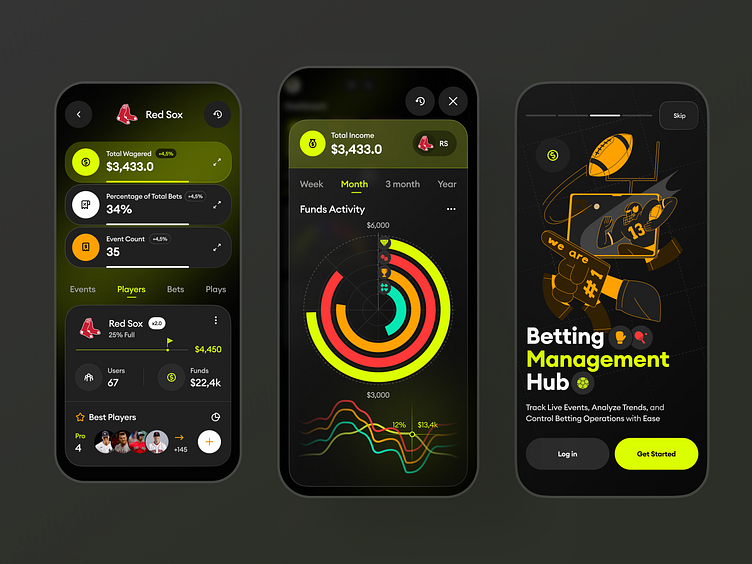
Predictable User Paths in Casino Navigation

In modern casino platforms, whether physical or digital, predictable user paths play a crucial role in shaping user experience and influencing engagement. Understanding the natural tendencies of players allows designers and operators to craft environments that guide behavior while maintaining a sense of freedom and excitement. In the digital realm, particularly within online casinos, navigation patterns often mirror those found in brick-and-mortar venues, albeit with additional layers of analytics and behavioral tracking that enable a more granular understanding of player movement.

Players tend to exhibit predictable behaviors when faced with repetitive choices or familiar environments. For instance, the placement of popular games in prominent positions on a homepage, or near entrances in a physical casino, naturally draws attention. This pattern leverages human cognitive biases, including the familiarity heuristic, where individuals are more likely to engage with options they recognize or perceive as socially validated. By strategically arranging high-interest games along anticipated navigation routes, operators can maximize interaction rates without overtly limiting choice, ensuring that players encounter the offerings most likely to appeal to them in a seamless manner.

Data-driven insights further enhance the predictability of user paths. By analyzing clickstream data, session durations, and user interactions with various interface elements, designers can identify which sequences of actions are most common. For example, new players often begin by exploring easily understandable games, such as slot machines, before branching into table games that require more skill or strategy. Recognizing these patterns allows for the creation of tailored navigation flows that reduce friction and guide users intuitively from one experience to another. Predictable paths are not merely about convenience—they are a psychological scaffold that reduces cognitive load and supports sustained engagement.

The architecture of online casino interfaces often employs a hierarchical structure, where navigation is guided by a combination of visual cues, menu placement, and contextual prompts. Primary games or features are typically accessible within one or two clicks, minimizing the effort required for discovery. Secondary elements, such as promotions, leaderboards, or community features, are strategically positioned along likely user paths, ensuring visibility without overwhelming the player. This deliberate design approach creates a balance between guidance and exploration, allowing players to feel autonomous while subtly encouraging interaction with key revenue-driving components.

Predictability also extends to behavioral sequences within gameplay itself. For instance, a player engaging with a slot game may follow a sequence that includes adjusting bet size, spinning, evaluating outcomes, and exploring bonus features. By studying these micro-paths, platforms can optimize the placement of interface elements such as autoplay buttons, bet sliders, and reward notifications. Enhancing these elements along expected sequences ensures that users can engage effortlessly, maintaining immersion and reducing the likelihood of frustration or abandonment.

In physical casinos, environmental cues perform a similar function. Strategic lighting, pathway design, and the placement of high-value machines create a flow that naturally guides patrons through the space. Casinos often utilize subtle psychological principles, such as the deliberate absence of clocks or windows, to encourage extended play. The predictability of movement in such spaces is augmented by social cues, like clusters of players around popular tables, signaling areas of interest and influencing subsequent behavior. While these methods differ in medium, the underlying objective mirrors that of digital environments: to facilitate intuitive navigation and maximize engagement through structured, yet unobtrusive, guidance.

Predictable paths also enhance the efficiency of marketing interventions. Targeted promotions, personalized offers, and incentive structures are more effective when aligned with known user sequences. For instance, a player who frequently explores progressive jackpot slots may be presented with notifications about upcoming jackpot events at points where engagement is naturally high. This alignment ensures that communications feel contextually relevant rather than disruptive, increasing the likelihood of positive reception and participation. By integrating behavioral analytics with interface design, casinos can craft experiences that are both responsive and anticipatory, reinforcing habitual engagement without compromising user autonomy.

Moreover, predictability supports accessibility and user comfort. New players, who may be unfamiliar with complex gaming environments, benefit from structured paths that reduce confusion and decision fatigue. Clearly defined navigation routes, consistent interface patterns, and intuitive categorization of games help users orient themselves quickly, creating an environment that feels welcoming and manageable. For experienced players, predictable paths provide efficiency and reliability, allowing them to reach preferred games and features rapidly. This dual benefit reinforces overall satisfaction and encourages repeated interaction, which is critical in highly competitive markets.

Designing for predictable user paths also involves the careful consideration of cognitive load. Interfaces that anticipate user behavior can preemptively reduce unnecessary choices, streamline transitions, and highlight relevant options. For instance, dynamically adjusting game recommendations based on prior interactions or popular trends within a user’s cohort can simplify decision-making. This approach leverages both predictive analytics and human-centered design principles to craft experiences that feel natural and intuitive, minimizing friction while enhancing engagement.

Finally, predictable navigation paths facilitate trust and confidence in the platform. When users can anticipate how to access desired features, understand the flow of interactions, and predict the outcomes of interface elements, they are more likely to engage deeply and return frequently. Unpredictable or confusing layouts, by contrast, can induce anxiety, reduce playtime, and diminish overall satisfaction. By emphasizing consistency, clarity, and intuitive guidance, casino platforms—both digital and physical—create environments where users feel in control, supported, and motivated to explore.

In conclusion, predictable user paths are foundational to effective casino design. They integrate behavioral insights, cognitive principles, and interface strategies to guide players naturally while preserving the sense of choice and autonomy that underpins engagement. From initial navigation through complex game offerings to micro-level interactions within individual games, anticipating user behavior allows operators to optimize experiences, enhance satisfaction, and encourage sustained interaction. By balancing predictability with exploration, casinos create environments that are not only efficient and profitable but also psychologically satisfying and accessible, ensuring that users feel confident and comfortable throughout their gaming journey.

Interface Tempo Consistency in Casino Platforms

Maintaining a consistent interface tempo in casino platforms is essential for fostering an immersive and engaging player experience. The rhythm of interaction, feedback timing, and the pacing of animations all play a critical role in how users perceive the flow of the platform. Players often judge the quality of a digital casino not only by the variety of games or the size of jackpots but by the seamlessness of interactions that align with their cognitive expectations. When the interface tempo is uneven, it can disrupt attention, create confusion, and even lead to disengagement. Consistency in response times, loading sequences, and interactive cues communicates stability and reliability, which are crucial in environments where trust is paramount.

One of the primary considerations in interface tempo is the speed at which the system reacts to player inputs. Instantaneous responses to button clicks or swipe gestures create a sense of control and empowerment. Delays, even minor ones, can be interpreted as system lag, which may lead players to question the platform’s performance or fairness. Therefore, developers must calibrate backend processes, animation durations, and network requests to maintain a steady tempo. This extends beyond mere technical efficiency; it also involves psychological timing, where the perceived duration of feedback must match player expectations. For instance, a spin on a slot machine must not feel abrupt, nor should it drag excessively. Both extremes can disrupt engagement and reduce satisfaction.

Visual and auditory cues are equally important in establishing a consistent tempo. Animation sequences for spinning reels, card flips, or dice rolls provide a temporal framework that guides player anticipation. If these animations vary unpredictably in speed or duration, the platform risks disorienting users. Audio feedback, such as chimes, clicks, or celebratory sounds, reinforces this rhythm, providing subconscious signals that complement visual motion. Synchronizing sound effects with animations creates a coherent sensory experience that subtly informs the player about the passage of time within the game. This harmony between senses contributes to a sense of flow, where actions, reactions, and outcomes feel intuitive and immediate.

Beyond individual games, interface tempo consistency must extend to the broader platform experience. Loading screens, menu transitions, and pop-up windows should maintain a predictable pace that aligns with the rest of the environment. Abrupt changes in speed or erratic transitions can jar players, breaking immersion and reducing overall satisfaction. Designing with tempo in mind requires a thorough understanding of both micro-level interactions and macro-level navigation. Designers must consider how the duration of a reward animation, the time it takes to switch between games, and the latency of real-time multiplayer interactions collectively shape the player’s temporal perception of the platform.

User behavior analysis plays a critical role in fine-tuning interface tempo. By tracking interaction patterns, dwell times, and drop-off points, designers can identify where inconsistencies may be causing friction. For example, if players frequently abandon games during specific transitions or wait periods, it may indicate that the perceived tempo is misaligned with user expectations. Iterative testing and refinement, guided by empirical data, allow developers to adjust timing parameters, animation sequences, and system responses to achieve an optimal rhythm. This user-centered approach ensures that tempo is not an abstract design principle but a measurable factor contributing to engagement and retention.

Mobile and cross-platform considerations add another layer of complexity. Network variability, device performance, and screen refresh rates can all influence the perceived tempo of interactions. Adaptive systems that account for these factors, adjusting animation speed and feedback timing based on device capabilities, help maintain consistency across a heterogeneous user base. This ensures that players on slower connections or less powerful devices do not experience jarring delays or stuttered animations, which can compromise the perceived professionalism of the platform. Consistency must be inclusive, extending the same quality of experience to all players regardless of technical constraints.

The psychology behind interface tempo also intersects with reward structures and engagement mechanics. Casinos rely on intermittent reinforcement, using unpredictable wins to sustain interest. However, the tempo of wins, bonus triggers, and visual confirmations must still adhere to a consistent rhythm to avoid creating cognitive dissonance. A rapid succession of minor wins followed by delayed major outcomes can feel chaotic unless carefully timed and signaled. By embedding tempo awareness into reward mechanics, platforms can balance excitement with predictability, enhancing both enjoyment and trust. The temporal flow of rewards becomes a tool for emotional modulation, guiding excitement peaks and recovery periods in a way that supports longer play sessions without inducing frustration.

Designing for tempo consistency requires collaboration across multiple disciplines. User experience designers, interface engineers, sound designers, and game psychologists must coordinate to create a unified temporal strategy. Every element—from the delay between a tap and a visual response to the pacing of narrative elements in themed games—contributes to the overall tempo signature of the platform. Documentation of timing standards, animation libraries, and response benchmarks ensures that new features integrate seamlessly without disrupting established rhythms. This systematic approach prevents ad-hoc development practices that often introduce temporal inconsistencies, preserving the integrity of the player experience over time.

Finally, interface tempo consistency is not merely a technical concern; it is a cornerstone of user trust and platform reputation. Players interpret smooth, predictable interactions as a reflection of platform reliability and fairness. In contrast, erratic timing can trigger skepticism, particularly in high-stakes environments where outcomes have real-world consequences. By maintaining consistent tempo, platforms signal professionalism, reinforce behavioral expectations, and foster long-term engagement. The subtle orchestration of speed, feedback, and animation ultimately shapes the player’s subjective experience, making tempo consistency a vital component of any successful casino platform design strategy.

The interplay of timing, feedback, and rhythm forms an invisible scaffolding upon which the entire user experience rests. By prioritizing this aspect, casino platforms can enhance immersion, sustain engagement, and cultivate trust, transforming temporal consistency from a technical requirement into a strategic advantage in a competitive digital entertainment landscape.

Instruction Visibility Balance in Slot UX

In modern slot game design, one of the most subtle yet impactful elements is the visibility of instructions and guidance throughout the user experience. Players enter a slot environment with varying levels of familiarity, from seasoned gamblers to casual users who may have never interacted with a digital slot before. Balancing the visibility of instructions without overwhelming or distracting the player is essential to maintaining engagement and ensuring a sense of confidence and control. The challenge lies in presenting enough information for clarity without breaking immersion or reducing the sense of autonomy that players expect when interacting with a game.

Instruction visibility encompasses multiple layers, from basic operational guidance—such as how to spin the reels, adjust bet sizes, or trigger bonus features—to more nuanced prompts like explaining paylines, multipliers, or special symbol interactions. Slot designers must consider the context in which instructions are presented, recognizing that too much visible guidance can feel patronizing or cluttered, whereas too little may lead to confusion, frustration, or disengagement. Effective instruction visibility relies on a careful calibration of what information is immediately available, what can be revealed on demand, and how contextual cues guide the player organically through the gameplay experience.

One core strategy is progressive disclosure, where basic operational instructions are clearly visible, while more complex or optional guidance is accessible but not intrusive. For instance, a spin button may have a small, unobtrusive icon or tooltip that, when hovered over or tapped, reveals additional information about advanced betting options or feature mechanics. This approach ensures that players who are comfortable with basic operations can proceed unhindered, while those who require guidance can access it seamlessly. By layering information in this way, the interface respects the player’s attention and cognitive load, offering clarity without clutter.

Another critical aspect is the timing of instructional visibility. Players are most receptive to guidance when it aligns with their immediate actions. Introducing explanations just as a player encounters a new feature or an unfamiliar symbol can enhance comprehension and satisfaction. Conversely, displaying instructions at inappropriate moments, such as interrupting the flow of a reel spin or appearing over animation sequences, can be distracting and diminish the emotional impact of wins and losses. Designers often utilize subtle visual cues, animation delays, or gentle highlighting techniques to synchronize instructional prompts with the player’s natural focus of attention, creating a cohesive and intuitive experience.

Contextual adaptability is also essential in instruction visibility. A dynamic slot interface can adjust the prominence of instructions based on the player’s behavior and experience level. For example, a new player may initially see more prominent guidance, while an experienced user may have these cues minimized or replaced by optional, on-demand explanations. This adaptability can extend to personalized tooltips, help overlays, or interactive tutorials that respond to user input, ensuring that instructional content feels relevant rather than generic. By catering to different levels of familiarity, the interface promotes a sense of mastery and encourages longer engagement.

Visual design principles play a significant role in balancing instruction visibility. Typography, color contrast, and iconography all contribute to the legibility and intuitive comprehension of instructional content. Designers often employ minimalistic and context-sensitive designs that integrate instructions into the overall aesthetic of the slot game. Subtle animations or highlight effects can draw attention to instructional elements without overshadowing the core gameplay. Additionally, consistent placement and predictable behavior of instructional cues help establish patterns that players can quickly recognize, reducing the need for repetitive explanations and fostering a smoother interaction rhythm.

Instructional hierarchy is another essential consideration. Not all instructions carry the same importance at all times, and prioritizing the display of critical operational guidance ensures that players can act decisively and confidently. Core actions, like spinning the reels or adjusting bet sizes, should be immediately clear, while secondary information—such as odds explanations, feature combinations, or potential payouts—can be accessible but not dominate the screen. Effective hierarchy leverages proximity, grouping, and layering techniques to distinguish primary and secondary guidance, allowing players to navigate complex slot mechanics with minimal cognitive friction.

Feedback mechanisms further enhance the effectiveness of instruction visibility. Real-time responses to player actions, such as highlighting the selected paylines, indicating active bonuses, or visually confirming bet adjustments, serve as instructional reinforcement. By linking guidance to immediate, observable outcomes, players gain a stronger understanding of the game mechanics, reinforcing learning through experience rather than relying solely on static explanations. This approach also reduces the risk of misinterpretation, building trust and encouraging exploration of the slot’s features.

Accessibility considerations cannot be overlooked. Instruction visibility should account for players with diverse visual, cognitive, or motor abilities. Scalable text, clear iconography, high-contrast elements, and optional audio cues ensure that instructional content is inclusive and usable across different contexts and devices. By embedding accessibility into the design of instructional visibility, slot developers not only comply with ethical and regulatory standards but also expand their potential audience and enhance user satisfaction universally.

Finally, instruction visibility must be evaluated iteratively. User testing, behavioral analytics, and engagement tracking provide insights into how players interact with guidance elements. Observing which instructions are accessed frequently, which are ignored, or which may be causing confusion allows designers to refine the balance of visibility continually. Iterative improvements help create an interface that feels intuitive and responsive, aligning instructional delivery with actual player needs rather than assumptions.

In conclusion, instruction visibility balance is a nuanced and multi-dimensional aspect of slot UX design. By integrating progressive disclosure, contextual adaptability, thoughtful timing, visual hierarchy, feedback reinforcement, accessibility, and iterative evaluation, designers can craft an experience that educates without intruding, supports exploration without overwhelming, and fosters both confidence and enjoyment. The ultimate goal is an interface where instructions feel natural and unobtrusive, allowing players to focus on the thrill and satisfaction of gameplay while knowing guidance is always available when needed. Through careful attention to these principles, slot experiences can achieve a harmony between clarity and immersion, enhancing engagement and satisfaction across a diverse player base.

Casino Digital Confidence Through Design Systems

In the rapidly evolving digital casino landscape, design systems play a pivotal role in cultivating user confidence and establishing a seamless experience. The essence of trust in a digital environment is often invisible yet profoundly impactful. Players do not interact with the physical mechanisms behind games; instead, they navigate interfaces, absorb visual cues, and respond to consistent behavioral patterns embedded within the platform. A coherent design system ensures that every interaction reinforces a sense of reliability, signaling to users that the platform operates under a structured and predictable framework.

Central to building confidence is the principle of consistency. Users develop mental models based on repeated exposure to interface elements, navigation patterns, and gameplay mechanics. When buttons, menus, and interactive elements behave predictably, the mind subconsciously categorizes the experience as stable and trustworthy. A well-designed system integrates typography, color palettes, iconography, and layout grids, creating an environment where visual harmony supports functional clarity. This alignment reduces cognitive load, allowing players to focus on gameplay rather than deciphering the interface, which strengthens their perception of the platform’s competence.

Beyond aesthetics, micro-interactions and feedback loops are critical. Each spin of a slot, click on a betting option, or engagement with bonus features should deliver immediate, intuitive feedback. Animations, transitions, and subtle sound cues reinforce the cause-and-effect relationships that users expect. When the platform responds in a coherent manner to user actions, confidence grows, as players feel in control of their decisions. Conversely, inconsistent feedback or delayed responses can create doubt and frustration, undermining trust and potentially leading to disengagement.

Transparency in game mechanics and payout structures is another cornerstone. Digital casinos often incorporate elements of randomness, but players’ perception of fairness hinges on clear communication. Design systems can visually represent probabilities, payout rates, or bonus triggers in a manner that is informative yet unobtrusive. Infographics, progress indicators, or interactive tutorials educate users while maintaining immersion. By making underlying mechanics perceivable without overwhelming the user, the system instills a sense of integrity, signaling that the platform prioritizes fairness alongside entertainment.

Navigation and information architecture further influence confidence. A design system should organize content logically, allowing users to access essential functions effortlessly. Menu hierarchies, search functionalities, and contextual help need to be intuitive, minimizing uncertainty about where to find features or interpret results. Consistent labeling, grouping related actions, and predictive pathways enhance clarity. When users can anticipate the flow of actions and outcomes, their comfort level rises, reinforcing a psychological sense of safety that is essential in environments where real financial stakes are involved.

Personalization, when applied judiciously, also enhances trust. Design systems that adapt visual cues, gameplay recommendations, or notifications based on user behavior create a tailored experience that signals attentiveness. However, personalization must respect boundaries; overt manipulation or intrusive tracking can erode confidence. Systems that prioritize transparent customization—allowing players to opt-in or adjust preferences—demonstrate respect for user autonomy, which translates into stronger long-term trust.

Accessibility considerations are increasingly integral to digital casino design. Inclusive systems ensure that players with diverse abilities can navigate, understand, and interact with games effectively. Color contrast, font scaling, keyboard navigation, and screen reader compatibility are not merely regulatory necessities; they communicate attentiveness and care, reinforcing confidence among users who might otherwise feel marginalized. A design system that embeds accessibility as a standard component signals commitment to equitable experiences, which bolsters credibility and reputation.

Performance and reliability underpin all visual and interactive elements. Even the most refined design system cannot compensate for lag, glitches, or errors in execution. Therefore, design principles often include specifications for responsive layouts, load-time optimization, and graceful degradation under varying network conditions. By integrating these technical considerations into the design framework, platforms ensure that the user experience remains consistent across devices and contexts. Reliability becomes visible through smooth interactions and uninterrupted play, reinforcing the implicit message that the platform is professionally managed.

Another subtle yet powerful aspect of confidence-building lies in error handling and recovery. When players encounter mistakes—whether in bet placements, account actions, or system responses—the design system should provide clear explanations and actionable solutions. Feedback should be empathetic, guiding users back to a correct state without blame or ambiguity. Thoughtful error design not only prevents frustration but also demonstrates accountability, which is fundamental in environments where trust directly affects user retention and satisfaction.

Moreover, iterative testing and data-informed refinements are intrinsic to design systems that foster confidence. Platforms must monitor how users interact with interface elements, identifying friction points or misalignments between expectation and experience. User feedback loops, A/B testing, and analytics allow designers to continuously optimize the system, ensuring that visual and behavioral consistency is maintained even as new features are introduced. This adaptability signals that the platform is responsive and attuned to user needs, further reinforcing credibility.

Finally, a comprehensive design system encapsulates both functional and emotional dimensions. Beyond enabling efficient interactions, it shapes perception, mood, and engagement. Through balanced use of visual hierarchy, motion, and color psychology, platforms can subtly influence comfort, excitement, and perceived safety. Every visual cue and interaction is an opportunity to affirm the platform’s reliability, making design not merely an aesthetic endeavor but a strategic tool for cultivating digital trust.

In summary, confidence in digital casinos emerges from the seamless integration of consistency, feedback, transparency, navigation, personalization, accessibility, performance, error management, and iterative refinement. A robust design system acts as the backbone, harmonizing these elements into a coherent experience that communicates stability, fairness, and respect for the user. As the industry continues to expand and evolve, platforms that embed these principles into their design DNA will not only enhance user satisfaction but also solidify long-term loyalty, demonstrating that confidence is as much a product of thoughtful design as it is of underlying technology.

Continuity Mapping in Slot Session Architecture

In designing slot games for modern digital platforms, one of the most critical considerations is the seamless continuity of the player experience. Continuity mapping in slot session architecture is a method that ensures the player’s journey from one moment of interaction to the next is coherent, smooth, and psychologically satisfying. It is a framework that underpins how gameplay, rewards, feedback, and navigation are structured to maintain immersion without causing abrupt disruptions or cognitive friction. At its core, continuity mapping is less about technical implementation and more about understanding the flow of attention and engagement from the user’s perspective.

A fundamental aspect of continuity mapping is session segmentation. Slot sessions are rarely uniform; they consist of micro-interactions, spins, bonus rounds, and pauses that create natural breaks in engagement. Proper mapping identifies these segments and ensures transitions between them are intuitive. For example, when a player moves from a base game to a bonus feature, the interface should provide cues that orient the player, such as animations, visual highlights, or contextual messaging. This approach prevents disorientation and maintains the sense of progression, making the player feel in control even in high-speed, automated gameplay environments.

Another critical component is temporal consistency. Players subconsciously monitor the rhythm of the game, including the timing of spins, reward animations, and sound cues. Continuity mapping considers these temporal factors by calibrating intervals and feedback loops so that the player’s expectations are met without causing fatigue or frustration. If a slot game accelerates spins abruptly or introduces overly long pauses between outcomes, it can break the player’s cognitive engagement and disrupt the perception of fairness and responsiveness. Maintaining a steady, predictable cadence in session design contributes significantly to overall satisfaction.

Reward structuring is intricately tied to continuity. Continuity mapping requires that the presentation of rewards—whether in the form of coin wins, free spins, or bonus features—is consistent in both visual and psychological language. Rewards should be noticeable enough to satisfy the player’s anticipation but not so jarring as to interrupt the flow of gameplay. Strategic placement of micro-rewards, combined with larger milestone rewards, creates a layered reinforcement system that encourages continued engagement while maintaining narrative coherence across the session. This layering also supports behavioral conditioning, reinforcing the connection between player actions and outcomes.

Navigation and interface stability are also integral to continuity mapping. In a digital slot environment, players often have multiple menus, settings, and options available. Ensuring that transitions between these interface elements do not interfere with the main gameplay loop is crucial. Continuity mapping emphasizes minimizing unnecessary interruptions, keeping interactive elements in familiar positions, and using visual hierarchies that guide attention without demanding excessive cognitive load. The goal is to create an environment where players intuitively know what to do next, reducing friction and maintaining focus on the game itself.

Adaptive session dynamics are another important consideration. Continuity mapping often incorporates real-time adjustments based on player behavior, such as modifying spin speed, reward frequency, or bonus triggers to match engagement levels. By monitoring patterns of attention, frustration, or excitement, the game can dynamically balance pacing to prevent abrupt drops in engagement. This approach not only enhances user satisfaction but also supports longer session durations and more consistent play patterns, benefiting both the player experience and platform performance.

Psychological continuity extends beyond individual sessions to the overall platform experience. Players often form expectations based on prior interactions, such as consistent visual themes, reward logic, or soundscapes. Continuity mapping considers this longitudinal consistency by ensuring that each new session feels like a natural extension of previous experiences. For instance, if a player is accustomed to certain audio cues signaling high-value wins, maintaining similar cues across different slot titles reinforces familiarity and reduces cognitive load. Consistency in these elements creates a sense of platform reliability and strengthens user trust.

Error handling and interruption management are often overlooked but are essential to maintaining continuity. Unexpected disruptions—such as network latency, app crashes, or incorrect balance updates—can severely impact perceived continuity. A well-mapped slot session architecture anticipates these issues, providing graceful fallbacks, clear messaging, and session state preservation to ensure that players can resume their experience without confusion or loss of progress. Even minor disruptions, if poorly managed, can erode trust and interrupt the psychological flow that continuity mapping seeks to preserve.

Incorporating analytics into continuity mapping is vital for ongoing optimization. By tracking metrics such as spin frequency, bonus activation timing, session length, and dropout points, designers can identify where continuity is breaking down and apply targeted interventions. These insights inform decisions on pacing, interface adjustments, and reward calibration, creating a feedback loop that continuously refines the session experience. The integration of data-driven analysis ensures that continuity is not only designed initially but maintained and improved over time.

Ultimately, continuity mapping in slot session architecture is about respecting the cognitive and emotional flow of the player. It harmonizes timing, reward presentation, interface navigation, and adaptive mechanics to create a cohesive journey. This holistic approach ensures that players feel a sense of control, satisfaction, and immersion, which in turn encourages loyalty and repeat engagement. By focusing on the seamless integration of session elements, designers can craft slot experiences that are not only entertaining but psychologically resonant, balancing excitement with clarity and immersion with comprehension.

This methodology also emphasizes the long-term value of user experience. Rather than prioritizing immediate gratification or maximizing short-term bets, continuity mapping encourages thoughtful design that nurtures player satisfaction over multiple sessions. It aligns gameplay mechanics with psychological principles, interface logic, and behavioral reinforcement strategies, forming a robust architecture that supports sustainable engagement. By integrating continuity at every stage—from temporal pacing to interface transitions and reward systems—slot designers create experiences that are fluid, intuitive, and enduring, setting a standard for excellence in digital gambling environments.

In conclusion, continuity mapping serves as the backbone of slot session architecture, ensuring that every aspect of the game contributes to a coherent, engaging, and psychologically satisfying player journey. By addressing session segmentation, temporal consistency, reward layering, interface stability, adaptive dynamics, longitudinal familiarity, error handling, and data-driven optimization, designers create a seamless experience that maintains immersion, reinforces trust, and enhances overall satisfaction. The result is a slot environment where the player’s attention flows naturally, engagement remains high, and the overall session experience feels cohesive and rewarding, exemplifying the strategic integration of design, psychology, and technology.

Input Response Consistency in Slot Gameplay

Input response consistency in slot gameplay is a subtle yet crucial element that often goes unnoticed by players but fundamentally shapes the entire gaming experience. At its core, input response consistency refers to the predictability and reliability of how a slot machine reacts to player actions, whether it is pressing the spin button, adjusting bet levels, activating paylines, or engaging bonus features. This consistency fosters a sense of control and trust, which, in turn, reinforces engagement and satisfaction. Even in games of chance, where outcomes are ultimately random, the player’s perception of control through consistent input responses significantly enhances the overall experience.

One key aspect of maintaining input response consistency is timing. Players expect that when they press a button, the action will be registered immediately and produce a corresponding visual and auditory reaction without delay. Latency, jitter, or unregistered inputs can break immersion and provoke frustration. A slight delay in response, especially in rapid-play sessions or when using touch-screen devices, can feel as if the game is unresponsive or unfair. Developers therefore invest considerable effort in synchronizing input signals with the game engine and visual feedback. This includes optimizing rendering pipelines, fine-tuning input polling rates, and managing concurrency between multiple simultaneous actions, such as increasing the bet while the reels are spinning.

Another essential element is feedback clarity. Every action taken by the player must generate an immediate and intelligible response. For instance, when a player selects a different coin size or toggles a bet line, the change should be visually obvious, often reinforced with sound cues. The absence of clear feedback can make players second-guess whether their input was accepted, reducing confidence and potentially discouraging continued play. Moreover, consistent feedback helps in guiding players’ behavior subtly, teaching them the rules and encouraging strategies, even in a primarily chance-based environment. This educational layer is vital for keeping newcomers engaged while supporting experienced players in maximizing their entertainment value.

Input response consistency also extends to fairness perception. While slot outcomes are determined by random number generators, players intuitively link their actions to outcomes. If the game occasionally ignores inputs or behaves inconsistently, it can lead to a perception of manipulation, reducing trust in the platform. Maintaining uniform behavior across different machines, devices, or sessions reinforces confidence that the game is operating under the same rules every time. For online slots, this requires rigorous quality assurance across various browsers, operating systems, and network conditions to ensure the same reliable interaction regardless of technical context.

Predictability in input response contributes to flow and immersion. When a game responds as expected, players can focus on the entertainment and excitement of the spin rather than dealing with mechanical uncertainty. Flow in slot gameplay is characterized by a seamless sequence of actions and outcomes, where the player’s cognitive load is devoted to anticipation and engagement rather than interpreting inconsistencies. When input consistency falters, the rhythm is broken, and frustration or disengagement can set in. Therefore, successful slot design carefully maps every input to predictable outcomes, even for complex actions like activating multipliers, free spins, or interactive bonus rounds.

Accessibility considerations further highlight the importance of consistent input response. Players with motor impairments, limited dexterity, or using alternative input devices rely heavily on predictable game behavior. Consistency ensures that they can interact with the game without undue strain or repeated attempts, promoting inclusivity. This has become increasingly relevant as developers design for mobile platforms, where touch interactions, haptic feedback, and gesture controls introduce new variability. Calibrating these systems to maintain reliable response across devices is critical to delivering a universally satisfying experience.

Consistency also underpins emotional regulation during gameplay. Slot sessions are inherently designed to elicit excitement, anticipation, and sometimes disappointment. If the game responds erratically, it amplifies negative emotions such as frustration or confusion, undermining the pleasure of wins and the patience required during losses. On the other hand, a consistent response pattern helps players modulate their emotional reactions, creating a smoother, more enjoyable gaming rhythm. This reliability can subtly encourage longer play sessions, not through manipulative means but by providing a coherent and satisfying user experience.

From a technical perspective, achieving input response consistency involves both hardware and software considerations. On the software side, robust event handling, state management, and error recovery mechanisms ensure that every user action is captured and translated into predictable behavior. On the hardware side, input devices, processors, and network latency must be optimized to avoid disruptions. Developers often employ redundant checks and calibration routines, particularly in online slots, to maintain uniform behavior across diverse technical environments.

Consistency in input response is also closely tied to perceived skill and mastery. While slot outcomes are random, players often feel more competent when the machine reliably executes their intended actions. This perceived mastery reinforces engagement and satisfaction. For example, knowing that activating a bonus round or adjusting a bet will always respond immediately allows players to strategize their session pacing and betting patterns, adding an element of self-directed control. The combination of predictability, responsiveness, and feedback clarity fosters a sense of competence and trust, essential psychological drivers for continued play.

In summary, input response consistency in slot gameplay is a fundamental aspect of user experience that encompasses timing, feedback clarity, fairness perception, accessibility, emotional regulation, and perceived mastery. By ensuring that every action a player takes is reliably and predictably acknowledged, developers create an environment where trust and enjoyment flourish. Even in games dictated by randomness, this reliability creates the impression of control and fairness, amplifying player satisfaction and engagement. The nuanced interplay between technical precision and psychological perception makes consistent input response not just a mechanical requirement, but a core principle in crafting enduring, enjoyable slot experiences. Maintaining this consistency across devices, platforms, and session contexts is a subtle art that directly influences user loyalty, perceived fairness, and overall game success.

Audio Spacing Techniques in Slot Sound Design

In slot sound design, audio spacing techniques play a crucial role in shaping player experience, subtly guiding attention while maintaining engagement without causing sensory overload. Every auditory element, from the primary spin sounds to background ambience, must be carefully positioned in time and frequency to ensure clarity and emotional resonance. Effective spacing allows players to process audio cues, recognize patterns, and react appropriately, which is essential for maintaining a seamless connection between gameplay mechanics and user perception. By structuring audio with deliberate spacing, designers can create a rhythm that feels natural and satisfying, reinforcing actions and outcomes without becoming intrusive.

One of the fundamental concepts in audio spacing is temporal separation. Slot games involve a rapid sequence of events: spinning reels, symbol alignments, bonus triggers, and payout animations. Each of these moments has an associated sound, and if these sounds occur too closely together, they can merge into a chaotic wall of noise, making it difficult for players to discern meaningful cues. Temporal spacing ensures that each auditory event has its own moment to register in the player’s mind, enhancing clarity and reinforcing cause-and-effect relationships. For instance, the sound of a reel spinning should be distinguishable from the celebratory sound of a win, even if they occur within seconds of each other. Designers often employ micro-pauses or staggered layering to give each sound a defined presence, creating a more intelligible and enjoyable experience.

Frequency separation is another vital element. Different sounds occupy different ranges of the audio spectrum, and careful frequency allocation prevents masking, where one sound overwhelms another. Low-frequency sounds, such as the thump of a reel stopping, can convey weight and anticipation, while high-frequency chimes indicate success or bonus activations. By allocating specific frequency bands to particular sound types, designers create an audio hierarchy, allowing important cues to stand out while supporting sounds add texture without interference. Layering in this manner also contributes to a richer, more immersive soundscape, giving players a sense of depth and space in the virtual environment.

Dynamic range management complements temporal and frequency spacing. The dynamic range, which measures the difference between the softest and loudest elements, must be carefully controlled to avoid startling players or masking subtle cues. A balanced dynamic range ensures that minor auditory details, like the slight rustle of symbols aligning or subtle background motifs, are audible without competing with louder, more dramatic sounds, such as jackpot celebrations. Designers often use compression selectively to maintain clarity, particularly during high-intensity sequences where multiple sounds occur simultaneously. This approach preserves the emotional impact of peak moments while retaining the nuanced details that enrich overall engagement.

Panning and stereo imaging further enhance spatial clarity. By positioning sounds within a stereo field, designers create an auditory landscape that feels natural and navigable. For example, symbols moving from left to right can have corresponding audio panning to reinforce movement, creating a sense of directionality and spatial awareness. Background ambience can occupy the peripheral stereo field, providing depth and continuity without clashing with primary interactive sounds. This spatial distribution prevents auditory congestion and allows players to intuitively locate events, supporting both engagement and comprehension.

Temporal modulation techniques, such as rhythmic repetition and syncopation, also play a significant role. By introducing subtle patterns in sound timing, designers can create a sense of momentum and anticipation. The rhythm of spins, minor wins, and bonus activations can be synchronized with visual cues, reinforcing the feedback loop between action and reward. Careful modulation avoids monotony while maintaining coherence, allowing players to anticipate outcomes without being overwhelmed. It also enables the design of signature audio motifs that become strongly associated with positive reinforcement, enhancing memorability and emotional attachment to the game.

Consideration of cognitive load is essential in audio spacing. Players process visual, auditory, and interactive information simultaneously, and poorly spaced audio can lead to cognitive overload, reducing enjoyment and perceived fairness. Strategic placement of audio cues supports selective attention, guiding players toward relevant outcomes and maintaining immersion. For example, subtle pauses before a high-value symbol lands can heighten anticipation, while staggered chimes for multiple line wins prevent confusion. The interplay between predictability and surprise in audio timing can significantly influence player satisfaction, reinforcing engagement while avoiding fatigue.

Adaptive audio techniques have become increasingly important in modern slot design. By dynamically adjusting spacing based on game state, designers can tailor auditory feedback to the context. During high-intensity bonus rounds, sounds may be more frequent and prominent, while regular spins benefit from subtler spacing to prevent sensory fatigue. This adaptability ensures that players receive appropriate levels of stimulation throughout the session, supporting both retention and enjoyment. Volume automation, filter modulation, and selective layering are common strategies that allow sounds to evolve organically, maintaining excitement while respecting cognitive and sensory limits.

Finally, the integration of thematic and narrative considerations into audio spacing enhances immersion. Sounds are not merely functional cues but also contribute to storytelling and atmosphere. Proper spacing ensures that narrative elements, such as character voices or environmental effects, do not conflict with gameplay feedback. For instance, a mystical forest theme might include distant bird calls and rustling leaves spaced between reel spins, creating a sense of space and context. This layering enriches the game world, making it more believable and emotionally engaging, while preserving the clarity of essential gameplay sounds.

In conclusion, audio spacing techniques in slot sound design encompass temporal separation, frequency allocation, dynamic range management, stereo imaging, rhythmic modulation, cognitive load management, adaptive responsiveness, and thematic integration. By thoughtfully orchestrating when, where, and how sounds occur, designers create an auditory environment that is clear, engaging, and emotionally resonant. Properly spaced audio reinforces player understanding, heightens anticipation, and strengthens the feedback loop between action and reward, ultimately enhancing both satisfaction and immersion in slot experiences. Mastery of these techniques allows slot games to communicate effectively, delight the senses, and sustain player engagement over prolonged interactions, demonstrating that sound is not just a complement to visuals but a core driver of gameplay experience.

Motion Economy Guidelines for Slot Interfaces

Slot interfaces are at the intersection of player engagement, cognitive efficiency, and behavioral predictability. In contemporary digital gambling, motion economy—the principle of minimizing unnecessary movements while maximizing task efficiency—is essential for creating interfaces that not only appeal visually but also enhance the user experience. When players interact with slot games, their attention is constantly guided by animations, visual cues, and feedback mechanisms. Every movement, spin, or button press represents a microinteraction that either contributes to or detracts from the overall experience. Motion economy guidelines aim to reduce redundant or distracting motions while ensuring that essential actions are intuitive, satisfying, and seamlessly integrated into the gameplay flow.

First, motion should support clarity. In slot interfaces, visual transitions, such as reels spinning or symbols appearing, must communicate outcomes clearly and unambiguously. Complex animations that do not add informational value can overwhelm the player and increase cognitive load. For example, spinning reels should have smooth acceleration and deceleration patterns, signaling when a spin starts, peaks, and concludes. These transitions guide the player’s visual attention and help them interpret results without confusion. Visual exaggerations should be reserved for critical outcomes, like big wins or bonus triggers, to avoid desensitization from constant, unnecessary flair.

Second, controls should be optimized for minimal effort. Buttons for spinning, betting adjustments, and auto-play functions should be placed within natural reach zones, reducing the distance the player’s cursor or finger must travel. Consistent placement across games reinforces muscle memory and reduces the need for conscious searching. Additionally, interactive elements can utilize subtle feedback, such as color changes or micro-vibrations, to confirm actions instantly without requiring the player to divert attention away from the main game area. The overarching goal is to align interface responsiveness with the expectations of the player, allowing them to act efficiently while maintaining focus on the core experience of spinning reels and tracking outcomes.

Third, animations must be purposeful and timed effectively. Motion economy emphasizes reducing excessive duration and unnecessary repetition. Long or looping animations, particularly for outcomes that do not involve significant player reward, can lead to fatigue and decreased engagement. Instead, motion should be scaled to importance: minor wins may trigger brief, simple effects, while jackpots or rare events can be highlighted with more elaborate sequences. The timing of these animations also plays a crucial role in pacing. Rapid sequences maintain engagement and excitement, while overly long pauses between actions can disrupt flow and diminish the perceived responsiveness of the interface.

Fourth, spatial efficiency should guide design. The layout of symbols, pay lines, and interface controls should minimize unnecessary scanning or cursor movements. Grouping related functions logically and avoiding clutter ensures that the player’s attention moves naturally from one action to the next. Motion economy principles support designing interfaces that reduce eye travel and encourage smooth visual trajectories. For instance, when a player adjusts a bet, the change should be immediately visible near the spin button, preventing excessive eye movement or mental recalculation. Similarly, win notifications, bonus icons, and reward meters should appear within predictable zones so players can anticipate where their attention is needed next.

Fifth, motion can be leveraged to reinforce understanding of system rules and probabilities. Subtle visual cues, such as a glow around winning combinations or trajectory lines showing cascading symbols, can provide instant comprehension of complex outcomes. This reduces the cognitive effort required to parse results and supports rapid learning of game mechanics. Animations that demonstrate cause-and-effect relationships help players internalize rules without needing to consult external guides, contributing to a smoother, more intuitive gaming experience.

Sixth, feedback loops must be immediate and contextually relevant. Motion economy guidelines suggest that every player action should generate a perceptible response, reinforcing the sense of control and agency. When a spin button is pressed, the reels begin moving without noticeable delay; when a bonus feature is activated, its introduction should be clear and visually connected to the triggering action. These cues prevent players from feeling lost or uncertain, decreasing the likelihood of repeated unnecessary inputs or hesitations. Even microinteractions, such as subtle symbol animations when hovered over, contribute to a cohesive feedback system that respects the player’s time and attention.

Seventh, adaptive motion can enhance personalization and accessibility. Players differ in their tolerance for visual complexity, motion intensity, and pacing. Interfaces that allow adjustments, such as reducing animation speed or simplifying transitions, uphold motion economy principles by matching motion to user preference rather than enforcing a one-size-fits-all approach. This flexibility benefits not only casual players seeking efficiency but also experienced players who value rapid, uninterrupted interaction. Accessibility considerations, such as motion reduction modes, further ensure that visual effects do not become barriers for players with sensitivities or visual impairments.

Finally, consistency across interface elements is critical. Reuse of animation patterns, symbol behaviors, and control feedback builds familiarity and reduces the need for constant cognitive adjustment. Players can focus on strategy and anticipation rather than relearning interaction mechanics with every new game. Motion economy is not about minimizing all movement but about ensuring that every motion has a clear purpose, communicates value, and supports the overall usability of the interface. When applied thoughtfully, these guidelines produce slot interfaces that feel intuitive, responsive, and enjoyable, creating an environment where players can immerse themselves in gameplay without unnecessary distraction or effort.

The integration of motion economy principles in slot design ultimately enhances user satisfaction, reduces fatigue, and encourages longer, more comfortable engagement. By carefully balancing visual appeal, functional clarity, and responsiveness, designers can create experiences where motion becomes an ally rather than an obstacle, guiding attention, reinforcing rules, and delivering rewards in a manner that feels both effortless and compelling. This approach not only optimizes the mechanical efficiency of player interactions but also strengthens the perceived quality and professionalism of the platform, contributing to trust, retention, and long-term engagement in digital gambling environments.

Symbol Emphasis Calibration in Slot Mechanics

Symbol emphasis calibration in slot mechanics refers to the deliberate tuning of how symbols are presented, perceived, and valued within the overall gameplay system. It is not merely about visual prominence, but about shaping cognitive recognition, emotional pacing, and decision clarity. When calibrated effectively, symbol emphasis helps players intuitively understand the hierarchy of outcomes, reinforcing both engagement and comprehension without overwhelming attention.

At the core of symbol emphasis lies perceptual hierarchy. Not all symbols should compete equally for attention. High-value symbols, feature triggers, and progression indicators require stronger perceptual signals through contrast, motion, spacing, or sound. However, excessive emphasis can dilute meaning. If every symbol flashes, none truly stand out. Calibration therefore becomes a balancing act between clarity and restraint, ensuring that players can instantly recognize significance without cognitive strain.

Visual weight plays a central role in this process. Size, brightness, color saturation, and animation intensity all contribute to how the brain prioritizes information. Premium symbols often carry richer textures, deeper contrast, or subtle glow effects, while lower-tier symbols maintain simpler visual forms. This layered approach allows the player’s visual system to categorize outcomes subconsciously. Over time, the brain builds recognition shortcuts, improving reaction speed and reinforcing familiarity with the game’s structure.

Temporal emphasis is equally important. When and how long a symbol is highlighted influences emotional pacing. A brief pause before revealing a high-value symbol can create anticipation, while extended celebration after a meaningful combination reinforces reward perception. Yet calibration must avoid fatigue. Constant high-intensity feedback can flatten emotional peaks, making wins feel routine rather than special. Effective systems vary tempo, allowing quiet intervals to restore sensitivity to future highlights.

Symbol emphasis also interacts with spatial positioning. Symbols appearing near the center or along active paylines naturally attract more attention. Designers often leverage this by aligning important symbols with visually dominant regions, subtly guiding the player’s gaze. However, fairness perception requires consistency. If emphasis feels misleading or disproportionate to actual value, trust erodes. Calibration must therefore align visual prominence with mathematical significance.

Audio reinforcement strengthens symbol emphasis through multisensory integration. Distinct tones, harmonic layering, and volume shaping can differentiate symbol categories without increasing visual complexity. A soft tonal cue for minor matches and a richer, resonant sound for premium outcomes helps players interpret results instantly. Importantly, sound should complement rather than dominate visual signals, maintaining harmony across sensory channels.

Mathematical design influences how often emphasized symbols appear. Rare but highly emphasized symbols create excitement through scarcity, while moderately frequent emphasized symbols sustain engagement. Calibration requires synchronizing probability with perceptual intensity. If a symbol appears often but carries exaggerated emphasis, perceived value inflation may occur. Conversely, extremely rare symbols with insufficient emphasis may fail to generate emotional resonance when they finally appear.

Cognitive load management is another key dimension. Players continuously process symbol combinations, motion, and feedback. Overly complex emphasis patterns increase mental effort, reducing comfort and clarity. Clean symbol differentiation, predictable highlighting rules, and consistent feedback mapping allow players to interpret outcomes effortlessly. This supports longer, more relaxed sessions and strengthens the perception of system transparency.

Symbol emphasis calibration also evolves alongside feature systems. During bonus modes or special mechanics, emphasis rules may temporarily shift to reflect new priorities. Expanding symbols, multipliers, or cascading mechanics introduce alternative hierarchies. Smooth transitions between base and feature emphasis prevent confusion. Visual continuity, such as maintaining core color identity or animation language, helps players adapt without relearning symbol meaning from scratch.

Emotional pacing depends heavily on contrast between neutral and emphasized states. Calm baseline visuals create a stable platform from which emphasized moments can stand out. Without this contrast, emotional signals blur together. Designers often reduce background motion, soften ambient lighting, or simplify non-critical symbols during regular spins, reserving stronger emphasis for meaningful events. This controlled dynamic range preserves excitement over extended play.

Player psychology further shapes calibration strategy. Humans respond strongly to near-miss signals, pattern recognition, and progressive reinforcement. Subtle emphasis on almost-complete combinations can heighten anticipation without misrepresenting outcomes, provided it remains ethically aligned with true probabilities. Responsible calibration avoids exaggeration while still acknowledging natural emotional responses.

Consistency across sessions reinforces memory encoding. When symbol emphasis behaves predictably, players build stable mental models of symbol value and meaning. This reduces uncertainty and supports faster comprehension during future sessions. Inconsistent emphasis, by contrast, introduces friction, forcing players to repeatedly reinterpret visual signals. Long-term engagement benefits from steady, reliable calibration rather than dramatic but erratic variation.

Technological performance also affects perceived emphasis. Smooth animation, precise timing, and responsive feedback ensure that highlighted symbols feel intentional rather than mechanical. Frame drops or delayed effects weaken emphasis clarity, disrupting emotional rhythm. Optimization therefore becomes part of calibration, ensuring that perceptual signals remain sharp across devices and session lengths.


Accessibility considerations broaden the impact of symbol emphasis. Colorblind-safe palettes, adjustable contrast, and optional audio cues allow a wider range of players to perceive symbol hierarchy accurately. Inclusive calibration ensures that emphasis is conveyed through multiple channels rather than relying solely on color intensity or visual detail.

Ultimately, symbol emphasis calibration is about harmony between perception, mathematics, and emotion. It transforms raw symbol distribution into an intelligible and engaging language that players can read instinctively. When balanced with restraint, clarity, and consistency, calibrated emphasis strengthens trust, deepens immersion, and maintains long-term engagement without overwhelming the senses.

Color Neutralization for Slot Session Longevity

In the realm of online slot games, visual perception plays a critical role in shaping user engagement, immersion, and overall session longevity. Players are constantly interacting with a complex tapestry of colors, animations, and thematic motifs that, while designed to capture attention, can also induce visual fatigue if not properly managed. Color neutralization emerges as a sophisticated design strategy aimed at balancing stimulation with comfort, ensuring that users can engage with a game for extended periods without experiencing cognitive overload or sensory exhaustion.

The principle of color neutralization involves the careful calibration of color intensity, contrast, and saturation to prevent overstimulation while maintaining aesthetic appeal. In practical terms, this means alternating highly saturated, attention-grabbing colors with muted, neutral tones to create a rhythm within the visual landscape. This rhythm allows the eyes and brain to rest intermittently, reducing the likelihood of fatigue that might otherwise lead players to prematurely end their session. For example, a high-energy bonus round with bright golds and reds might be followed by a base spin interface in soft greys, blues, or earth tones, creating a sense of visual breathing space.

Beyond mere comfort, color neutralization also has profound effects on behavioral engagement. Studies in cognitive psychology have shown that prolonged exposure to high-intensity visual stimuli can elevate stress hormones and reduce attentional focus. Slot designers who employ a color-neutralized framework can therefore indirectly promote sustained attention and decision-making accuracy. When players can comfortably distinguish between functional elements, such as payline indicators, bet buttons, and bonus triggers, their interaction becomes more fluid and satisfying. The visual hierarchy becomes intuitive, guiding attention where it is needed without relying on overwhelming flashes or garish combinations that compete for focus.

Implementation of color neutralization extends to dynamic session design as well. Many modern slot platforms incorporate adaptive visual systems that modulate color schemes based on the duration of play. For instance, the initial spins might feature vibrant colors to excite and attract players, but as session time increases, the palette gradually shifts towards calmer tones. This subtle modulation not only reduces the risk of visual fatigue but also conveys a sense of progression and pacing, aligning the emotional and cognitive state of the player with the game’s design flow. By integrating color as a temporal element, designers can subtly encourage longer engagement without the need for overt incentives or complex reward systems.

Additionally, color neutralization interacts synergistically with other sensory layers in slot design. Sound design, haptic feedback, and animation pacing all contribute to the cognitive load experienced by the player. A color palette that is too intense can amplify the perceived loudness or aggressiveness of accompanying audio, creating a compounded sensory strain. Conversely, a neutralized visual layer allows the auditory and kinetic cues to be more easily interpreted and appreciated. This integrated approach to sensory management fosters an environment in which players can remain immersed in the game’s narrative and mechanics without discomfort or distraction, further enhancing session longevity.

From a psychological standpoint, neutral color zones also function as cognitive anchors. Players develop a sense of orientation and expectation when certain interface elements maintain consistent, subdued tones. This consistency reduces the mental effort required to locate controls, assess winnings, or plan bets. In a high-paced, variable environment like online slots, minimizing unnecessary cognitive load is crucial. Color neutralization supports this by delineating functional zones clearly and subtly, ensuring that high-impact events such as jackpot wins or bonus triggers stand out precisely because they contrast against a more subdued baseline.

The technique also supports accessibility, an increasingly important consideration in platform design. Users with sensitivity to bright lights, color vision deficiencies, or neurological conditions such as migraines benefit significantly from color-neutralized interfaces. By prioritizing readable contrasts, maintaining balanced saturation, and avoiding excessive flashing, designers make the game more inclusive while simultaneously extending the potential duration of sessions. The perception of comfort and safety encourages players to return, reinforcing loyalty and engagement over time.

Practical application of color neutralization requires iterative testing and data-informed adjustments. Heatmaps, eye-tracking studies, and session analytics can reveal which color combinations and transitions sustain attention and which induce fatigue. Designers can experiment with background tones, symbol highlights, and bonus animations to determine the optimal balance between excitement and visual calm. Moreover, personalization features can allow players to adjust color intensity or themes according to their preferences, giving users a sense of control and further enhancing the perceived comfort of extended play.

Ultimately, color neutralization is not merely an aesthetic choice but a core principle in designing slot games that respect human perceptual limits while maximizing engagement. By strategically managing color intensity, contrast, and rhythm, designers create a visually coherent environment that supports sustained interaction, reduces fatigue, and reinforces positive behavioral patterns. This approach fosters longer, more enjoyable sessions, strengthens player loyalty, and enhances overall satisfaction, all while maintaining the dynamic appeal and excitement intrinsic to slot games. In an increasingly competitive digital gambling landscape, where the smallest design nuances can influence retention metrics, the subtle power of color neutralization becomes a decisive factor in creating slots that are both captivating and comfortably playable over time.

Visual Rest Principles in Slot Screen Design

Visual rest principles in slot screen design focus on creating moments of calm within highly dynamic interfaces. Slot games are naturally energetic environments, filled with motion, color, sound, and reward feedback. While stimulation drives excitement, excessive visual intensity can quickly overwhelm players, leading to fatigue and reduced satisfaction. Designing for visual rest does not mean reducing engagement; instead, it means structuring stimulation in a way that allows the eyes and mind to recover between high-intensity moments.

At the core of visual rest is contrast management. Every screen element competes for attention, whether it is the reels, bonus indicators, balance display, spin button, or promotional banner. When all elements use bright colors, sharp highlights, and constant animation, the interface loses hierarchy. Players struggle to identify what matters most. Visual rest emerges when designers establish clear focal points and allow secondary information to recede into quieter tones. Muted backgrounds, controlled lighting effects, and restrained animation create breathing space that supports focus.

Whitespace, or negative space, plays a central role in this principle. Even in richly themed slot environments, carefully preserved empty areas around reels, buttons, and text blocks help prevent visual congestion. This spacing does not need to be literal white; it can be darker gradients, soft textures, or subtle environmental backdrops. The objective is to prevent visual crowding. When elements are separated clearly, cognitive processing becomes smoother, and the player’s attention flows naturally from one area to another.

Animation pacing also contributes significantly to visual rest. Continuous movement across multiple screen regions can exhaust attention. Effective slot design staggers motion. During idle states, the interface should remain mostly calm, with only subtle ambient effects such as gentle particle drift or faint glow pulses. Intense animation should be reserved for meaningful events like wins, feature triggers, or level progression. By alternating between calm and excitement, the interface mirrors natural rhythms of anticipation and reward, reducing fatigue over longer sessions.

Color balance is another essential factor. Bright, saturated colors are powerful tools for highlighting wins and interactive elements, but when used excessively, they create visual strain. A balanced palette often includes a dominant neutral or mid-tone background, complemented by controlled accent colors reserved for actionable items. For example, the spin button might consistently use a strong color, while the reel frame uses softer hues. This consistency builds visual predictability, allowing players to orient themselves quickly without scanning the entire screen repeatedly.

Typography should follow similar restraint. Overly decorative fonts, excessive outlines, and constant text animation can clutter the interface. Clear, legible type with moderate contrast ensures that essential information such as balance, bet size, and win amounts is easily accessible. Text should not flicker or pulse unless conveying urgent or meaningful updates. Stability in informational areas provides a visual anchor amid more dynamic reel animations.

Layering techniques also influence visual comfort. Slot screens typically contain multiple layers: background themes, reel symbols, overlays, pop-ups, and UI controls. Poor layering results in overlapping highlights and conflicting visual cues. Effective visual rest relies on depth management, where background elements remain subdued, interactive controls are clearly defined, and temporary overlays are distinct but not overpowering. Subtle drop shadows, gradients, and opacity adjustments help establish visual separation without adding noise.

Sound and visual coordination should not be overlooked. Even though visual rest primarily concerns sight, synchronized audiovisual design reduces perceived chaos. When intense sound effects align precisely with brief visual bursts, stimulation feels intentional rather than random. Conversely, mismatched sound and visual timing can amplify perceived clutter. Calm ambient audio during idle states reinforces the visual quietness of the screen.

Responsiveness further supports visual rest. Instant, smooth feedback to player input reduces the need for repeated actions or visual confirmation. If the interface reacts immediately to button presses with clear but concise feedback, players do not need exaggerated visual cues. Subtle hover states, slight button depress animations, and clean transition effects communicate responsiveness without overwhelming the screen.

Pop-up management is another critical aspect. Bonus explanations, promotional messages, or reminders can interrupt visual flow. Designing these overlays with soft entrances, minimal animation, and clear exit options maintains player comfort. Pop-ups should dim the background gently rather than flood the screen with flashing elements. Maintaining a consistent layout for all overlays reduces surprise and supports familiarity.

Theme integration must also respect visual rest principles. Many slot games rely on elaborate themes—fantasy worlds, ancient civilizations, futuristic cities. While thematic richness adds immersion, excessive decorative detail can clutter the screen. Designers should distinguish between aesthetic storytelling and functional clarity. Decorative elements can frame the experience without interfering with gameplay zones. The reels themselves should remain visually prioritized and unobstructed.

Long-session usability depends heavily on these principles. When players engage for extended periods, small design decisions compound. Slightly over-bright colors, constant flickering animations, or dense layouts gradually strain attention. By incorporating visual rest zones and pacing intensity carefully, designers create sustainable engagement rather than short bursts of overstimulation.

Importantly, visual rest does not reduce excitement. Instead, it amplifies meaningful moments. When the baseline screen state is calm and balanced, feature triggers and significant wins feel more impactful. The contrast between quiet and dynamic states heightens emotional response. This deliberate rhythm of calm and celebration creates a more satisfying experience.

Consistency ties all these principles together. Predictable layouts, stable control positions, and uniform animation logic reduce cognitive load. When players do not need to relearn interface structures with every spin, they can focus on the core experience. Visual rest becomes a structural attribute rather than an afterthought.

Ultimately, visual rest principles in slot screen design are about harmony. By balancing stimulation with calm, managing hierarchy, preserving spacing, controlling motion, and maintaining clarity, designers create interfaces that remain engaging without becoming exhausting. The result is a screen that feels alive yet comfortable, dynamic yet readable, and immersive without overwhelming the player’s senses.

Interface Airiness as a Slot Comfort Factor

Interface airiness plays a subtle yet powerful role in shaping user comfort during slot sessions. In digital environments where motion, sound, and color compete for attention, the presence of breathable visual space helps regulate cognitive load and emotional pacing. Airiness refers not simply to empty areas on a screen, but to a deliberate balance between content and openness, allowing the player’s eyes and mind to move naturally without pressure. When thoughtfully applied, it transforms the slot interface from a dense stimulus field into a calm, navigable environment that supports longer, more relaxed engagement.

A crowded interface forces the brain into constant filtering. Flashing animations, tightly packed symbols, and overlapping interface elements can create micro-stress even when the player is not consciously aware of it. Over time, this visual compression may produce fatigue, impatience, or distraction. Airy layouts counteract this by introducing spacing between reels, controls, and informational elements. The distance between objects gives each component clarity and purpose, helping the user instantly recognize what matters and what can be ignored. This reduces unnecessary scanning and preserves mental energy for the core experience.

Comfort in slot interaction is closely tied to rhythm. Slot play involves repeated cycles of anticipation and resolution, and the interface acts as the visual stage for this loop. When spacing is balanced, transitions feel smoother and less abrupt. The player’s gaze travels in predictable paths rather than jumping between crowded signals. This continuity stabilizes emotional response, making the experience feel composed instead of chaotic. In contrast, tight and noisy layouts can amplify tension in an unproductive way, causing users to exit sessions sooner or lose focus.

Airiness also enhances readability. Information such as balance, bet size, win feedback, and feature indicators must be immediately understandable without effort. When text and numbers are surrounded by sufficient visual breathing room, they become easier to interpret at a glance. The player does not need to pause or strain, which keeps interaction fluid. This clarity supports trust, because transparent information presented cleanly feels more reliable than the same data buried in clutter.

Another important dimension is perceived control. Interfaces that feel cramped often appear overwhelming, giving the impression that the system is driving the experience rather than the player. Spacious layouts subtly communicate openness and responsiveness. Buttons are easier to locate, touch targets feel more accessible, and navigation appears predictable. This psychological sense of control is central to comfort, especially in repetitive play environments where small frustrations can accumulate quickly.

Color and motion behave differently within airy designs. Instead of competing signals, visual highlights gain precision. A win animation, for example, stands out more clearly against a calm background than within a crowded field of constant motion. This selective emphasis allows excitement to exist without overwhelming the senses. The player experiences moments of intensity surrounded by calm, rather than continuous stimulation that dulls emotional contrast. Over time, this balance contributes to sustained enjoyment rather than sensory exhaustion.

Airiness supports cognitive recovery between spins. Even within fast-paced slot sessions, the brain benefits from micro-moments of visual rest. Open space functions as a buffer that absorbs visual noise and prevents overload. These tiny pauses, often measured in fractions of a second, accumulate into a noticeable reduction in fatigue. Players may not consciously recognize why the experience feels smoother, but the absence of visual pressure makes extended sessions more comfortable.

From a design systems perspective, airiness improves hierarchy. Not every element should demand equal attention. The reels, primary controls, and outcome signals must remain dominant, while secondary information stays present but unobtrusive. Spacing helps define these layers without relying solely on color or size. When hierarchy is clear, the interface feels organized and predictable, reinforcing user confidence and reducing hesitation.

Consistency is another benefit. Airy interfaces often rely on structured spacing grids and proportional layouts, which produce visual harmony across different screens and device sizes. Whether the player interacts on a small mobile display or a wider desktop environment, the sense of openness can remain intact. This continuity preserves comfort across contexts and prevents the interface from feeling cramped when scaled down.

Emotional tone is strongly influenced by spatial design. Dense layouts can feel urgent or aggressive, while airy compositions feel calm and composed. In slot environments where stimulation is already inherent, introducing calmness through spacing creates emotional balance. The player is less likely to feel rushed or pressured, and more likely to perceive the session as controlled and enjoyable. This perception shapes long-term relationship with the platform, encouraging return through comfort rather than intensity alone.

Airiness also interacts with sound design. When visuals are less crowded, audio cues gain clarity and meaning. Subtle win tones, reel stops, and ambient layers can breathe within the interface rather than competing with overwhelming visual motion. The result is a more cohesive sensory environment where each layer complements rather than competes with the others.

Importantly, airiness does not mean emptiness or lack of engagement. The goal is not to reduce excitement, but to frame it within clarity and calm. Well-spaced interfaces still deliver dynamic visuals, rewarding feedback, and immersive themes, yet they do so without compressing the user’s perceptual space. This balance allows stimulation and comfort to coexist, which is essential for sustainable engagement.

In long-term platform design, comfort becomes a differentiating factor. Many interfaces can attract attention briefly through intensity, but fewer can maintain ease over extended interaction. Airiness contributes to this endurance by minimizing friction, preserving focus, and supporting emotional stability. Players remain immersed not because the interface demands attention, but because it quietly supports their natural interaction flow.

Ultimately, interface airiness is a form of invisible design. When executed well, users rarely notice it directly, yet they feel its effects continuously. Sessions feel smoother, information clearer, and interaction more relaxed. The absence of visual pressure becomes a presence of comfort, shaping the overall perception of quality and care within the slot environment.

Slot Experience Simplification for Extended Play

Slot experience simplification focuses on reducing cognitive load while preserving engagement across long play sessions. Players often interact with interfaces repeatedly, so clarity, consistency, and intuitive structure become essential for sustaining comfort. Simplified layouts minimize unnecessary decisions, allowing attention to remain on core game rhythms rather than navigating complexity. When visual hierarchy is clean and predictable, players can build familiarity quickly, lowering mental effort over time. This foundation supports extended play by preventing fatigue and maintaining a smooth interaction flow that feels natural and manageable even during longer sessions of continuous interaction and evolving outcomes without unnecessary tension or confusion.

Clear navigation pathways help players understand where to focus at any moment. Buttons, indicators, and feedback elements should communicate purpose instantly, reducing hesitation and preventing mistakes. When interactions become effortless, the experience feels lighter, encouraging longer engagement without frustration. Consistent placement of controls reinforces muscle memory, enabling users to act confidently with minimal thought. Simplification also involves limiting simultaneous stimuli so that sound, motion, and information never compete for attention. Balanced pacing allows the mind to rest between actions, supporting sustained immersion and reducing cognitive strain during repeated cycles of decision and response over time for reliable comfort and clarity.

Visual restraint plays a major role in extending play duration. When screens avoid clutter, important signals stand out clearly, guiding perception without overwhelming the senses. Simple color systems and readable typography reduce interpretation effort, letting players recognize results instantly. Animation should serve communication rather than decoration, highlighting outcomes and transitions in a calm, controlled manner. Predictable motion patterns help the brain anticipate events, strengthening comfort and trust. Over time, this clarity forms a stable visual language that supports long sessions by keeping perception effortless, organized, and mentally sustainable through continuous cycles of anticipation, result, and reset without overload or confusion.

Simplified reward communication further enhances endurance. Players should immediately understand what happened, why it happened, and what comes next. Transparent messaging removes doubt, allowing the mind to remain relaxed instead of analyzing uncertainty. Clear win displays, steady counters, and straightforward progress indicators maintain orientation during extended interaction. When feedback loops are consistent, anticipation feels controlled rather than chaotic. This emotional stability encourages continued participation without mental exhaustion. Over time, predictable feedback builds confidence, letting players settle into a comfortable rhythm that supports long duration engagement while minimizing confusion, hesitation, and unnecessary cognitive processing across repeated sequences of play and evaluation.

Control simplicity also influences session length. When options are easy to access and understand, players feel oriented and secure. Adjustable pace, clear limits, and transparent settings empower users without overwhelming them with complexity. Streamlined menus reduce interruptions, allowing immersion to continue smoothly. Familiar structures help individuals resume play quickly after pauses, maintaining continuity. Over extended periods, this reliability lowers stress and supports self regulation. By presenting only essential choices, the system protects attention and energy, enabling longer sessions that remain comfortable, balanced, and mentally sustainable without confusion, friction, or decision fatigue emerging from excessive or unnecessary complexity in interaction design.

Sound design benefits from similar simplification principles. Gentle, distinct audio cues communicate results without dominating attention. Consistent tones linked to specific outcomes help recognition become automatic, reducing cognitive work. Silence or low intensity between events gives the mind space to reset, preventing sensory overload during long sessions. Balanced layering ensures music, effects, and signals never compete aggressively. Predictable sound timing supports emotional stability, keeping the experience calm and manageable. Over time, this restrained acoustic environment promotes endurance by sustaining focus, minimizing fatigue, and reinforcing a steady rhythm of anticipation, response, and continuation across extended interaction cycles without distraction or strain.

Another factor is cognitive pacing. Simplified systems avoid overwhelming players with constant change. Gradual variation maintains interest while preserving predictability. When the mind can anticipate structure, it spends less energy adapting, making longer play sustainable. Clear beginnings and endings to rounds provide psychological closure, helping attention reset naturally. Repetition with slight variation creates a comfortable loop that feels stable rather than chaotic. Over time, balanced pacing prevents burnout and keeps engagement steady, supporting extended sessions that remain smooth, organized, and mentally manageable across evolving sequences of play and outcome processing without overload or loss of clarity in perception and response.

Ultimately, simplification is about sustaining human comfort. By reducing friction across visuals, controls, sound, and feedback, the experience becomes easier to inhabit for long periods. Players expend less mental effort navigating the system and more simply experiencing the flow. This balance between clarity and engagement forms the foundation of endurance. When every element communicates efficiently and predictably, the mind remains relaxed, focused, and receptive. Over extended play, simplified design preserves energy, supports emotional stability, and maintains a consistent rhythm that encourages continuation without fatigue, confusion, or cognitive overload disrupting the natural continuity of the player experience over very long durations.

Hello world!

Welcome to WordPress. This is your first post. Edit or delete it, then start writing!

Powered by WordPress & Theme by Anders Norén