
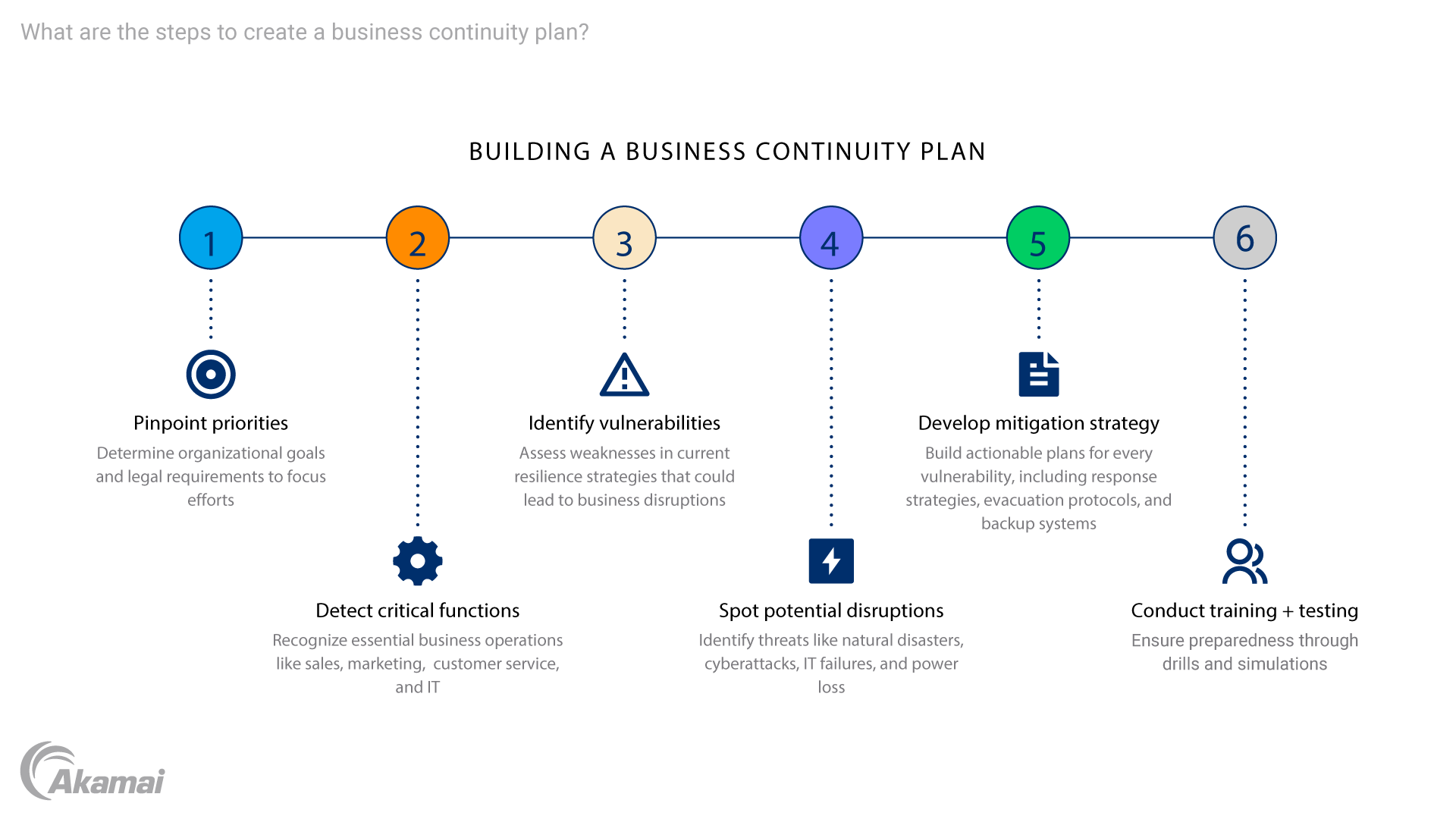
In the dynamic environment of digital betting, strategic continuity planning plays a critical role in maintaining the resilience and long-term viability of platforms. Betting products are not merely games or transactional services; they operate within an ecosystem that demands constant adaptation to user behaviors, regulatory shifts, technological developments, and competitive pressures. The ability to anticipate disruptions and implement robust continuity strategies directly affects user trust, engagement, and overall satisfaction. Continuity planning begins with a comprehensive assessment of operational dependencies. Every aspect of a betting platform, from payment processing to game logic and user interface functionality, relies on underlying technological infrastructure. Identifying critical components, their interdependencies, and potential failure points allows organizations to prioritize resources effectively and establish redundancies where necessary. These assessments often involve both qualitative and quantitative methods, including risk scoring, scenario analysis, and system simulation, providing a nuanced understanding of vulnerabilities and their potential impact on users.
A crucial element in continuity planning is the alignment of organizational processes with strategic objectives. Betting operators must ensure that operational protocols, incident response procedures, and communication channels are structured to support uninterrupted service. This includes developing standardized operating procedures for critical scenarios, such as server outages, network disruptions, or fraudulent activity detection. Additionally, maintaining a clear chain of command and defined responsibilities ensures swift decision-making during crises, minimizing both downtime and user dissatisfaction. In practice, continuity planning is iterative rather than static. Platforms regularly review and update contingency measures, incorporating lessons learned from internal testing, industry trends, and real-world incidents. Stress testing, simulation drills, and tabletop exercises are employed to validate assumptions and fine-tune response protocols, ensuring that strategies remain relevant as the ecosystem evolves.
Technology plays an indispensable role in enabling strategic continuity. Modern betting products rely heavily on cloud-based infrastructure, data replication, and automated monitoring systems to detect and mitigate failures in real time. Distributed server architectures provide redundancy across geographic regions, ensuring that localized incidents do not compromise global operations. Backup strategies, including regular snapshots and failover configurations, guarantee data integrity while maintaining compliance with regulatory requirements. Beyond infrastructure, software resilience is equally important. Codebase modularity, version control, and automated testing frameworks reduce the risk of system-wide failures caused by updates or feature deployments. These technical measures, when combined with a disciplined operational approach, create a foundation for uninterrupted service and rapid recovery from disruptions.
User-centric continuity considerations are also paramount. Maintaining player trust requires not only operational reliability but also transparent communication during incidents. Clear, timely updates regarding service status, expected recovery times, and compensatory measures help mitigate frustration and maintain engagement. Moreover, continuity planning must consider behavioral patterns and session dynamics. Strategies that account for peak usage periods, transaction flows, and betting volatility enable platforms to prioritize resource allocation effectively, reducing the likelihood of service degradation during high-demand events. Platforms can further enhance user confidence by integrating features that reinforce reliability, such as persistent session data, recovery options for interrupted games, and loyalty mechanisms that acknowledge temporary inconveniences.
Regulatory and compliance factors add an additional layer of complexity to continuity planning in betting products. Operators are often required to demonstrate robust risk management and disaster recovery capabilities, ensuring that user funds, personal data, and betting integrity are safeguarded under all circumstances. Compliance-driven continuity measures typically encompass data retention policies, audit trails, and security protocols aligned with industry standards. Failure to meet these obligations can result in penalties, loss of license, or reputational damage, underscoring the strategic importance of planning not just for operational continuity, but also for legal and ethical resilience.
A forward-looking continuity strategy also involves anticipating shifts in market dynamics and consumer expectations. The betting landscape is highly sensitive to technological innovation, changing regulations, and cultural trends, which can quickly render existing operational models obsolete. Continuous monitoring of these trends, combined with agile adaptation mechanisms, allows operators to evolve their platforms proactively rather than reactively. By embedding adaptability into the strategic framework, organizations can maintain relevance, capture emerging opportunities, and sustain competitive advantage, even amidst unpredictable conditions.
Collaboration and knowledge sharing enhance the efficacy of continuity planning. Cross-functional teams, including product management, engineering, security, and customer experience units, must work together to identify risks, design mitigation strategies, and validate operational assumptions. Sharing insights across the organization ensures that critical knowledge is not siloed, enabling rapid response and informed decision-making during disruptions. Externally, industry alliances and benchmarking against peer operators provide valuable context, highlighting best practices and emerging threats that may not be visible within a single organization.
Finally, strategic continuity planning in betting products is a long-term commitment that aligns operational resilience with business sustainability. It is not solely about preventing downtime; it is about creating a culture of preparedness, adaptability, and user-centric reliability. By integrating risk assessment, technological resilience, regulatory compliance, user-focused design, and market intelligence into a cohesive framework, betting platforms can maintain consistent service delivery, protect brand reputation, and foster enduring player trust. This holistic approach ensures that the product ecosystem remains robust against both foreseeable disruptions and unforeseen challenges, supporting sustained growth and operational excellence in a highly competitive environment.




Leave a Reply