
In modern gambling platforms, system cohesion across betting environments is a fundamental principle that ensures users experience seamless interaction regardless of the device or context in which they engage. This cohesion requires more than technical integration; it demands careful orchestration of interface design, transaction reliability, and behavioral consistency to create a unified ecosystem. Users interact with multiple components simultaneously—sports betting, casino games, live events, and virtual slots—so the underlying systems must communicate efficiently and maintain a coherent state across these domains. Without cohesion, the user journey is fragmented, creating confusion and eroding trust, which directly impacts engagement and retention.
One of the core challenges in achieving system cohesion is the alignment of data streams across platforms. Betting platforms generate enormous volumes of real-time data, including odds updates, player statistics, game outcomes, and transaction records. These data points must synchronize in real time to prevent inconsistencies that can disrupt user experience. For instance, a discrepancy in live betting odds between mobile and desktop interfaces can not only frustrate players but also lead to financial inaccuracies and regulatory issues. Systems must leverage robust APIs and messaging protocols that guarantee low-latency communication and atomic updates, ensuring that each user action is reflected instantly across all channels.
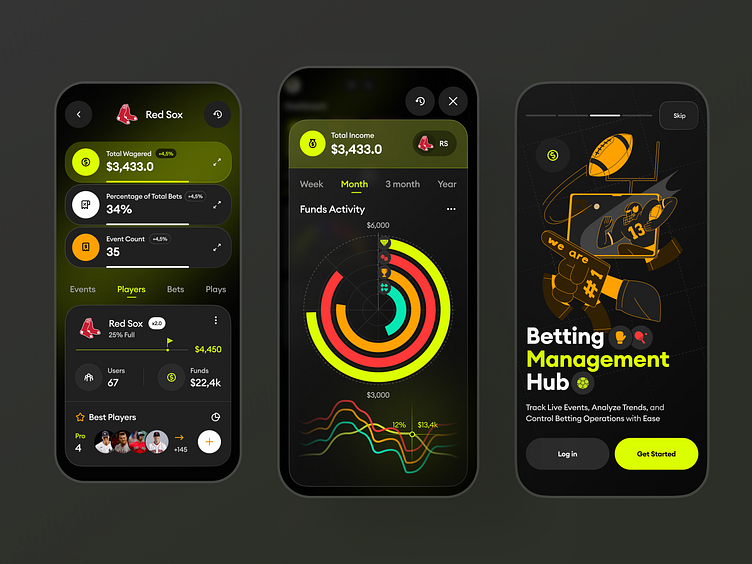
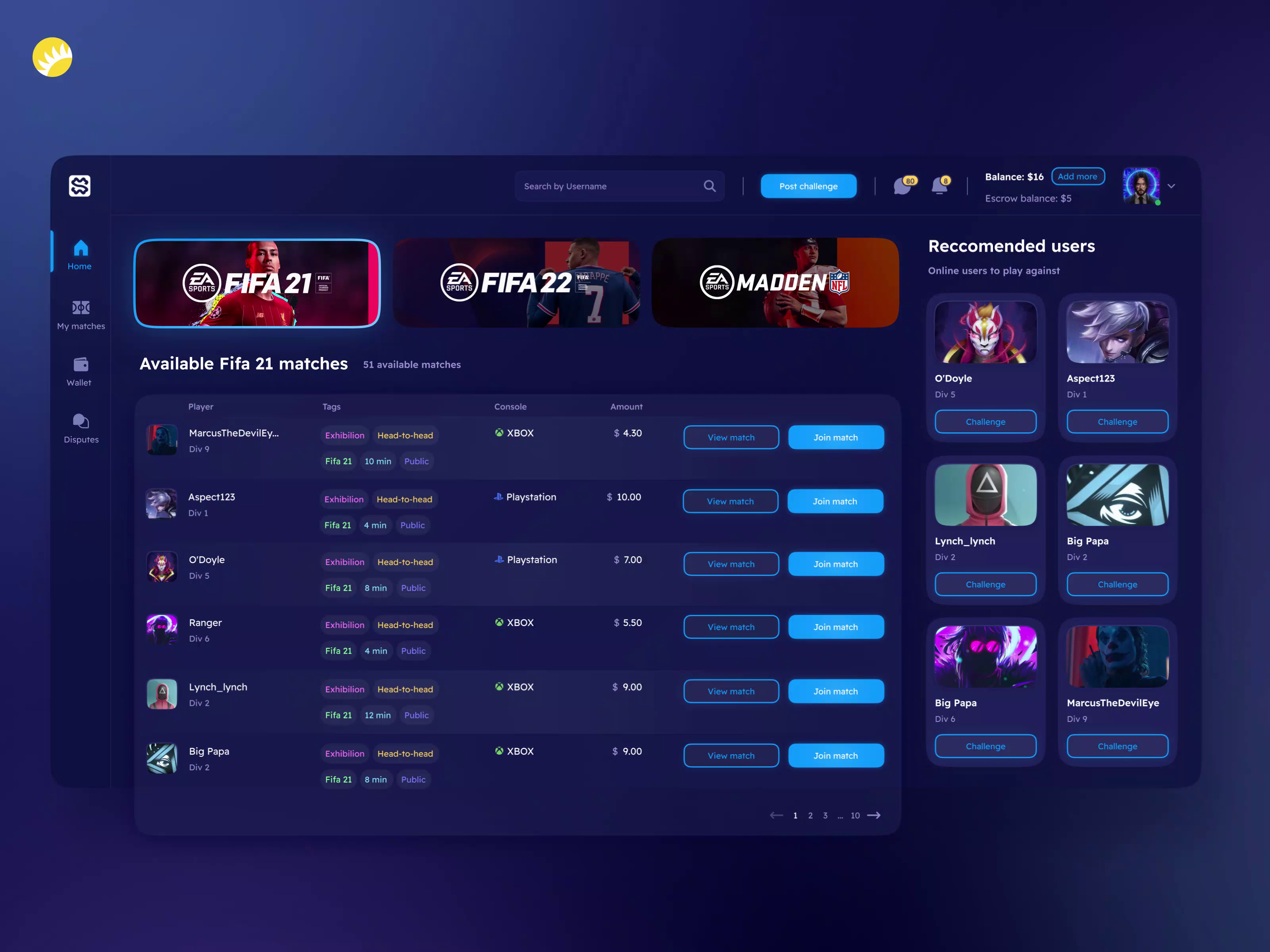
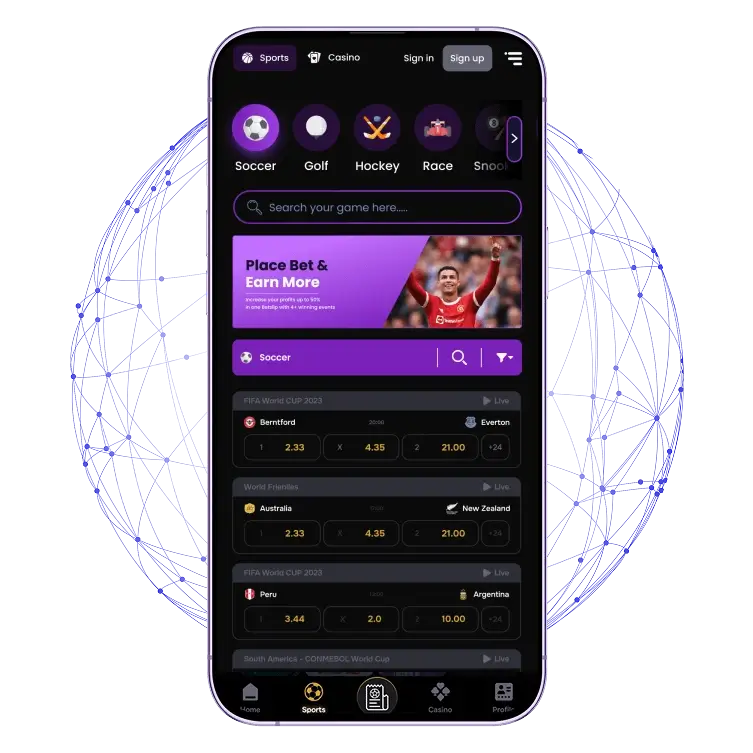
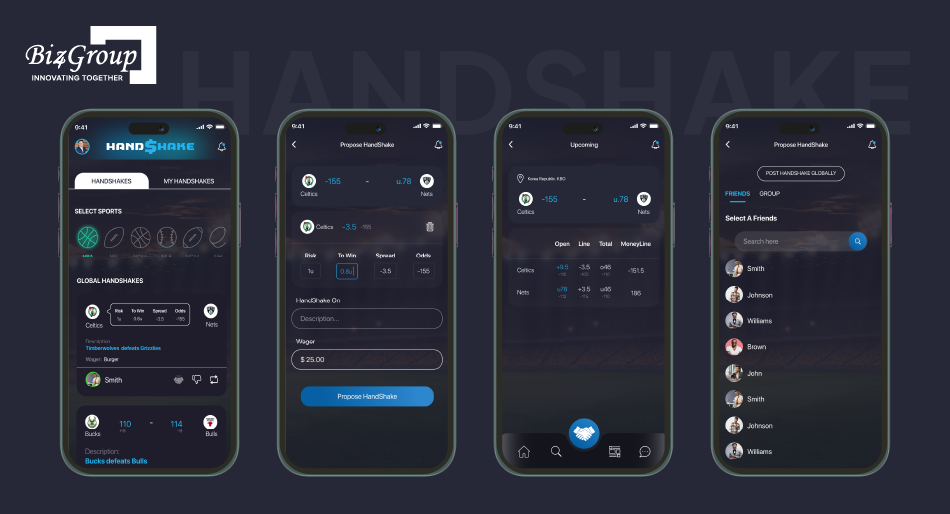
Another critical aspect is the standardization of interface elements and interactions. Consistent visual cues, control placements, and feedback mechanisms reduce cognitive load and allow users to transfer learned behaviors across different betting environments. For example, a player familiar with placing a wager on a desktop interface should intuitively understand the same process on a mobile app or kiosk without re-learning. Standardization extends to error handling, confirmation dialogues, and transaction summaries, all of which reinforce predictability and reliability. Cohesion is not achieved merely through visual consistency but also through functional uniformity, where underlying workflows respond similarly regardless of the touchpoint.
Behavioral modeling also plays a pivotal role in system cohesion. Modern betting platforms utilize analytics to predict user tendencies and adapt interfaces dynamically, but these adaptations must maintain continuity across environments. A recommendation, bonus, or alert triggered on one device should retain context if the user switches to another platform. This requires a centralized user state repository that tracks interactions, balances, and preferences in real time. Cohesive behavior ensures that users feel a continuous, uninterrupted connection to the platform, which strengthens engagement and reduces friction in multi-platform usage.
Transaction integrity is another cornerstone of cohesive betting environments. Users must trust that deposits, withdrawals, and bet settlements occur reliably across all systems. This involves implementing secure transaction protocols, redundant systems, and thorough auditing mechanisms. Cohesion is compromised if financial operations behave differently on various platforms or if latency causes confusion about the status of pending wagers. Consistent transaction logic ensures that users can confidently interact with any part of the ecosystem, reinforcing credibility and satisfaction.
Beyond technical and functional aspects, system cohesion influences regulatory compliance. Betting platforms operate under strict jurisdictional rules that govern reporting, taxation, and responsible gambling measures. Cohesive systems simplify compliance by ensuring that data captured in one environment is accurately mirrored across all others, reducing the risk of reporting errors or non-compliance incidents. This is particularly vital in cross-border platforms, where discrepancies between systems could trigger audits, fines, or license suspensions. Maintaining a unified system architecture that respects regulatory constraints is therefore both a practical necessity and a strategic advantage.
User experience design further amplifies the impact of system cohesion. Cohesive systems support personalization while maintaining consistency, offering relevant promotions, recommendations, and alerts without creating conflicting signals. For instance, a loyalty reward earned in one environment should seamlessly apply to others, and interface notifications should reflect the same information regardless of access point. By minimizing context switching and preserving continuity, cohesive systems enhance user satisfaction and encourage prolonged engagement. Cohesion in design also reduces frustration associated with learning multiple systems, thereby lowering churn and increasing platform loyalty.
Scalability and adaptability are intrinsic to sustaining cohesion over time. As platforms expand services, integrate new games, or add features, the underlying architecture must accommodate growth without fragmenting the user experience. Modular system design, standardized APIs, and consistent data protocols enable seamless expansion while preserving cohesion. Platforms that fail to implement these structures often experience fragmented environments, where new features behave inconsistently, leading to user confusion and dissatisfaction. In contrast, a cohesive architecture allows new offerings to integrate naturally, maintaining the seamlessness of the user journey.
In addition, cross-platform analytics are essential to understanding user behavior and maintaining system cohesion. By aggregating data from multiple environments, operators can identify inconsistencies, monitor engagement trends, and detect friction points. Analytics not only inform operational improvements but also help anticipate user expectations, ensuring that the ecosystem evolves in a coordinated manner. Cohesion is therefore both a technical and strategic endeavor, where the alignment of infrastructure, interface, and user behavior drives sustainable engagement and operational excellence.
Ultimately, system cohesion across betting environments is about delivering a unified, reliable, and intuitive experience that transcends individual devices or channels. It combines real-time data synchronization, standardized interactions, behavioral continuity, financial integrity, regulatory compliance, and adaptive scalability into a single operational philosophy. Platforms that achieve this level of cohesion differentiate themselves through seamless user journeys, robust trust mechanisms, and consistent engagement strategies. Users perceive these systems as more professional, reliable, and enjoyable, which fosters loyalty and long-term participation. Cohesion is not an optional feature but a foundational requirement for any modern betting ecosystem, ensuring that as platforms grow and diversify, the user experience remains uninterrupted, intuitive, and satisfying.





Leave a Reply