
In the dynamic landscape of online gambling, building and sustaining player trust is paramount. Platforms are increasingly relying on mechanisms that signal fairness, transparency, and accountability to users, creating what can be described as community assurance signals. These signals operate both explicitly and implicitly, guiding user perceptions and fostering confidence in the platform’s operations. At the most basic level, community assurance signals consist of visible indicators that communicate a platform’s commitment to integrity. This might include the display of licenses from recognized regulatory authorities, the presence of independent auditing reports, and the clear communication of terms and conditions. While such markers are essential, their effectiveness is amplified when they are reinforced by social and behavioral cues within the user community.
Players often rely on peer feedback as an informal verification of platform reliability. Online forums, review sections, and live chat communities provide spaces where users can share experiences regarding payout timeliness, fairness of games, and the responsiveness of customer support. These interactions serve as a real-time litmus test for newcomers, reducing the perceived risk of engagement. In particular, user-generated ratings and verified testimonials act as a form of social proof, demonstrating that others have successfully navigated the platform without encountering fraudulent behavior. By making these signals visible, platforms leverage the collective experiences of their user base, essentially transforming personal stories into a form of communal assurance.
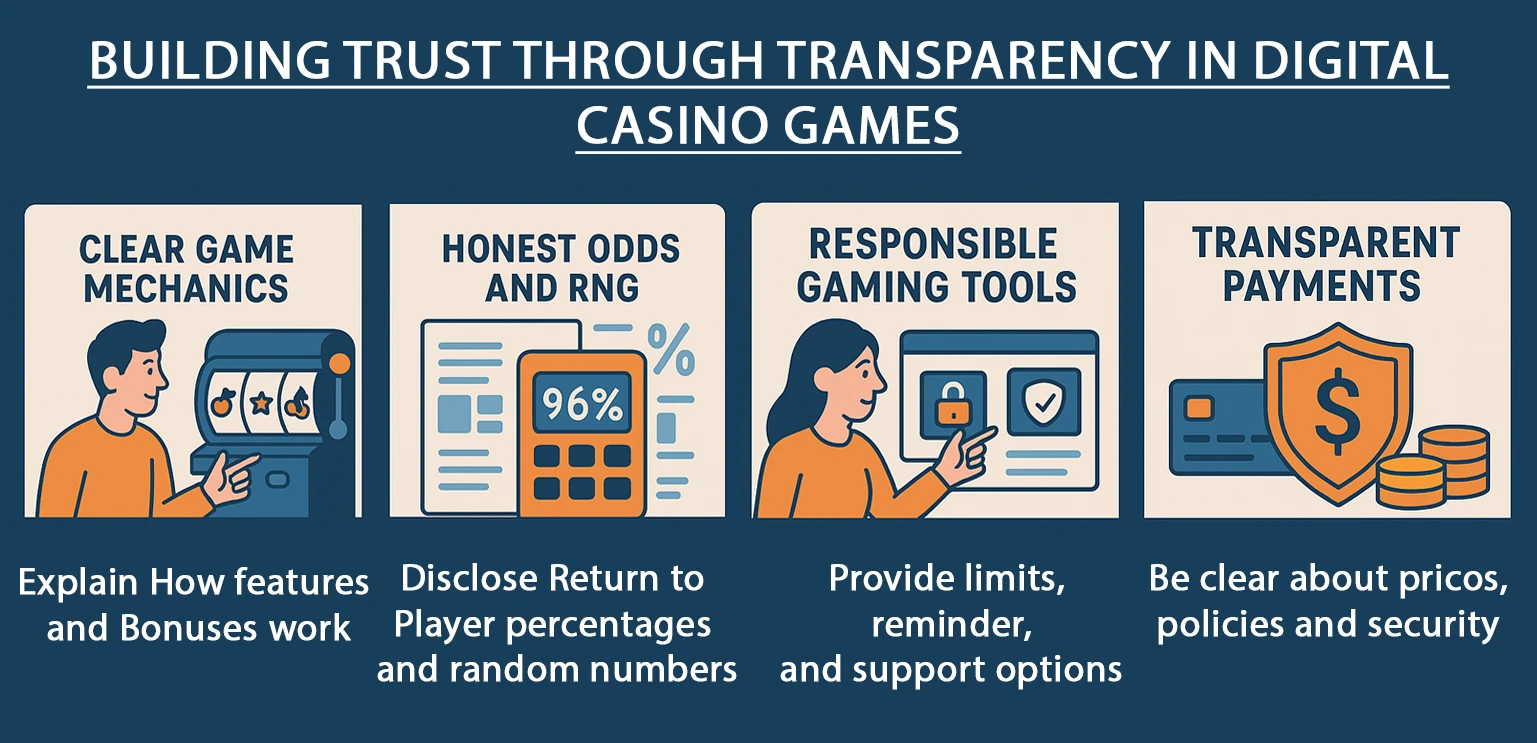
Transparency in game mechanics further strengthens community trust. Detailed explanations of odds, payout percentages, and algorithmic fairness communicate a commitment to honest operations. Platforms that provide access to independent Random Number Generator (RNG) certifications or detailed statistical breakdowns create a measurable assurance framework. Users gain a sense of security when they can verify the randomness and fairness of each play, rather than relying solely on abstract claims. This visibility fosters a sense of empowerment, where players feel informed and capable of making rational decisions, which is particularly valuable in mitigating feelings of uncertainty that often accompany gambling.
Beyond technical transparency, the design of communication channels plays a critical role in conveying assurance. Platforms that actively monitor community sentiment and respond promptly to concerns signal accountability. Mechanisms such as live support, dedicated feedback portals, and escalation pathways for disputes demonstrate that the platform values user experiences and is prepared to address issues openly. When users observe responsive and empathetic handling of problems, they perceive a lower risk environment. This sense of reliability becomes a self-reinforcing cycle: users are more willing to engage, and their continued activity further validates the platform’s credibility.
Reputation management is another layer of community assurance. Platforms that cultivate visible histories of ethical behavior, consistent payouts, and adherence to regulations build a long-term perception of integrity. Badges, milestones, and public records of achievements serve as symbolic assurances, communicating stability and reliability. Players interpret these indicators as signals of a platform that is less likely to engage in exploitative practices. Importantly, reputation is often cumulative; the longer a platform maintains positive engagement metrics and transparent operations, the more its community assurance signals strengthen, creating enduring trust.
Peer validation mechanisms can also be formalized through features such as community voting, leaderboards, or verified feedback loops. For example, allowing users to upvote helpful reviews, flag suspicious activity, or participate in game outcome discussions transforms the platform into a participatory ecosystem. This democratization of trust not only reinforces confidence in the platform but also encourages responsible behavior among players. Users begin to internalize community norms, moderating their own conduct while observing others, which enhances the overall perception of fairness.
Technology also amplifies these signals. Blockchain-based transparency tools, provably fair algorithms, and public audit trails make it possible for users to independently verify outcomes. When combined with visible community interactions, these technical assurances reinforce one another, creating a multi-layered trust ecosystem. Players perceive platforms that integrate both social and technical verification mechanisms as more legitimate, reducing hesitation and increasing engagement. The dual reinforcement of peer feedback and transparent technology creates a feedback loop where trust is not merely assumed but continuously demonstrated and verified.
Emotional and psychological factors cannot be overlooked in the interpretation of community assurance signals. Players are sensitive to cues that indicate honesty, stability, and fairness. Positive reinforcement, clear messaging, and recognition of user concerns contribute to a sense of security. Conversely, inconsistent communication, opaque operations, or delayed responses can erode trust rapidly. Therefore, platforms must actively curate the environment, balancing technical assurance, social proof, and responsive communication to maintain a coherent and trustworthy presence.
Ultimately, community assurance signals function as both protective and promotional mechanisms. They protect users by offering clarity, verification, and recourse, reducing the likelihood of disputes or dissatisfaction. Simultaneously, they promote engagement by enhancing perceptions of fairness, stability, and credibility. Platforms that successfully integrate visible regulatory compliance, peer validation, transparent mechanics, responsive communication, and technological verification create an environment where trust is embedded into the user experience. This integrated approach not only encourages user retention but also positions the platform favorably in a competitive marketplace, where trust and reputation are as valuable as the games themselves.
By strategically leveraging community assurance signals, gambling platforms can cultivate resilient ecosystems where players feel confident, informed, and respected. These signals serve as a bridge between operational integrity and user perception, ensuring that trust is not only established but continually reinforced. The interplay of social, technical, and emotional cues creates a holistic assurance framework, fostering sustainable engagement, enhancing user satisfaction, and ultimately driving the long-term success of the platform.
The presence of active, visible, and verifiable community assurance signals transforms the gambling experience from a purely transactional interaction into a trust-mediated engagement. Players navigate the platform with a greater sense of certainty, confident that their participation is supported by a network of transparent rules, accountable operators, and a responsive community. In this way, community assurance signals become a cornerstone of modern gambling platforms, serving both as a protective mechanism for users and a strategic tool for operators seeking to differentiate themselves in a crowded, competitive industry.




Leave a Reply