Organizing a game library effectively is essential for enhancing player discovery and engagement. A well-structured library enables players to navigate a wide range of titles effortlessly, increasing the likelihood that they will find games aligned with their preferences. In an environment saturated with options, proper categorization, filtering mechanisms, and personalized recommendations are crucial to maintaining player interest and satisfaction. By streamlining the discovery process, game libraries can transform from a static collection into a dynamic, player-centric experience.
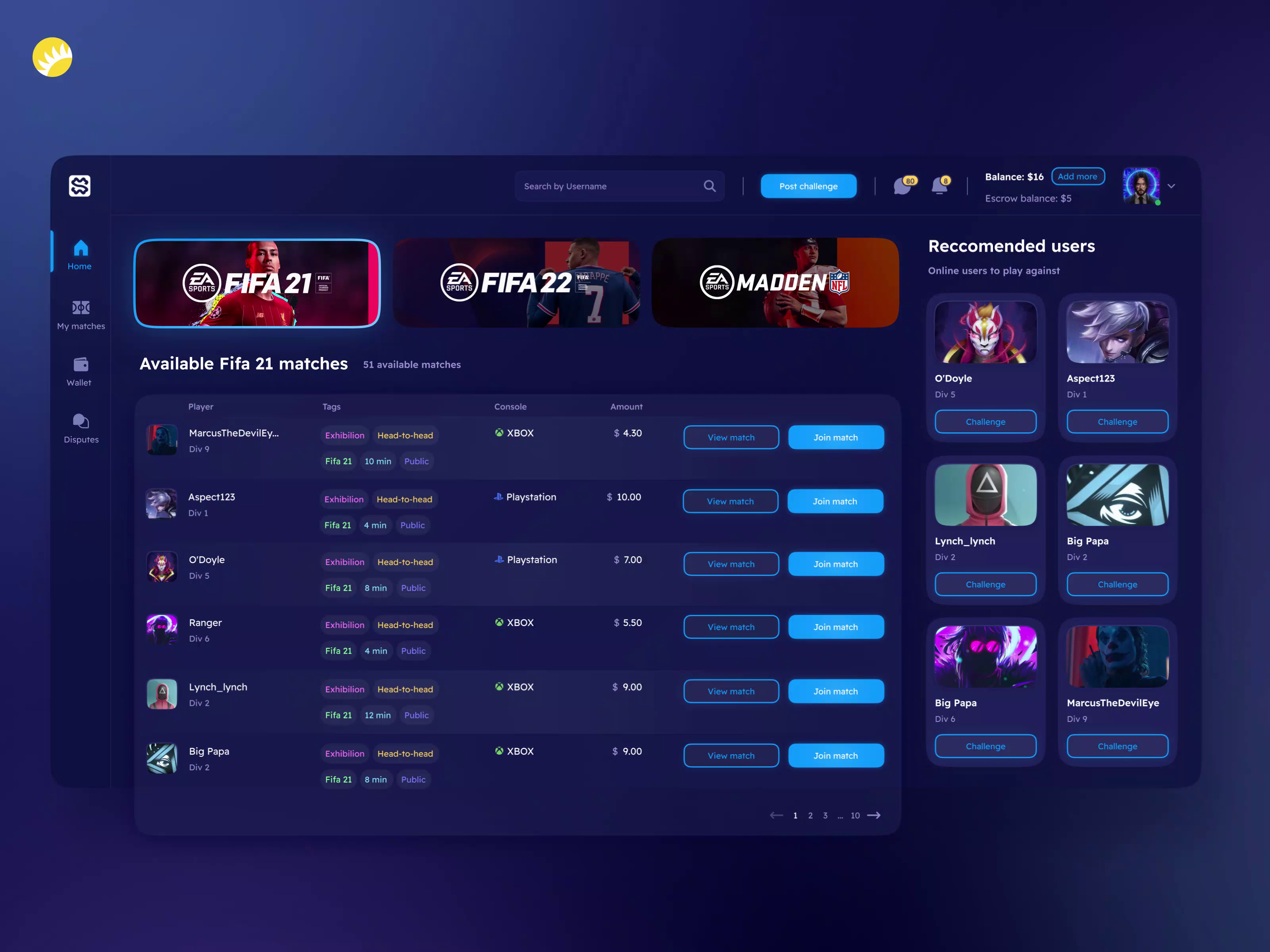
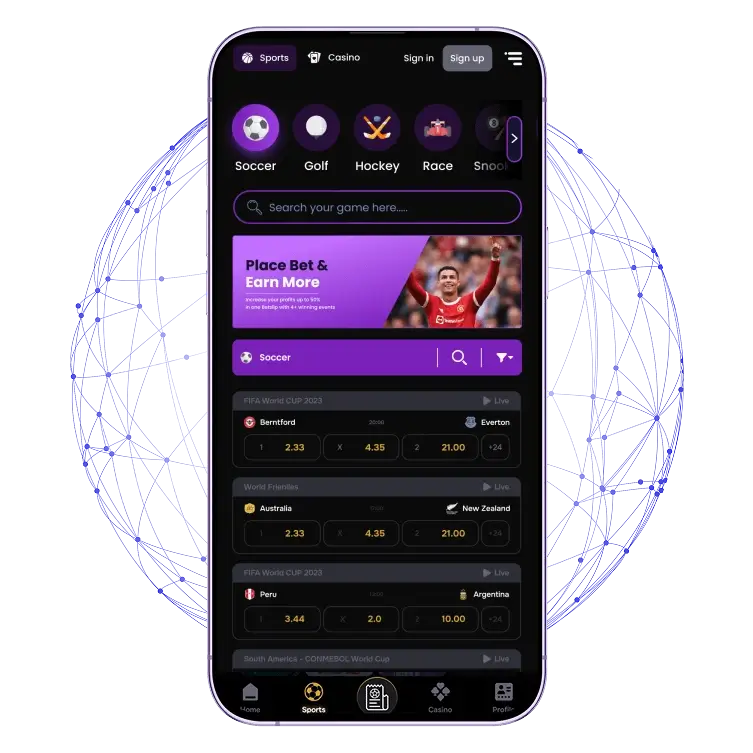
At the core of effective game library organization lies intuitive categorization. Games should be grouped in ways that make sense to the audience, using recognizable genres, themes, or gameplay styles. Genre-based grouping is a foundational approach, offering clear pathways for players who are searching for specific experiences. For instance, separating action games, puzzle games, role-playing games, and strategy titles helps users quickly identify content that aligns with their interests. However, genre alone is often insufficient, as player preferences are increasingly nuanced. Subgenres, such as roguelike RPGs or narrative-driven puzzle games, can provide more precise pathways for discovery, catering to users who seek a specific type of gameplay.
Beyond genre, thematic and stylistic tagging enhances the library’s navigability. Players may be drawn to games featuring particular aesthetics, narrative elements, or cultural settings. Tags reflecting these aspects—such as fantasy, sci-fi, historical, horror, or cartoonish—offer another dimension of filtering, allowing players to explore titles beyond standard genre boundaries. Combining multiple tags can create complex discovery paths, guiding players toward games that match both their gameplay and thematic preferences. Additionally, using a consistent and clear tagging system is critical; inconsistent or ambiguous tags can create confusion and hinder the discovery process.
Personalization is another key component of modern game library design. By leveraging player behavior, preferences, and historical interactions, systems can surface recommendations tailored to individual users. Machine learning algorithms analyze patterns such as playtime, genre affinity, purchase history, and in-game achievements to suggest relevant titles. Personalized recommendations increase engagement by reducing the time and effort required for players to find appealing games, fostering a sense of connection and responsiveness within the platform. Over time, the system can refine its suggestions, creating a feedback loop that continuously improves the relevance of recommended content.
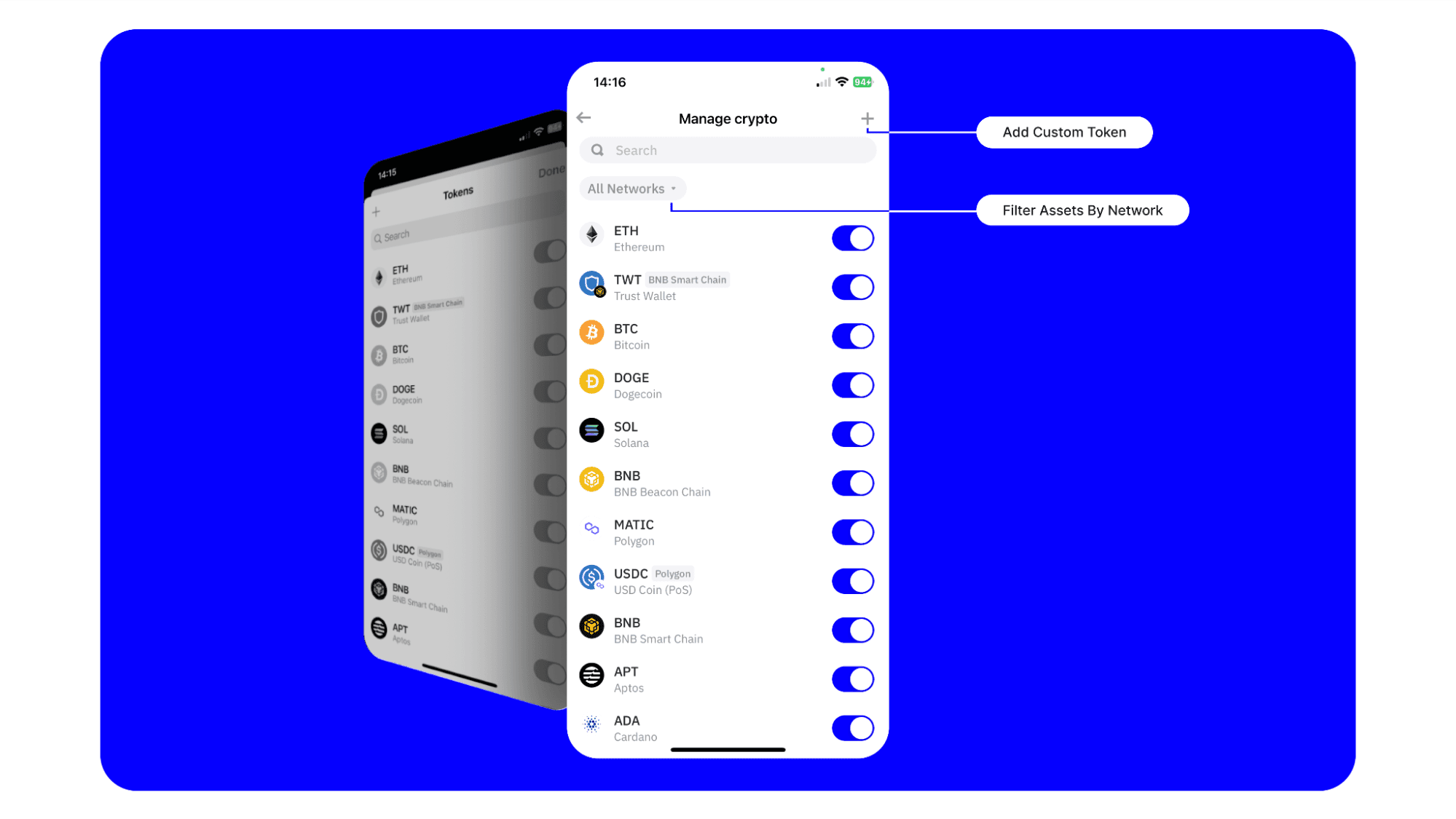
Search functionality also plays a vital role in supporting player discovery. A robust search engine should allow for both broad and granular queries, enabling players to locate games by title, developer, keyword, tag, or feature. Advanced search options, including filtering by release date, popularity, rating, or platform compatibility, give players control over their exploration, ensuring that even large libraries remain navigable. Autocomplete suggestions, search history, and trending searches can further enhance usability, making the discovery process faster and more intuitive.
Another element of effective game library organization is highlighting curated collections. Curated lists, such as “New Releases,” “Top Rated,” or “Staff Picks,” provide guidance to players who may feel overwhelmed by a vast selection. These collections act as signposts, drawing attention to noteworthy titles and encouraging exploration. Special thematic collections, seasonal events, or genre spotlights can also create excitement, keeping the library experience fresh and engaging. Curated content complements algorithm-driven recommendations, offering human insight and expertise that can resonate with player preferences in unique ways.
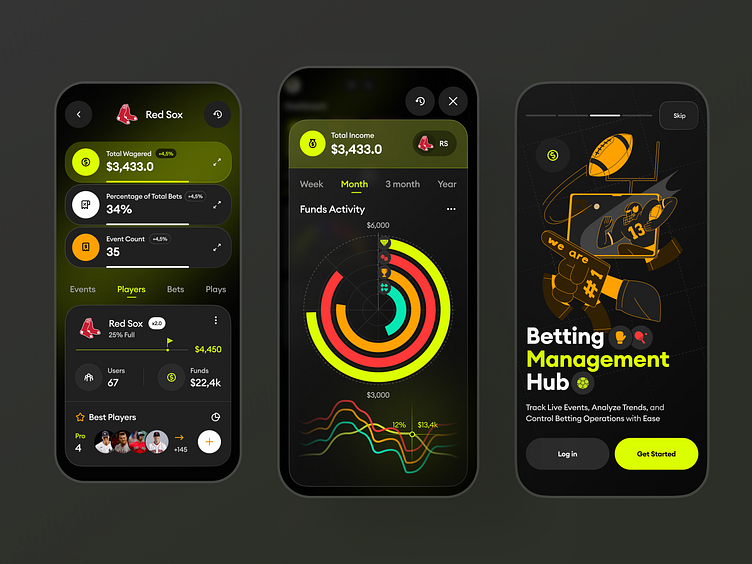
Visual presentation within the library is equally important. Layout, iconography, and imagery contribute to how easily players can scan and interpret available options. Grid-based layouts allow for quick visual comparison, while list views may support more detailed information per title. Consistent visual cues for genres, tags, and ratings help players identify content at a glance. Highlighting key metrics such as playtime, reviews, or achievements can further inform player decisions, supporting both discovery and engagement. A clean, uncluttered design ensures that the focus remains on the games themselves, minimizing cognitive load during exploration.
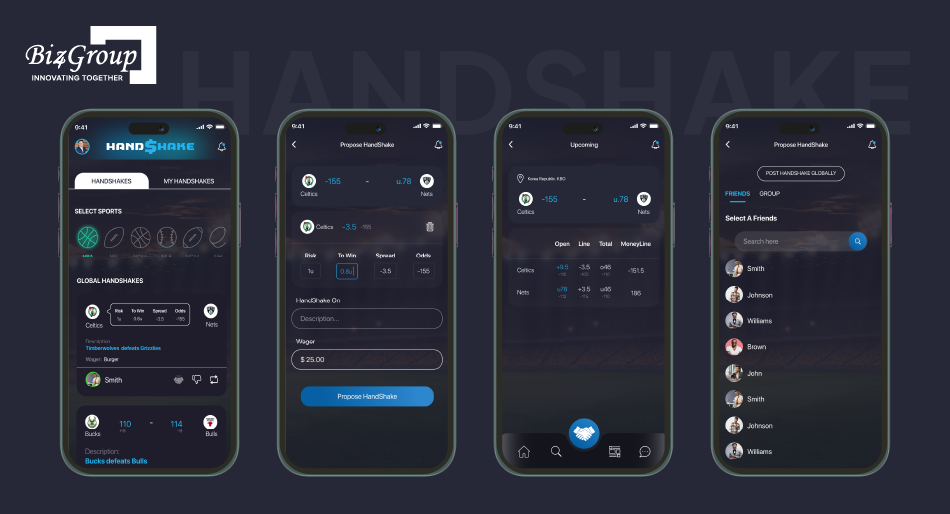
Social features can enhance discovery by incorporating community-driven insights. Player reviews, ratings, and shared playlists offer perspectives that go beyond algorithmic suggestions. Seeing what friends are playing or which titles are trending within the community can influence player choices, fostering a sense of connection and shared experience. Integration with social networks or in-platform friend systems allows players to exchange recommendations, creating organic pathways for discovery that extend beyond formal categorization and curation.
Cross-platform consistency is also vital in maintaining a coherent discovery experience. Players who access a library across multiple devices expect a seamless transition, with saved preferences, curated lists, and progress synchronized. Ensuring that organization, filtering, and recommendation mechanisms function consistently across platforms reinforces trust and usability. Players can confidently explore the library regardless of device, confident that their interactions and preferences are recognized and supported.
Analytics and continuous optimization are critical to sustaining effective library organization. Monitoring player behavior, popular search terms, engagement with curated lists, and response to recommendations provides insight into the system’s effectiveness. Regularly updating categories, refining tags, and adjusting recommendation algorithms based on these insights ensures that the library evolves in line with player interests. Continuous iteration helps the platform remain relevant, responsive, and user-friendly, preventing stagnation in a rapidly changing gaming ecosystem.
Accessibility considerations should also be incorporated into game library design. Clear navigation, text readability, keyboard shortcuts, screen reader support, and adaptable color schemes ensure that a diverse audience can engage with the library effectively. Inclusive design expands the reach of the platform, supporting discovery for players of varying abilities and preferences.
Finally, balancing simplicity with depth is a guiding principle for library organization. While it is important to offer rich filtering, tagging, and recommendation options, the interface must remain approachable. Overly complex systems can overwhelm players, discouraging exploration. Striking the right balance between intuitive navigation and powerful discovery tools creates an environment where players can effortlessly browse, filter, and uncover games that match their desires.
A thoughtfully organized game library thus becomes more than a repository of titles; it transforms into a curated, interactive ecosystem that prioritizes player discovery. By combining intuitive categorization, tagging, personalized recommendations, robust search, curated collections, social integration, cross-platform consistency, accessibility, and continuous optimization, platforms can enhance engagement and satisfaction. Players are empowered to find games they enjoy quickly, while developers and platforms benefit from increased visibility, engagement, and retention. The result is a library that not only houses content but actively guides, informs, and inspires players to explore new experiences, deepening their connection to the gaming ecosystem.