
In the realm of online gambling and sports betting, the concept of self-regulation has become increasingly crucial as operators and regulators alike seek to balance player engagement with responsible gambling practices. Self-regulation panels serve as a proactive mechanism to support users in maintaining control over their betting behaviors, providing an interface where individuals can set personal limits, monitor their activity, and receive feedback designed to encourage thoughtful participation. These panels integrate data-driven insights with behavioral cues, creating a structured environment that promotes self-awareness without diminishing the entertainment value of the betting experience.
The architecture of self-regulation panels is grounded in behavioral economics and cognitive psychology, leveraging both quantitative and qualitative data to provide meaningful guidance. Users typically gain access to a dashboard that visualizes key metrics such as total wagers, frequency of play, and win-loss ratios over defined time periods. This visualization serves a dual purpose: it increases transparency and allows users to identify patterns that may signal risky behavior. By presenting these metrics in a clear and digestible manner, operators empower players to make informed decisions based on their actual habits rather than perceptions or emotional impulses.
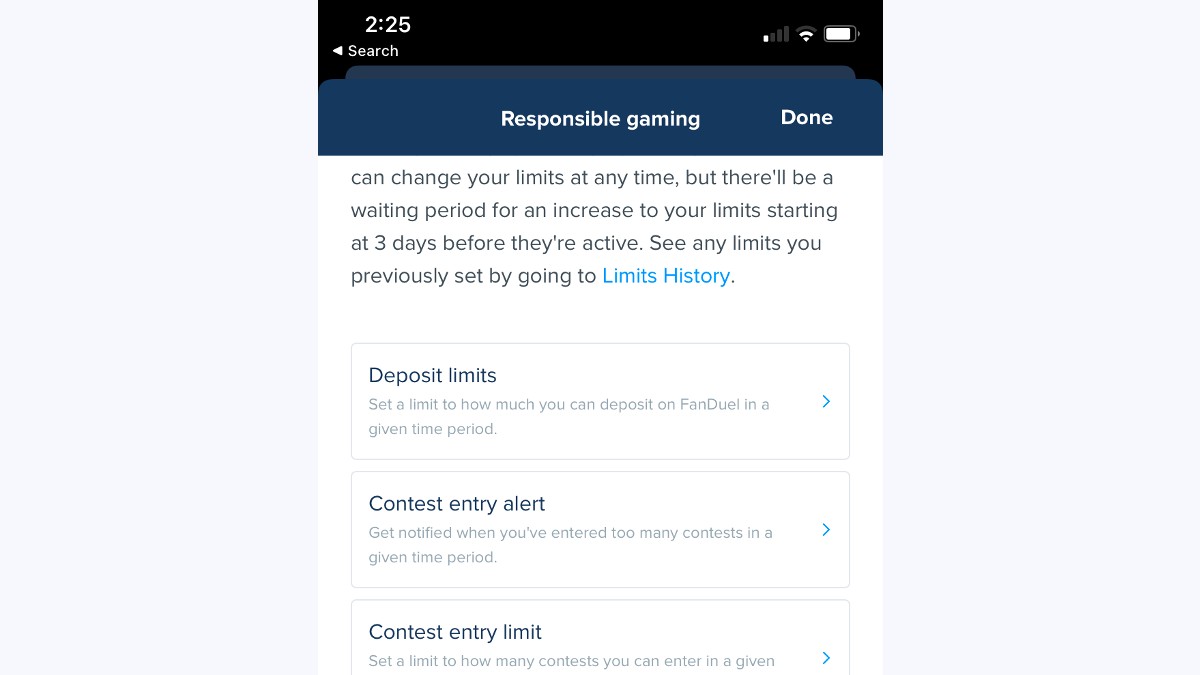
A critical feature of these panels is the ability to implement dynamic limits. Players can define thresholds for daily, weekly, or monthly spending, number of bets, or session durations. These limits are not static; advanced systems use predictive analytics to suggest adjustments based on observed behaviors. For instance, if a user consistently approaches the upper bound of their betting limit, the system might prompt a recommendation to either maintain, increase, or decrease the threshold based on risk profiles derived from historical data. This adaptive approach aligns with the principle of nudging, gently guiding players toward healthier betting patterns without overtly restricting freedom of choice.
The integration of alert systems further strengthens the effectiveness of self-regulation panels. Real-time notifications can alert players when they are approaching predefined limits, when patterns indicate potential problem behaviors, or when anomalies such as sudden spikes in wagering occur. These alerts leverage both visual cues and concise textual messages to capture attention and encourage reflection. By intervening at key decision points, operators provide immediate feedback, which is essential in mitigating impulsive actions that often lead to problematic gambling.
Beyond individual monitoring, self-regulation panels can include reflective tools that promote self-assessment. Features such as risk calculators, habit journals, and interactive questionnaires encourage users to evaluate their motivations, emotional triggers, and overall satisfaction with their betting activities. This introspective component transforms the panel from a mere tracking interface into a holistic support system, fostering personal responsibility and encouraging proactive engagement with one’s gambling behaviors. Regular prompts to review activity and consider adjustments help cultivate an ongoing dialogue between the user and the system, reinforcing habits that contribute to disciplined play.
A well-designed self-regulation panel also accommodates social and community-oriented features. By anonymizing data and providing benchmarks against peer behaviors, players gain contextual insights that frame their activity within broader patterns. This comparative perspective can normalize responsible practices and reduce the social isolation sometimes associated with gambling. Additionally, the inclusion of educational content, such as articles on probability, risk management strategies, and case studies of responsible play, equips users with knowledge that enhances decision-making. The combination of social proof and educational reinforcement strengthens the panel’s overall impact.
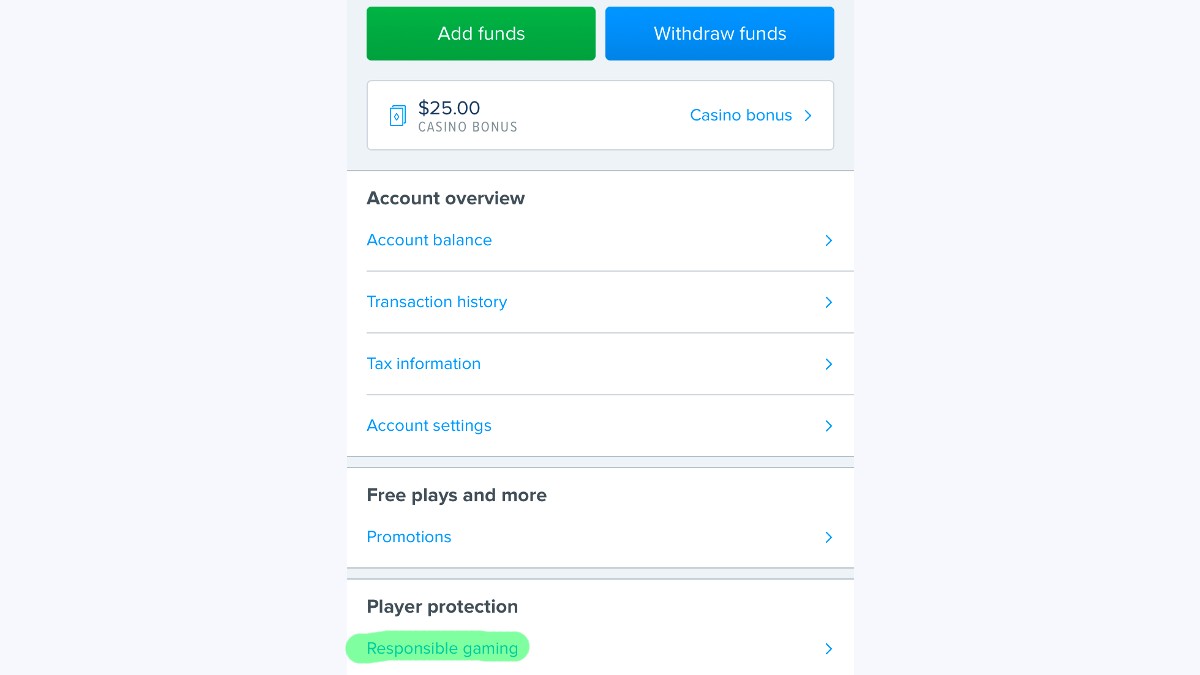
Operator transparency is another cornerstone of effective self-regulation. Clear communication regarding the purpose, scope, and functionality of the panel builds trust and encourages utilization. Players are more likely to engage with tools that are positioned as supportive rather than punitive. Furthermore, allowing flexibility in customization—such as personalized alerts, adjustable visualizations, and user-defined focus areas—ensures that the system resonates with individual needs. By respecting user autonomy while providing structured guidance, these panels strike a delicate balance between oversight and empowerment.
Technological advancements have expanded the potential of self-regulation panels. Machine learning algorithms can detect emerging trends and subtle behavioral shifts that might precede problem gambling. By continuously analyzing patterns and providing predictive feedback, these systems operate as early-warning mechanisms. Coupled with AI-driven personalization, the panel can suggest contextually relevant interventions, such as temporary cooling-off periods, targeted educational prompts, or engagement in alternative activities. This proactive approach mitigates risk before significant negative outcomes occur, aligning with public health objectives and ethical responsibilities of operators.
In addition to individual benefits, self-regulation panels support regulatory compliance and operational integrity. Regulators increasingly expect operators to implement responsible gambling measures that are both effective and demonstrable. Comprehensive logging of user interactions with the panel, anonymized data for auditing, and reporting mechanisms allow operators to demonstrate adherence to industry standards. Moreover, the insights derived from aggregated data can inform broader policy development, contributing to safer betting environments across the industry.
Ultimately, self-regulation panels embody a shift from reactive interventions to anticipatory support. By blending real-time monitoring, behavioral insights, educational resources, and personalized guidance, these panels cultivate an ecosystem where players can enjoy the excitement of betting while maintaining control over their actions. The emphasis on autonomy, transparency, and proactive engagement reinforces trust between the user and the platform, enhancing both user satisfaction and long-term loyalty. As technology continues to evolve, the integration of predictive analytics, adaptive feedback, and immersive user interfaces will further refine these tools, establishing self-regulation panels as a cornerstone of responsible gambling practices that are both effective and user-centric.



Leave a Reply